Monday Briefing | Is the Middle East Tilting toward De-Escalation?
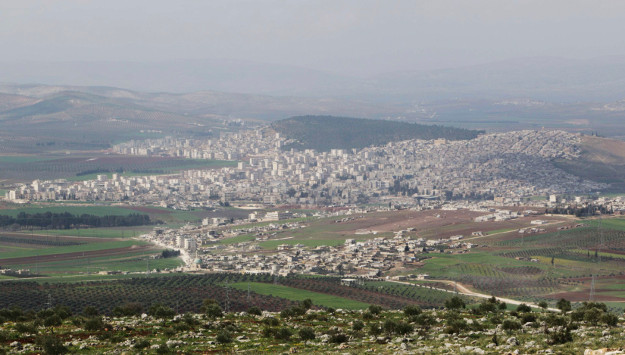
In this week’s Monday Briefing, MEI experts Paul Salem, Gonul Tol, Alex Vatanka, and Jonathan M. Winer provide analysis on recent and upcoming events including Saudi Arabia’s diplomatic engagements in the region, Turkey’s consideration of military operations in northern Syria, Iranian President Rouhani’s centrist cabinet nominations, and Libyan leaders’ decision between greater cooperation or renewed confrontation.
A Band of (Muslim) Brothers? Exploring Bahrain’s Role in the Qatar Crisis
The crisis which has engulfed the Gulf Cooperation Council (G.C.C.) states since June 5, 2017, leading to an unprecedented diplomatic and economic blockade of Qatar, has effectively split the Gulf into three camps, fracturing the uneasy yet much-lauded unity of an alliance which has long prided itself on stability and security. This essay offers a possible explanation for Bahrain’s contradictory position regarding the crisis, and considers whether Manama can maintain it.
The ongoing Saudi-led blockade of Qatar came as a surprise to the international community, including the European Union. When Saudi Arabia, the U.A.E., Egypt, and Bahrain cut ties with the Qatari monarchy, the E.U. found itself in a new and complex political reality. Though the intra-Gulf crisis had been simmering for quite a long time, it seems that the Europeans were not prepared for such a scenario. Ultimately, Europe must consider the severity of the current crisis’ potential diplomatic and economic consequences.
The ongoing Qatar crisis poses a major dilemma for Kuwait and Oman. Consistent with their “neutral” foreign policies, these two Arab Gulf states have maintained ties with Doha and seek to resolve the gravest internal Gulf Cooperation Council (G.C.C.) row since the organization’s establishment in 1981. Officials in Kuwait City and Muscat fear that failure to settle the Qatar crisis will break up the council, which would directly undermine vital Kuwaiti and Omani national interests given the potential for such a scenario to dramatically exacerbate regional geopolitical instability.
Can the Trump Admin get its Act Together on G.C.C. Crisis? | Monday Briefing
In this week’s Monday Briefing, MEI experts Gerald Feierstein, Robert S. Ford, Alex Vatanka, and Ruba Husari provide analysis on the Trump administration’s handling of the G.C.C. crisis, how Iran and energy markets have responded to it, and the escalating conflict in eastern Syria.
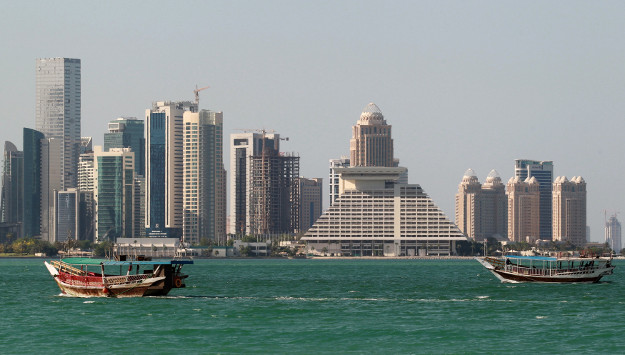
Those visiting Doha are often told by locals that the city is the epicentre for political deal-makings in the Middle East. If you just want to do business, go to Dubai, the Qatari political elites are fond of saying.
One way to understand the depths of the animosity that blew up the myth of brotherhood and cooperation among the monarchies of the Arab Gulf states on Monday is to look beyond the angry statements to a map published recently by the U.S. Energy Information Administration.
Citizens of the Gulf Cooperation Council (GCC) states woke up on Monday morning to what is the most severe crisis in the regional block’s 38 year history to date. In a closely coordinated series of statements, Saudi Arabia, Bahrain and the UAE, along with Egypt, announced the severing of ties with the peninsular state of Qatar.
Iranian Officials and Media Outlets React to Gulf Crisis by Blaming U.S. and Saudi Arabia
Iranian leaders and media outlets today reacted to a decision by Saudi Arabia and several other Arab nations to sever diplomatic and commercial ties with Qatar by blaming Washington and Riyadh for regional tension and discord. Alaeddin Boroujerdi, the chairman of Iranian Parliament’s Committee on National Security and Foreign Policy, said the rising tension is a direct result of President Donald Trump’s visit to the Middle East.
What Does Trump’s Visit to Saudi Arabia Mean for Russia?
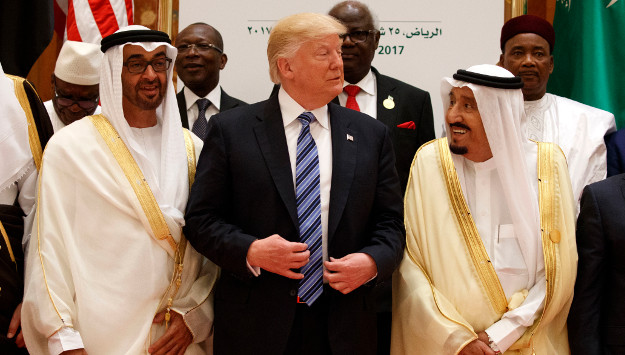
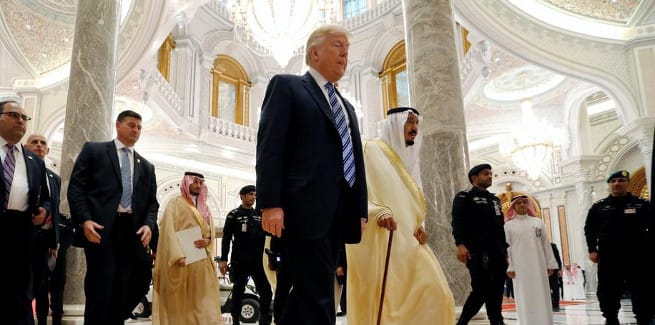
On May 20, President Donald Trump landed in Riyadh for the first stop of his nine-day Middle East and European tour. Many hoped that the president’s long-awaited trip would clarify his administration’s approach to the Middle East. As expected, the most important developments involved a $110 billion arms deal, anti-Iranian rhetoric and plans to establish an “Arab NATO.”
Bahrain-Malaysia Relations Set to Reach New Heights
On May 3, 2017, King Hamad Bin Eisa Al Khalifa concluded a four-day trip to Malaysia, the first visit by a Bahraini monarch since the two countries established diplomatic ties in 1974 and the initial leg of a tour that also included stops in Brunei and Thailand. This essay takes a brief look at the development of economic ties between Bahrain and Malaysia in recent years, and considers the prospects for their continued growth in light of the outcome of King Hamad’s visit.
The India-U.A.E. Strategic Partnership in Regional Context: A Zero-Sum Game?
Since the government of Narendra Modi took office in 2014, India and the U.A.E. have moved relatively quickly to consolidate their existing ties and to explore new areas of cooperation. During this time, they have elevated the relationship to a comprehensive strategic partnership, with the expressed intention of extending their cooperation to the security and defense spheres. This essay discusses these recent developments, with particular attention to the role of Pakistan as a constraining factor in India-U.A.E. relations going forward.
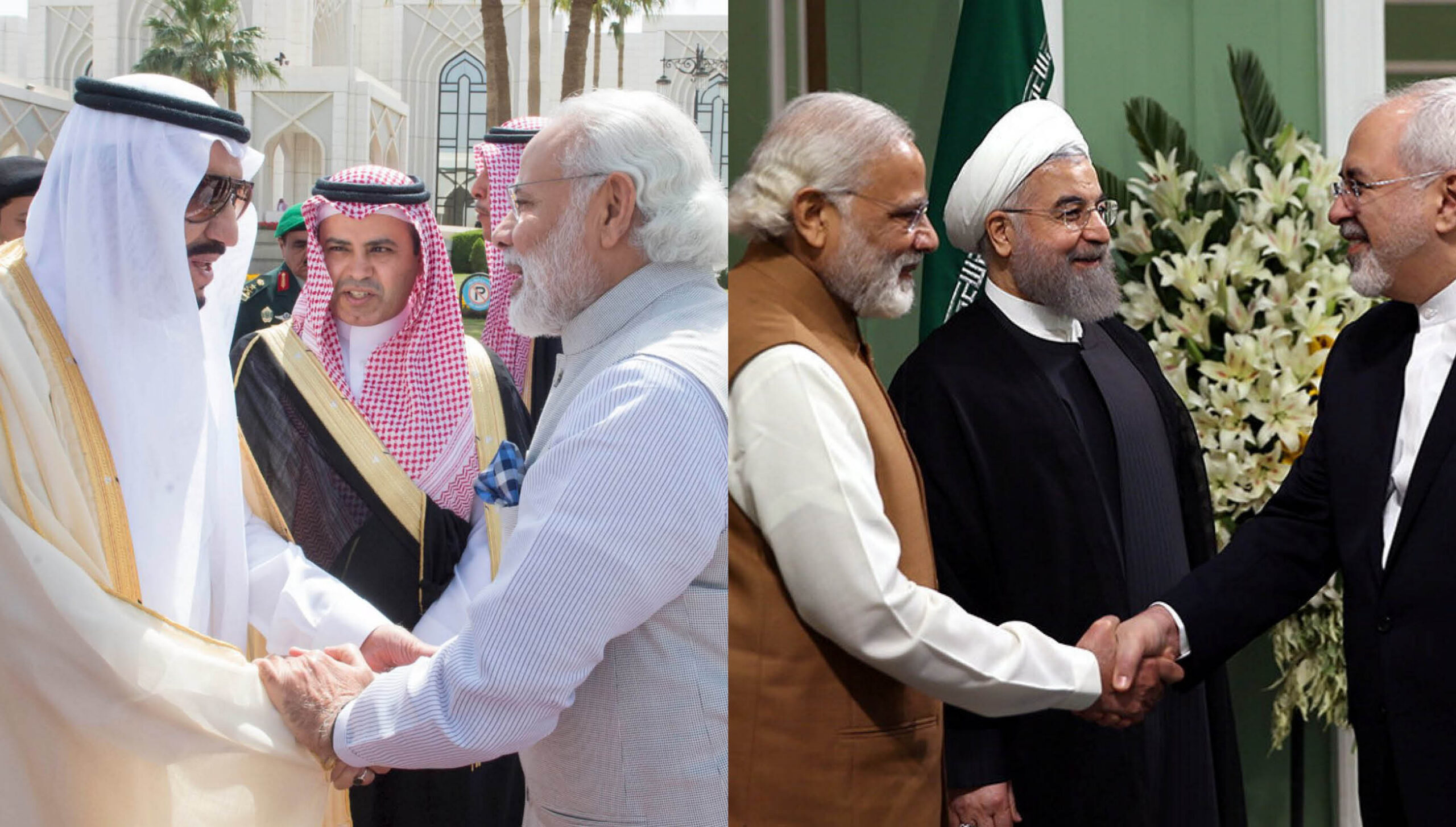
This essay discusses India’s increasingly extensive relations with the Gulf Arab countries and its equally important interest in continuing to develop mutually beneficial ties with Iran. The author argues that as India’s regional profile rises and its economic prowess expands, New Delhi will come under pressure to take sides — pressure to which Indian leaders must try their utmost not to succumb.