Iran Hails End of Siege on Syria’s Deir Ezzor as Victory for “Resistance”
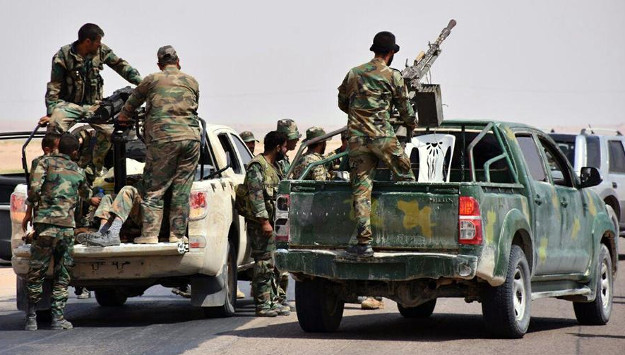
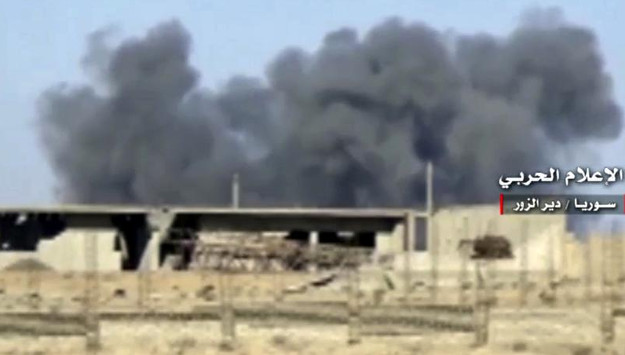
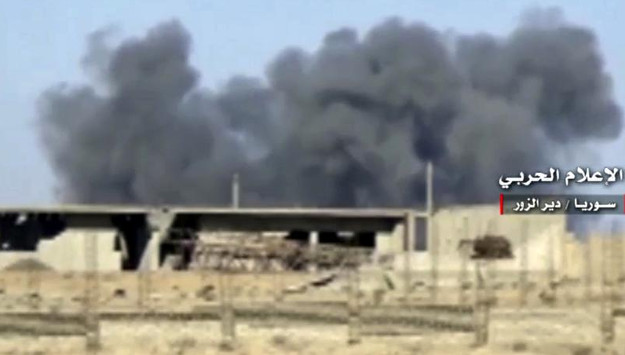
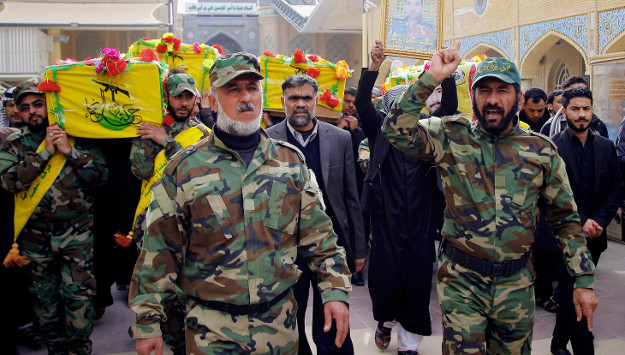
Iranian leaders today congratulated the Syrian government on the lifting of a siege of the eastern city of Deir Ezzor by the Islamic State. Iran’s Foreign Minister Javad Zarif described the end of the three-year siege as a “significant victory” in the fight against terrorism.
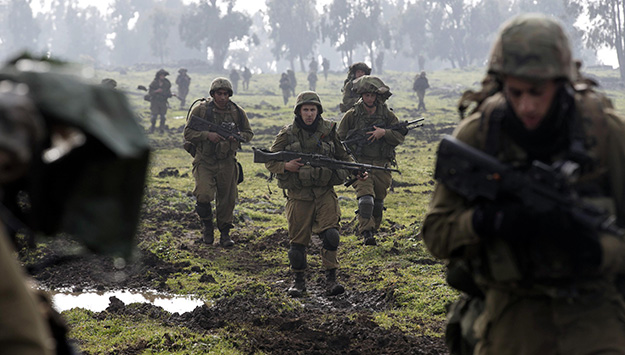
Israel has weathered the campaign to oust Bashar al-Assad far better than its neighbors. Unlike many others, Israel was never a true believer in the failed effort to topple the Assad regime, preferring an opportunistic rather than a principled strategy that aimed at keeping Israel out of harm’s way.
The challenges of postwar Syria, however, may prove more daunting. Israel must now deter any interest by Syria’s Arab and Iranian allies to deploy military forces in Syria against it.
U.S. and Iran on a Collision Course in Syria, Again
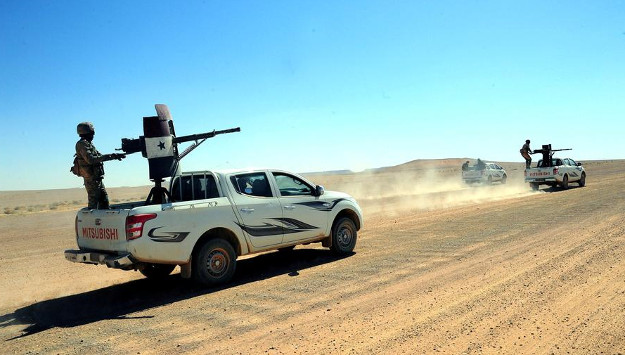
Iran and its allies are sending reinforcements near a de-confliction zone in southeastern Syria to pressure the U.S. military to withdraw from a strategic garrison near al-Tanf border crossing. Both Tehran and Damascus see the presence of U.S. troops training rebel forces in al-Tanf, as well as in northeastern Syria, as a serious threat. Iran also views the expulsion of the U.S.
Iran Expanding Influence in Syria, Despite Israeli Warnings
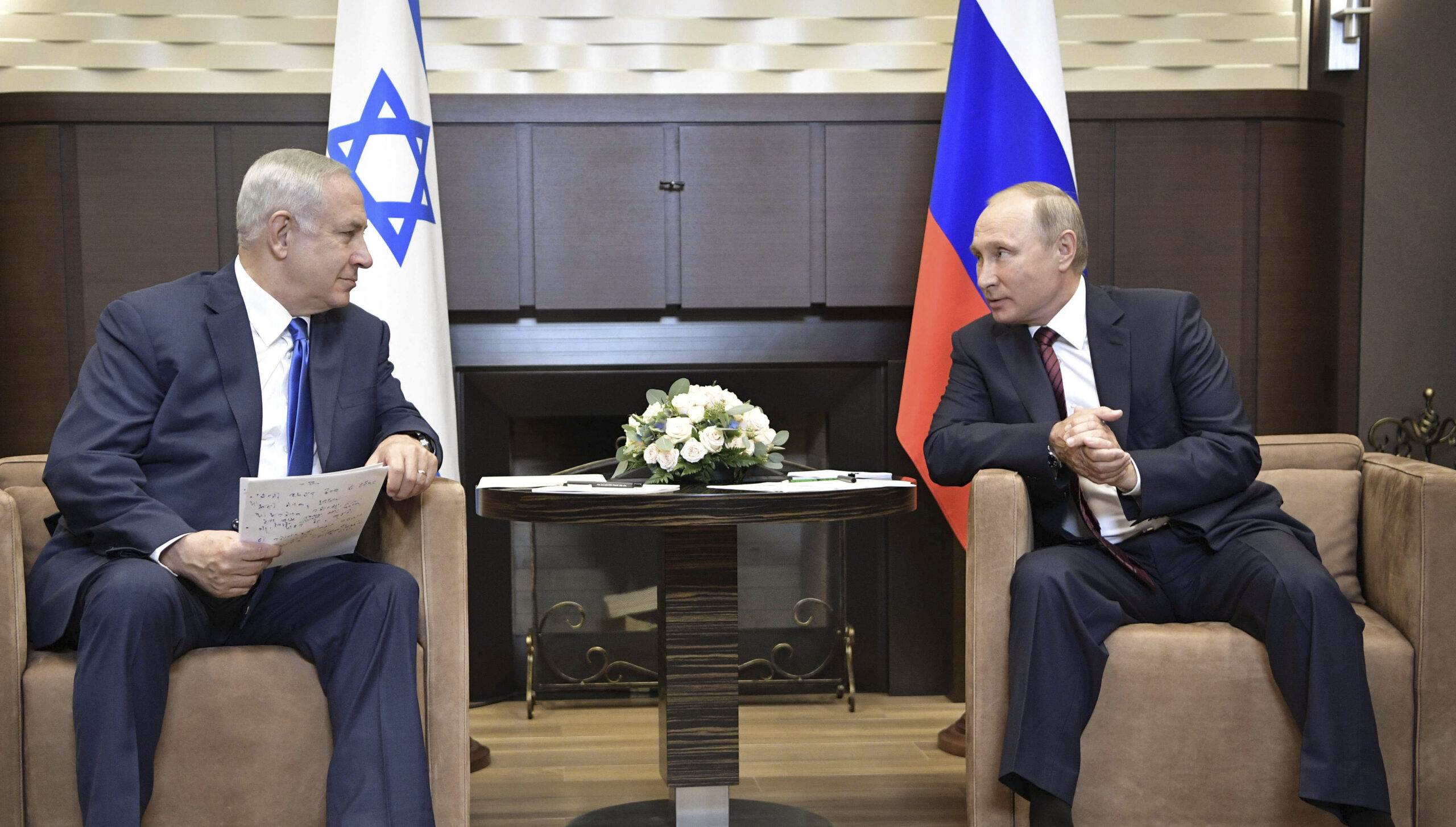
Even before Israeli Prime Minister Benjamin Netanyahu arrived at the Black Sea resort of Sochi last Wednesday for his sixth consultation in two years with Russian President Vladimir Putin, Moscow’s representative in Tel Aviv laid out a soothing if improbable vision of a Syria free of Iranian troops and Shiite militias.
Turkey’s “Three Options” in Idlib amid Growing Tehran-Ankara Cooperation
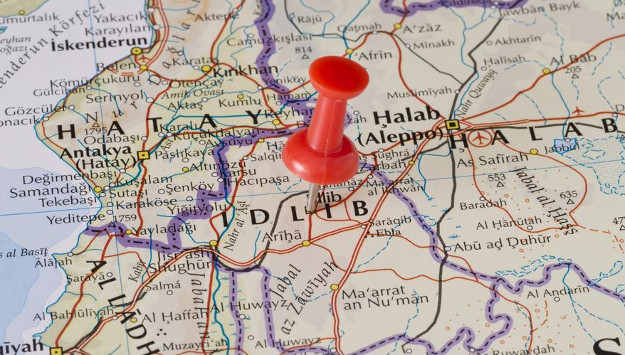
Turkey has three options to tackle a looming threat to its national security emanating from the situation in Syria’s Idlib Province, according to an an
The Middle East Dialogue, a regional Track 1.5 group in which officials and non-officials from the region and beyond meet to discuss current issues in their personal capacities, met May 12-13 in Malta. Read the full report (PDF).
Iran Seeks to Play Major Role in Syria’s Economic Revival, Reconstruction
An Iranian official said on Thursday that his country is ready to meet Syria’s all trade needs and emphasized that Iranian companies are eager to help the war-torn country’s reconstruction.
Pro-Assad Forces and Hezbollah Launching Operation along Syrian-Lebanese Border
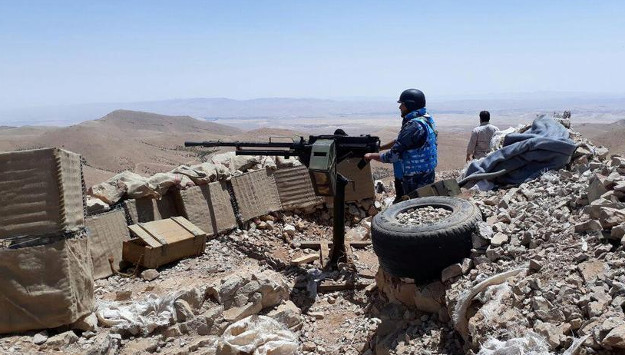
The Syrian pro-government forces and the Lebanese Hezbollah are set to launch a joint operation along the Syrian-Lebanese shared border against Islamic State militants, Fars News Agency reported on Friday. Quoting unnamed sources from Syria, Fars, which is affiliated with the Islamic Revolution Guards Corps (I.R.G.C.), added that the Syrian government has sent a large military contingent of the Syrian Army forces and the National Defense Forces personnel to the western part of the Qalamoun Mountains to support the upcoming operation near Lebanon’s border.
U.S. Mobilizing Rebels in Syria’s Northeast to Capture Deir Ezzor, I.R.G.C. Outlet Warns
The U.S.-led coalition fighting the Islamic State in Syria and Iraq is planning on establishing a “ground force” composed of Syrian rebels led by Ahmad al-Jarba, the leader of al-Qad Movement, to “occupy” eastern Syria, warns Fars News Agency, an Iranian outlet affiliated with the Islamic Revolution Guards Corps (I.R.G.C.).
Diplomatic Moves Signal Possible De-escalation of Regional Conflicts
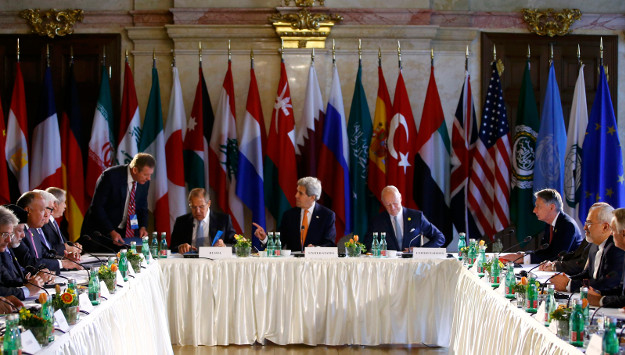
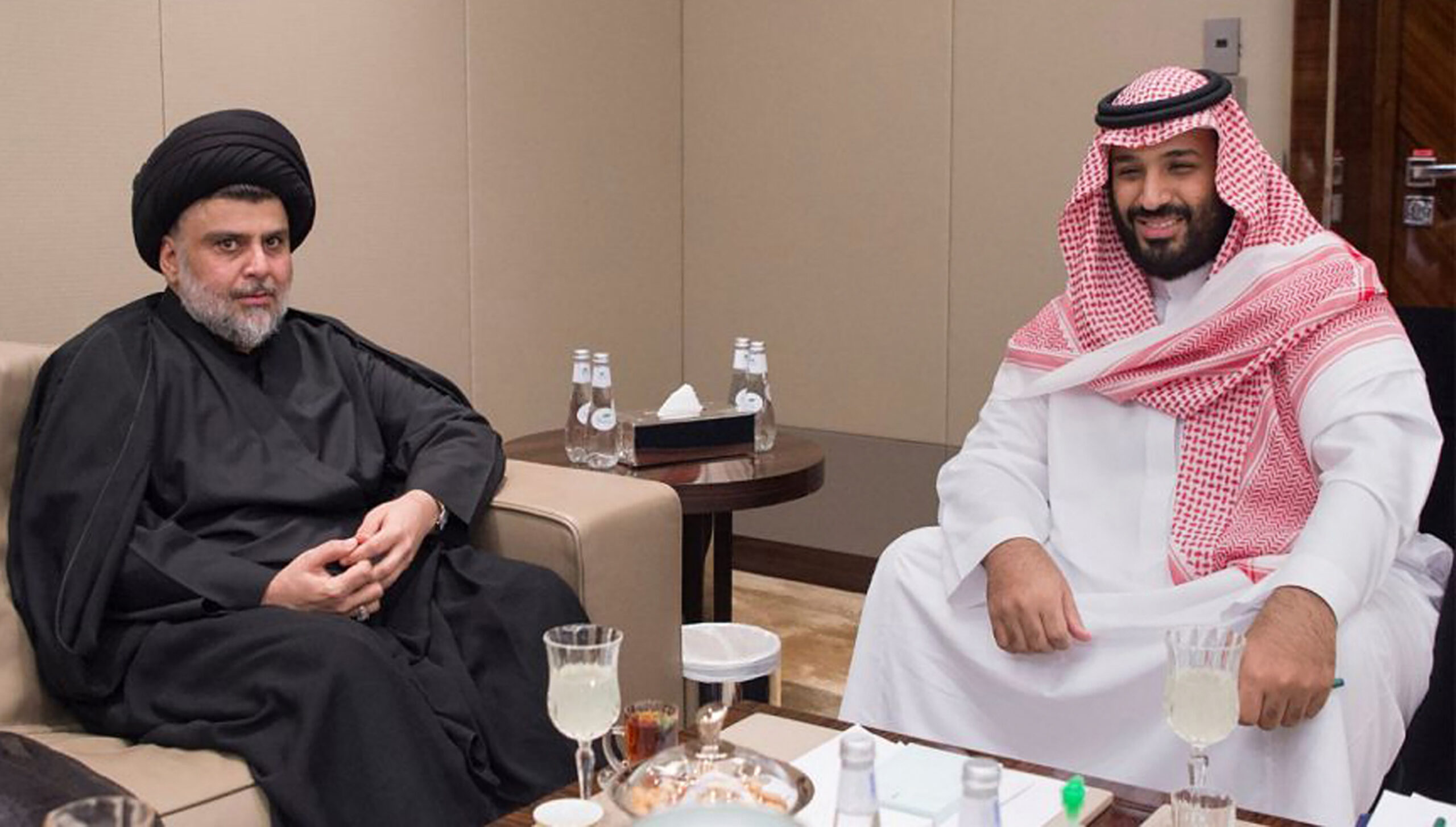
Do a series of recent diplomatic moves by Saudi Arabia signal an opportunity for de-escalation of regional conflicts in Iraq, Syria, and Yemen? MEI scholars Gerald Feierstein, Randa Slim, and Charles Lister join Paul Salem to discuss the dynamics playing out between Riyadh and Tehran as the war against ISIS enters its final phase.
Monday Briefing | Is the Middle East Tilting toward De-Escalation?
In this week’s Monday Briefing, MEI experts Paul Salem, Gonul Tol, Alex Vatanka, and Jonathan M. Winer provide analysis on recent and upcoming events including Saudi Arabia’s diplomatic engagements in the region, Turkey’s consideration of military operations in northern Syria, Iranian President Rouhani’s centrist cabinet nominations, and Libyan leaders’ decision between greater cooperation or renewed confrontation.
I.R.G.C. Outlet: Seizure of al-Sukhnah Helps Regime Operations in Raqqa and Deir Ezzor
The recent seizure of al-Sukhnah region in Syria’s Homs Governorate has prepared the ground for the Syrian Army and its foreign allies to advance toward and capture the oil-rich Deir Ezzor Governorate, according to
Iran-Backed Iraqi Militia Group Vows to Fight with Hezbollah against Israel
Harakat al-Nujaba, an Iranian-supported Iraqi militia group, has announced that it will support the Lebanese Hezbollah in the fight against the “occupying Zionist regime” of Israel, Fars News Agency, which is affiliated with the Islamic Revolution Guards Corps (I.R.G.C.) reports.