Skip to Content

Research & Commentary Results

Filter by
2987 Results
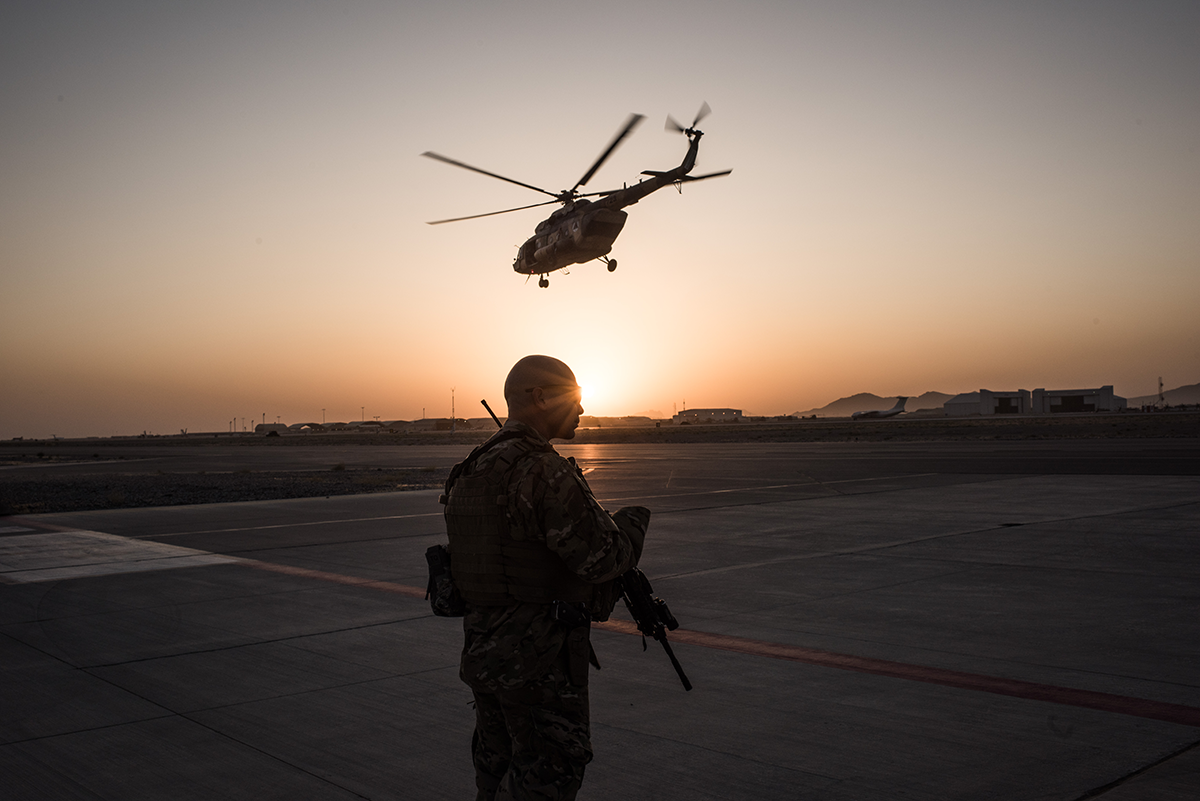
Now is the time for difficult conversations on Afghanistan
Photo by Andrew Renneisen/Getty Images
  • Commentary
  • Now is the time for difficult conversations on Afghanistan

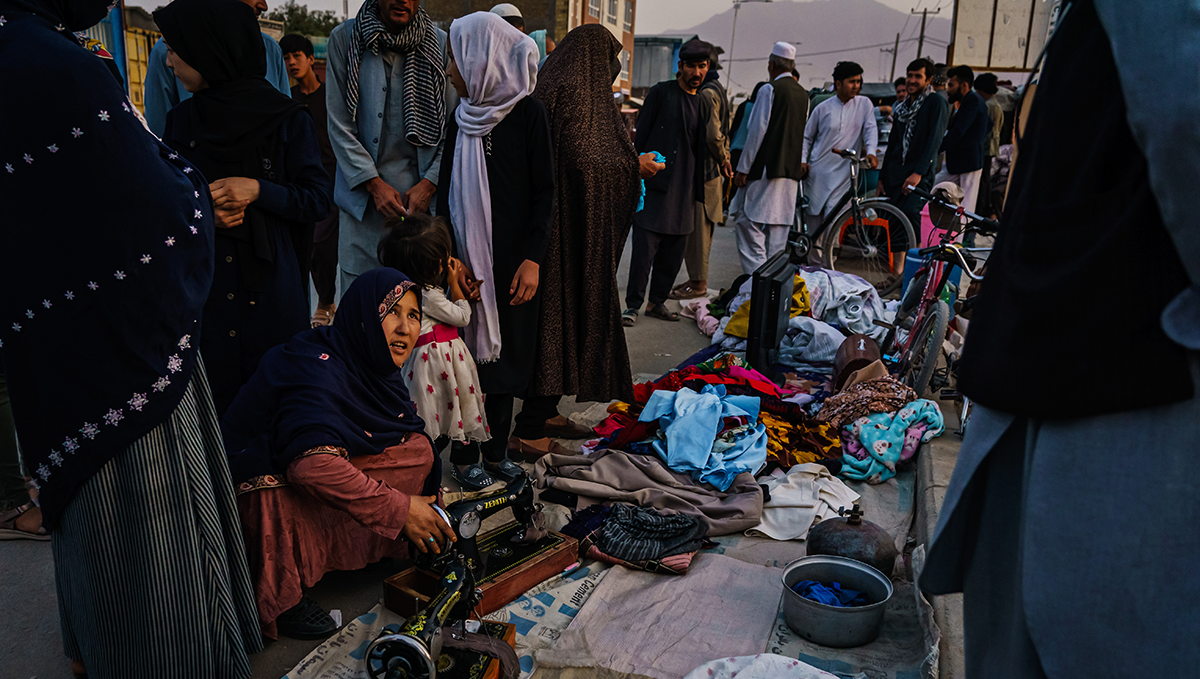
    The debate about whether Afghanistan was worth thousands of U.S. lives and a trillion U.S. taxpayer dollars should have occurred before those lives were lost and the money was spent. The decision to pull out our remaining 2,500 troops was made after all of that was done. That minimal number of troops preserved everything we fought for in the last two decades. We had significantly reduced the risk to our forces and the expense to the U.S. taxpayer. 

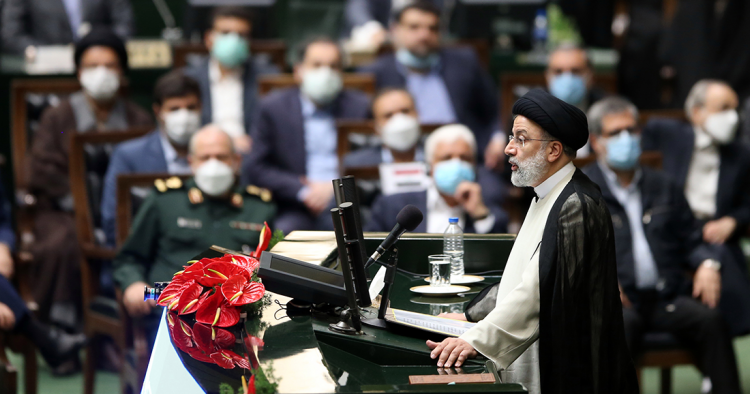
    Iran and Africa: Why Tehran will boost its ties with the continent under the Raisi administration
    Photo by Meghdad Madadi/ATPImages/Getty Images
  • Analysis
  • Iran and Africa: Why Tehran will boost its ties with the continent under the Raisi administration

    The inauguration of President Ebrahim Raisi has been heralded as the advent of a “New Iran” by the ultra-conservative camp. Although the Iranian authorities are still interested in the revival of the JCPOA, Raisi represents a resistance discourse that believes Iran has to focus on thwarting the sanctions instead of trying to lift them by means of political negotiations. The focal point of this worldview is the expansion of relations with non-Western countries, and Africa plays a central role in this effort.

    August 11, 2021

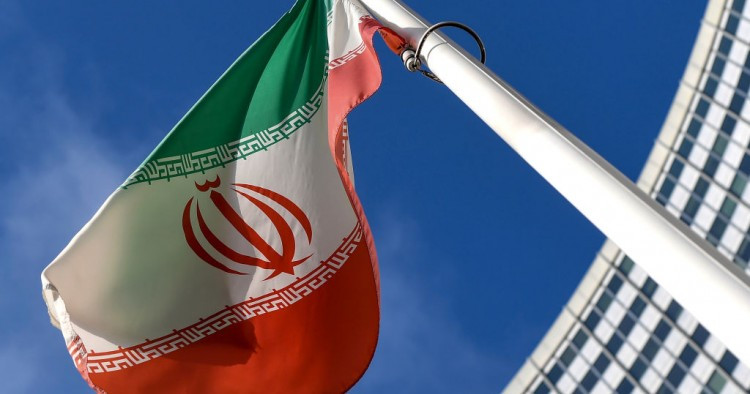
    The tyranny of low expectations
    Photo by Majid Saeedi/Getty Images
  • Commentary
  • The tyranny of low expectations

    Incoming Iranian President Ebrahim Raisi may break the mold of his predecessor by exceeding expectations in his first 100 days, but make no mistake—less horrific is still horrific; no one should be fooled.

    August 10, 2021

    Ebrahim Raisi and the future of Iran
    Middle East Institute
  • Podcast
  • Ebrahim Raisi and the future of Iran

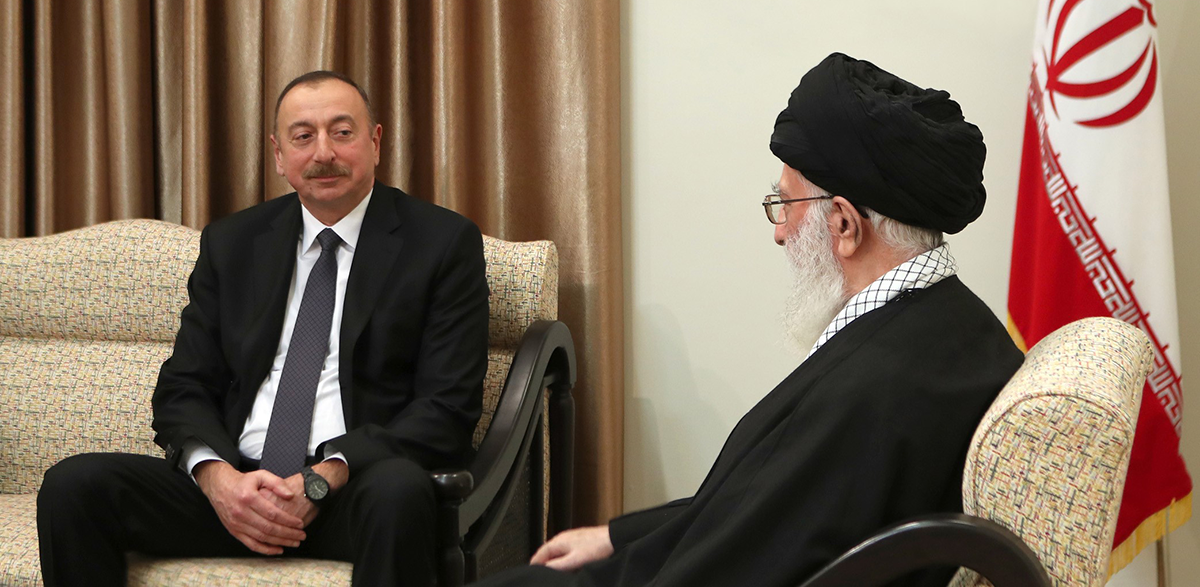
    Ebrahim Raisi was sworn in as Iran’s new president on August 5. Ali Alfoneh and Henry Rome join guest host Alex Vatanka, director of MEI’s Iran Program, to discuss the political and economic challenges the new president will contend with, his relationship to Ayatollah Khamenei, and the future of Iran and the country’s leadership.

    August 6, 2021

    Iran’s decision-makers must shoulder the blame for its water crisis
  • Commentary
  • Iran’s decision-makers must shoulder the blame for its water crisis

    Iran’s water bankruptcy has been in the news lately, prompting deadly protests in Khuzestan province that also garnered the attention of global media. But this kind of problem is neither new or unique in the country. Drying rivers, vanishing lakes, shrinking wetlands, declining groundwater levels, land subsidence, sinkholes, desertification, soil erosion, dust storms, air, water and waste pollution, biodiversity loss, deforestation and wildfires are among the other familiar signs of Iran’s environmental devastation.

    August 5, 2021

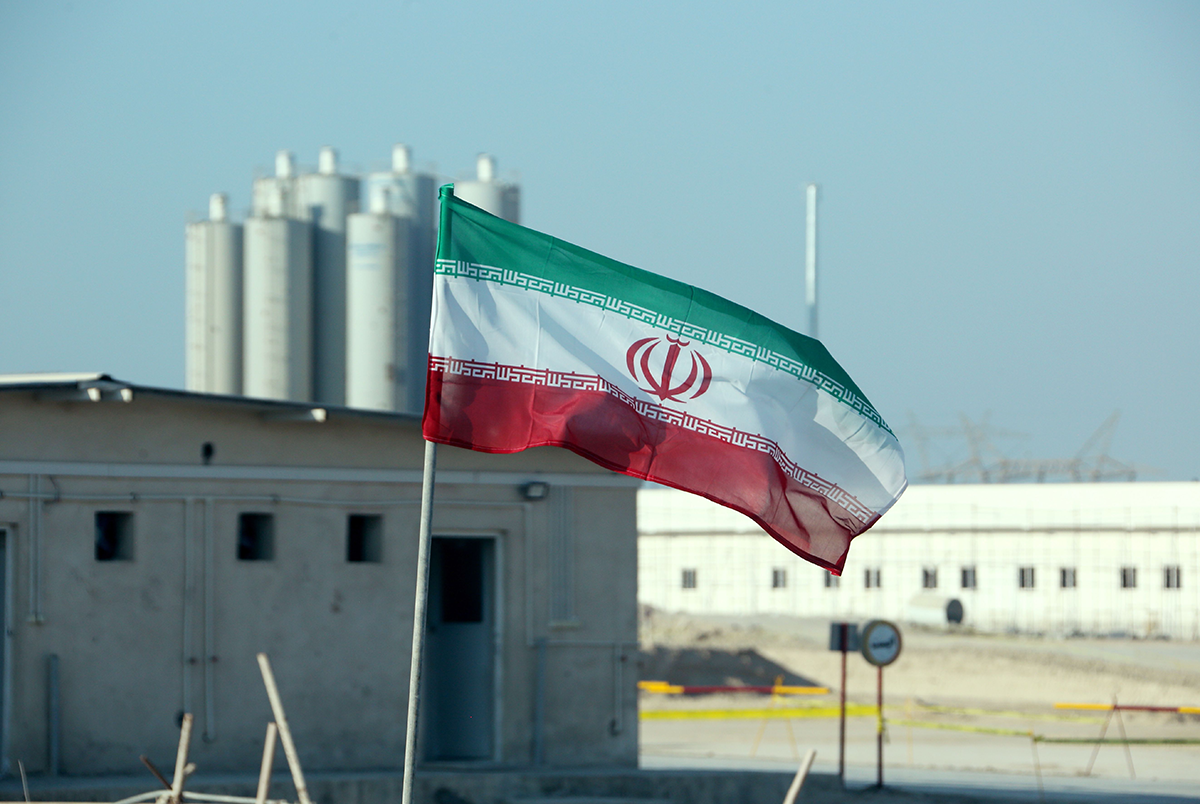
    Can the IRGC-Taliban honeymoon continue? (Part 2)
    Photo by TASNIM NEWS/AFP via Getty Images
  • Analysis
  • Can the IRGC-Taliban honeymoon continue? (Part 2)

    the years leading up to the U.S. invasion of Afghanistan, the Taliban had strained relations with Iran. Tensions between the two sides escalated to the point that the Iranian government and the Quds Force actually assisted American forces during the 2001 U.S.-led invasion.

    July 30, 2021

    Can the IRGC-Taliban honeymoon continue? (Part 1)
    Photo by Sobhan Farajvan/Pacific Press/LightRocket via Getty Images
  • Analysis
  • Can the IRGC-Taliban honeymoon continue? (Part 1)

    Tehran’s policy toward the Afghan Taliban has created new clashes within Iranian government circles. These clashes recently escalated as influential hard-line media and associates of the Islamic Revolutionary Guard Corps (IRGC) made public efforts to portray the Taliban in a positive light. 

    July 30, 2021

    Missing the bigger implications of US withdrawal from Afghanistan
    Photo by BRENDAN SMIALOWSKI/AFP via Getty Images
  • Analysis
  • Missing the bigger implications of US withdrawal from Afghanistan

    As the United States exits from Afghanistan, on the eve of the 20th anniversary of the 9/11 attacks, it is important to reflect on the broader and longer-term reverberations of that withdrawal. In examining the withdrawal, peace process, and the recent dynamic of militia building and Taliban control, it’s becoming clear that a different transnational threat to U.S. interests is emerging.

    July 29, 2021

    Afghanistan’s neighbors contend with Taliban at their borders
    Photo by BANARAS KHAN/AFP via Getty Images
  • Analysis
  • Afghanistan’s neighbors contend with Taliban at their borders

    The U.S. withdrawal from Afghanistan is not yet complete, but Afghanistan’s neighbors are already contending with its fallout as they face the immediate spillover of the conflict into their respective territories. The insurgency has reached the borders of all of Afghanistan’s neighbors, who are choosing to both engage the Taliban while also bolstering defensive and deterrent measures to contain the insurgency. While the net loser in all this is the Afghan state, the Taliban may be overplaying their hand. Should they rule most of Afghanistan, they could end up governing an isolated country deprived of the foreign aid it needs to function.

    July 29, 2021

    The future of US cooperation with Pakistan
    Photo by AAMIR QURESHI/AFP via Getty Images
  • Analysis
  • The future of US cooperation with Pakistan

    The United States and Pakistan have had a complex and often disappointing “love-hate” relationship since 1947 — one severely tested during the 20-year U.S.-led intervention in Afghanistan. We believe the time has come for serious policy consideration of whether and how both nations can achieve a more strategically beneficial and sustainable post-intervention relationship between the American and Pakistani governments and their populations

    After Afghanistan: Western militaries and the rise of new strategic threats
    Photo by HAUKE-CHRISTIAN DITTRICH/POOL/AFP via Getty Images
  • Analysis
  • After Afghanistan: Western militaries and the rise of new strategic threats

    The withdrawal from Afghanistan marks the end of a historic chapter. It involves more than just the conclusion of a drawn-out international military engagement in Afghanistan. Rather, it signals the end of a decades-long phase in which Western militaries placed the broader Middle East and the fight against international terrorism at the center of their strategic attention. With competition between the great powers on the rise, Western militaries have realized their current vulnerabilities vis-à-vis near-peer competitors and the need to shift gears.

    July 26, 2021

    Turkey and the Taliban
    Photo by SAJJAD HUSSAIN/AFP via Getty Images
  • Commentary
  • Turkey and the Taliban

    In a politically significant statement, Turkish President Recep Tayyip Erdoğan has asked the Afghan Taliban to “end the occupation of their brothers’ soil.” This follows a Taliban warning of severe consequences if Turkey were to remain in charge of security at Kabul Airport after the exit of American troops. Erdoğan’s message is likely to be interpreted differently by different stakeholders in the unfolding Afghan tragedy, a situation characterized by escalating violence, political uncertainty, and regional chaos.

    July 23, 2021

    What's next for Afghanistan?
    Middle East Institute
  • Podcast
  • What's next for Afghanistan?

    Marvin Weinbaum, Husain Haqqani, and Mick Mulroy join host Alistair Taylor to discuss the future of Afghanistan following the imminent US military withdrawal.

    July 22, 2021