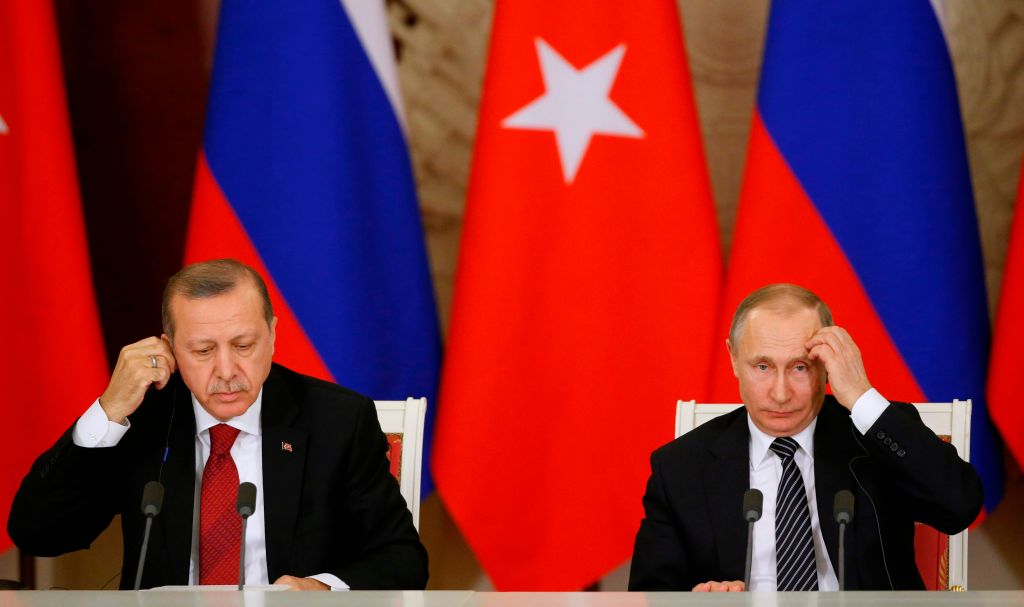
Turkey, Russia and the escalation in Nagorno-Karabakh
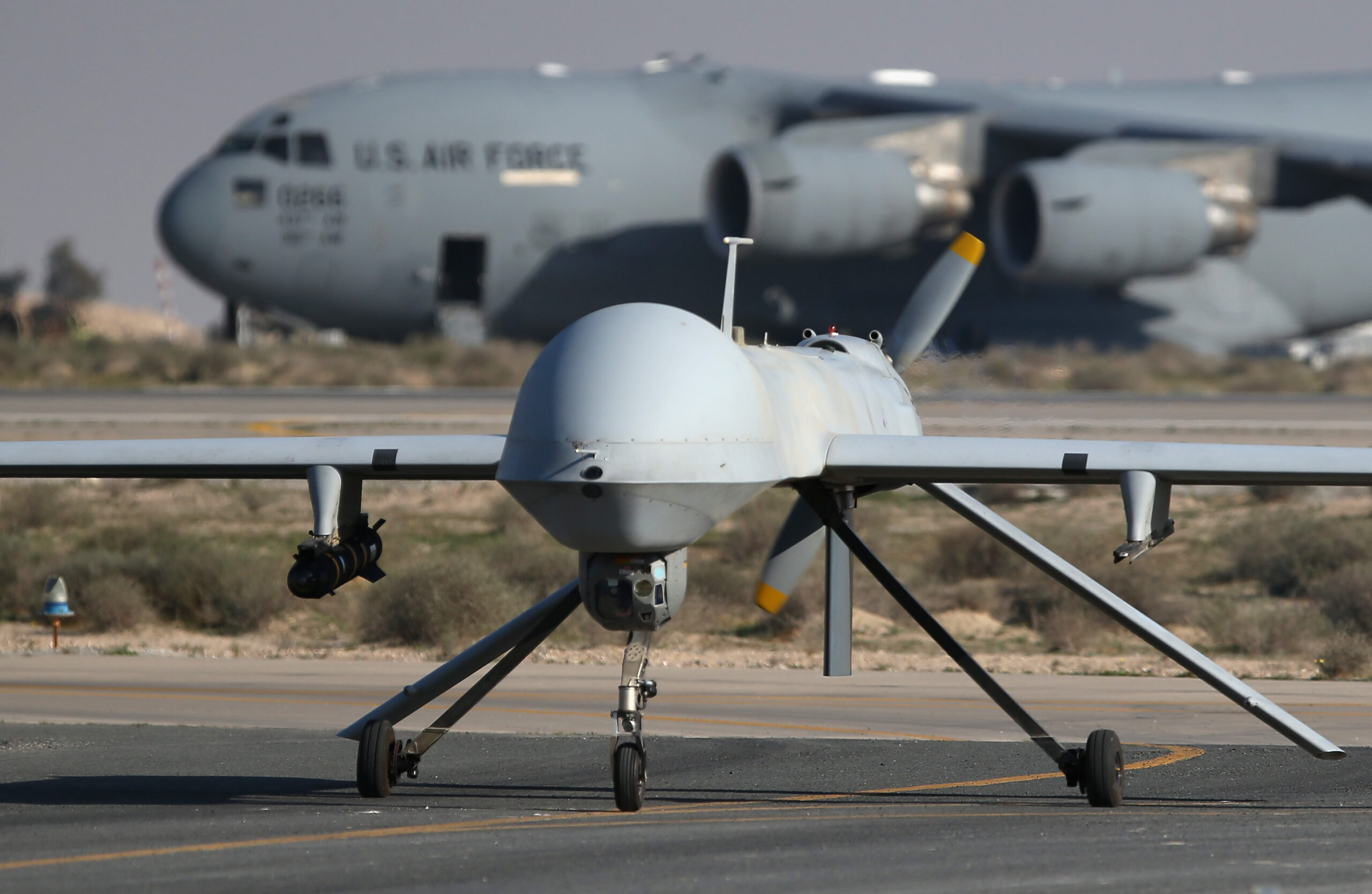
On September 27, hostilities broke out between Armenia and Azerbaijan in the disputed region of Nagorno-Karabakh (NK). Following several days of fighting, the region is now witnessing the worst escalation of tensions since the early 1990s. This time, Azerbaijan’s efforts are boosted by Turkey’s readiness to render robust military support.
As the United Arab Emirates (UAE) and Bahrain move forward with their separate processes to normalize relations with Israel, the question that seems to be on the mind of many, both in Washington and in the region, is whether or when the Saudis will follow.
Monday Briefing: Will Russia and Turkey face off over Nagorno-Karabakh?
This week’s briefing on recent news and upcoming events in the region featuring Maxim A. Suchkov, Ibrahim Jalal, Eliza Campbell, Alex Vatanka, and Marvin G. Weinbaum.
Abkhazia, Georgia and COVID: An opportunity from crisis
As with nearly everywhere in 2020, the Caucasus has been hit hard by the coronavirus pandemic. While Armenia has registered by far the most cases of the three internationally recognized South Caucasian states, it’s another regional territory where the pandemic’s effects are being felt most broadly: the breakaway Georgian province of Abkhazia.
Challenges of economic integration in the Black Sea
Countries in the Black Sea region have largely failed to integrate with their neighbors, despite common levels of openness and dependence on foreign trade. For many countries in the region, trade has become a driving force for growth, accounting for on average one-third of regional GDP. However, Black Sea supply chains largely connect the region to the outside world – primarily Europe and Asia – instead of neighboring countries. Highly integrated trade relationships, like those seen in Southeast Asia, simply do not exist amongst Black Sea countries.
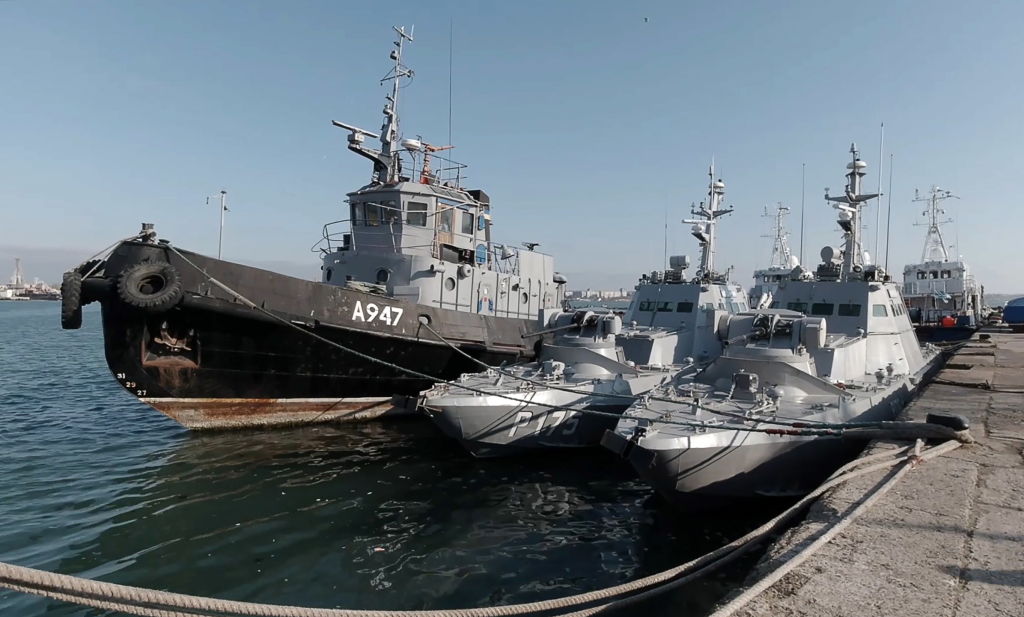
Russian dominance in the Black Sea: The Sea of Azov
Since its annexation of Crimea, Russia has spent the past few years militarizing the peninsula. But one aspect of Russia’s control of Crimea is less discussed in Western policy circles—the importance of the Sea of Azov to Russia’s Black Sea ambitions. Russian control of Crimea does not only bring the goal of turning the Black Sea into a Russian lake closer, control over Crimea gives Russia dominance over the Sea of Azov.
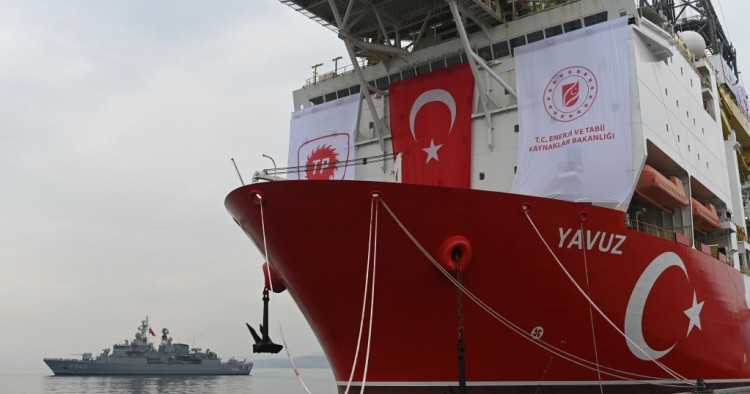
Ideology, and not just energy, explains Turkey's Mediterranean disruptions
Over the next few days, European Union leaders will meet to discuss potential sanctions against Turkey based on Ankara’s aggressive energy claims against EU members Greece and Cyprus. Conflicting interests within the EU itself will likely preclude the bloc from actually imposing sanctions. But at the core of the recent crisis between Greece and Turkey lies a dangerous ideological model—not a mere dispute over energy resources.
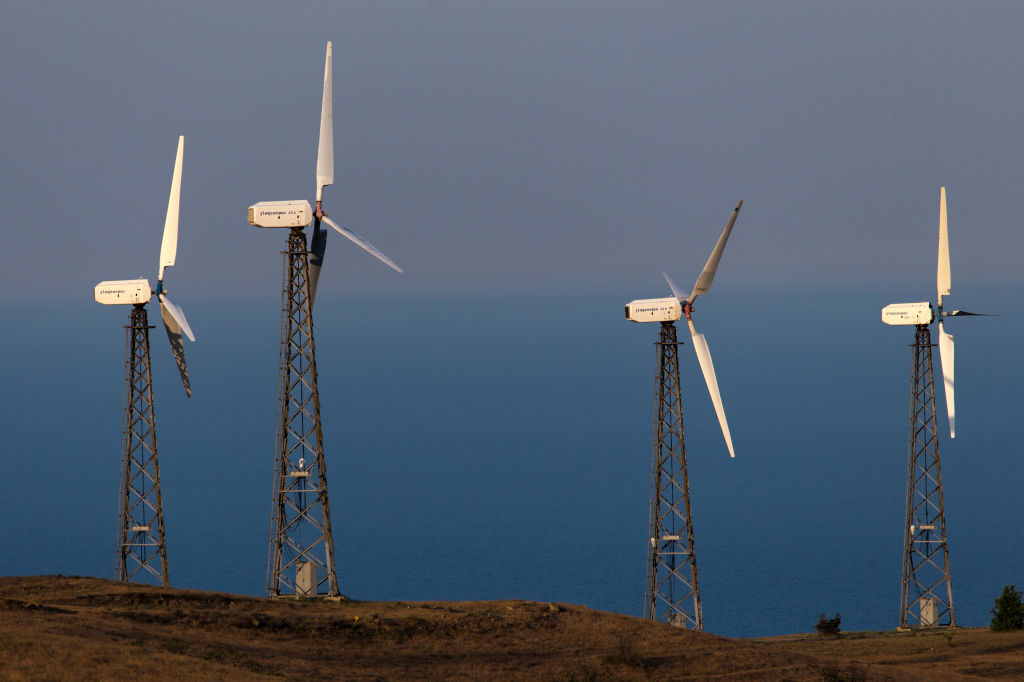
Socioeconomic effects of energy transition in the Black Sea
Energy transition is the shift from burning fossil fuels for electricity, heating, cooking, or transportation, to low carbon generation such as nuclear facilities or wind and solar power plants. For all countries, the energy transition process is laborious and raises challenging financial and social concerns. But this process comes with additional geopolitical dilemmas in a region such as the Black Sea basin.
Trump, the CIA, and our disorienting Iranian policy ride
Understanding President Donald J. Trump’s position on Iran over the two remaining months until the November election is no feat for the fainthearted. Depending on the source to which one subscribes, Trump is either provoking conflict with Iran or working a secret back channel to secure a deal, both variables purportedly intended to support his election prospects. So which is it? Or can it be both?
Since the inception of its Belt and Road Initiative (BRI) in 2013, China has substantially expanded its political, legal, trade, economic, educational, scientific, and cultural presence in the Black Sea region. The People’s Republic of China (PRC) has pursued various initiatives with the littoral states to open new markets for Chinese goods, acquire local industries through loans and investments, and most importantly build infrastructure connecting China with Europe and the Middle East via the Black Sea.
Will COVID-19 hasten the rise of lethal autonomous weapons?
The latest figures from the Pentagon indicate that the total number of COVID-19 cases among members of the U.S. military has topped 60,000 since the onset of the pandemic. COVID-19 and other similar outbreaks could become an increasingly important consideration in the calculus of future military deployments. They could add impetus to the Pentagon’s development of lethal autonomous weapons or at least be cited as a perfect reason to do so. This could, in turn, have significant implications for the future of both U.S. military operations in the Middle East and the U.S. military presence in the region.
Syria Still Matters: Charting a Strategic Approach to Syria Policy
Nine years of conflict in Syria has had a profoundly destabilizing effect on regional and international security. Although overarching dynamics have changed, the crisis is far from over — it is merely evolving. All of the conflict’s root causes remain in place and many have worsened. In controlling less than two-thirds of the country, the Syrian state and its Russian and Iranian backers are increasingly incapable of addressing the many challenges they face: economic collapse and inflation, fledgling insurgencies, a resurgent ISIS, a COVID crisis, and endemic corruption and mismanagement. What happens in Syria never stays in Syria. The United States cannot afford to prematurely withdraw or sustain today’s inconsistent and ill-considered policy — it must step up, re-assert its leverage, strengthen its partners, mobilize its allies, and move determinedly toward protecting American interests and helping to diplomatically resolve the crisis once and for all, creating space for foreign actors, the U.S. included, to depart Syrian soil responsibly.
Beijing’s military industry on the move in Ukraine
Ukraine’s long-term stability will depend on its economic prosperity. As a transitioning economy, trade and investment are welcome and needed whether from the U.S., Europe, or China. Ukraine finds itself walking a thinning tightrope between the U.S. and China as their relationship turns increasingly adversarial. If Washington wants to keep Chinese activity in this economy to a minimum, the present and future administrations must more rapidly and directly coordinate American trade and investment in Ukraine.
Can Turkey lead the way in regional cooperation on Black Sea gas?
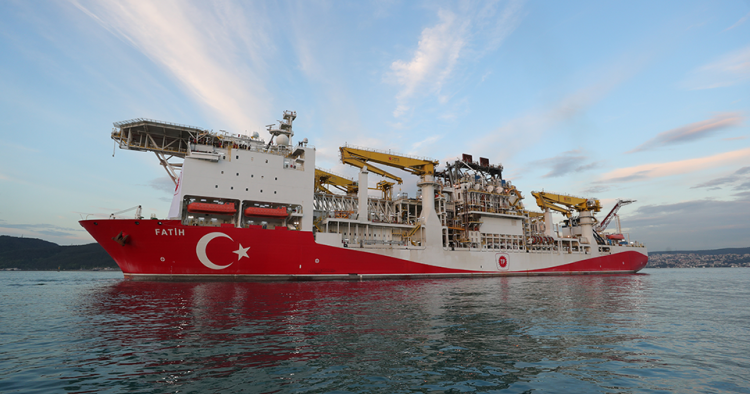
On August 22, Turkey announced the discovery of Tuna-1. Though questions remain as to whether it is economically viable to start production – President Recep Tayyip Erdogan has suggested this could happen as early as 2023 – the news could not go unnoticed in other littoral countries of the Black Sea. The discovery may well help spur regional cooperation.