The Gulf State That Might Get Israel and Iran Talking
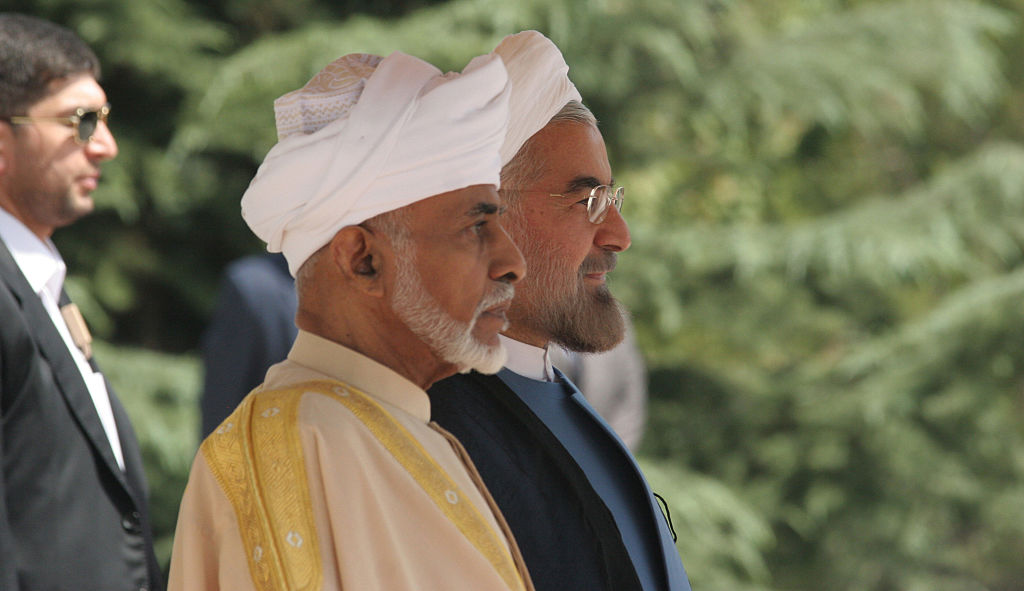
Despite the risks of war between the U.S. and Iran, a narrow diplomatic opportunity exists. But it is not between Washington and Tehran, but rather between Jerusalem and Tehran.
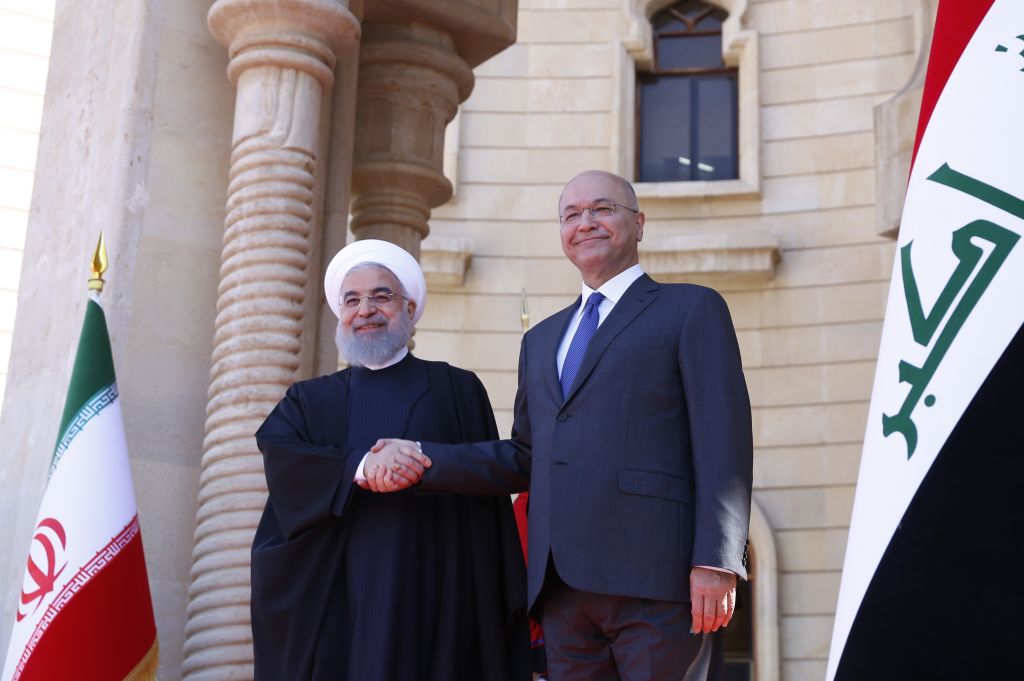
Although relations between the neighbors have had their ups and downs, Tehran has invested deeply in Iraq, both politically and economically, and these investments will only multiply in the short term. After all, U.S. sanctions on Iran have made Iraq an essential link in Iran’s potential chain of commerce. How such plans play out will put the Iranians, the Iraqis, and the administration of U.S. President Donald Trump to the test.
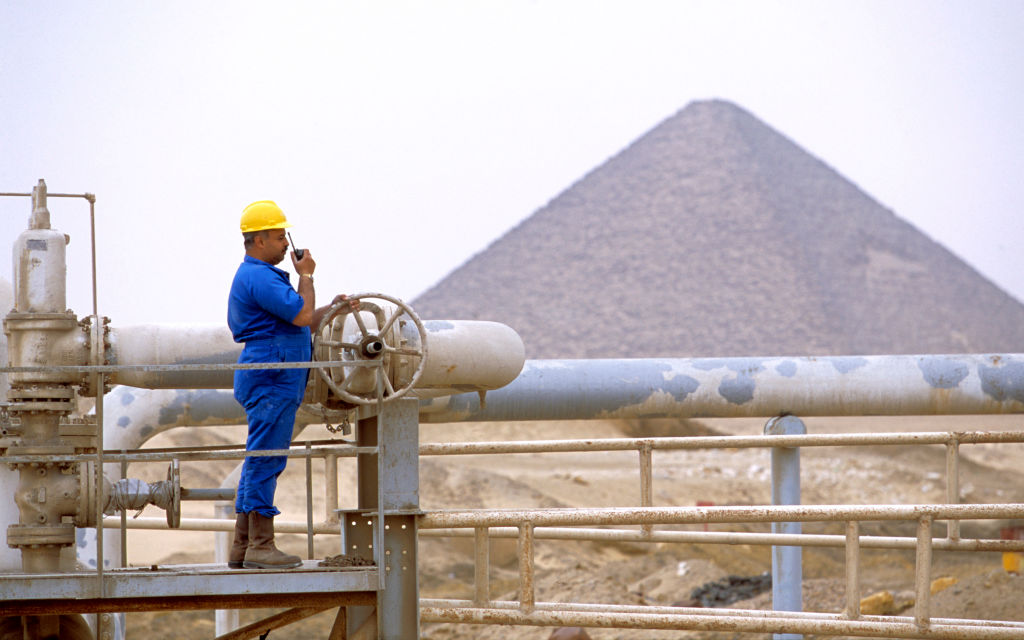
Competition for security and energy is at the center of recent developments in the Eastern Mediterranean. Countries from Egypt to Turkey are moving to secure, exploit, and market their (not always fair) share of the game-changing offshore natural gas reserves. Russia, China, and Iran are securing port facilities, and in the case of Russia, drilling rights, in Lebanon and Syria.
Monday Briefing: Bahrain workshop is little more than a kabuki show
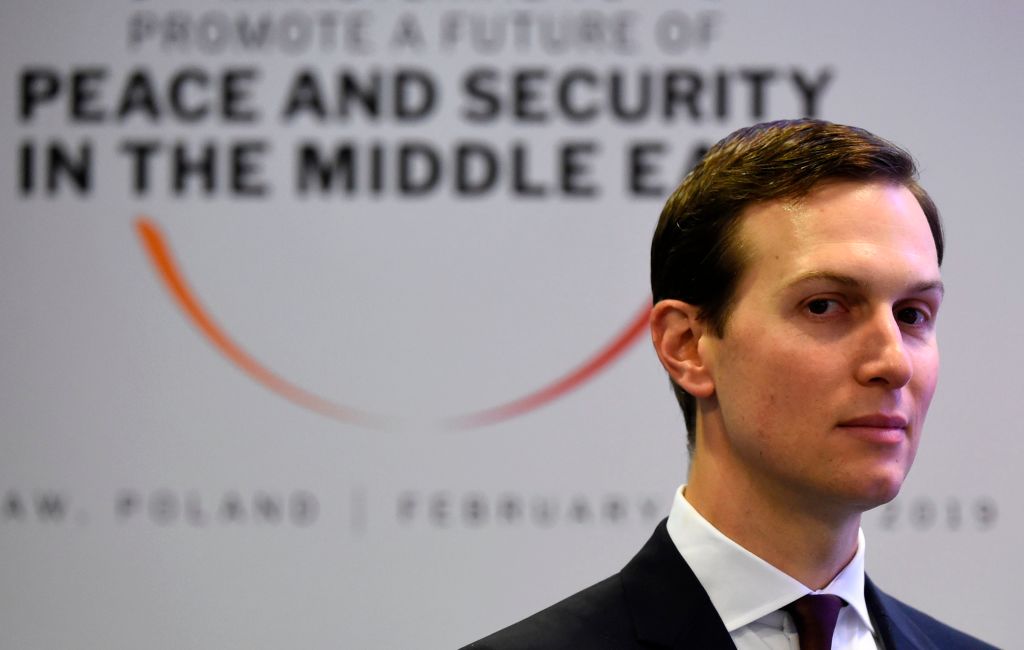
In this week’s Monday Briefing, MEI experts Gerald Feierstein, Guney Yildiz, Nathan Stock, Elizabeth Dent, and Eran Etzion provide analysis on recent and upcoming events including this week’s Bahrain “workshop” on Palestine’s economic development, an opposition victory in Istanbul’s rerun election, the release of a portion of the Trump administration’s Israel-Palestine peace plan, the fracturing of the Global Coalition to Defeat ISIS, and Tuesday’s trilateral meeting between the U.S., Israel, and Russia.
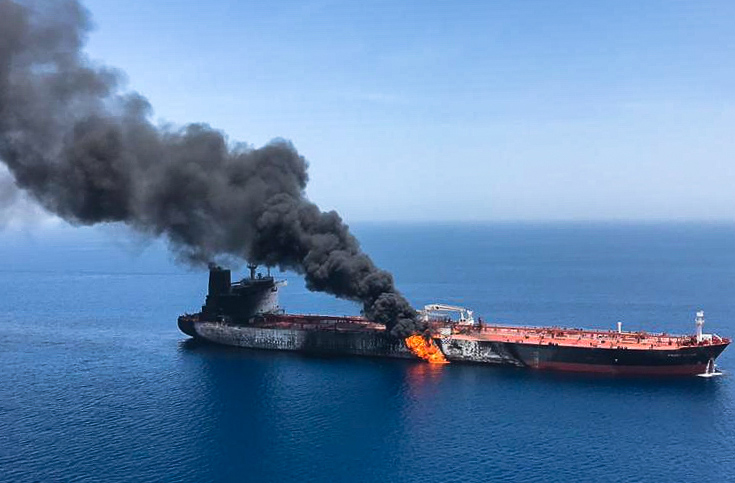
The U.S. and Iran are locked in conflict. Regardless of the details or culpability regarding the latest attack on two tankers in the Gulf, the conflict is centered on Washington’s “maximum pressure” campaign and Tehran’s response that it will not sit idly by while its economy is brought to its knees. Paul Salem sketches out five possibilities for where things might be headed.
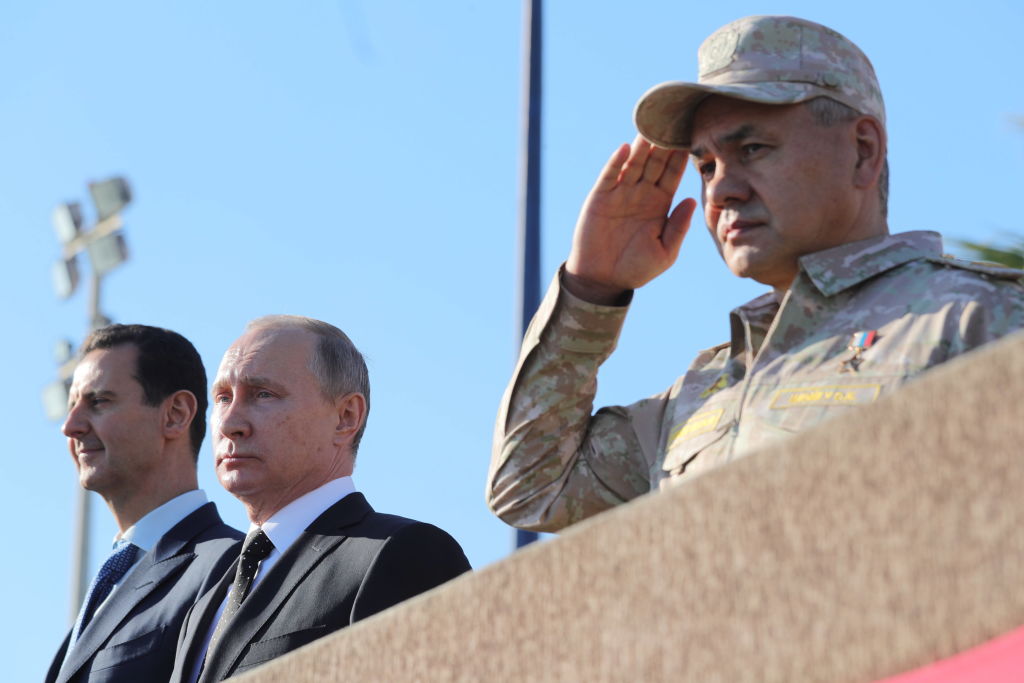
Coastal breakdown in Syria creates opportunities for Russia
The growing power of paramilitary groups and the response of Bashar al-Assad’s foreign backers illustrates how local skirmishes over smuggling routes can have much broader geopolitical implications as Russia gains ground at the expense of both the regime and Iran.
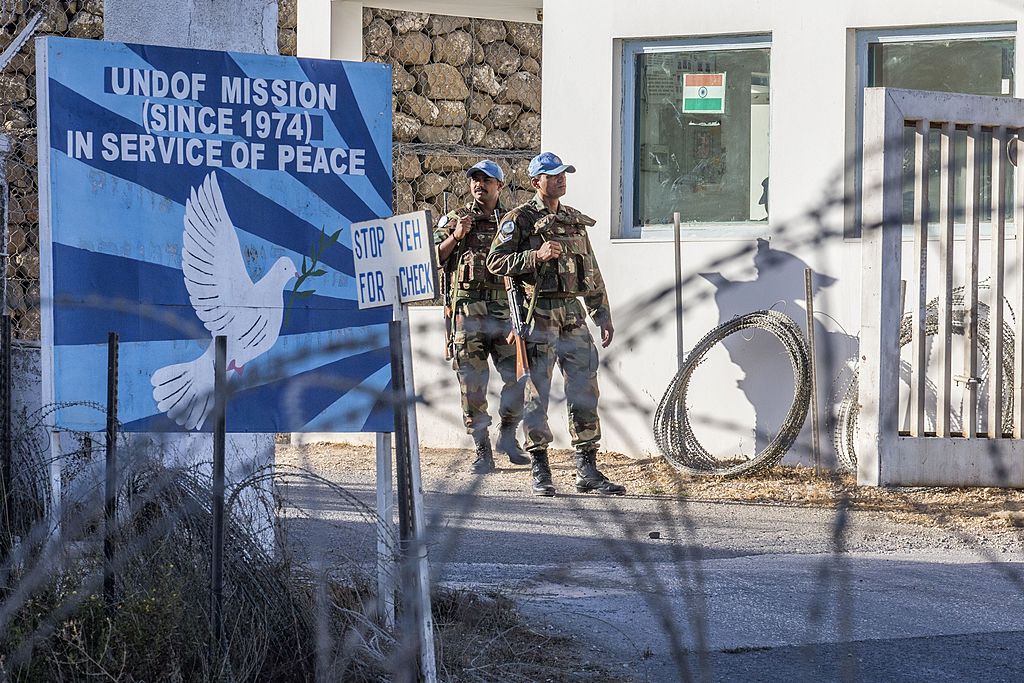
What does Trump’s Golan proclamation mean for UNDOF?
Sometime in June the UN Security Council will vote to approve another six-month renewal of the mandate of the 1000-strong UN Disengagement Observer Force (UNDOF) deployed in the Golan Heights. For more than four decades, the UN Security Council has unanimously renewed the mission’s mandate to maintain the ceasefire between Israel and Syria, but this will be the first time it has come up for a vote since President Donald Trump signed a proclamation recognizing Israeli sovereignty over the area of the Golan Heights on March 25th.
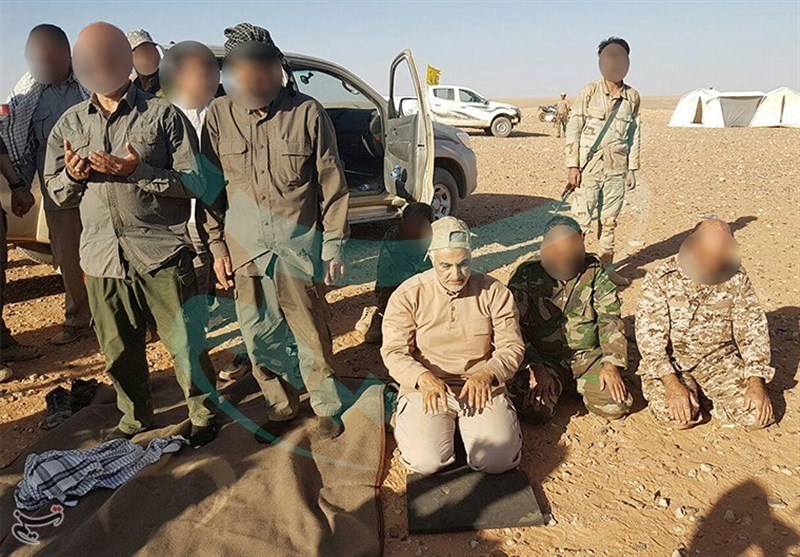
Understanding the Fatemiyoun Division: Life Through the Eyes of a Militia Member
Approximately 10,000-20,000 Afghan men, mostly from the Hazara ethnic group, have fought in Syria in support of the government of President Bashar al-Assad. Organized by Iran and led by the Islamic Revolutionary Guard Corps and other affiliated groups, they have gathered under the banner of the so-called “Fatemiyoun” Division. This is the story of one of those men, Mohammed Jalil Dinsta, told through selections from his writings, alongside relevant analysis.
The growing economic and political role of Iraq’s PMF
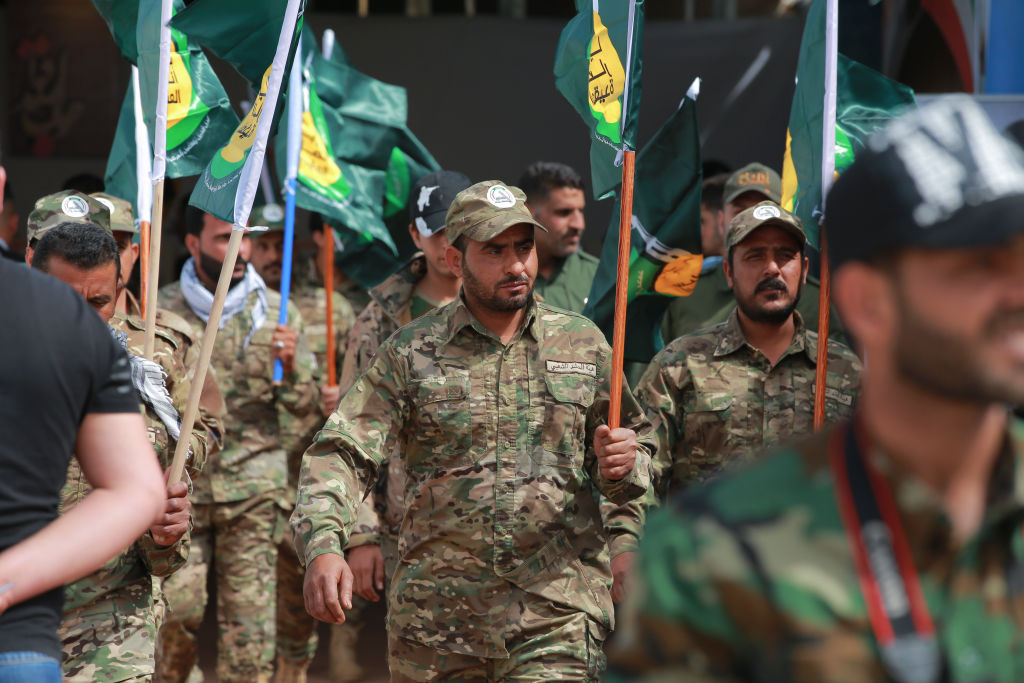
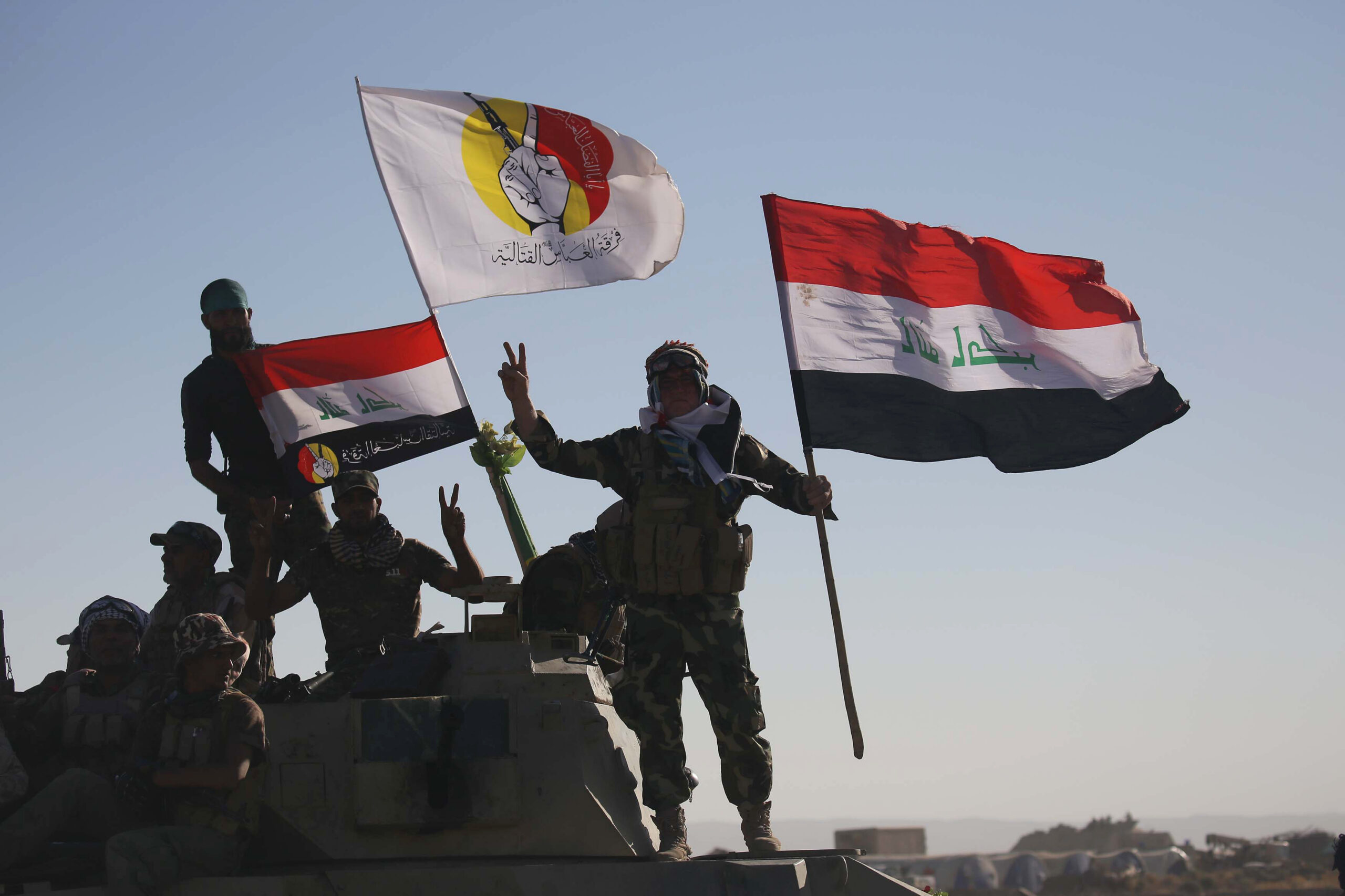
Conditions in Iraq since the defeat of ISIS’s territorial “caliphate” justify both optimism and concern at the same time. One issue where there has been much hand wringing but few practical suggestions for what to do is that of the popular mobilization forces (PMF). As the main campaign against ISIS drew to a close, many of the PMF’s leaders sought to translate their fighters’ battlefield sacrifices into political and economic gains.
With tensions rising, are we heading toward conflict in the Gulf?
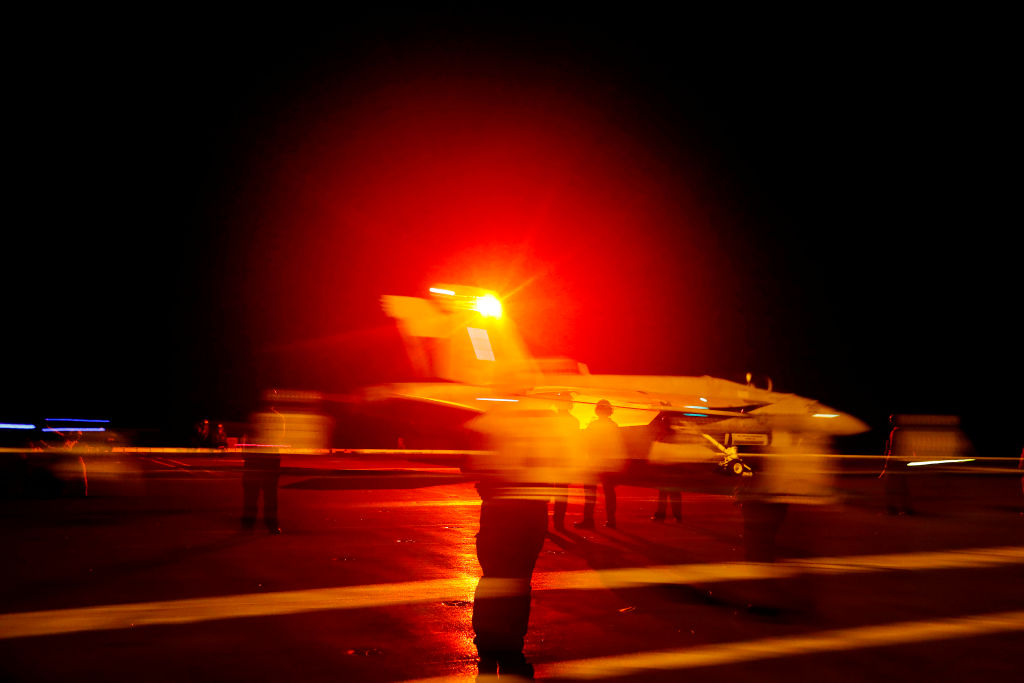
Since the Trump administration refused to extend waivers for Iranian oil exports expiring on May 2nd, the U.S. and Iran have engaged in a cycle of escalating threats and actions. The U.S. has further ratcheted up its “maximum pressure” campaign by adding new sanctions, and in the last few days, the turmoil has deepened as the region absorbed reports of mysterious sabotage against tankers in Emirati ports, apparent Houthi drone attacks on Saudi oil facilities, and news that the Trump administration is contemplating substantial deployments of U.S. military personnel to the region.
Iraq: A Conflict Over State Identity and Ownership
At the heart of the conflict in Iraq has been a clash of visions over the identity and ownership of the Iraqi state. The post-2003 conflict was, in effect, a violent renegotiation of both the political compact in place since the 1960s and of the balance of power among regional and international players.
Challenges threaten the rise of Turkey’s defense industry
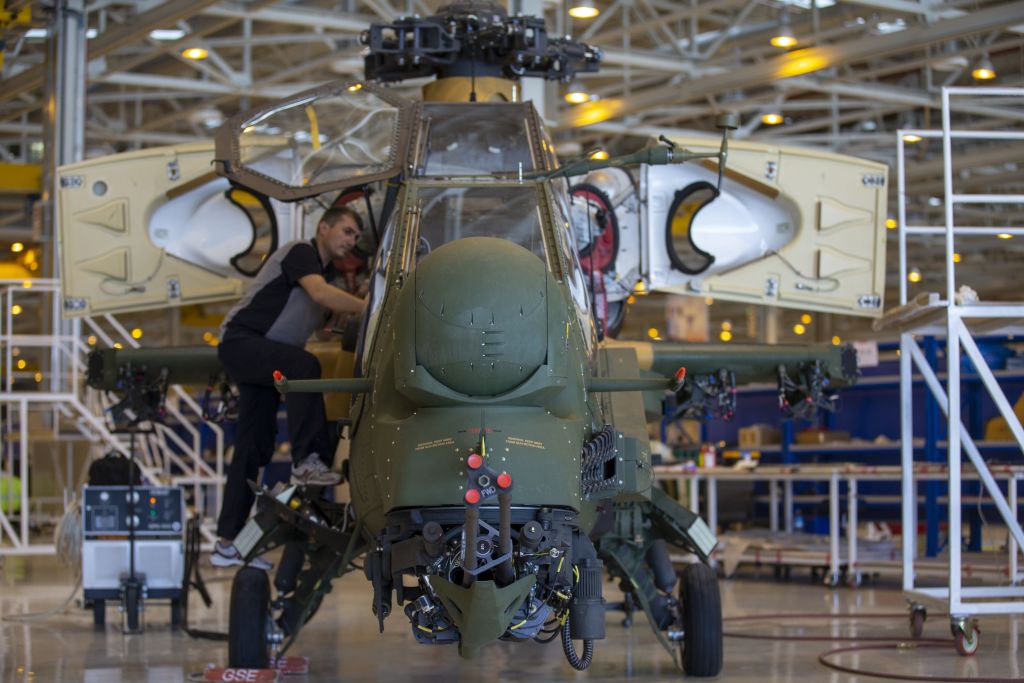
Building up Turkey’s defense industry has long been a priority for the government, and it has made considerable progress. Turkey is now the world’s 14th largest defense exporter. Despite its success to date, the industry is facing growing pains, and challenges like brain drain, a currency crisis, dependence on foreign suppliers, and regional political disputes could hamper growth going forward.
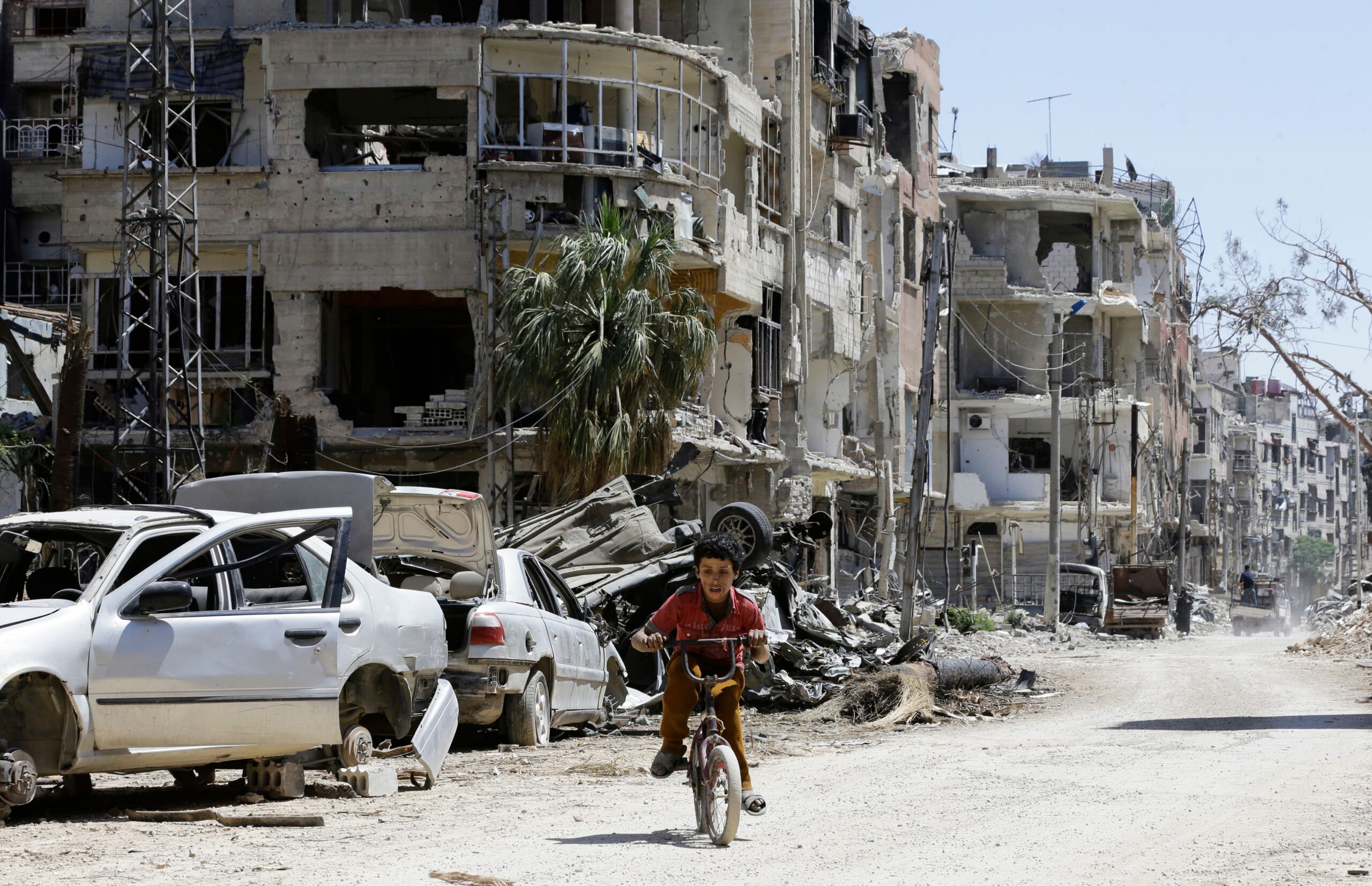
Forgotten Lives: Life Under Regime Rule in East Ghouta
A “black hole” of information, East Ghouta is a dark example of the reimposition of the Assad regime’s rule over a community once controlled by the opposition. This paper, produced in association with ETANA Syria, shines a light on what the regime’s military rule looks like on the ground and the resulting human rights violations against the population, and details the scale of the Iranian presence in key strategic locations around Damascus.
Much analysis of the geopolitical ramifications of President Omar al-Bashir’s ouster last month has focused on how Sudan fits into the larger struggle between the Middle East’s Sunni powers, but Iran is also part of the equation as well. Saudi and Emirati leaders have a number of objectives in Sudan and preventing the Islamic Republic from re-establishing a foothold in Africa is one of them. Indeed, Riyadh and Abu Dhabi are determined to ensure that Khartoum remains firmly in the anti-Iranian camp, following its realignment between 2014 and early 2016.
The Syrian Civil War: A New Stage, but Is It the Final One?
Eight years on, the Syrian civil war is finally winding down. The government of Bashar al-Assad has largely won, but the cost has been steep. The economy is shattered, there are more than 5 million Syrian refugees abroad, and the government lacks the resources to rebuild. The country remains divided into three zones, each in the hands of a different group and supported by foreign forces. The Syrian government will not accept partition and is ultimately likely to reassert its control in the other two zones.