Iranian Media Weighs Pros and Cons of Tehran’s Role in Gulf Crisis
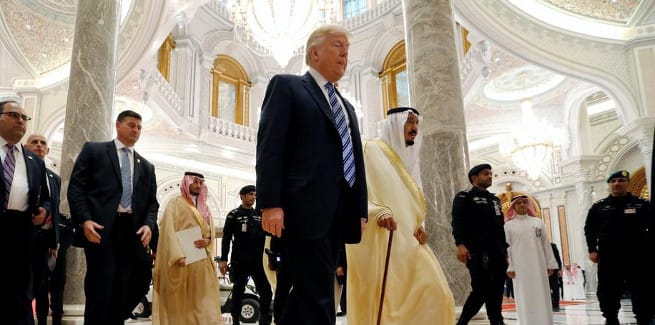
After President Donald Trump’s visit to Riyadh last month, Iranian leaders were worried about the creation of a U.S.-supported alliance of regional Arab states led by Saudi Arabia to counter Irani
Can the Trump Admin get its Act Together on G.C.C. Crisis? | Monday Briefing
In this week’s Monday Briefing, MEI experts Gerald Feierstein, Robert S. Ford, Alex Vatanka, and Ruba Husari provide analysis on the Trump administration’s handling of the G.C.C. crisis, how Iran and energy markets have responded to it, and the escalating conflict in eastern Syria.
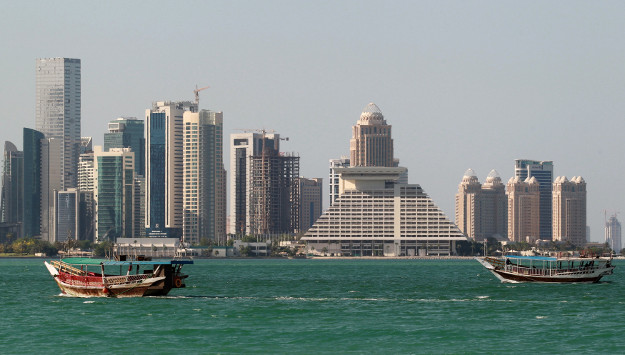
Those visiting Doha are often told by locals that the city is the epicentre for political deal-makings in the Middle East. If you just want to do business, go to Dubai, the Qatari political elites are fond of saying.
One way to understand the depths of the animosity that blew up the myth of brotherhood and cooperation among the monarchies of the Arab Gulf states on Monday is to look beyond the angry statements to a map published recently by the U.S. Energy Information Administration.
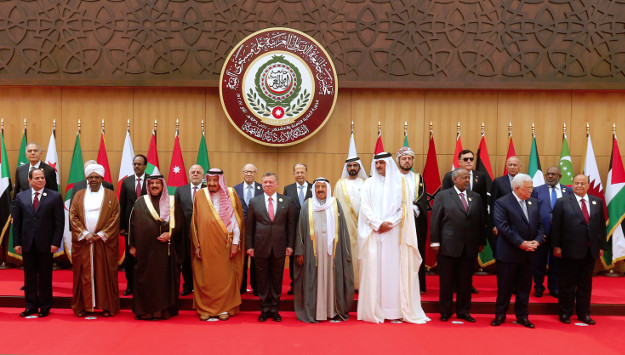
Citizens of the Gulf Cooperation Council (GCC) states woke up on Monday morning to what is the most severe crisis in the regional block’s 38 year history to date. In a closely coordinated series of statements, Saudi Arabia, Bahrain and the UAE, along with Egypt, announced the severing of ties with the peninsular state of Qatar.
G.C.C. Conflict Could Further Complicate U.S.-Turkey Relations | MEI Flash
A fierce spat between Qatar and leading Arab nations could add another complication to the already strained relationship between the United States and Turkey. Ankara wants to calm the tension, and Turkish President Recep Tayyip Erdogan has spoken by phone with the leaders of Qatar, Russia, Kuwait, and Saudi Arabia to reduce tensions. He has also expedited legislation to deploy troops to Qatar as part of a military agreement signed in 2014. President Donald Trump, however, supports, and even takes credit for, the Saudi move to isolate its smaller neighbor.
Iranian Officials and Media Outlets React to Gulf Crisis by Blaming U.S. and Saudi Arabia
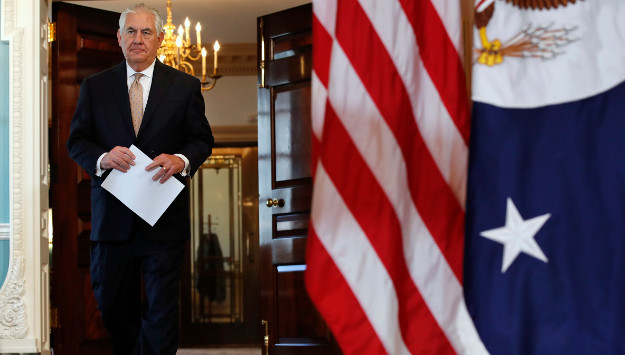
Iranian leaders and media outlets today reacted to a decision by Saudi Arabia and several other Arab nations to sever diplomatic and commercial ties with Qatar by blaming Washington and Riyadh for regional tension and discord. Alaeddin Boroujerdi, the chairman of Iranian Parliament’s Committee on National Security and Foreign Policy, said the rising tension is a direct result of President Donald Trump’s visit to the Middle East.
What Does Trump’s Visit to Saudi Arabia Mean for Russia?
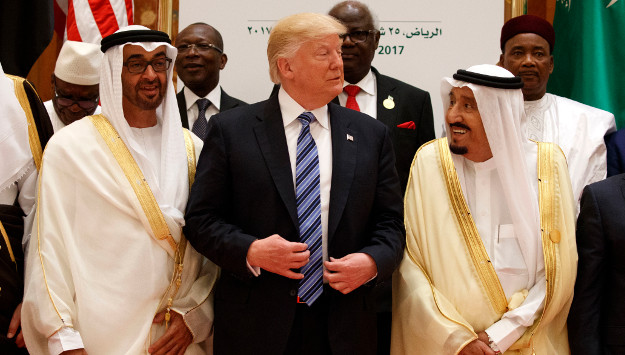
On May 20, President Donald Trump landed in Riyadh for the first stop of his nine-day Middle East and European tour. Many hoped that the president’s long-awaited trip would clarify his administration’s approach to the Middle East. As expected, the most important developments involved a $110 billion arms deal, anti-Iranian rhetoric and plans to establish an “Arab NATO.”
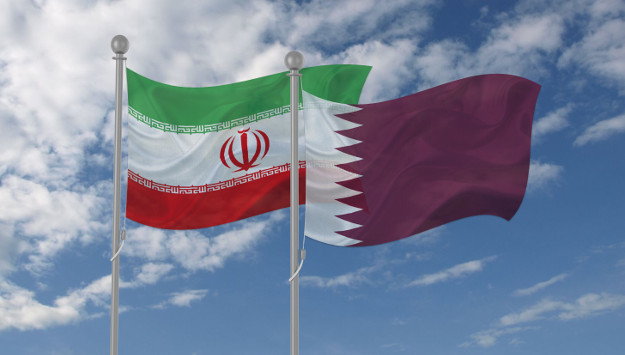
Iran Hopes Riyadh-Doha Tension Will Weaken anti-Iran Alliance
The Iranian media sees the heightening tension between Qatar and Saudi Arabia – two member states of the Gulf Cooperation Council (G.C.C.) – as an opportunity to weaken the U.S.-Arab alliance against Iran and its proxies in the region.
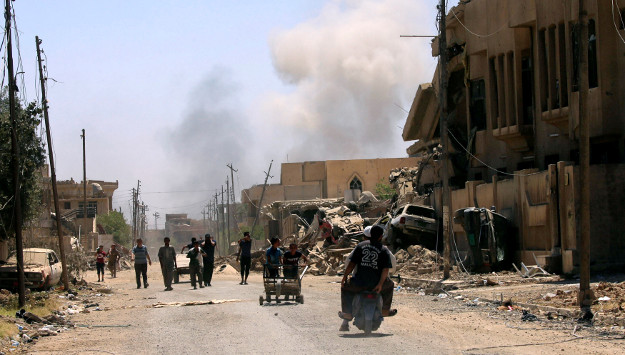
Final Phase of Mosul Battle Begins | Weekly Briefing
In this week’s Briefing, MEI experts Charles Lister, Gonul Tol, and Gerald Feierstein provide analysis on recent and upcoming events including the beginning of the final phase of the battle to retake Mosul, Germany’s consideration for withdrawing troops from Turkey, and Qatar’s fragile relations within the G.C.C.
The India-U.A.E. Strategic Partnership in Regional Context: A Zero-Sum Game?
Since the government of Narendra Modi took office in 2014, India and the U.A.E. have moved relatively quickly to consolidate their existing ties and to explore new areas of cooperation. During this time, they have elevated the relationship to a comprehensive strategic partnership, with the expressed intention of extending their cooperation to the security and defense spheres. This essay discusses these recent developments, with particular attention to the role of Pakistan as a constraining factor in India-U.A.E. relations going forward.
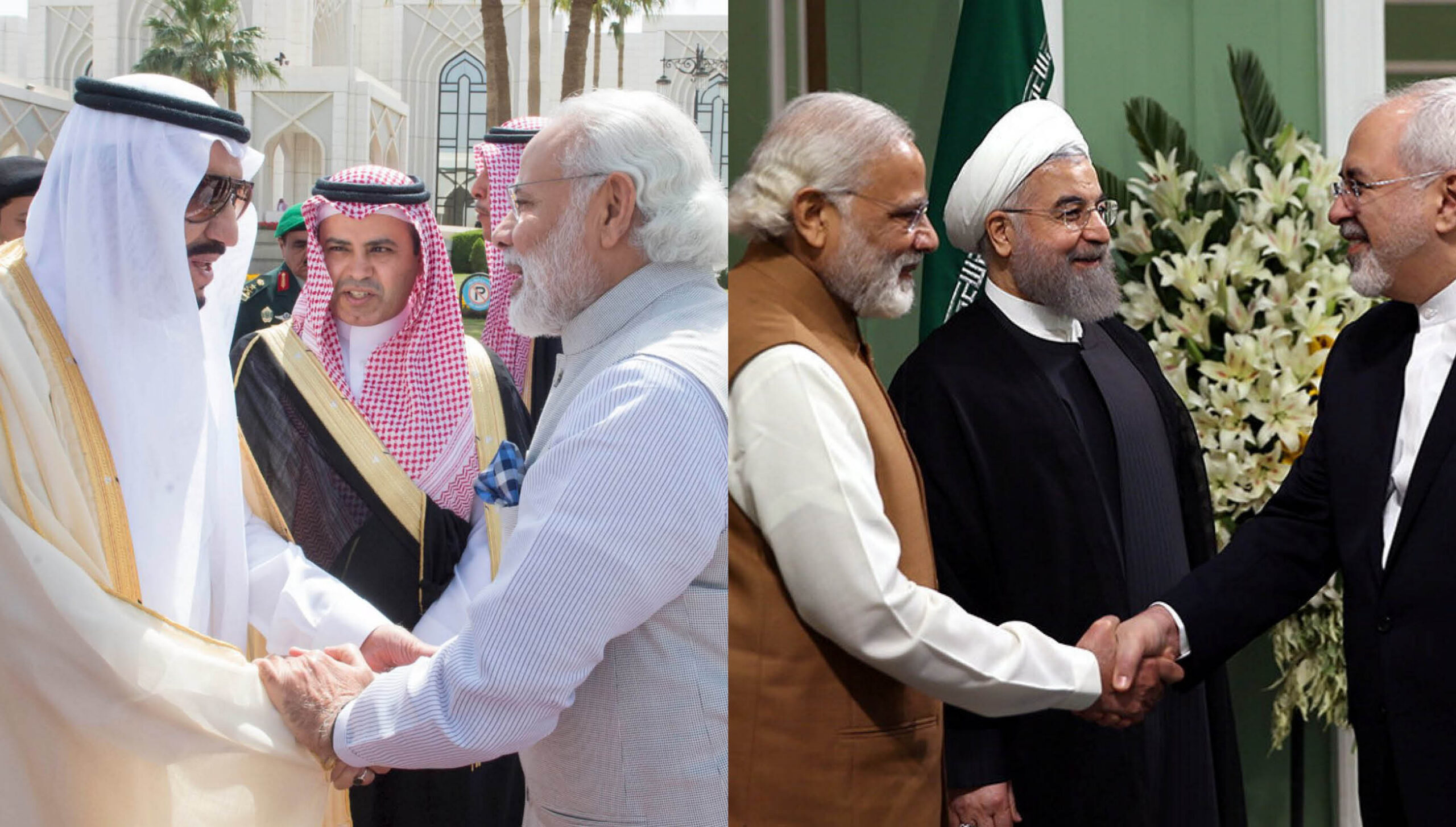
This essay discusses India’s increasingly extensive relations with the Gulf Arab countries and its equally important interest in continuing to develop mutually beneficial ties with Iran. The author argues that as India’s regional profile rises and its economic prowess expands, New Delhi will come under pressure to take sides — pressure to which Indian leaders must try their utmost not to succumb.
If President Trump travels to Riyadh later this month, as reported, he will find that the six leaders of the Gulf Coordination Council (GCC) countries hold widely divergent views on Iran, the extent of the Iranian threat, and how to resolve the conflict in Yemen.