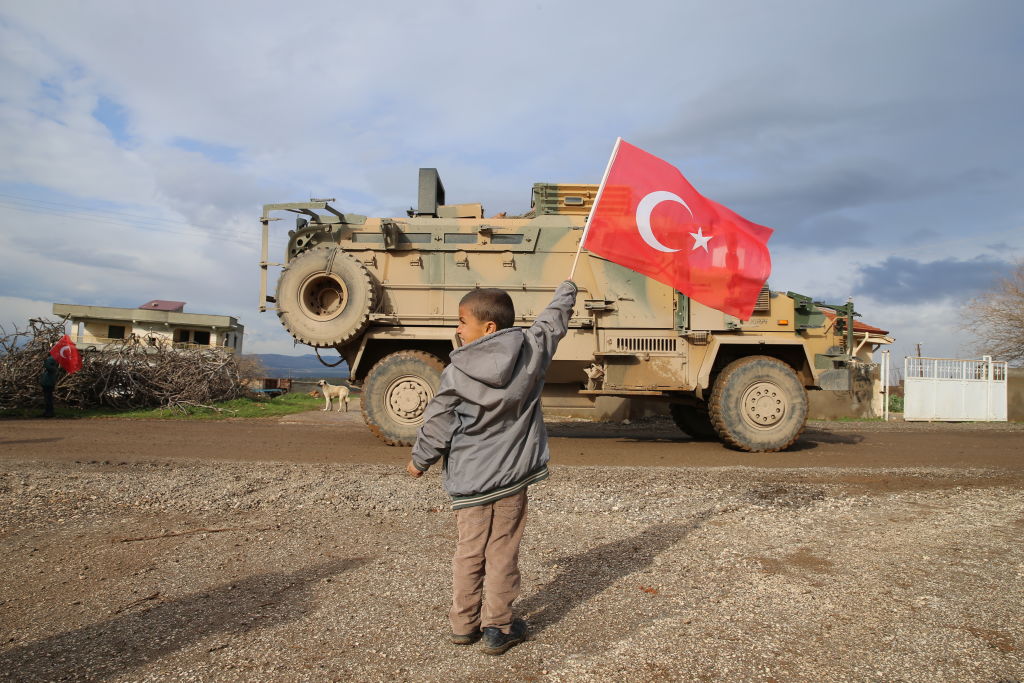
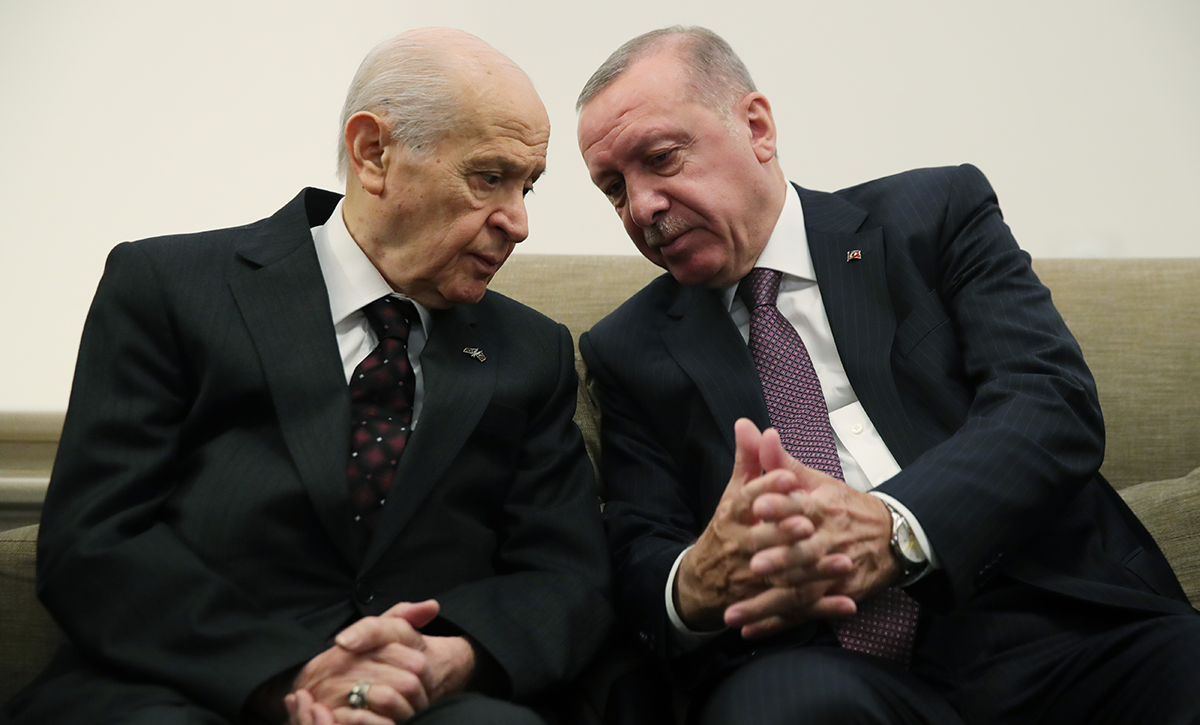
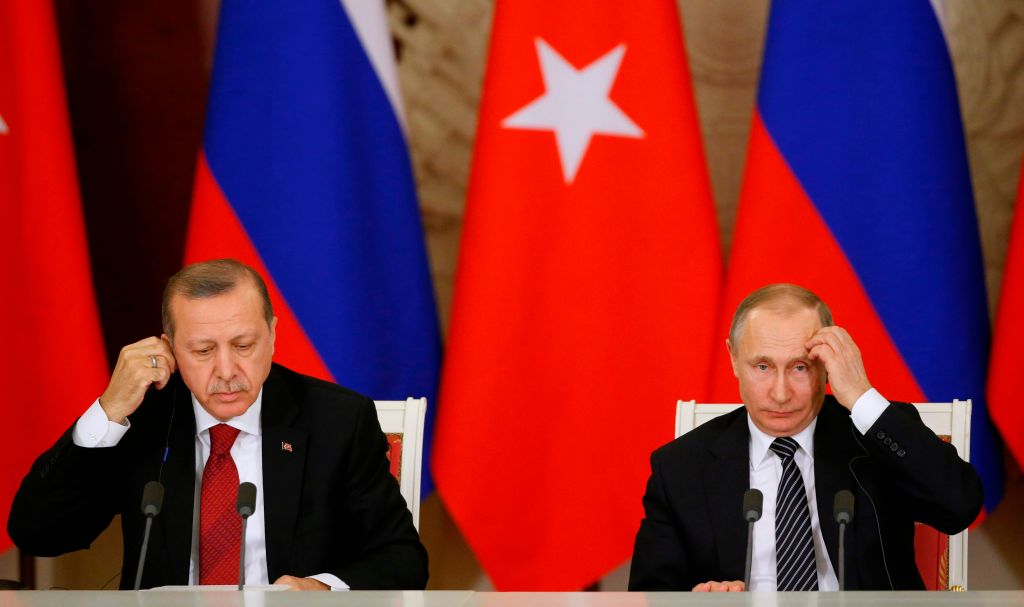
For those following Turkey, there is no doubt about who calls the shots. From the economy and landscape to the arts and sports, everything reflects the will and vision of one man: President Recep Tayyip Erdogan. To his supporters and many of his detractors, he is invincible and answers to no one but God. In reality, however, Erdogan has become increasingly reliant on Devlet Bahceli, the head of the hard-right MHP, who is playing a growing role in shaping his policies. And as Erdogan loses ground in the polls, Bahceli’s sway only increases.
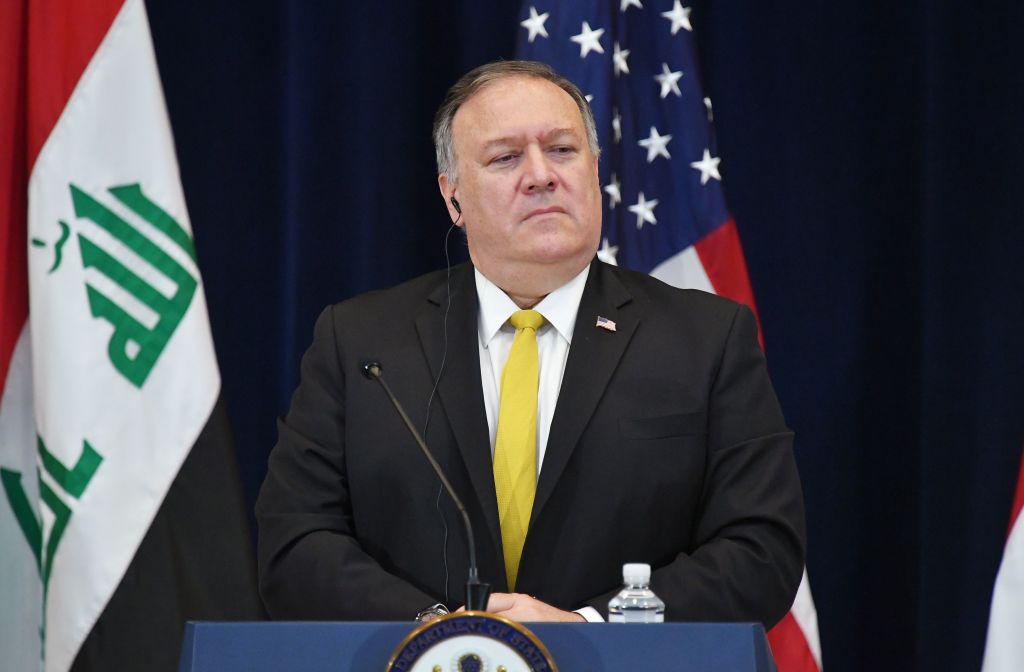
Monday Briefing: Will Washington risk a collapse in Iraq?
This week’s briefing on recent news and upcoming events in the region featuring Robert S. Ford, Gonul Tol, Paul Salem, Dr. Marwa Maziad, and Marvin G. Weinbaum.
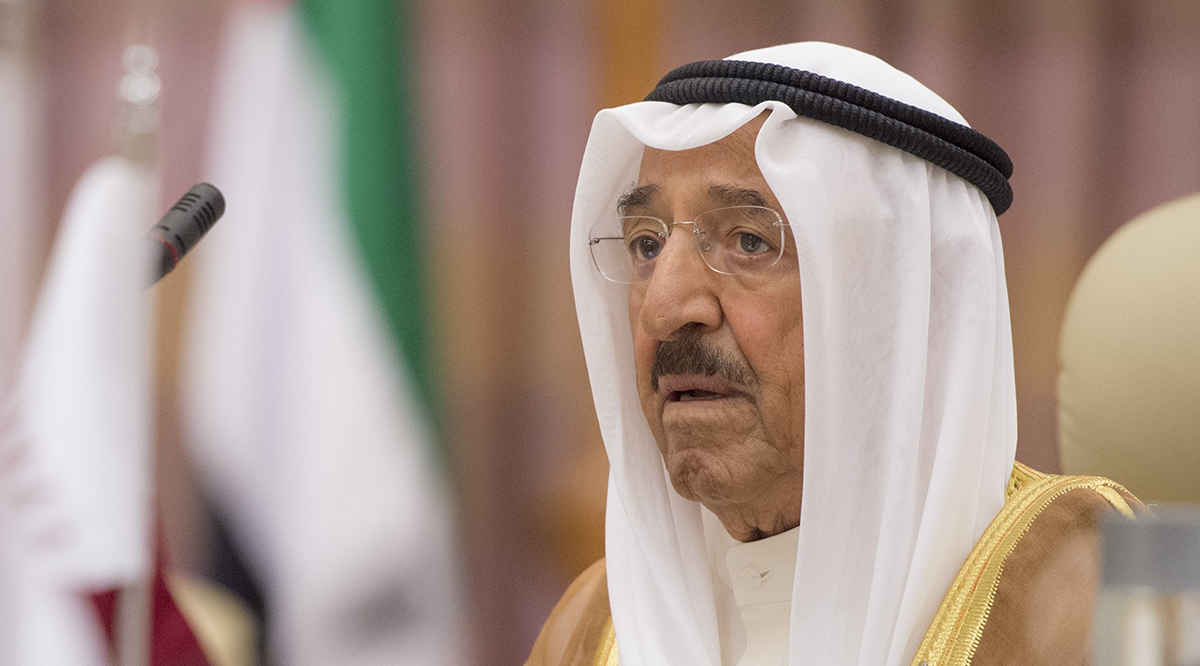
What are the implications of the passing of Kuwait’s emir, Sheikh Sabah?
With the announcement that Kuwait’s long-time ruler, Sheikh Sabah al-Ahmad al-Sabah, had passed away, on Sept. 29, at the age of 91, the Gulf states lost their second senior statesman of 2020 following the death of Sultan Qaboos of Oman at the beginning of the year. Like Qaboos, Sheikh Sabah played an outsized role within the GCC as well as in regional and international affairs.
Monday Briefing: Will Russia and Turkey face off over Nagorno-Karabakh?
This week’s briefing on recent news and upcoming events in the region featuring Maxim A. Suchkov, Ibrahim Jalal, Eliza Campbell, Alex Vatanka, and Marvin G. Weinbaum.
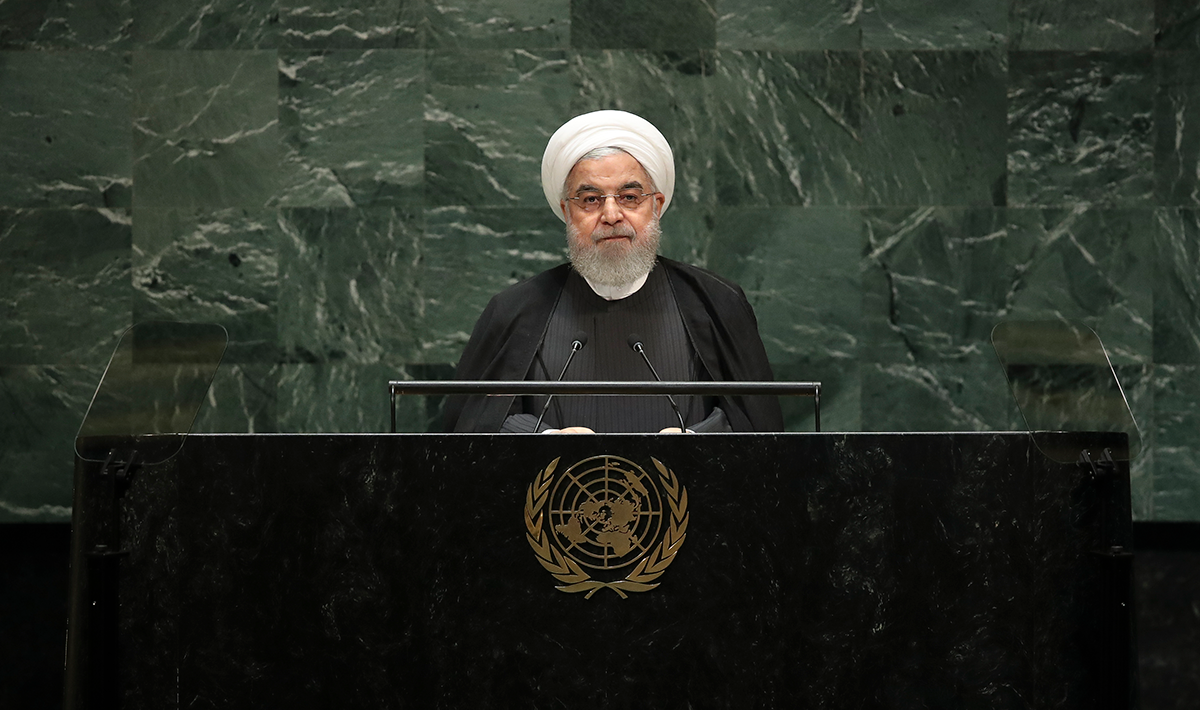
Last September, at the 74th session of the U.N. General Assembly, Iranian President Hassan Rouhani proposed the optimistically named “Hormuz Peace Endeavor” (HOPE). Over the past year, however, Iran’s plan has failed to gain any traction with the GCC states, even as the region’s security environment has fundamentally changed in ways that are detrimental to the Islamic Republic.
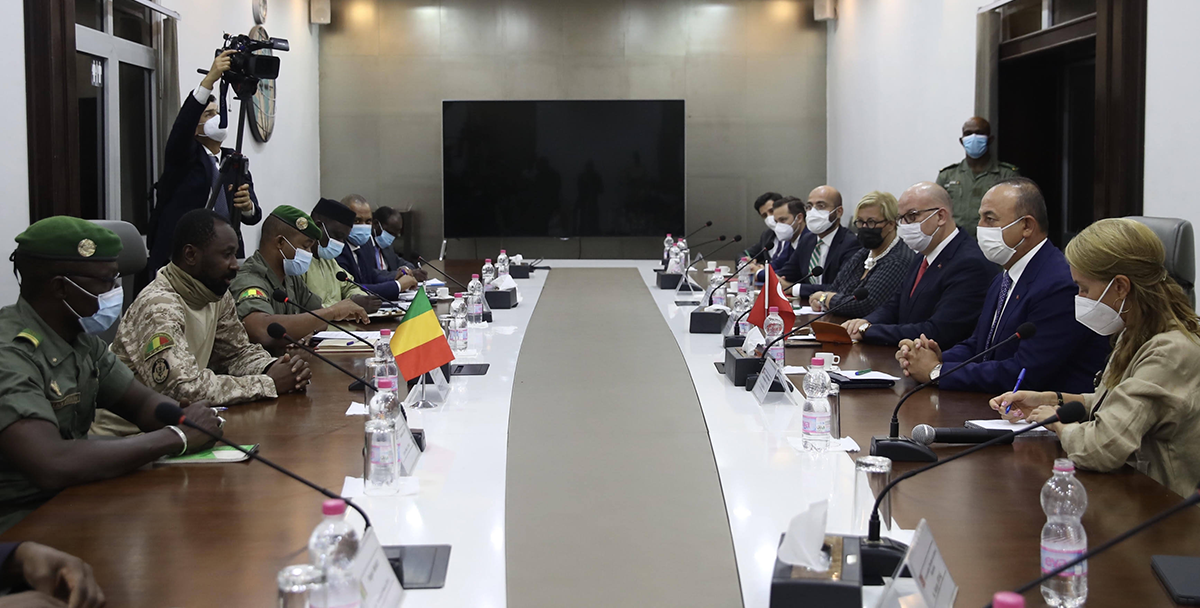
On Sept. 9, Turkey’s Foreign Minister Mevlut Cavusoglu embarked on a three-day trip to West Africa, which included stops in Mali, Senegal, and Guinea-Bissau. During his trip, Cavusoglu emphasized Turkey’s support for Mali’s post-coup transition process, struck infrastructure-related commercial deals with Guinea-Bissau, and underscored its commitment to engaging with multilateral institutions, such as the UN and AU, on addressing security challenges in the Sahel.
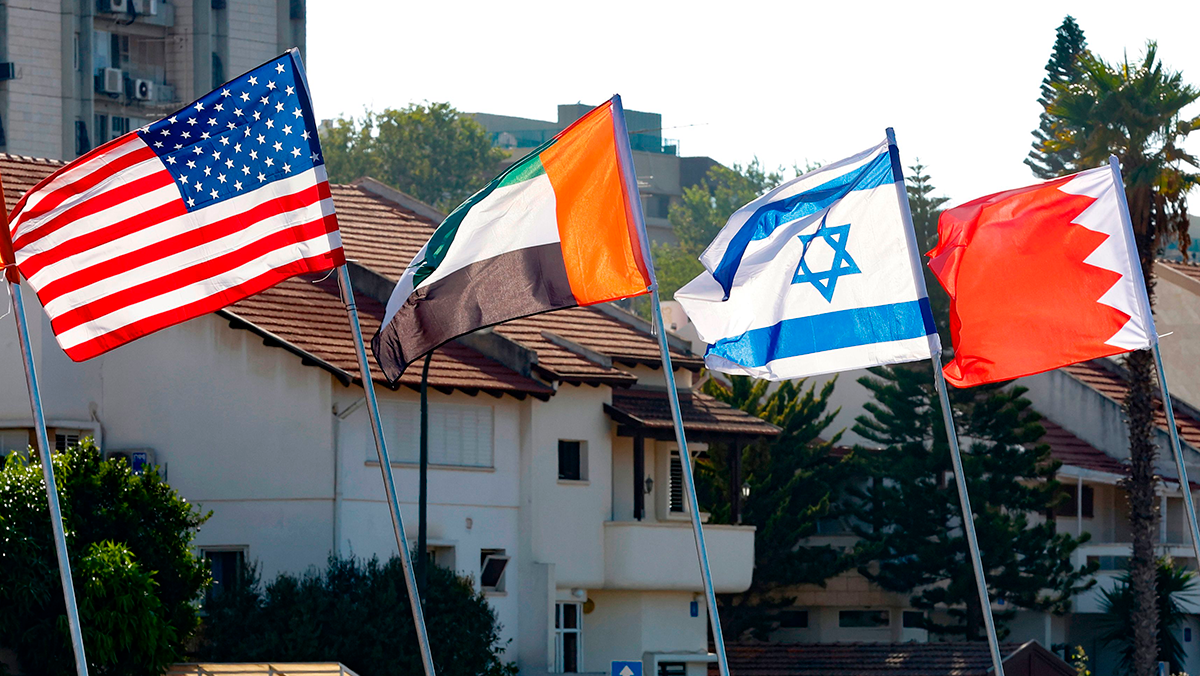
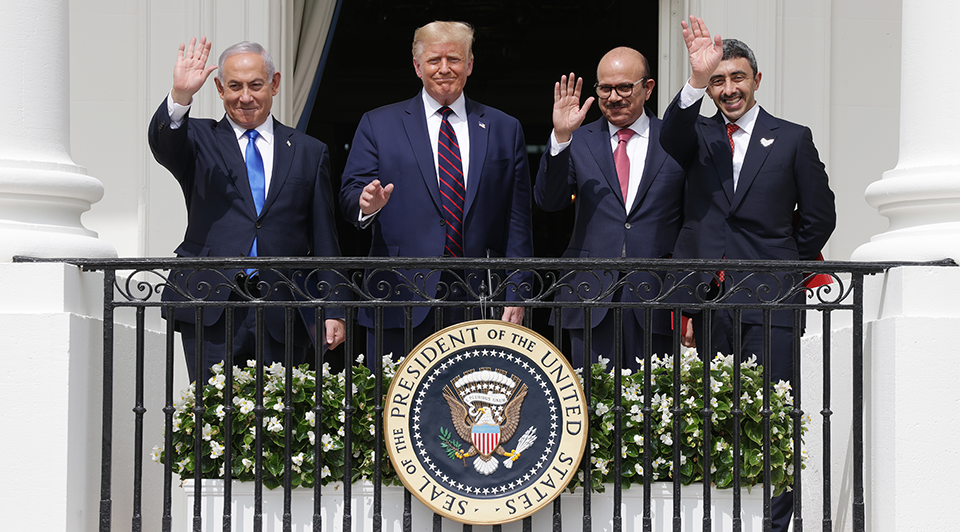
On September 15, President Trump presided over a ceremony on the South Lawn of the White House where Prime Minister Benjamin Netanyahu of Israel and the foreign ministers of the United Arab Emirates (UAE) and Bahrain, Abdullah bin Zayed Al Nahyan and Abdullatif Al Zayani, respectively, signed a general declaration of principles, called “The Abraham Accords.” Numerous analysts have focused on the regional impact of the normalization of relations between Israel and these two Gulf Arab countries. However, this development has worldwide geopolitical implications — including for China.
The benefits and challenges of UAE-Israel normalization
Israel and the United Arab Emirates (UAE) have initiated a process that, if it comes to fruition, will bring about the normalization of relations between the two countries. The broader geostrategic challenges that the agreement could pose for Israel and the UAE have not been part of the public discourse, however, and any balanced treatment requires a discussion of those aspects as well.
Is the Israel-UAE agreement a game changer for Israel?
In an Aug. 13 tweet, U.S. President Donald Trump celebrated the Israeli-Emirati accord to normalize relations as a “HUGE breakthrough.” Israel’s integration into the region has been a goal of U.S. and Israeli foreign policy for decades, and the mid-August announcement was the first major official step in that direction in over 25 years. But is this really a game changer for Israel’s strategy in the Middle East?
UAE-Israel normalization gives rise to new risks for Yemen and the region
As unimportant as the move may seem for Yemen, the UAE’s normalization of relations with Israel and patronage of the STC, if left unaddressed, may ultimately lead to undesirable outcomes for both Yemen and the broader Arab world
Election 2020: Challenges and Opportunities for US Policy in the Middle East
In a new briefing book released ahead of the U.S. elections in November, entitled Election 2020: Challenges and Opportunities for US Policy in the Middle East, MEI scholars lay out key issues across the region, highlight the U.S. interests at stake, and provide policy insights and recommendations for the path forward.
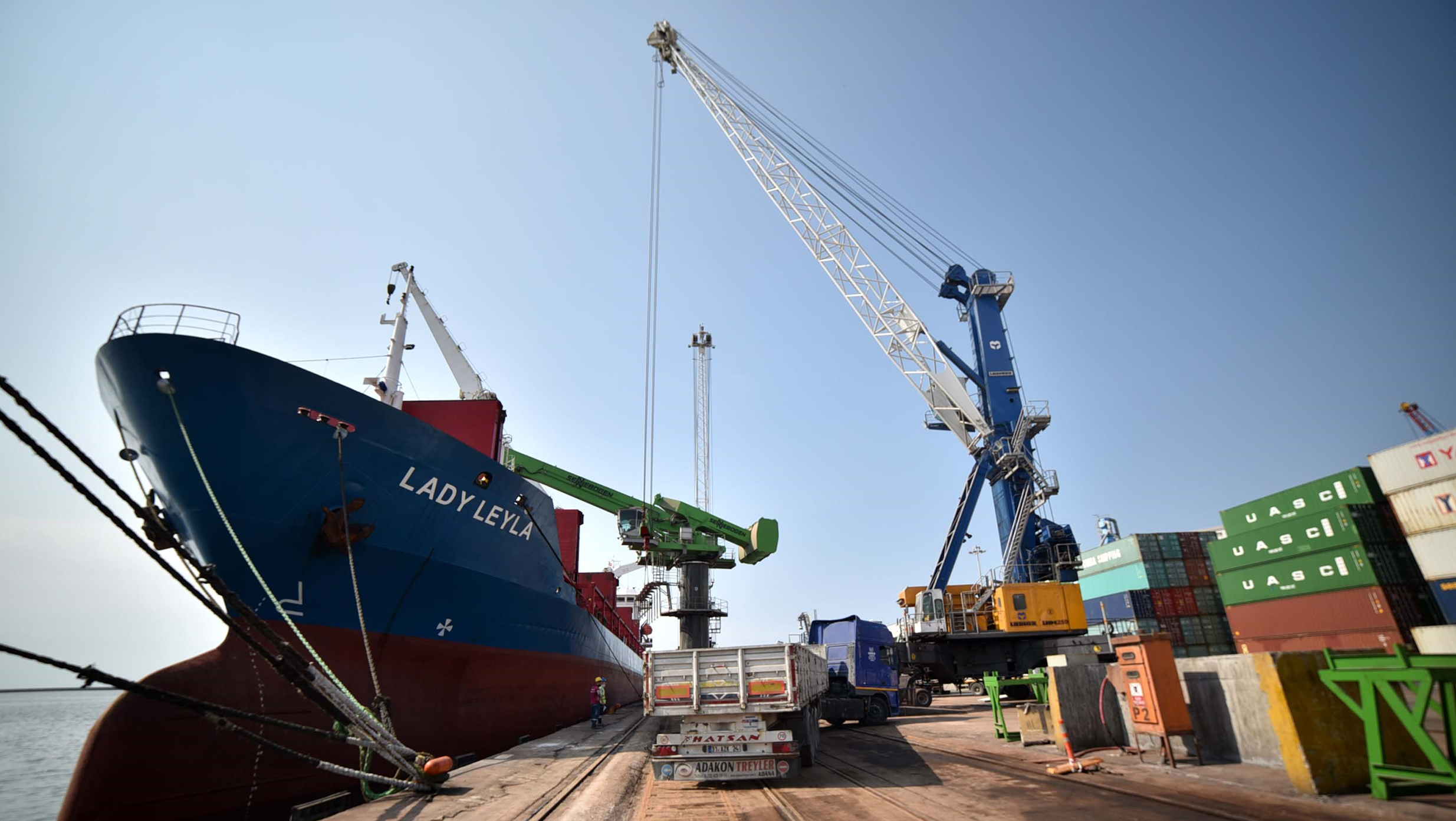
From port to port: Both Lebanon and Turkey would benefit from greater shipping connectivity
Following the devastating explosion that rocked Beirut on Aug. 4, one of the first foreign state dignitaries to visit Lebanon to pledge support was Turkish Vice President Fuat Oktay. Oktay said that not only would Turkey help to rebuild the damaged port and the surrounding buildings, but it could also provide temporary support in the form of linking Turkey’s largest Mediterranean port, Mersin International Port, with the Port of Beirut.
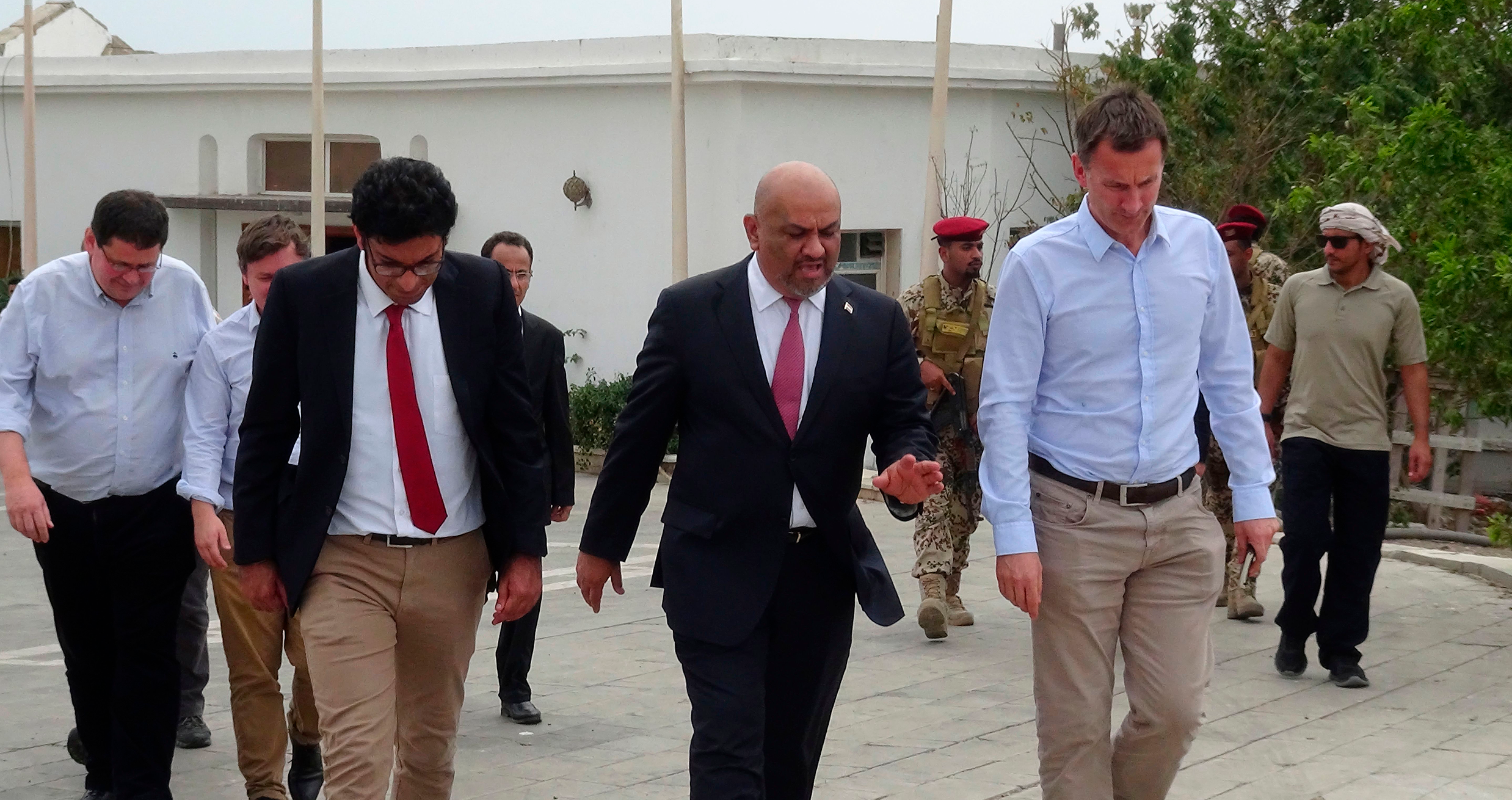
Continuity and change in British foreign policy toward Yemen
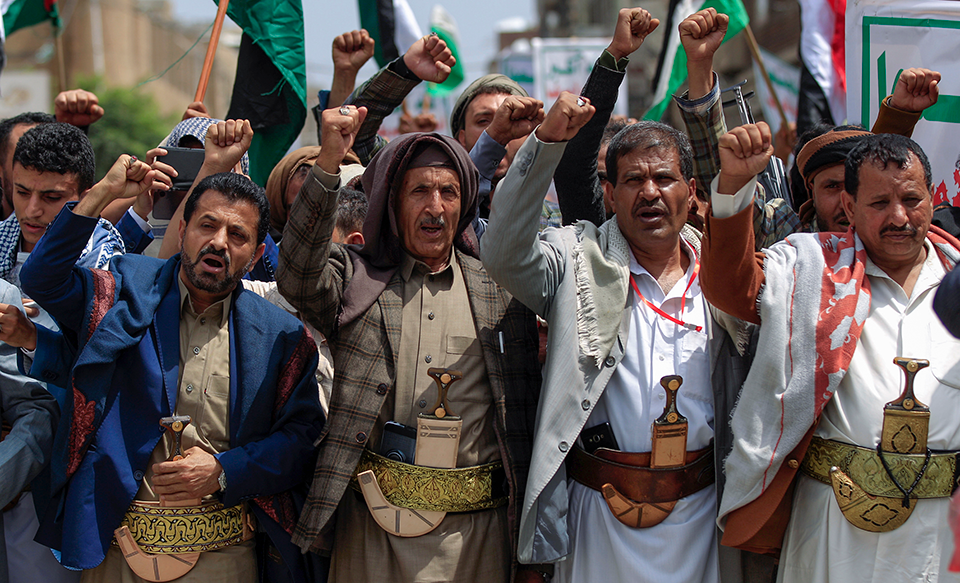
On Feb. 16, 2015, then British Ambassador to Yemen Jane Marriott wrote an article titled “Yemen: the ball is in the Houthis’ court,” asserting that the future of the country and its stability were dependent on the Houthis.