Israel's counter-Iran strategy: Significant accomplishments, but a negative trend
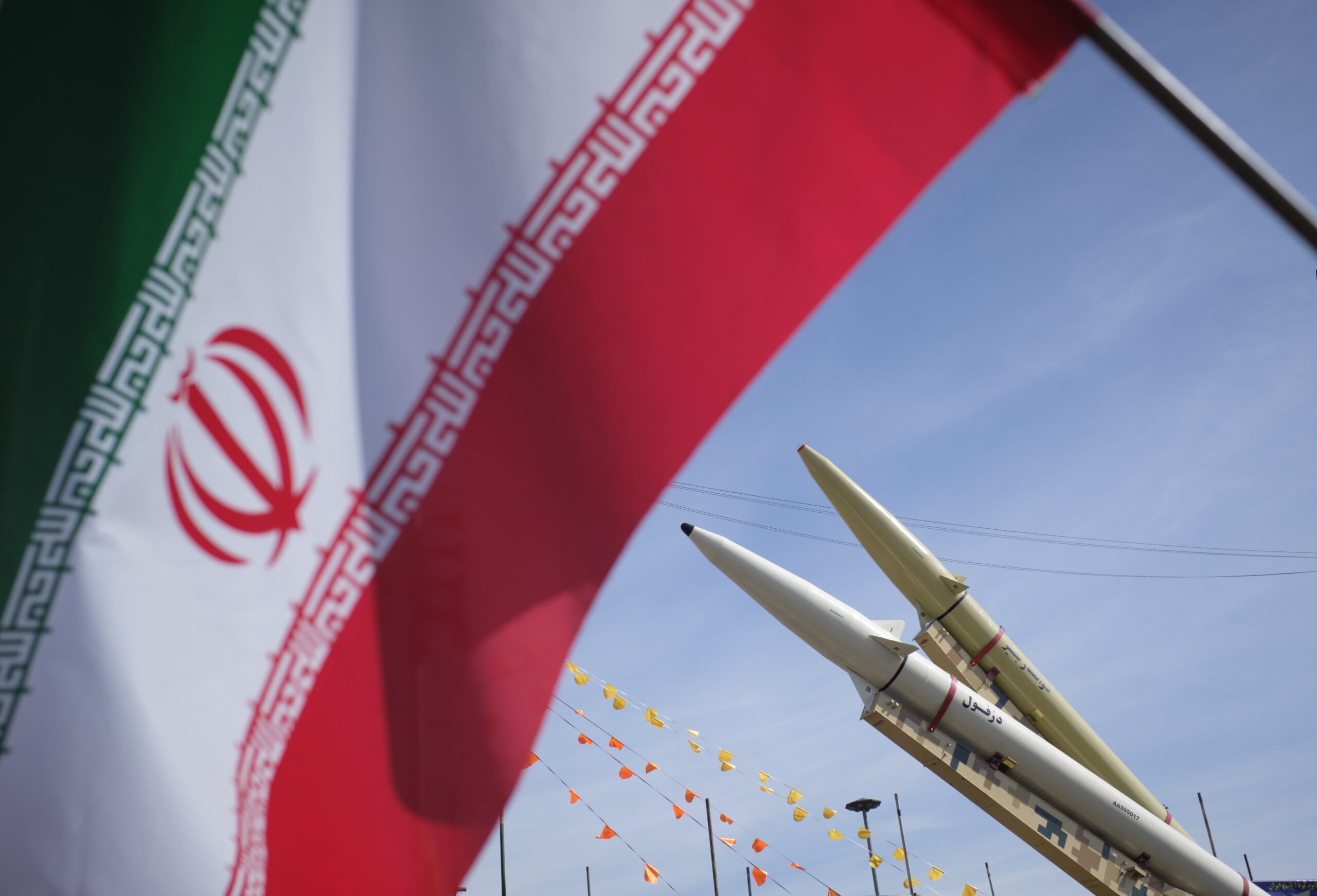
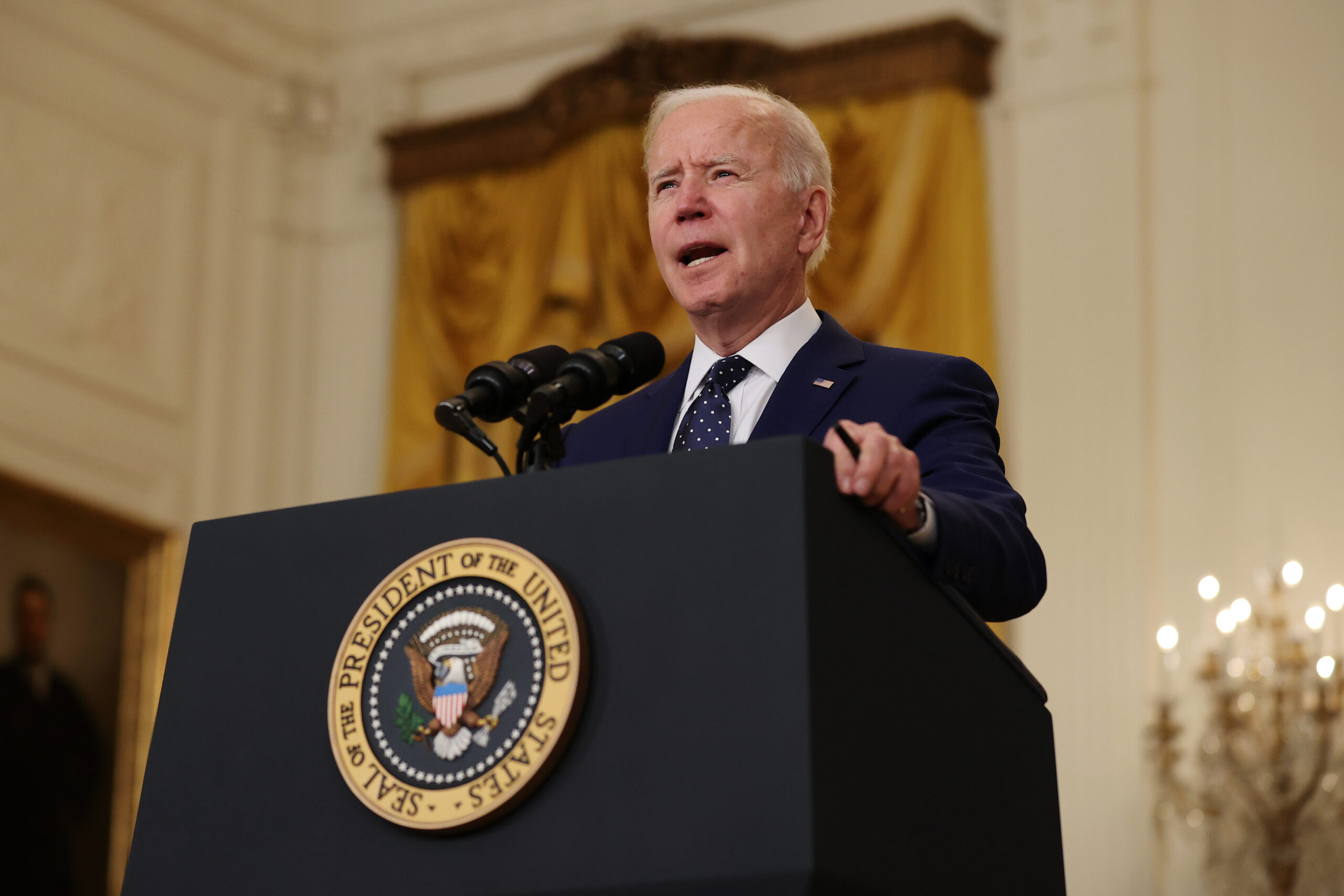
One of the first foreign policy decisions facing Israel’s new government will be if it wants to maintain or modify the policy spearheaded by Netanyahu to counter the United States’ determined effort to return to the 2015 nuclear deal with Tehran. Moreover, the new government needs to assess how successful the maximalist approach Israel has embraced since the negotiations between Iran and the great powers began about two decades ago has been, and to what extent it has pushed the international community to refrain from making concessions and compromises vis à vis Iran.
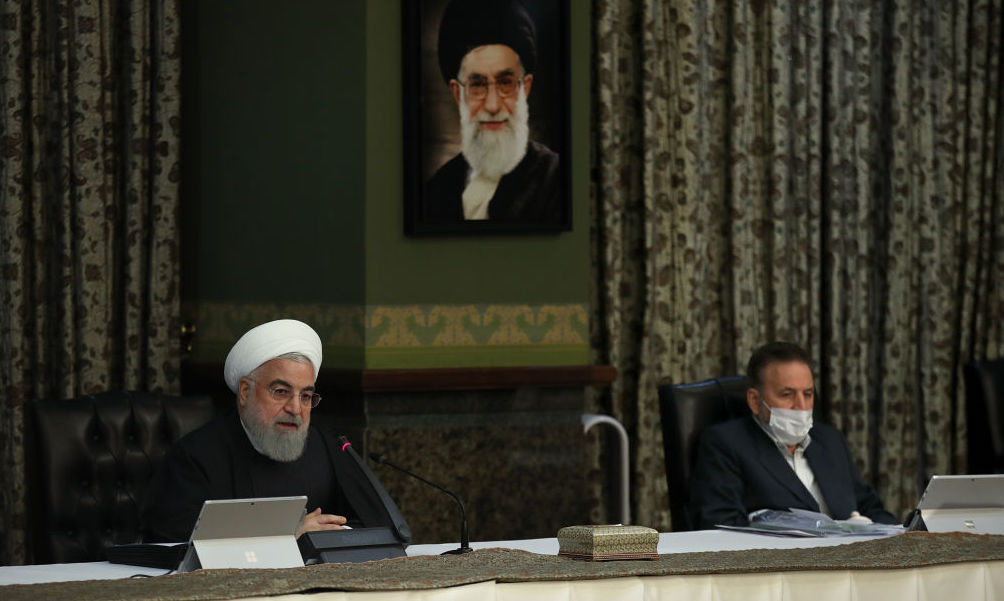
Elections in Iran: Khamenei silences potential opposition ahead of upcoming ballot
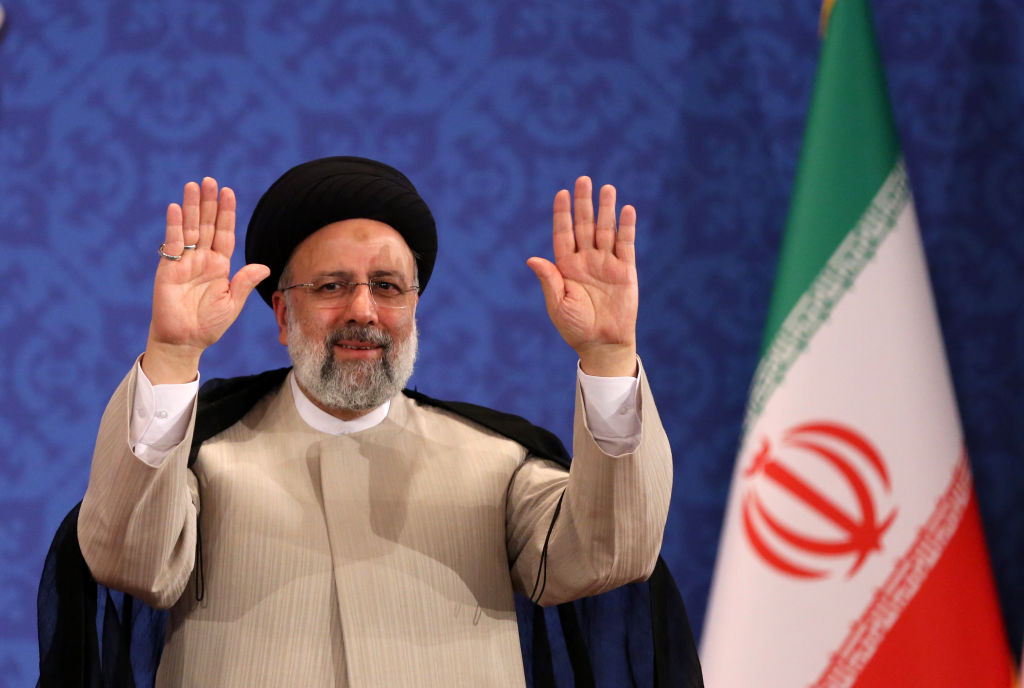
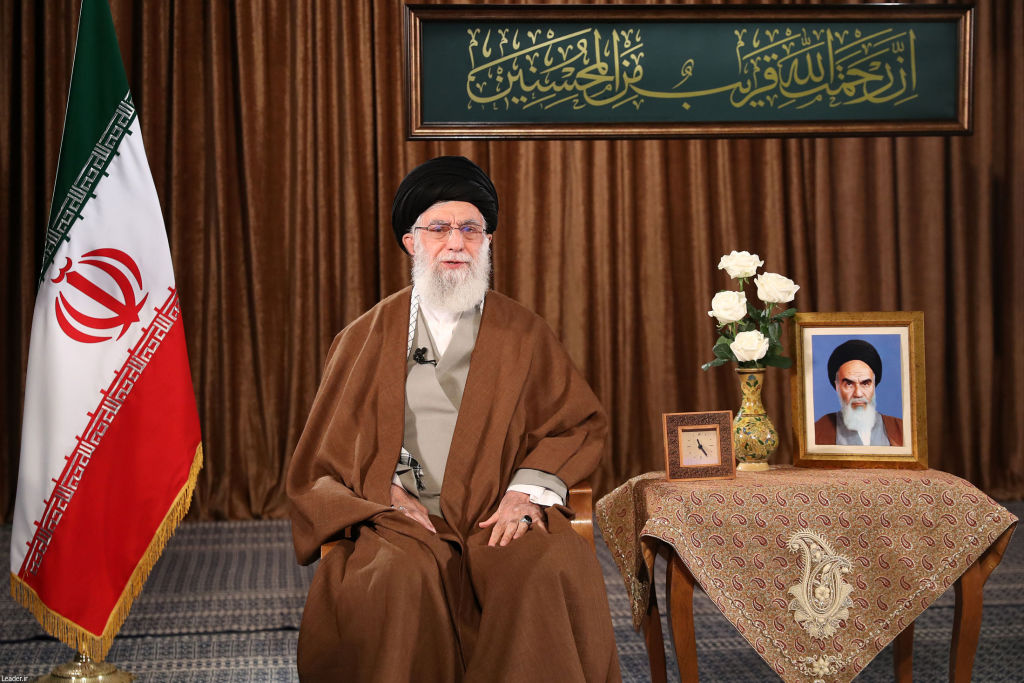
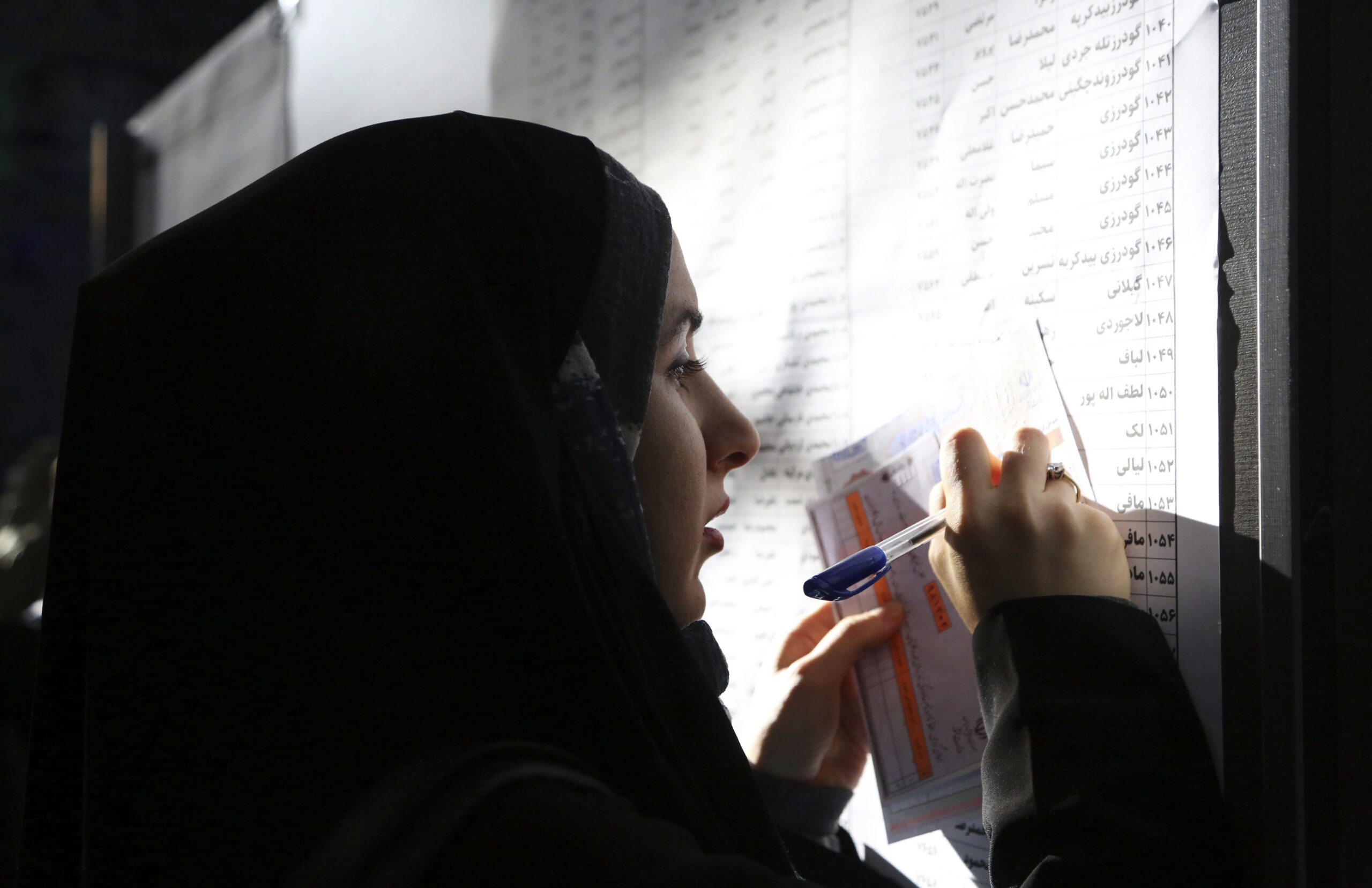
In the run up to Iran’s presidential election, Supreme Leader Ayatollah Ali Khamenei has sought to entrench his power. Will a sharp slump in voter turnout reveal the extent of popular discontent?
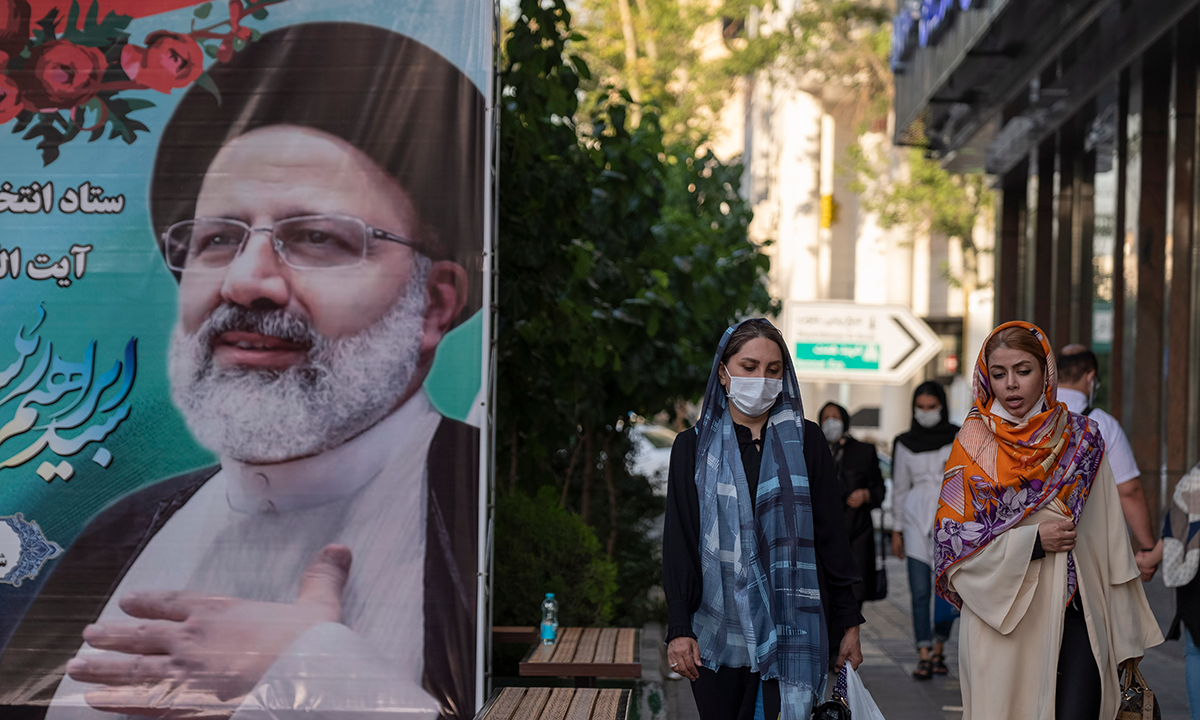
Low election turnout points to larger changes in Iranian politics
Iran’s presidential election on June 18 is expected to have the lowest turnout of any election to date and the implications are likely to extend far beyond the ballot box.
Alex Vatanka joins host Alistair Taylor to discuss Iran’s upcoming presidential election on June 18. The election comes at a pivotal time for the country, as it faces a serious economic crisis and growing popular dissatisfaction at home, as well as a changing regional environment and ongoing talks over the revival of the 2015 nuclear deal.
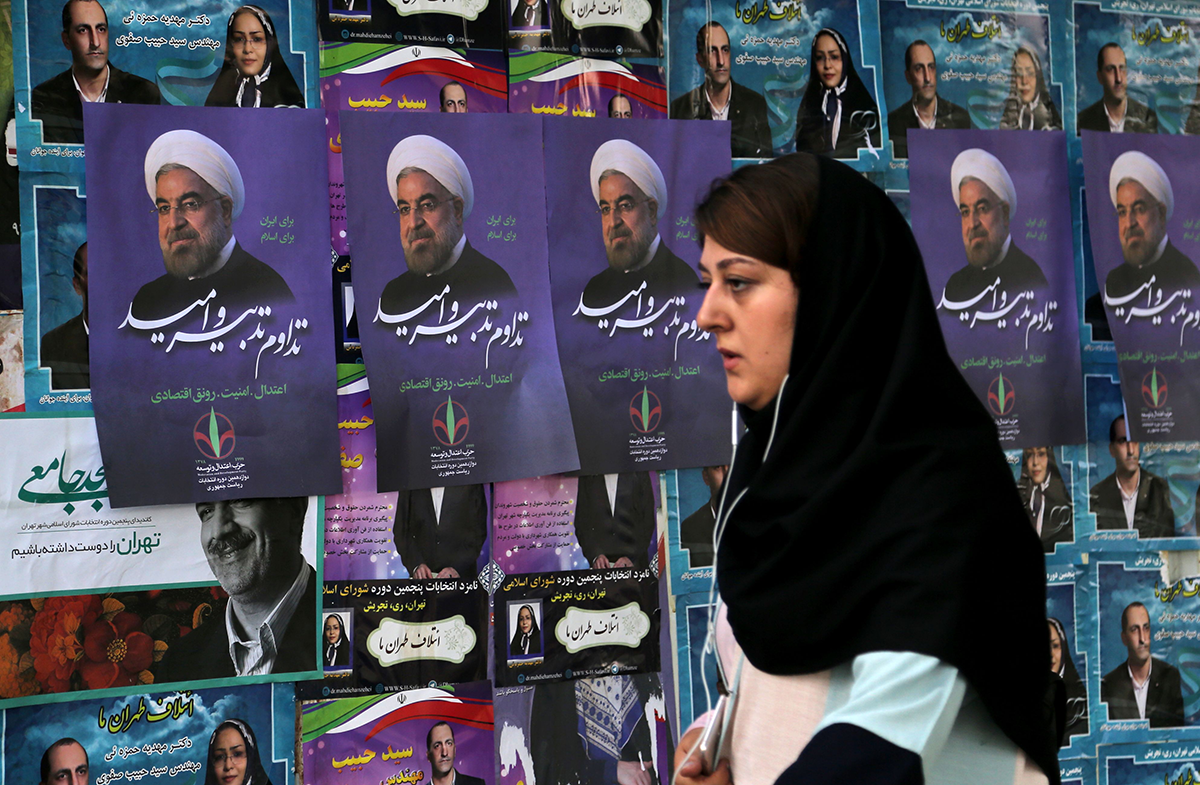
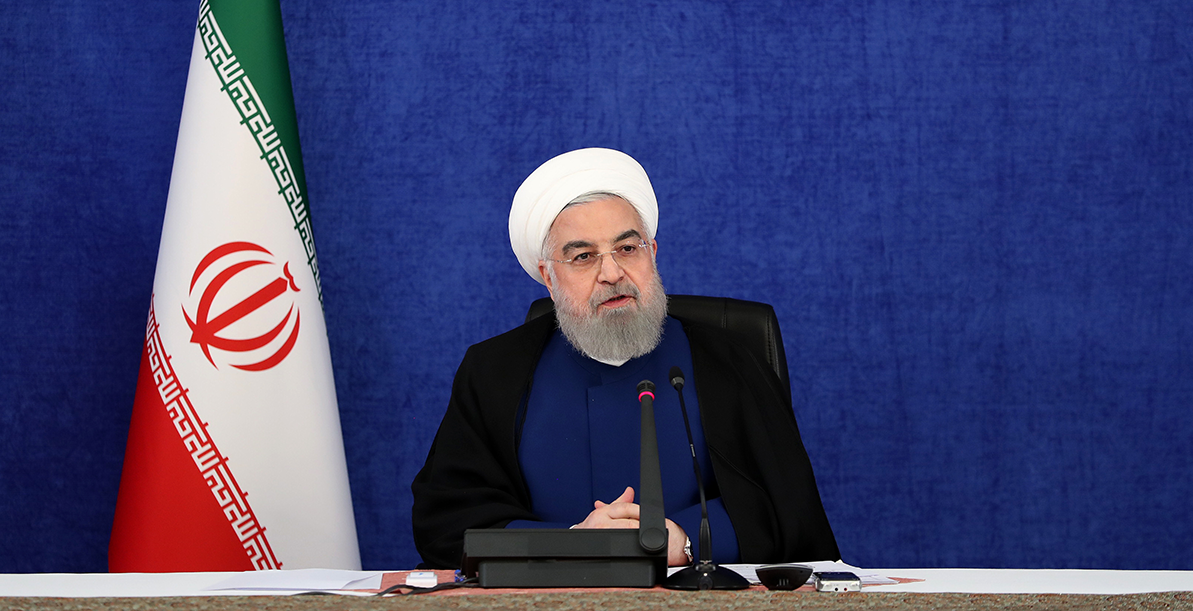
After eight years as Iran’s president, what is Rouhani’s record on women’s rights?
Today, as we approach the end of Rouhani’s government, how should historians and scholars evaluate the economic, political, and social situation over the last eight years? The issues of women’s political participation and social freedom, which were promised by Rouhani, especially during his first campaign, are of particular importance in this regard.
With the Hope Line, Iran aims to boost seawater transfer to fight growing drought
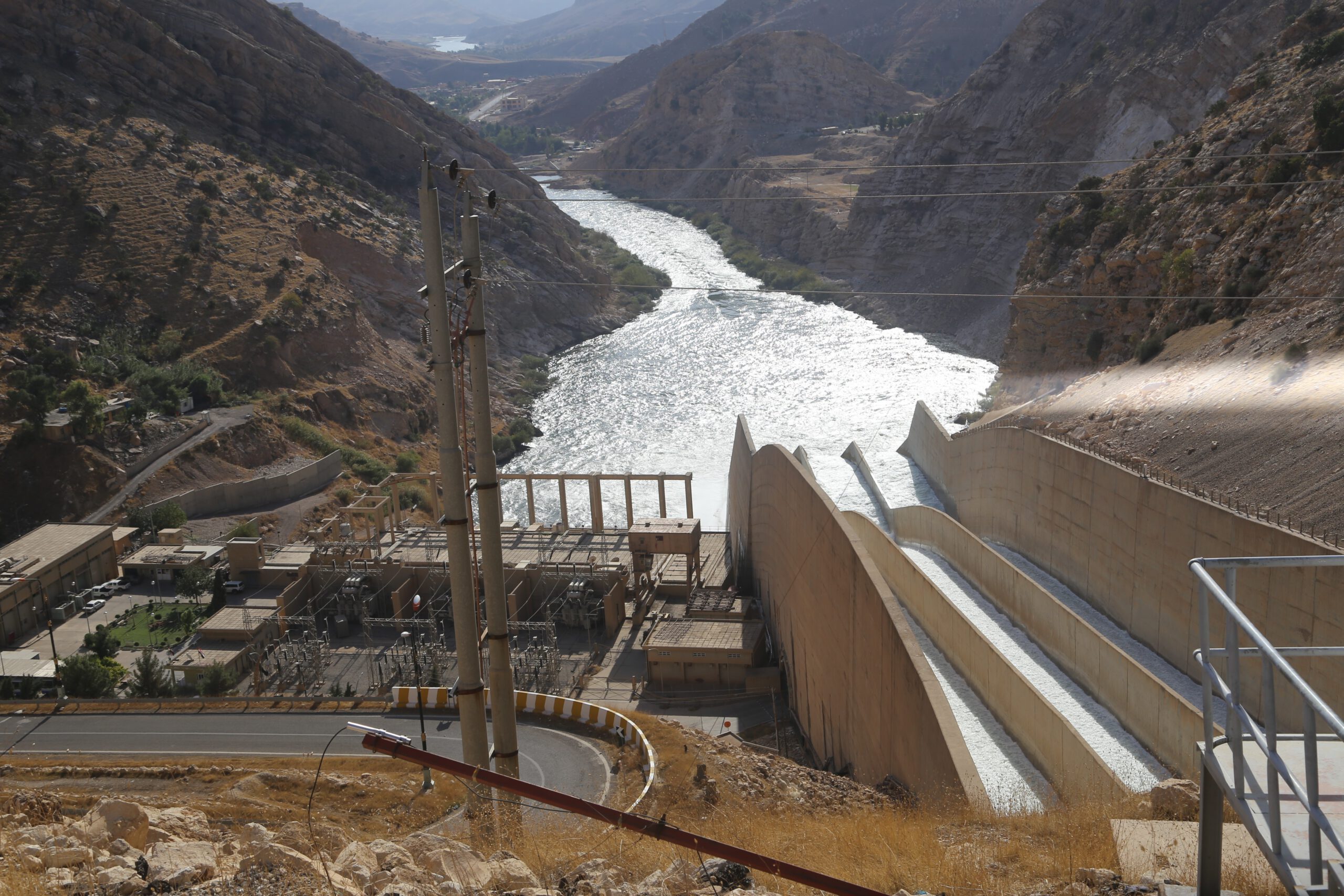
Blessed with milder temperatures than its Gulf neighbors as well as abundant rain and snow fall, Iran is one of the last countries in the region to introduce a seawater transfer plan to fight unprecedented levels of drought. The plan, once fully implemented, could help build water corridors linking the shores of Iran’s southern Gulf to those of its northern Caspian Sea. Named the Hope Transfer Line, the plan promises prosperity for farmers and industrialists, and potable water for communities in some 10,000 villages and urban areas located in so-called Red Zones, a category that applies to regions coping with severe water scarcity.
The Abraham Accords and their cyber implications: How Iran is unifying the region’s cyberspace
On Sept. 15, 2020, the world witnessed a new era of Israeli-Arab relations as the UAE and Bahrain opened diplomatic relations with Israel, in what is known as the Abraham Accords. Unlike the Israeli-Egyptian or the Israeli-Jordanian peace deals, which aimed to end direct military confrontations, the Abraham Accords seek to maximize common interests and address security issues to form a new front against Iranian threats. As Biden’s administration shows a willingness to return to some form of the 2015 Iran nuclear deal, the joint cooperation between Israel and the Gulf states is becoming more visible than ever, particularly in cyberspace, where they share a common enemy.
Pakistan needs to reframe its regional connectivity push
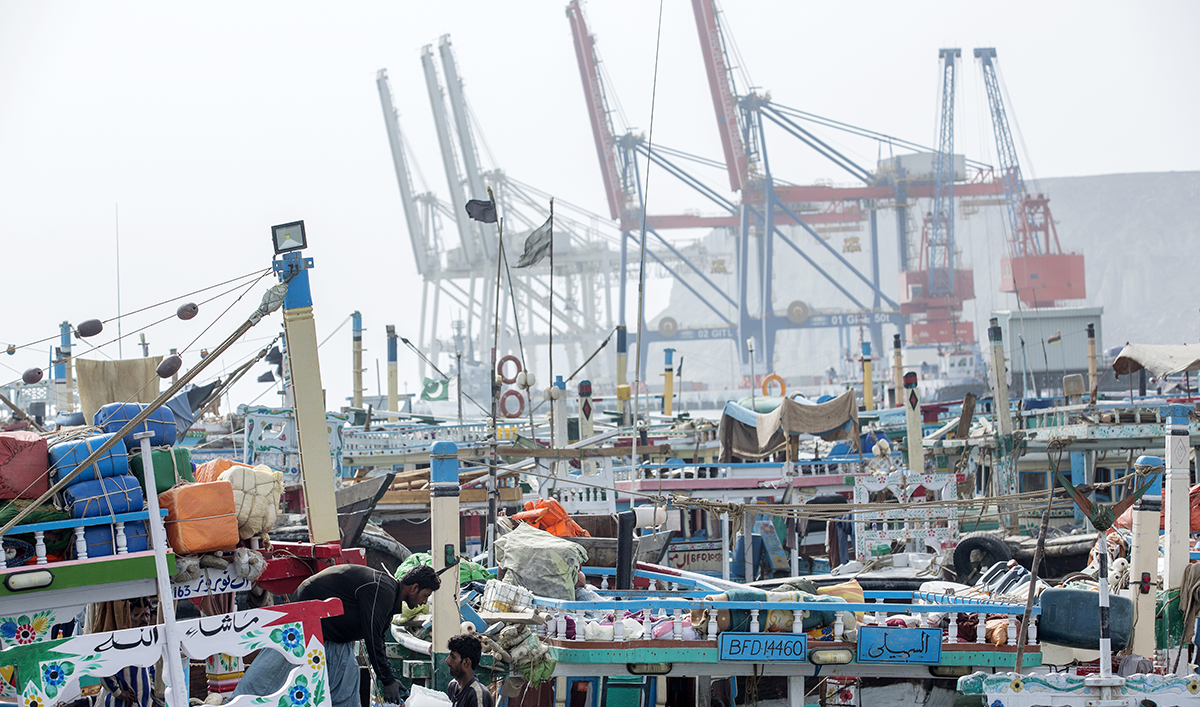
On April 8, the top U.S. diplomat in Pakistan visited the Chinese-operated port of Gwadar — the first such visit by an American official in 15 years. The move appears to be part of a campaign by Pakistan to promote its regional connectivity agenda and simultaneously signal that this effort isn’t solely wedded to China and its Belt and Road Initiative.