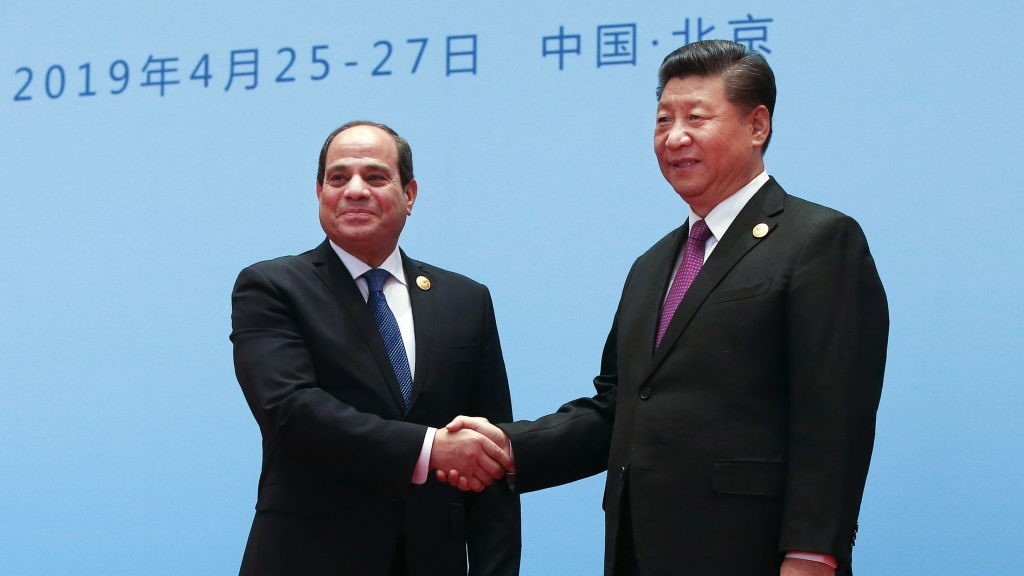
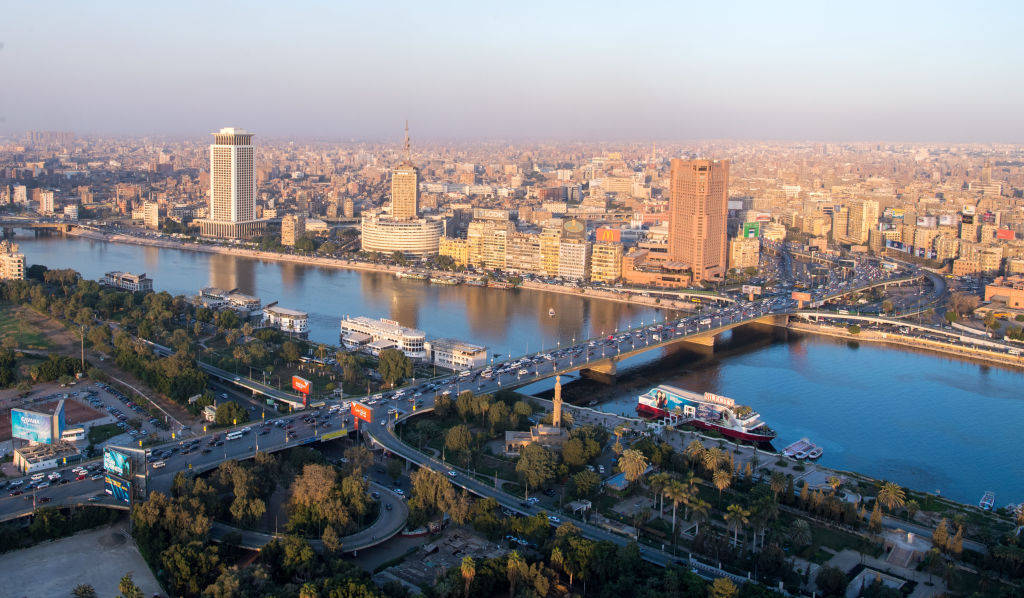
While the world is engaged in an ongoing discussion about the ramifications of the trade war between Washington, DC and Beijing, the economies of the Middle East are shifting away from their longstanding ties with the U.S. toward economically powerful China. This may have long-term implications for economic and political dynamics in the region.
Jihadism in South Asia: A militant landscape in flux
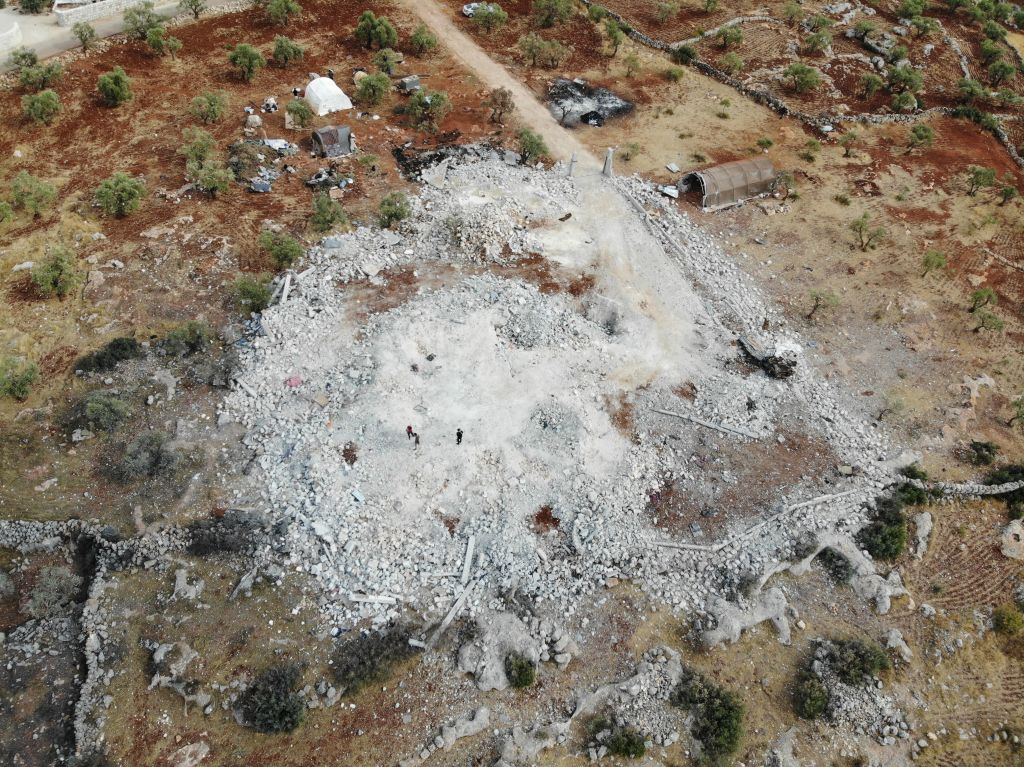
Over the past five years, the focus of U.S. counterterrorism strategists has remained on the Middle East, especially after the emergence of ISIS in 2014, while Islamist terrorist organizations operating in South Asia have been considered a secondary threat. However, the fact remains that South Asia is home to more Islamist terrorist organizations than any other region of the world. Al-Qaeda was born there, in Afghanistan, and ISIS has roots in the region. But at the turn of the decade both global jihadist groups are now facing major challenges and the critical question is whether they will manage to survive this period of crisis amid a severe leadership vacuum following the death of ISIS’s supreme leader and caliph, Abu Bakr al-Baghdadi, and the killing of al-Qaeda heir apparent Hamza bin Laden.
Georgia: European aspirations, Middle Eastern realities
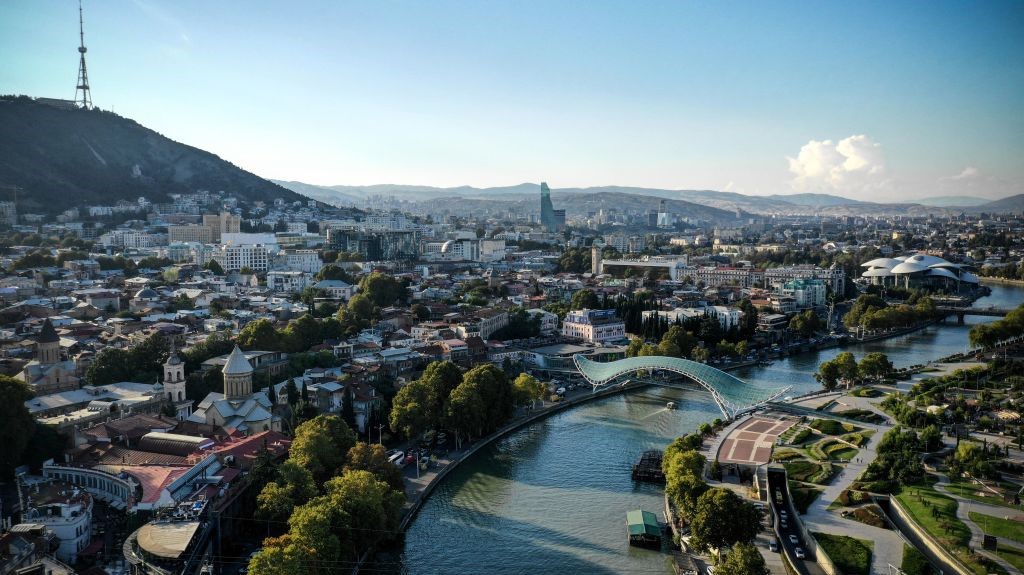
Since regaining its independence nearly three decades ago, European aspirations have been a central part of Georgia’s political agenda and identity. But the reality is more complicated and Georgia is, in a meaningful sense, part of both greater Europe and the greater Middle East.
The future of the UK’s relationship with the Maghreb
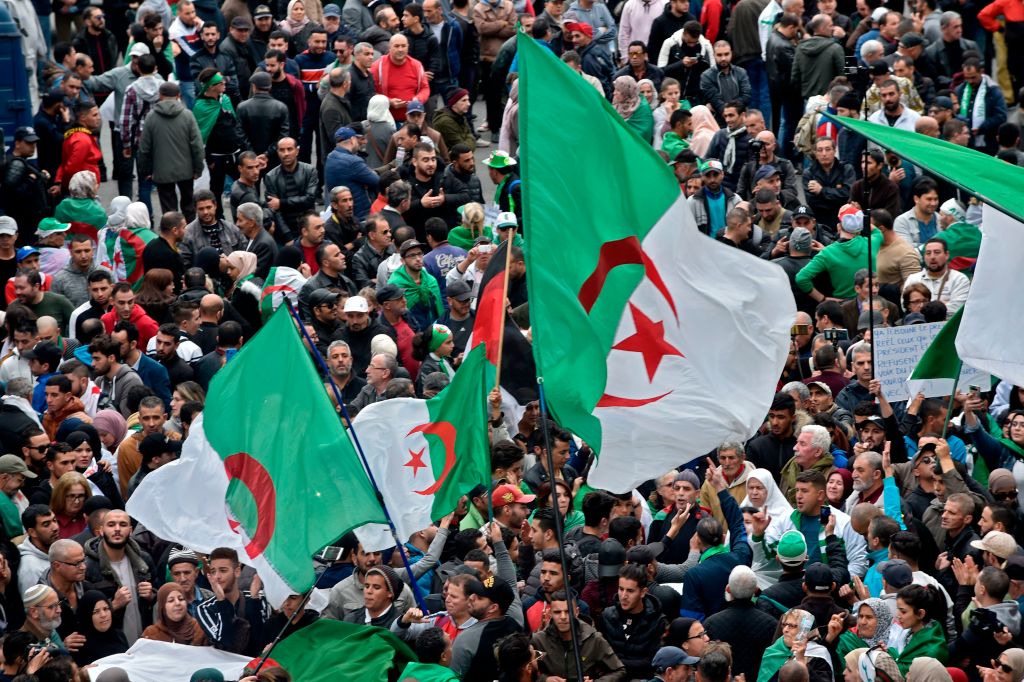
The UK’s impending exit from the EU will present a new chapter for British interests in and posture toward the region. If the UK is to find a trade-off for loss of diplomatic and economic heft, it will need to re-prioritize its engagement efforts. Policy continuity toward Morocco and Tunisia appears inevitable; Algeria, in contrast, promises great opportunity for an evolving relationship.
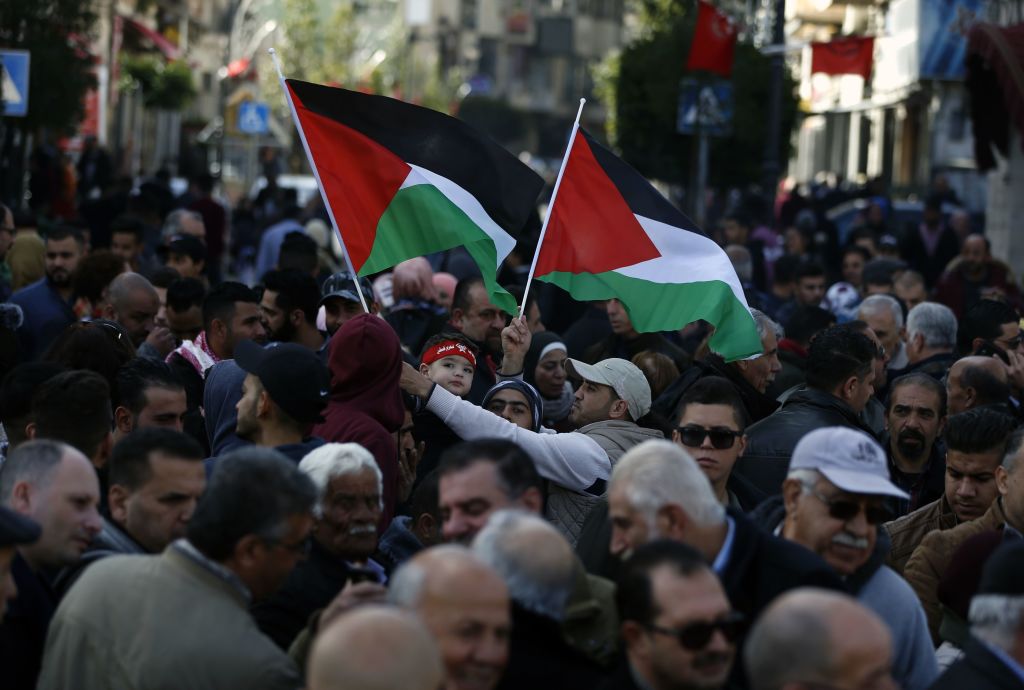
Holding long overdue elections for the Palestinian presidency and the legislative arm of the Palestinian Authority could be a step toward redressing the Fatah-Hamas conflict.
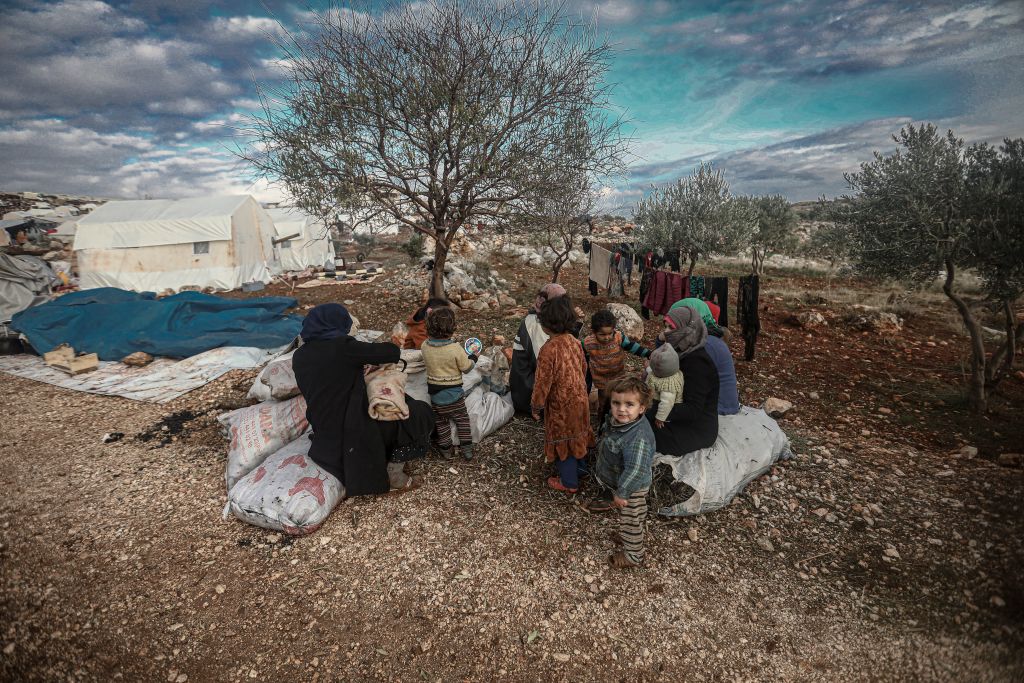
The consequences of what happens in Idlib could come to define the future of Syria — a country already destined for many more years of instability and suffering.
Expect the expected: The new EU high representative and the MENA region
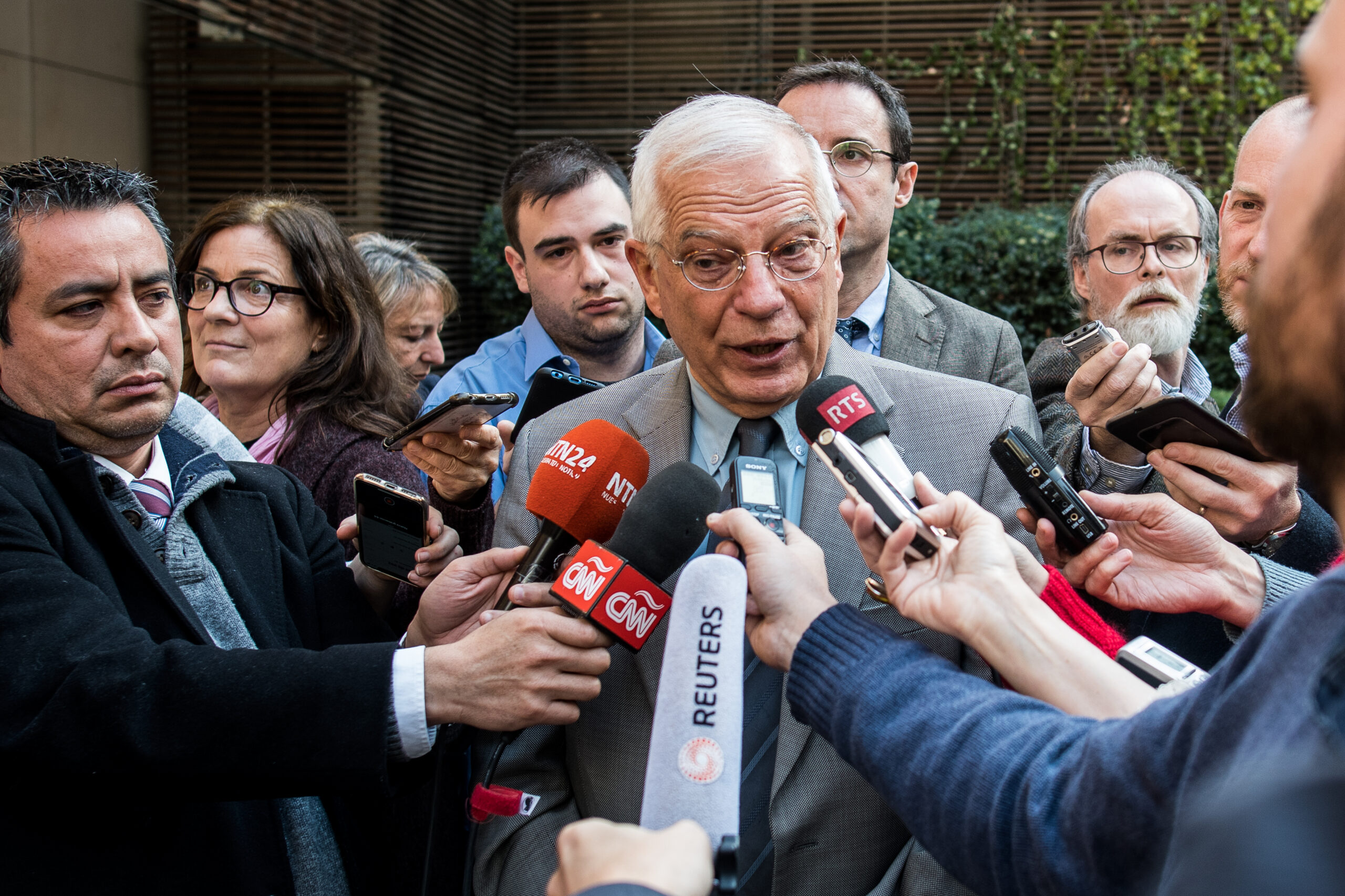
Spain’s foreign minister, Josep Borrell Fontelles, became the EU’s high representative for foreign affairs and security policy on Dec. 1. Borrell’s comments on EU foreign policy have often been controversial, and he has been highly critical of the union’s diplomatic actions in the past. What might this mean for EU-MENA affairs? What are Borrell’s views on key regional issues, such as the Israeli-Palestinian conflict, relations with Iran, the situation in Syria, and migration?
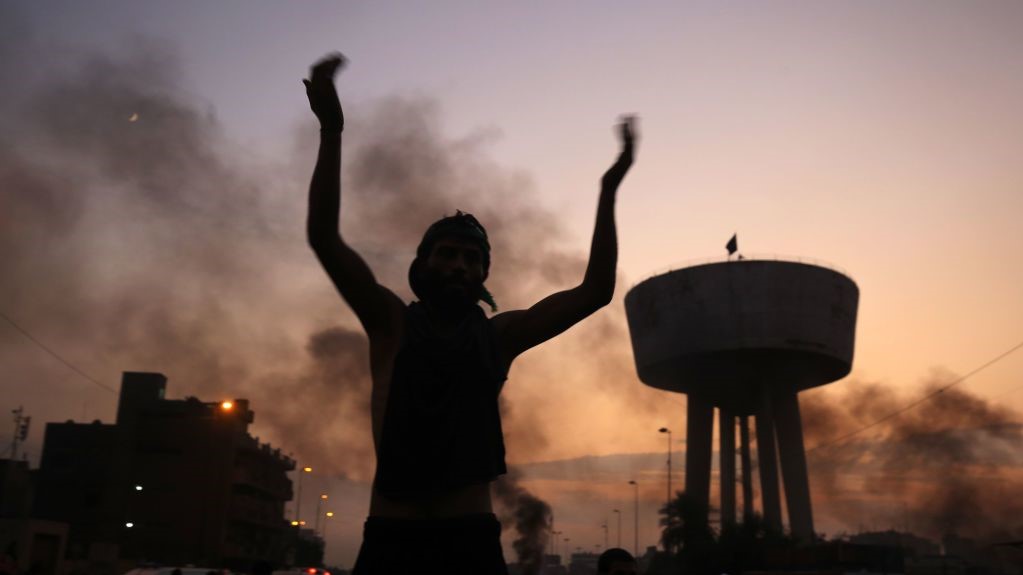
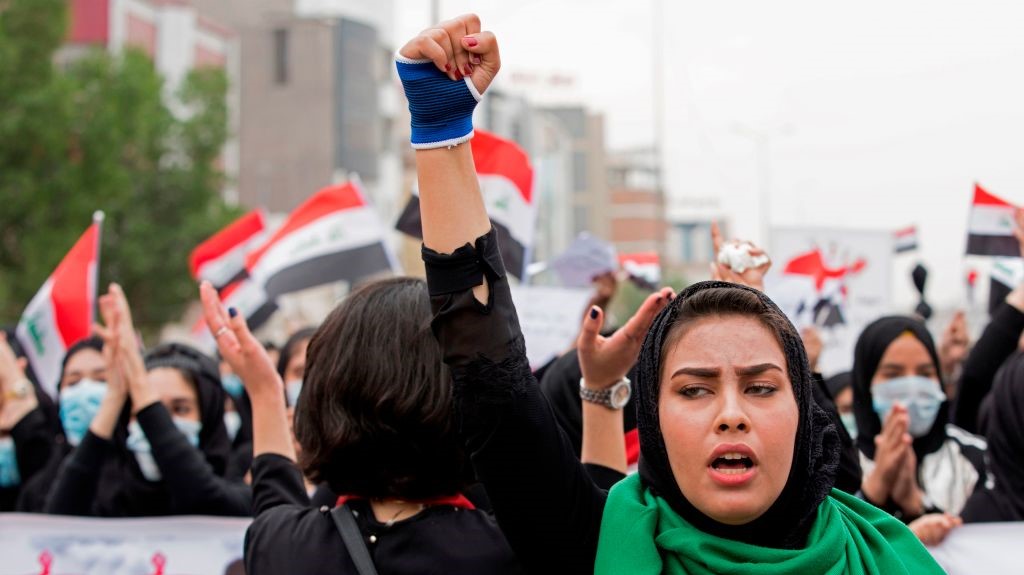
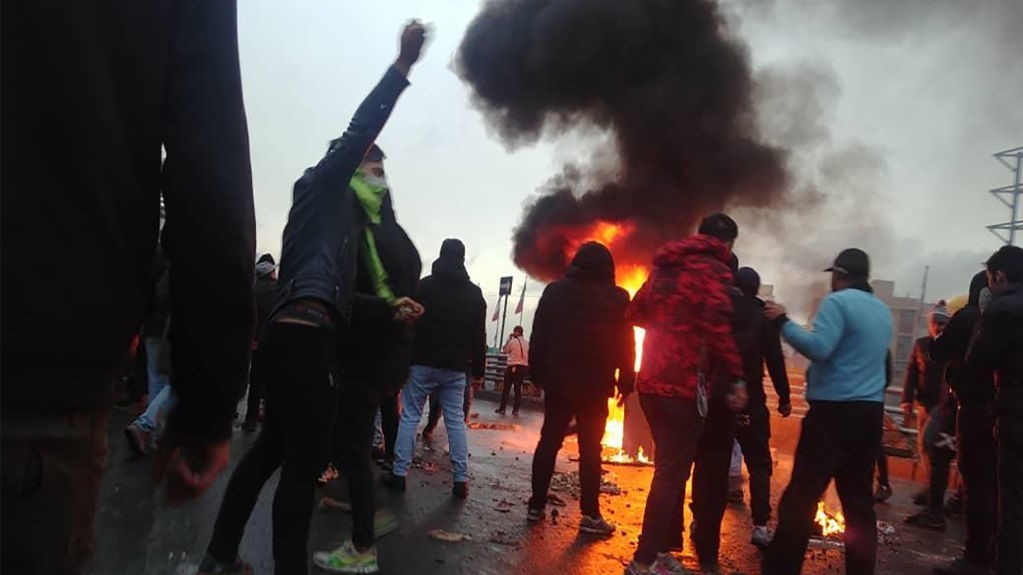
The three uprisings in Iran, Iraq, and Lebanon represent the revolt of a new generation seeking to build a better future for itself. Since 2011, there have been 11 uprisings in the Middle East and North Africa. All 11 uprisings have similar drivers: the explosive dysfunction of high demographic growth, low levels of economic development and job creation, poor government performance and services, and high levels of corruption and inequality.
Caesar Bill could ratchet up US sanctions on the Syrian regime and its allies
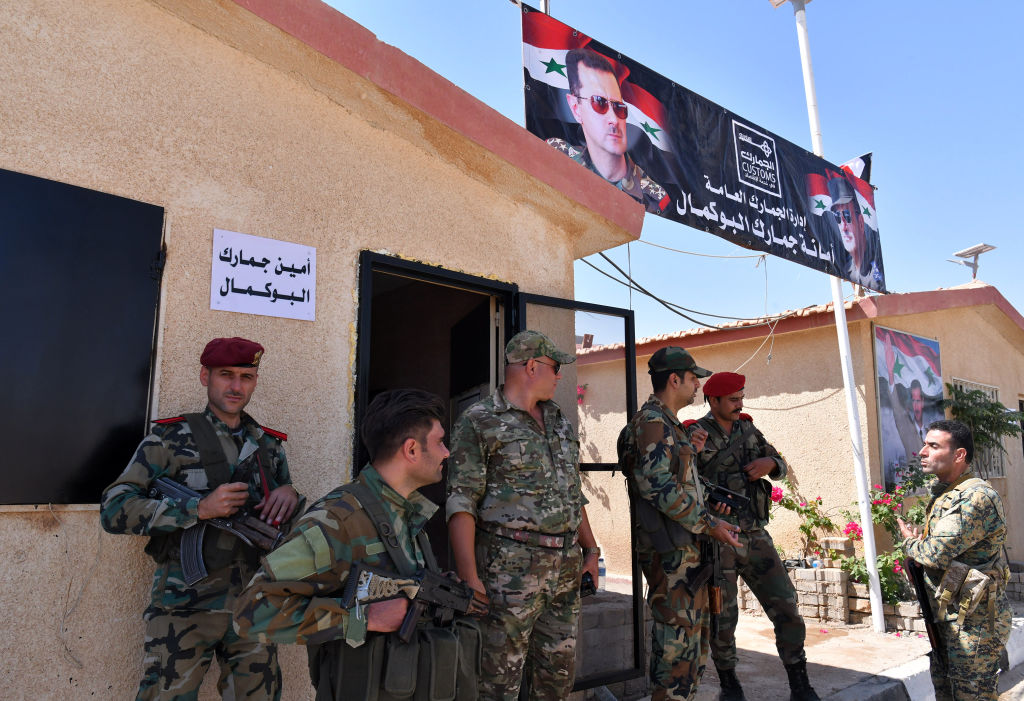
After several years of behind-the-scenes efforts, the Caesar Syria Civilian Protection Act will be signed into law in Washington. It is an extraordinarily expansive and aggressive piece of legislation, allowing for a significant expansion of sanctions against Syrian regime figures and bodies, including the Central Bank and multiple sectors of the state economy. More significantly, the “Caesar Bill” will place an expectation on the U.S. government to sanction any individual or organization anywhere in the world who provides any form of financial support to the Syrian regime that furthers its ability to repress its people.
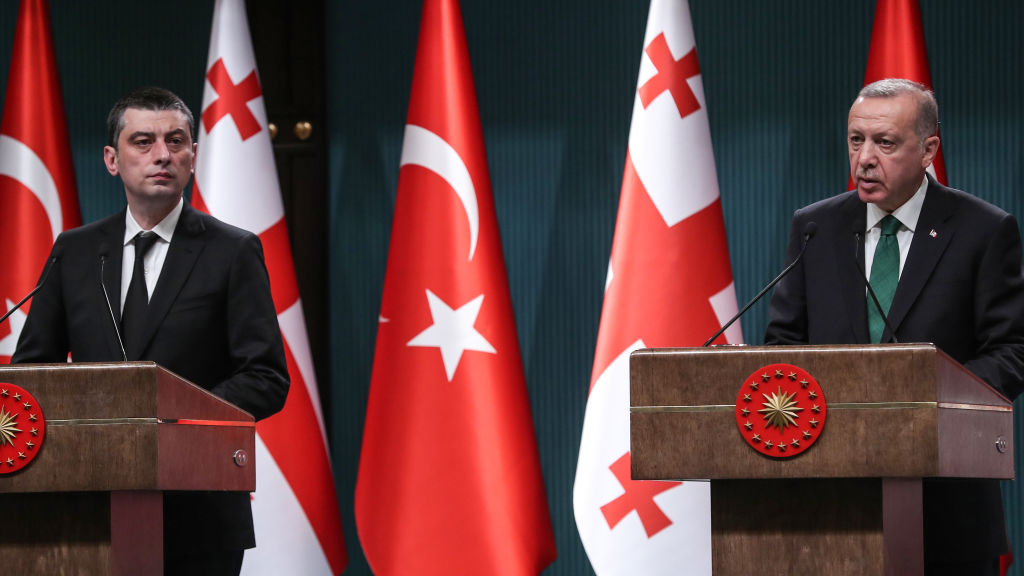
Given their territorial proximity, the regional actors of the Middle East have always had an interest in Georgia and the South Caucasus as a window to Europe. The collapse of the Soviet Union brought an end to Georgia’s isolation, and in the years since the country has gradually started reclaiming its historical role as a cultural and economic crossroads between Asia, the Middle East, and Europe.
Azerbaijani gas is now ready to flow all the way to Europe
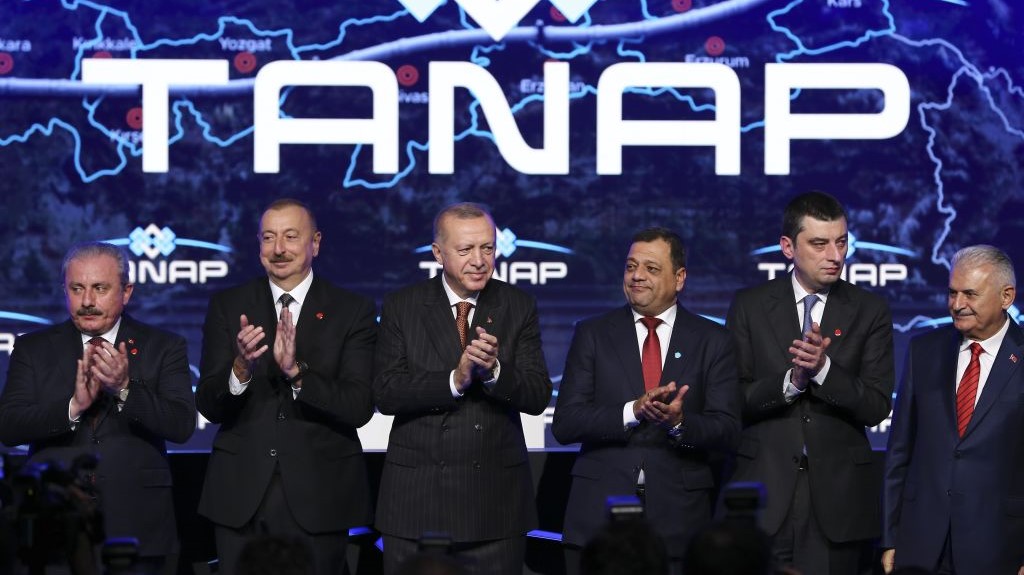
Turkey has completed the next-to-last piece of the 2,000-mile Southern Gas Corridor, a three-pipeline network that will send gas from Azerbaijan’s huge Shah Deniz field via Georgia and Turkey to Western Europe.
It was such a big deal that Turkish President Recep Tayyip Erdogan, Azerbaijani President Ilham Aliyev, and Georgian Prime Minister Giorgi Gakharia presided at the ribbon-cutting on Nov. 30. They were celebrating the completion of the pipeline that is the middle link in the Southern Gas Corridor: the Trans-Anatolian Natural Gas Pipeline (TANAP), which traverses Turkey.