The stakes behind the story: How Egypt’s media covered the Khashoggi case
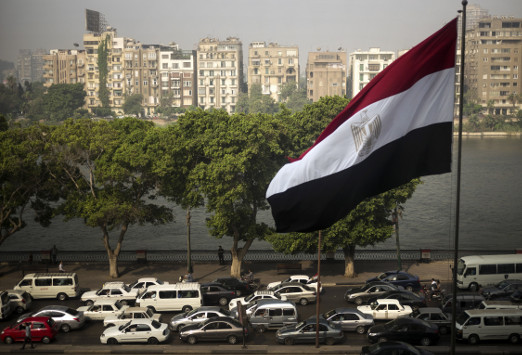
As the Khashoggi drama became to big to ignore, Egypt’s state-owned and private media coverage of the story confirmed that Egypt could not afford to harm its ties with Saudi Arabia.
October 25, 2018 – This week, in a highly anticipated speech on the Khashoggi affair, Turkish President Erdogan promised a lot but said little; the “Davos in the Desert” conference opened in Riyadh with an appearance by the Saudi crown prince; and the United States continued to send mixed signals. Karen Young, resident scholar at the American Enterprise Institute, and Gonul Tol, director of MEI’s Turkey program, join host Paul Salem to discuss the latest developments.
As Khalilzad leads U.S. efforts to bring the Taliban to the negotiating table, he faces immense challenges from geopolitical entanglements and regional rivalries surrounding the Afghan conflict.
Update on Jamal Khashoggi; Afghan elections preview
In this episode, MEI’s Gerald Feierstein and Gonul Tol continue last week’s discussion on the tragedy and ongoing foreign relations crisis over Jamal Khashoggi, and Ahmad Majidyar gives a preview of this weekend’s parliamentary elections in Afghanistan.
The assassinations are likely to undermine voter turnout in Afghanistan’s south and deepen divisions within the Afghan government about the prospect of peace with the Taliban.
The Fatemiyoun Division: Afghan fighters in the Syrian civil war
Summary
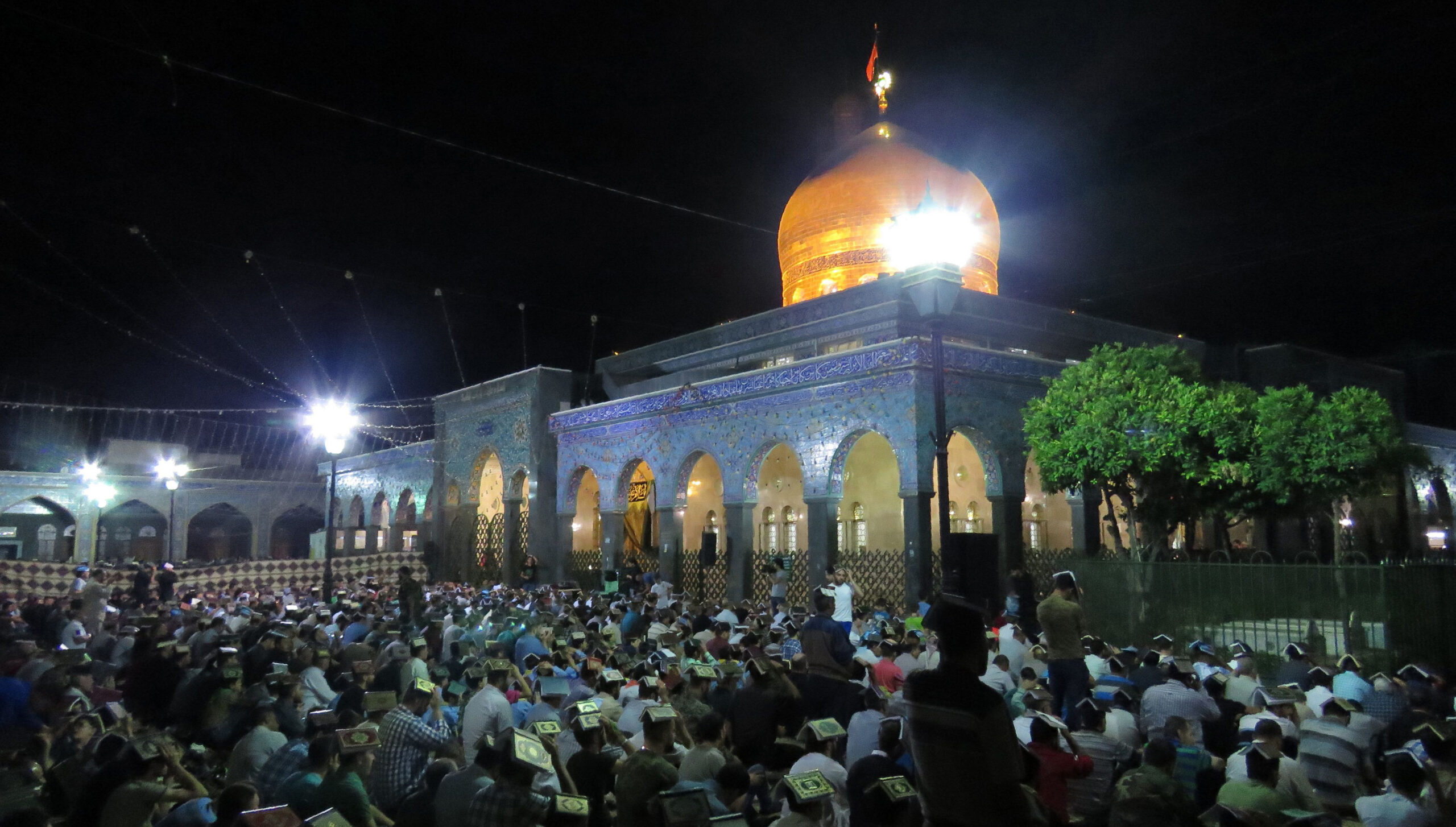
Originally styled as a small detachment of volunteers and refugees mobilized to defend the shrine of Sayyeda Zeinab outside Damascus, the Fatemiyoun formation’s size and presence across Syria has slowly expanded throughout the war. At home, the IRGC began cultivating a narrative of Afghan “resistance” to transnational Sunni jihadism. Joining the Syrian jihad was increasingly promoted as a path to legal and social recognition within the Islamic Republic at a time when thousands of desperate young Hazaras were setting out to emigrate to Europe.
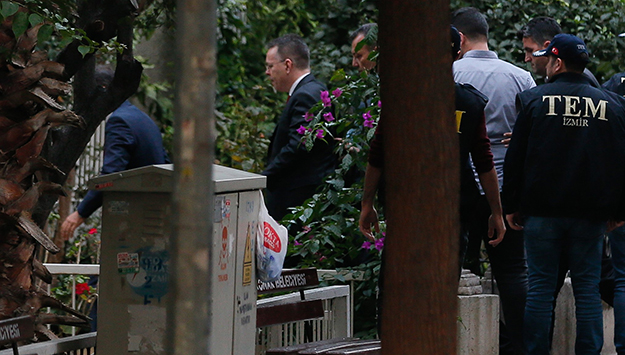
The disappearance of journalist and commentator Jamal Khashoggi from the Saudi consulate in Istanbul has sparked the most serious crisis to face relations between the Trump administration and Riyadh. It has also posed a major diplomatic challenge for Turkey’s President Erdogan. MEI’s Jerry Feierstein and Gonul Tol join host Paul Salem to discuss the fallout of this developing crisis and potential tragedy.
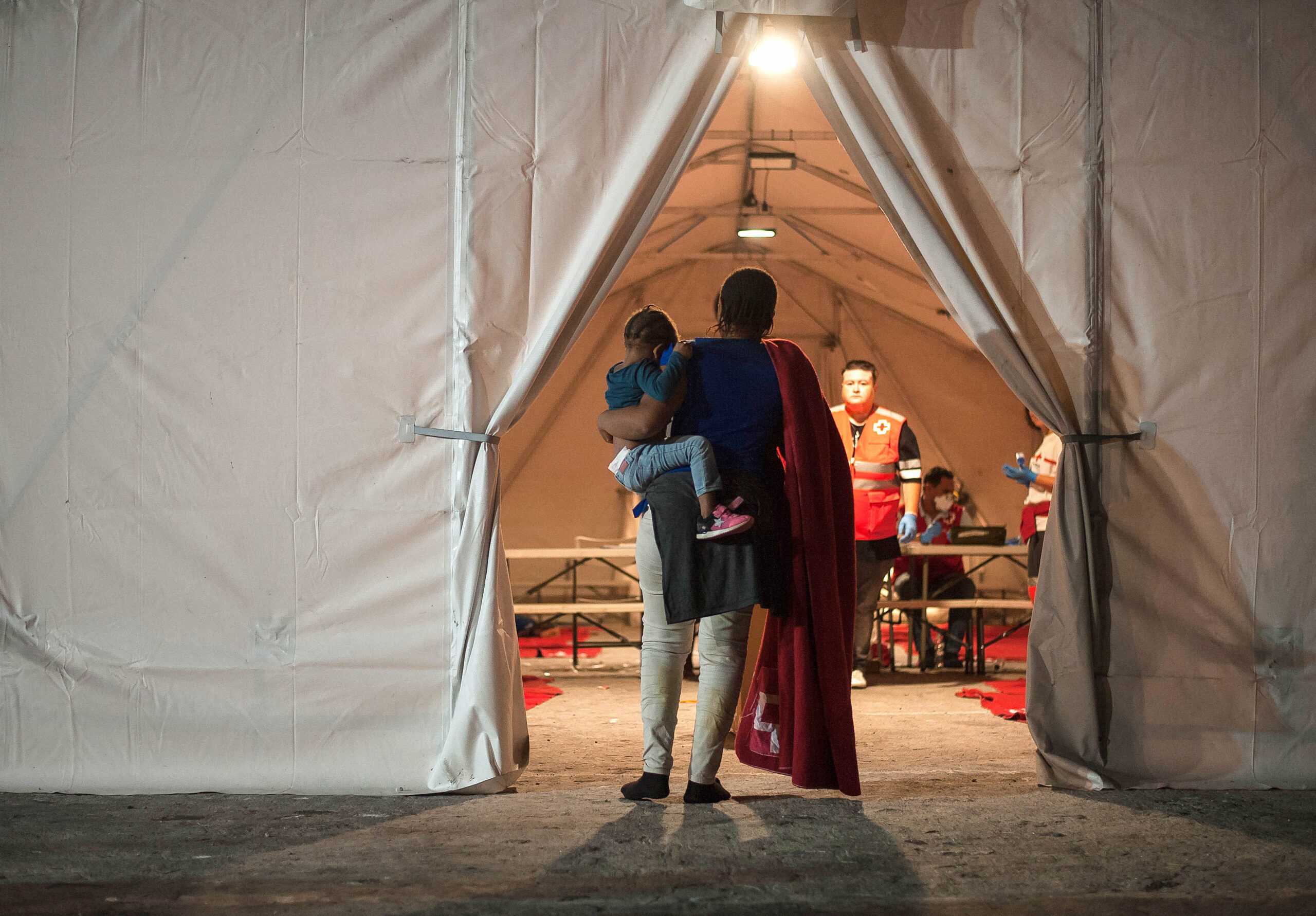
The most recent EU summit, in June 2018, only proved that the EU’s member states do not share any common long-term perspective on migration from Middle East to Europe. This lack of cohesion, as well as a lack of substantial cooperation with the U.S., are the best recipe for a humanitarian disaster in 2019.
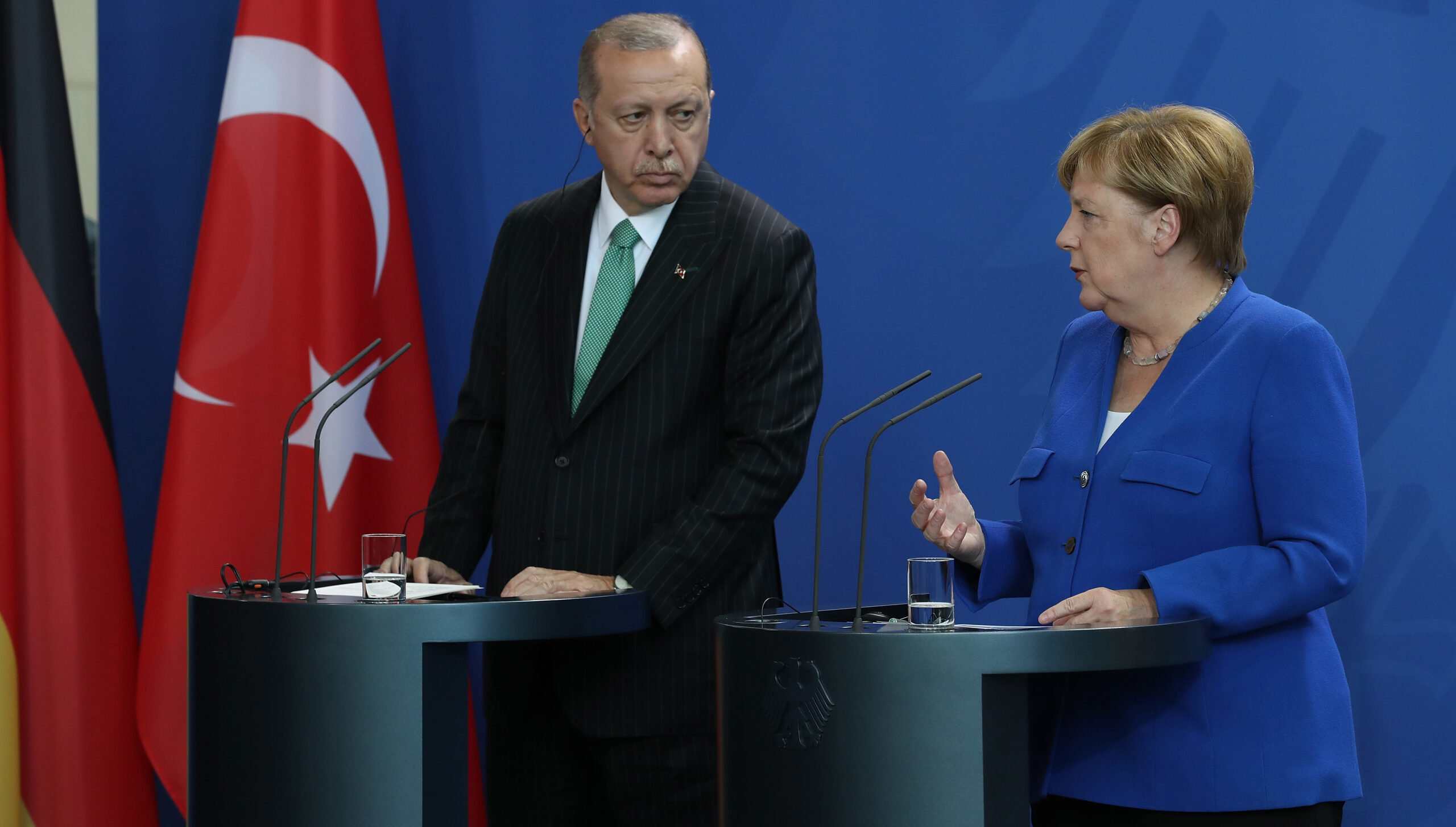
Khashoggi crisis creates new challenges for Turkey’s foreign policy
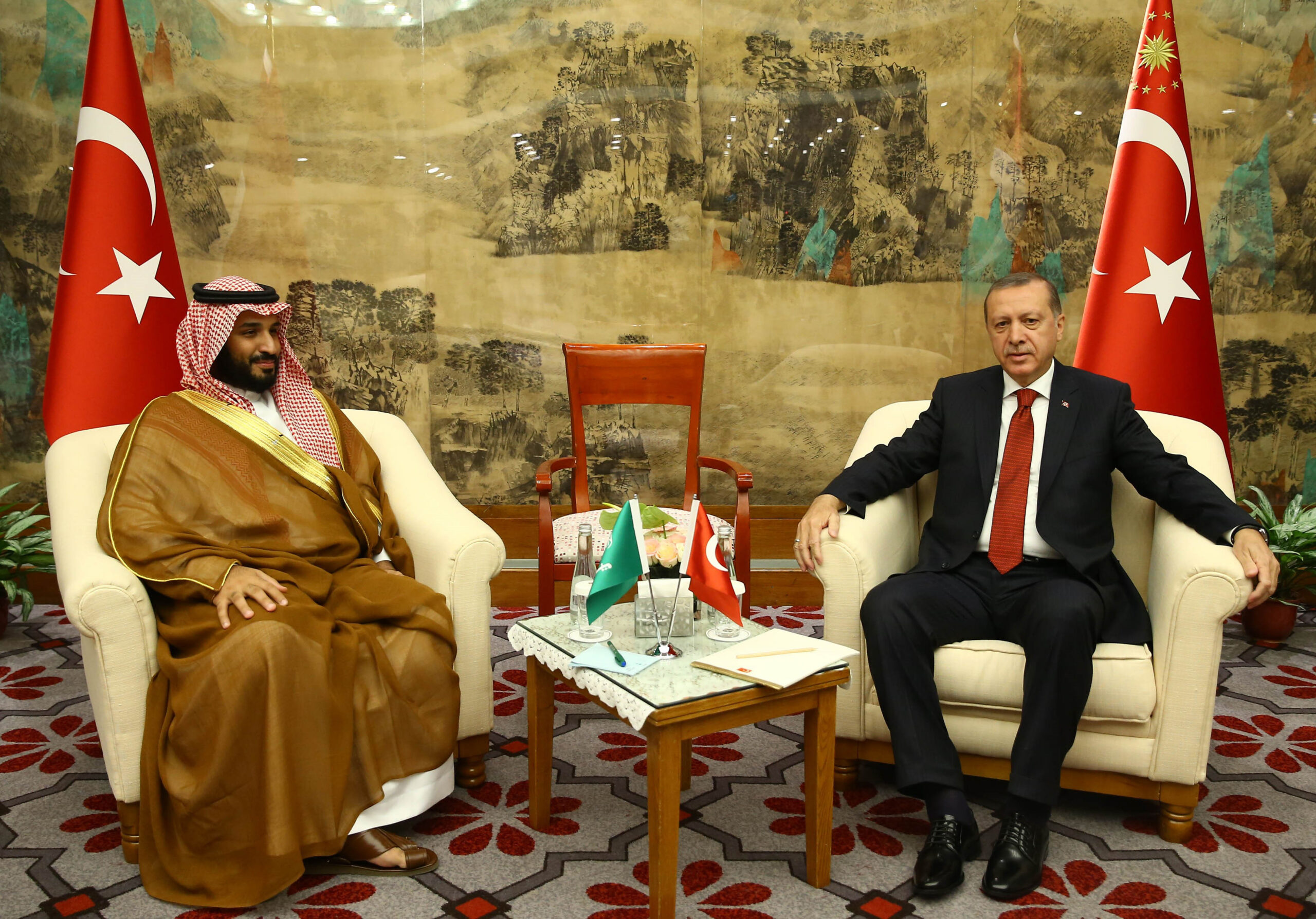
The incident threatens to spark a major crisis between the two countries, and potentially between Turkey and Saudi Arabia’s Gulf allies, putting much-needed Gulf investment at risk.
From "fascists" to friends: Erdogan embraces the EU
The one good thing that has come out of the ongoing tension in Turkey-U.S. relations has been the rapprochement between Turkey and its key European allies. With no immediate prospect of normalization with Washington, Erdogan now feels he must mend ties with the European countries that he called “Nazi remnants” not long ago to help his country’s ailing economy.
It was a busy week for Middle East policy as President Trump touched on a range of key issues at the United National General Assembly in New York, including Iran sanctions, the intra-GCC dispute, OPEC policy, Saudi domestic reforms, and the Middle East peace process, among others. Gerald Feierstein, MEI’s director for policy research, programs and government relations, and Ahmad Majidyar, director for MEI’s IranObserved program, join host Paul Salem to break down what was said, as well as what issues were left off the agenda.
The U.S.’s troubled relationship with Pakistan continues to be eroded by crisis after crisis. Leave alone the pretense of any strategic convergence, the two countries are finding it difficult to maintain even a transactional relationship. If events surrounding a short visit by U.S. Secretary of State Mike Pompeo to Islamabad are any indicator, it will not be easy to reduce the trust gap in bilateral ties.