Iran’s presidential elections are all about the post-Khamenei era
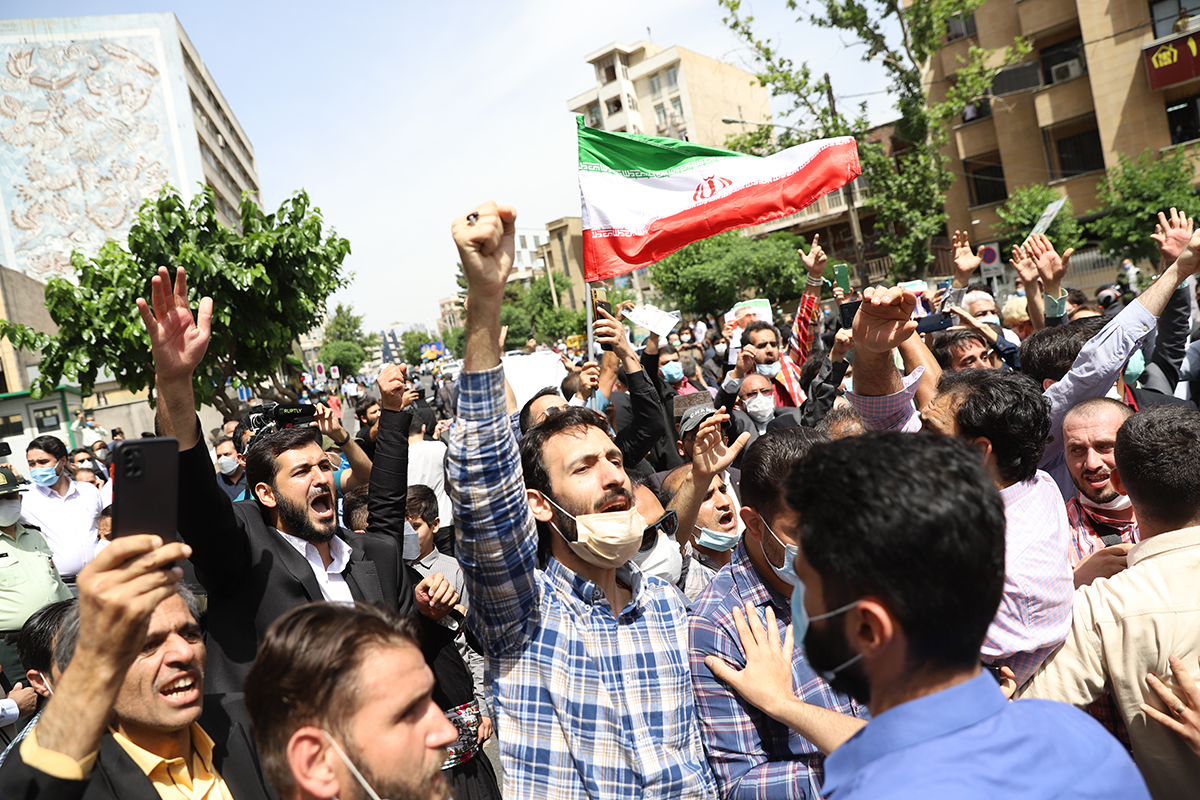
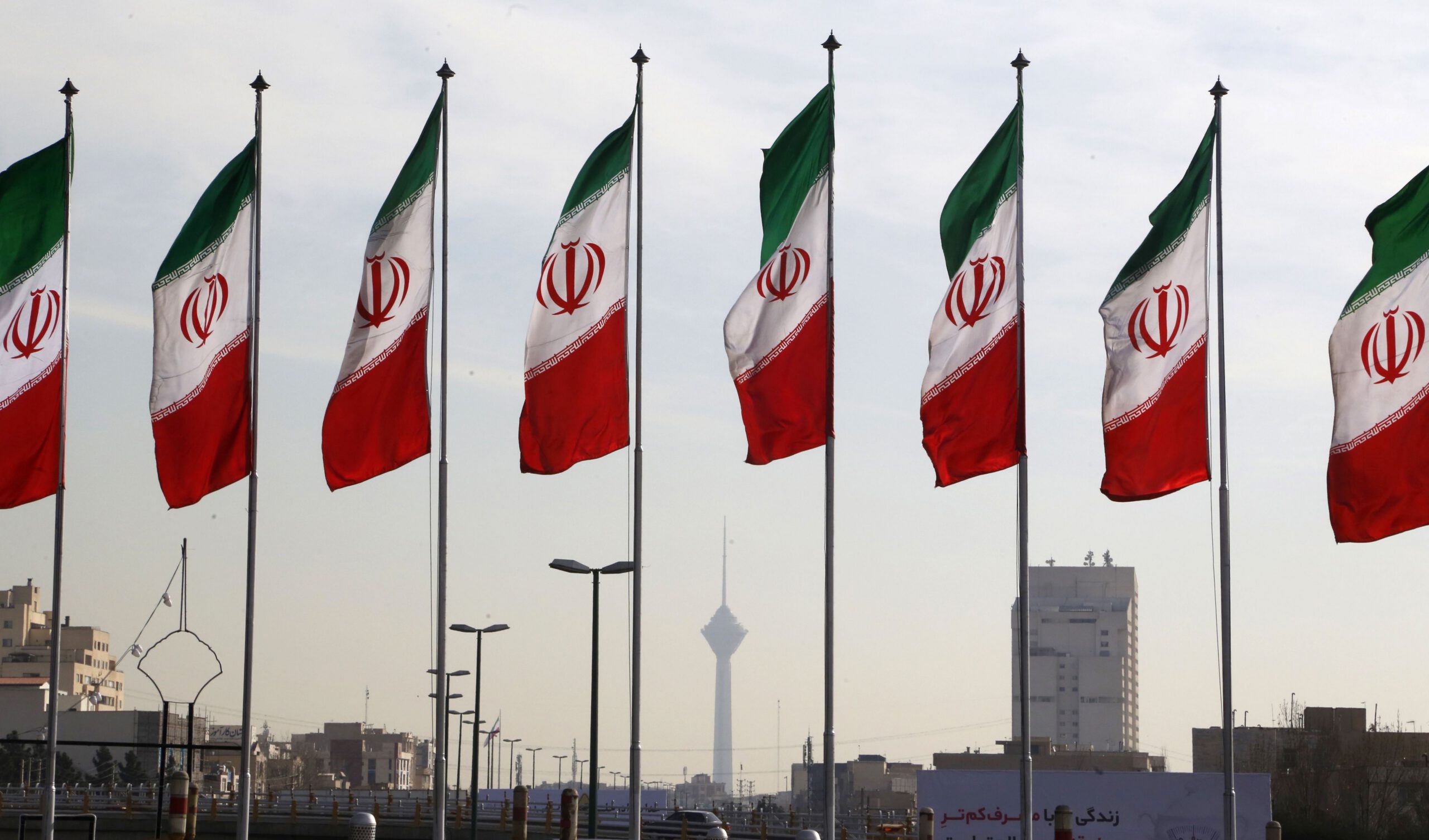
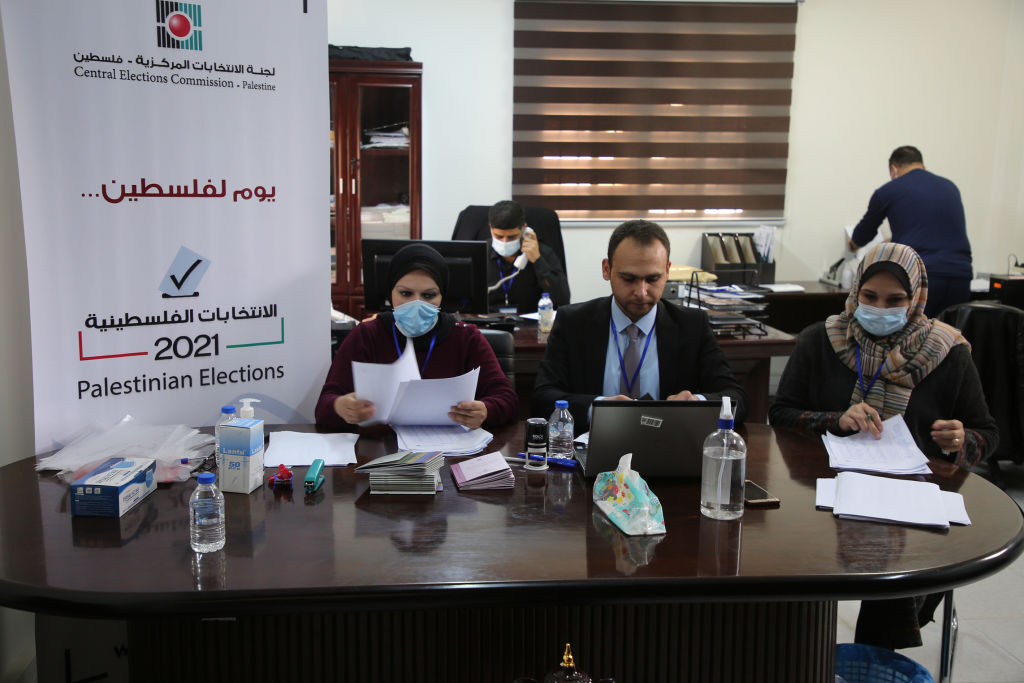
Iran will hold presidential elections on June 18 and despite considerable efforts by the authorities, the battle at the ballot box is set to be a lifeless affair. A solid majority of Iranian voters have by now entirely lost hope that voting makes any difference. Actual turnout could be as low as 20% as compared to the 73% recorded in 2017. Ayatollah Ali Khamenei, the unelected supreme leader who has ruled over Iran since 1989, is not on the ballot. Nor are the Revolutionary Guards, the armed defenders of the Islamic Republic’s theocratic system. These two institutions wield the real power in Tehran, not the Presidential Palace.
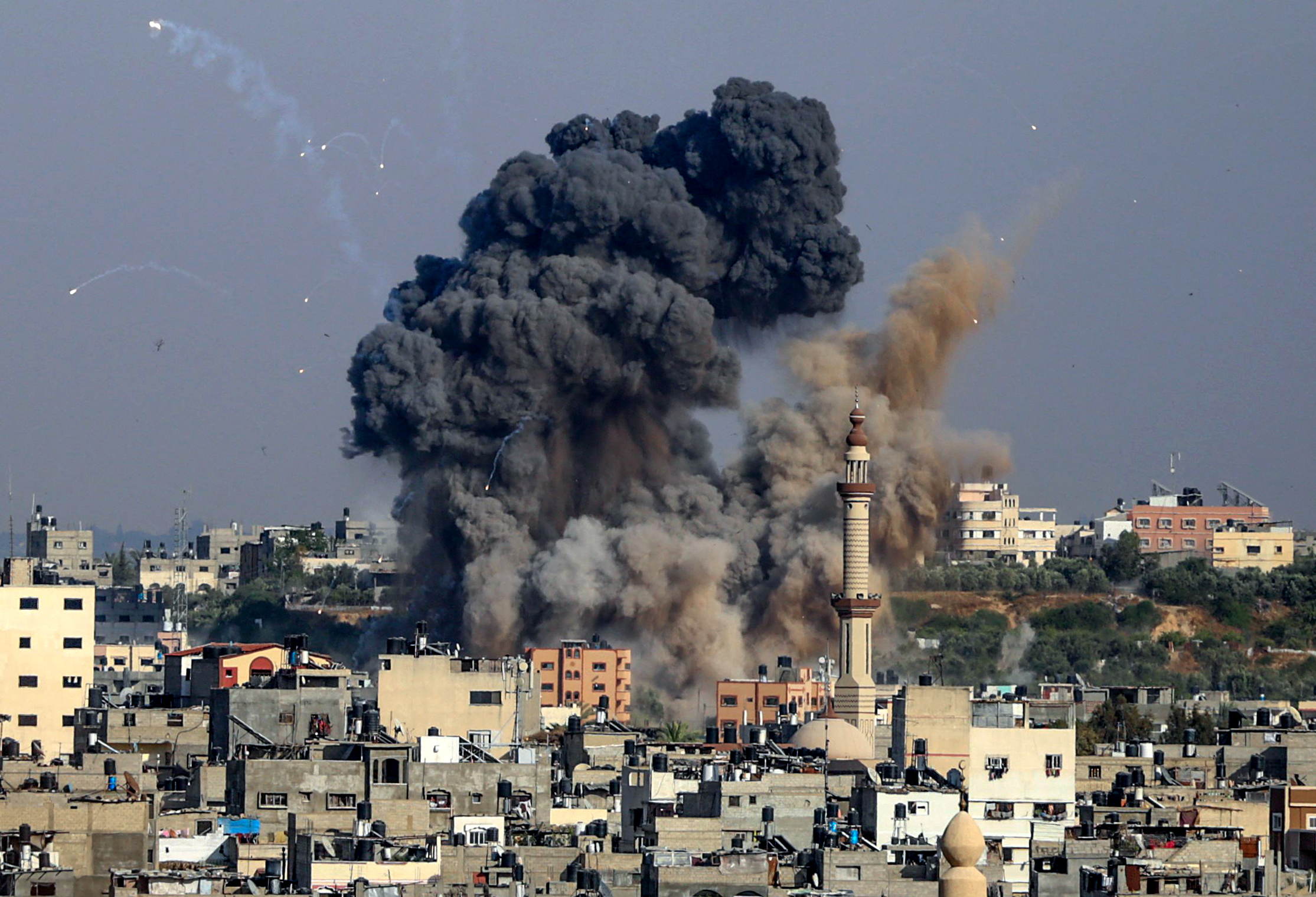
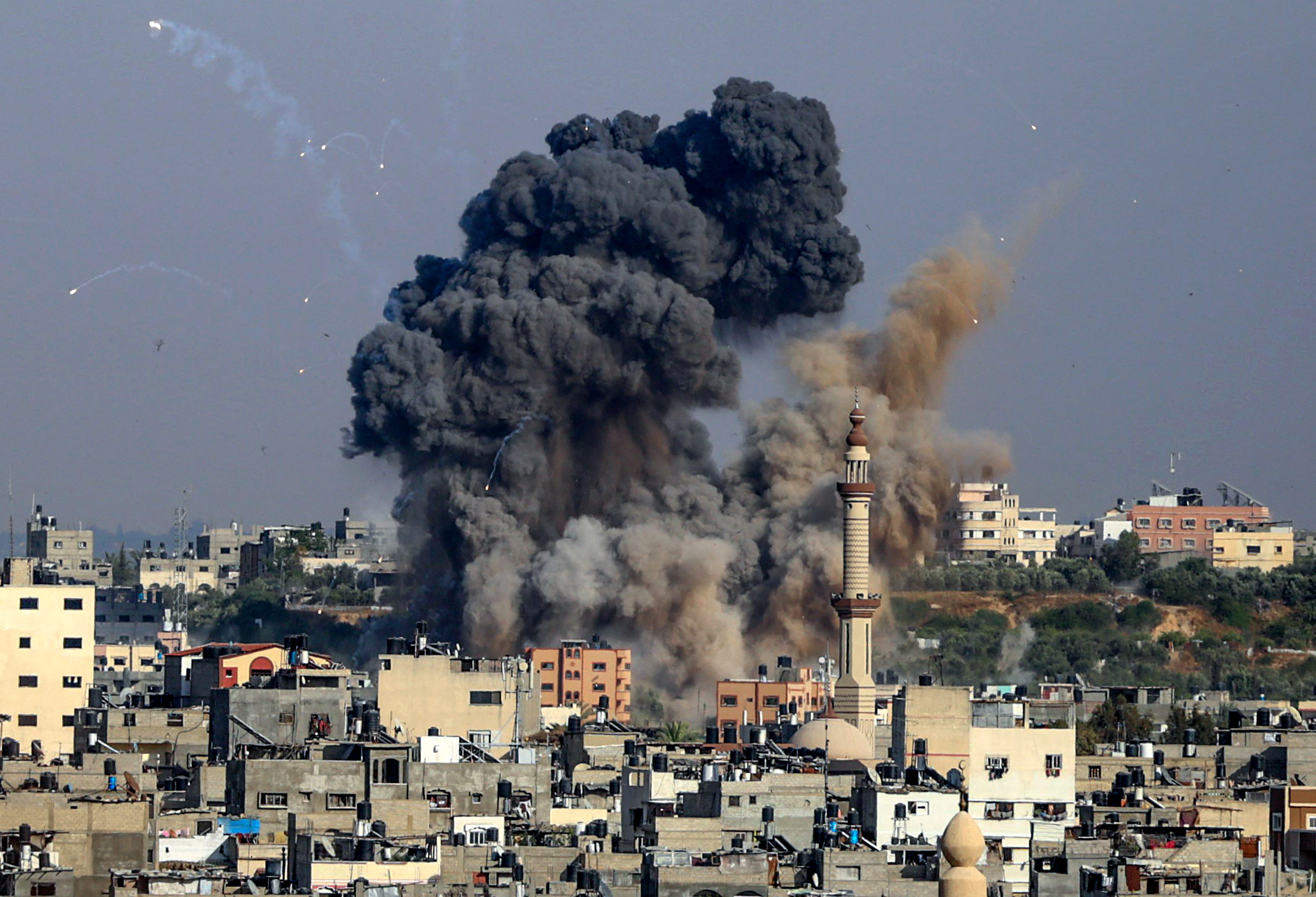
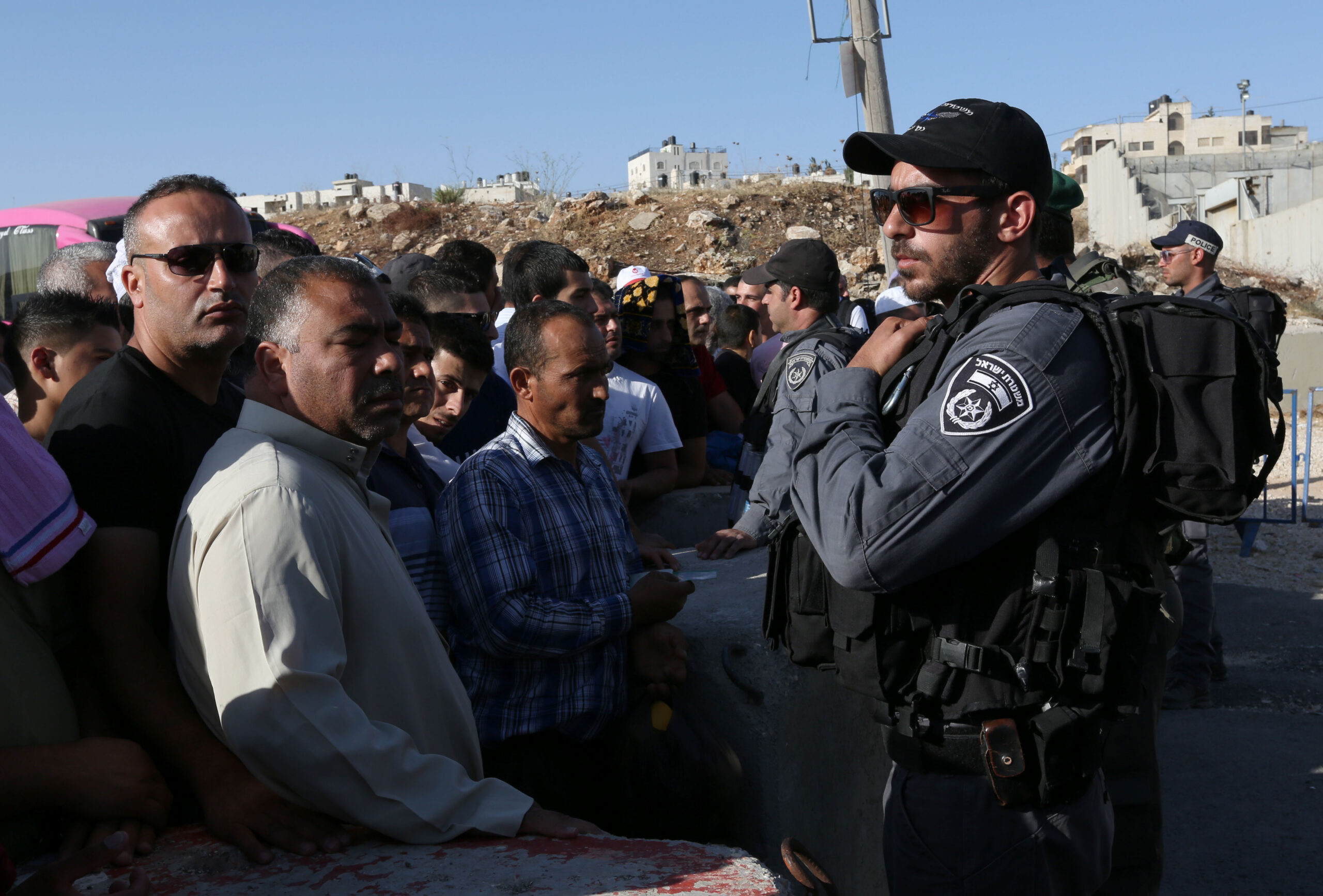
Israeli repression links the violence in Gaza and Jerusalem
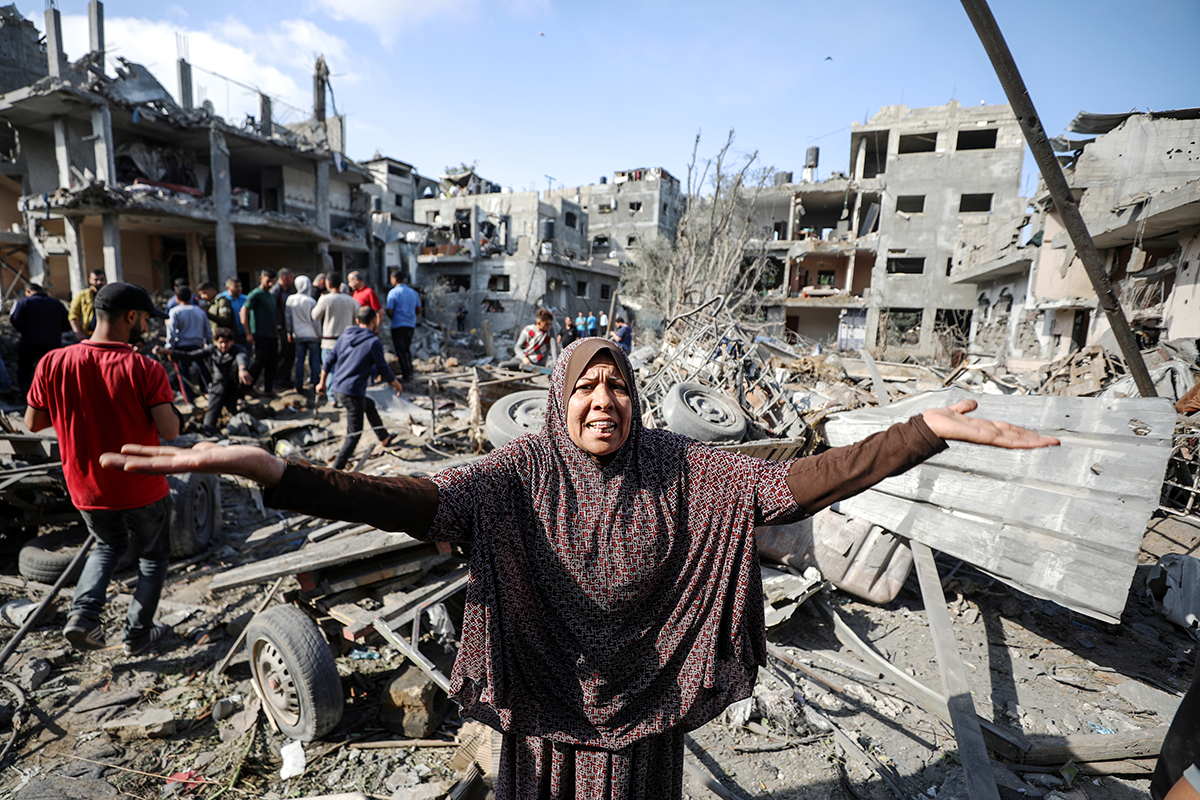
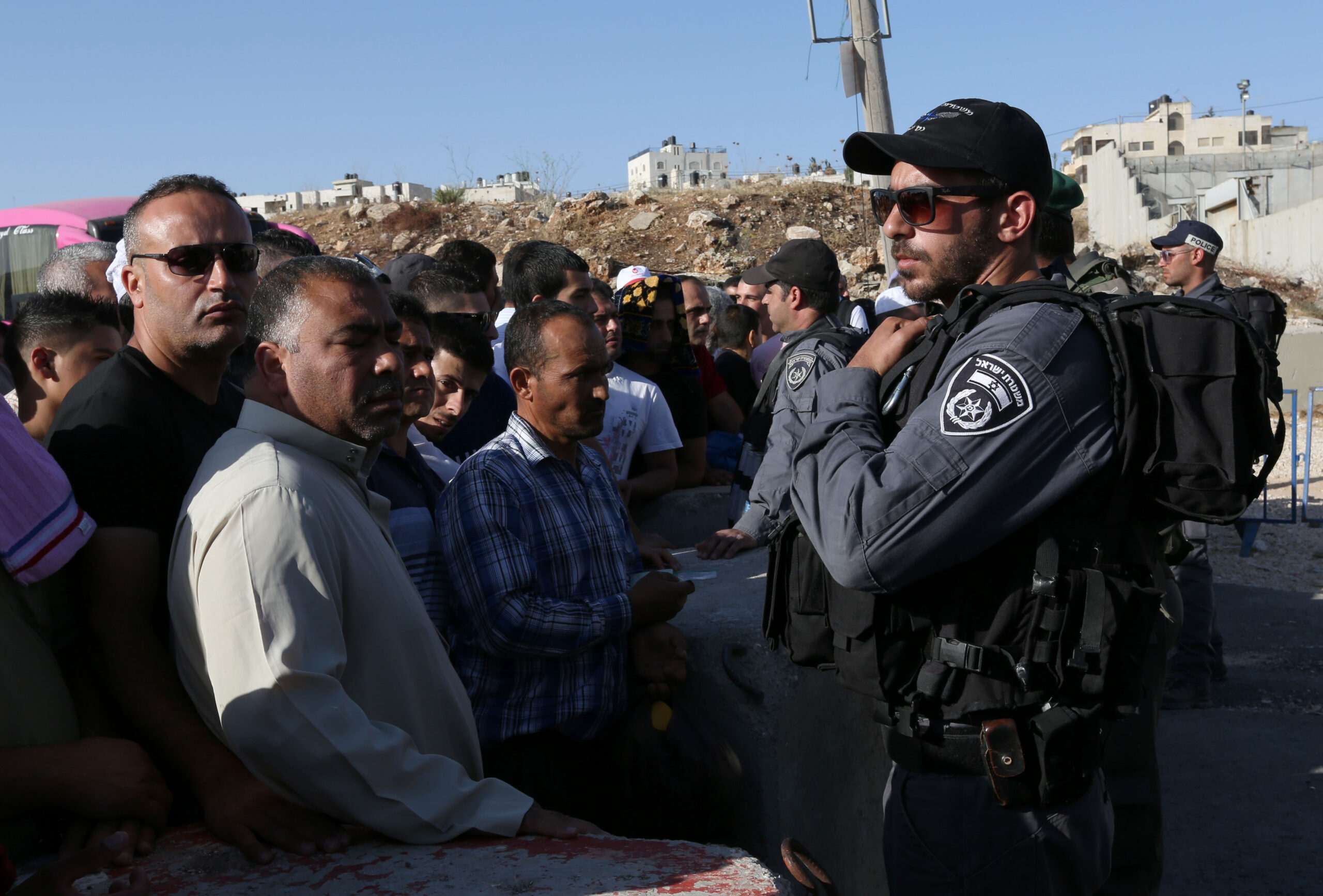
Even as it pays lip service to a two-state solution, the international community—particularly the United States—has largely acquiesced to the Israeli-imposed status quo in Gaza and East Jerusalem by exempting both areas from the political and diplomatic process.
Alex Vatanka, Abdolrasool Divsallar, and Michael Eisenstadt join host Alistair Taylor to discuss the high-level talks in Vienna, now in their fifth week, aimed at reviving the 2015 nuclear deal that the Trump administration withdrew the US from in mid-2018.
On the margins of Vienna’s nuclear talks, Riyadh and Tehran have opened their own conversation in Baghdad. Despite predictions of a potential grand bargain, Saudi and Iranian identity security will confine the results to a mere cooling of relations, at best.
Iranian sanctions evasion and the Gulf’s complex oil trade
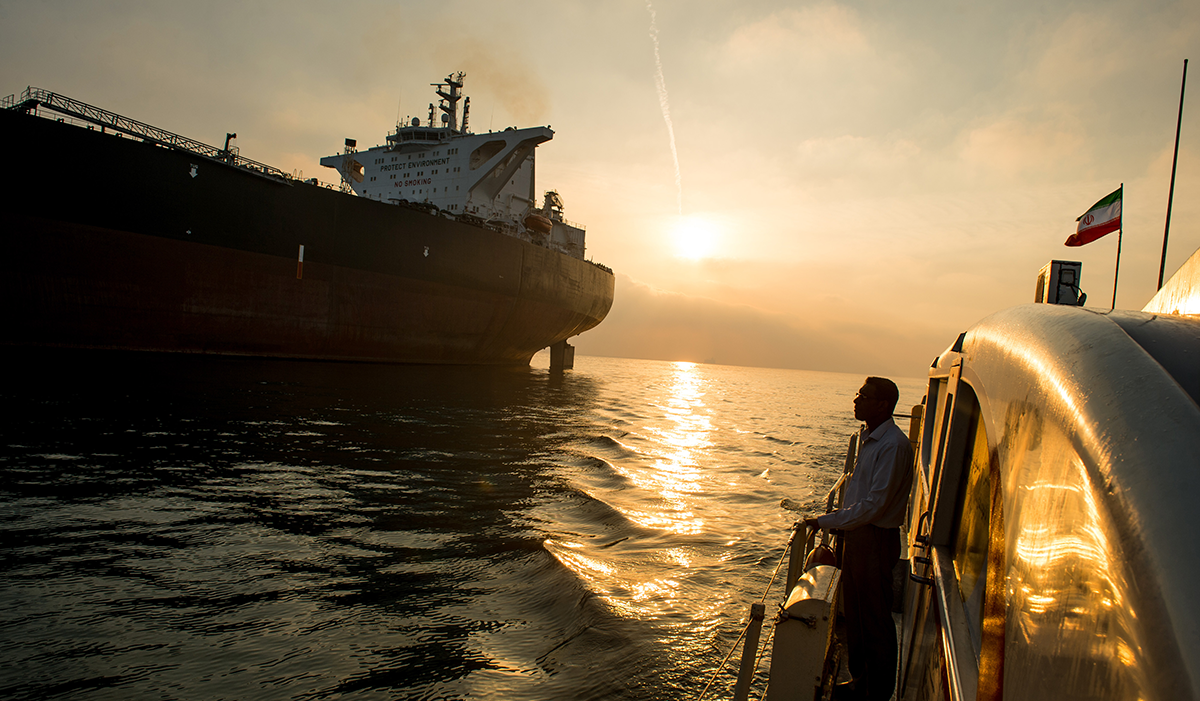
Sanctions have had a devastating impact on Iran’s oil production and exports, preventing much-needed investment in the country’s ageing fields and barring it from legally exporting crude oil to global customers. Using a range of evasion tactics, however, Iran has succeeded in circumventing sanctions and maintaining a steady — albeit much lower — level of crude exports. The Gulf’s complex regional oil market has facilitated these tactics, providing the perfect environment for trade in oil that U.S. sanctions designate as illicit.
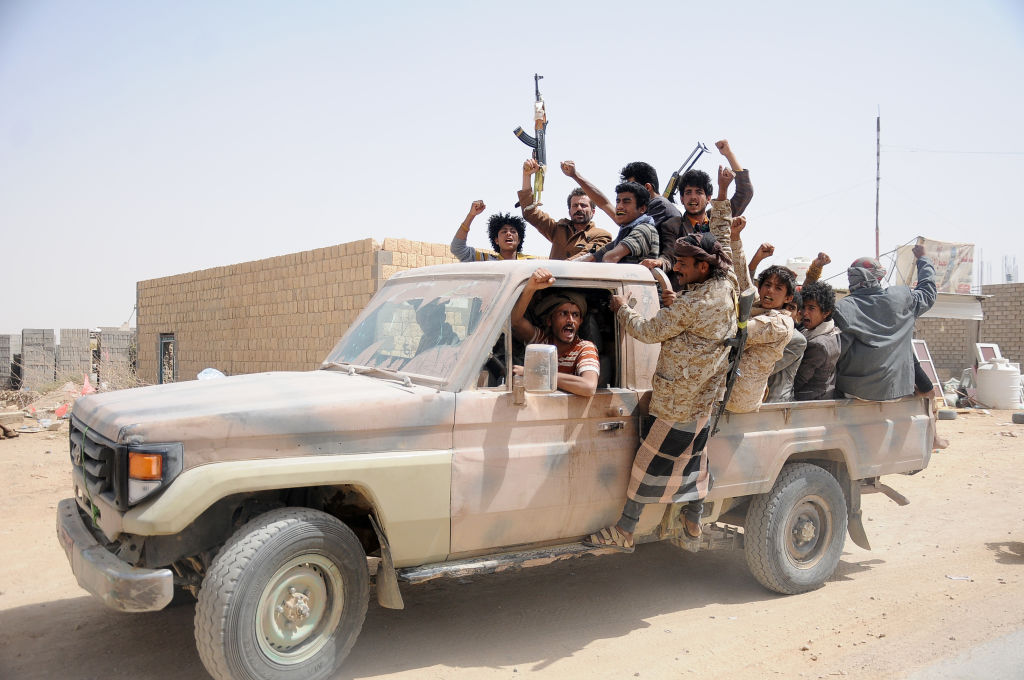
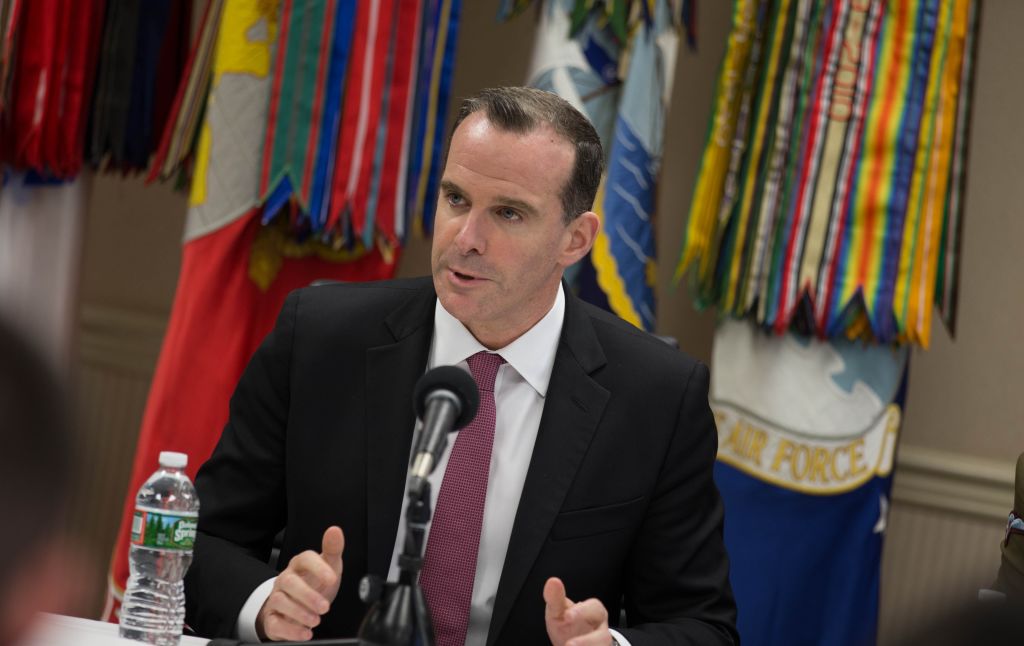
President Joe Biden’s commitment to “stepping up” diplomacy to end the war in Yemen generated hope among peace practitioners and policy shapers. In February, the president appointed Tim Lenderking, a seasoned diplomat with solid experience in the region, as the U.S. special envoy to Yemen.
EU-Iran relations: Toward a diplomatic confrontation?
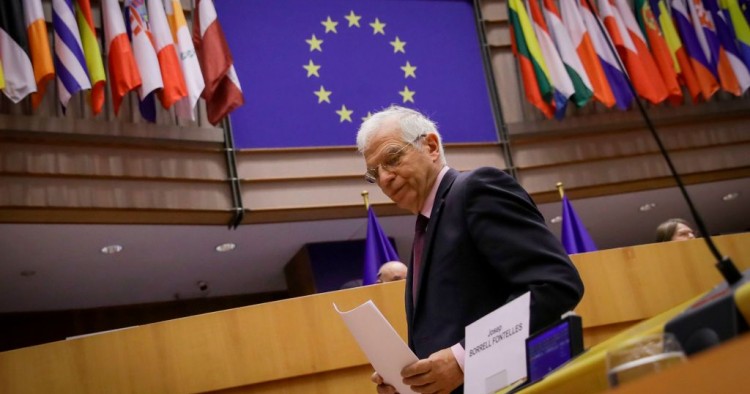
When the EU’s high representative for foreign affairs and security policy, Josep Borrell Fontelles, took office in December 2019, he emphasized the need to preserve the 2015 Joint Comprehensive Plan of Action (JCPOA) and cooperate with Iran. At the same time, he criticized then-U.S. President Donald Trump for maintaining extended sanctions — which in practice prevented leading European firms from concluding large contracts with partners in Iran — and for the U.S.’s withdrawal from the provisions of the treaty.