P.M.F. Forces Participate in Hawija Offensive ahead of Kurdish Referendum Vote
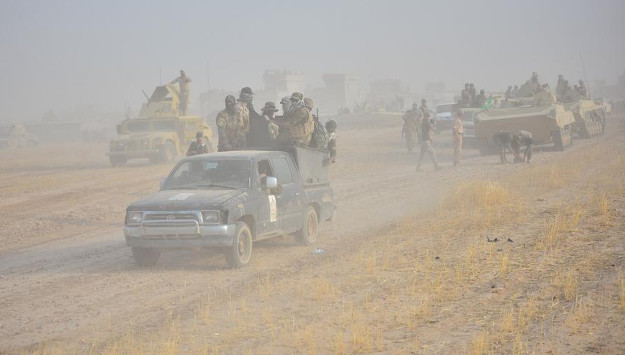
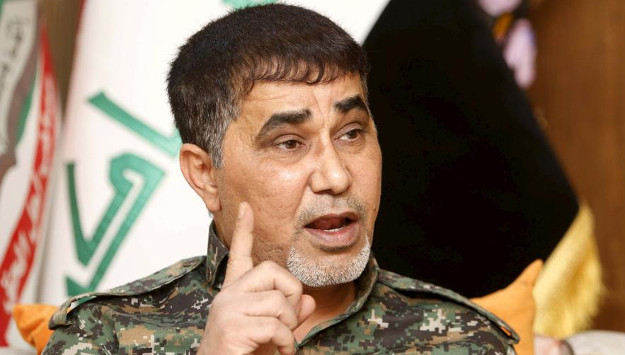
On Thursday, Abu Mahdi al-Muhandis, the operational chief commander of Iraq’s Popular Mobilization Forces, announced the start of the first phase of a military operation to liberate the town of Hawija in the disputed province of Kirkuk. The P.M.F. vice-chairman explained that the offensive began from four main fronts: the Iraqi security forces and P.M.F. paramilitary troops will first capture al-Shirqat, a Sunni Arab town in Salahuddin Province, and then advance into Hawija.
Kurdish Referendum a Reaction to Iraqi Government’s Failure to Implement Constitution
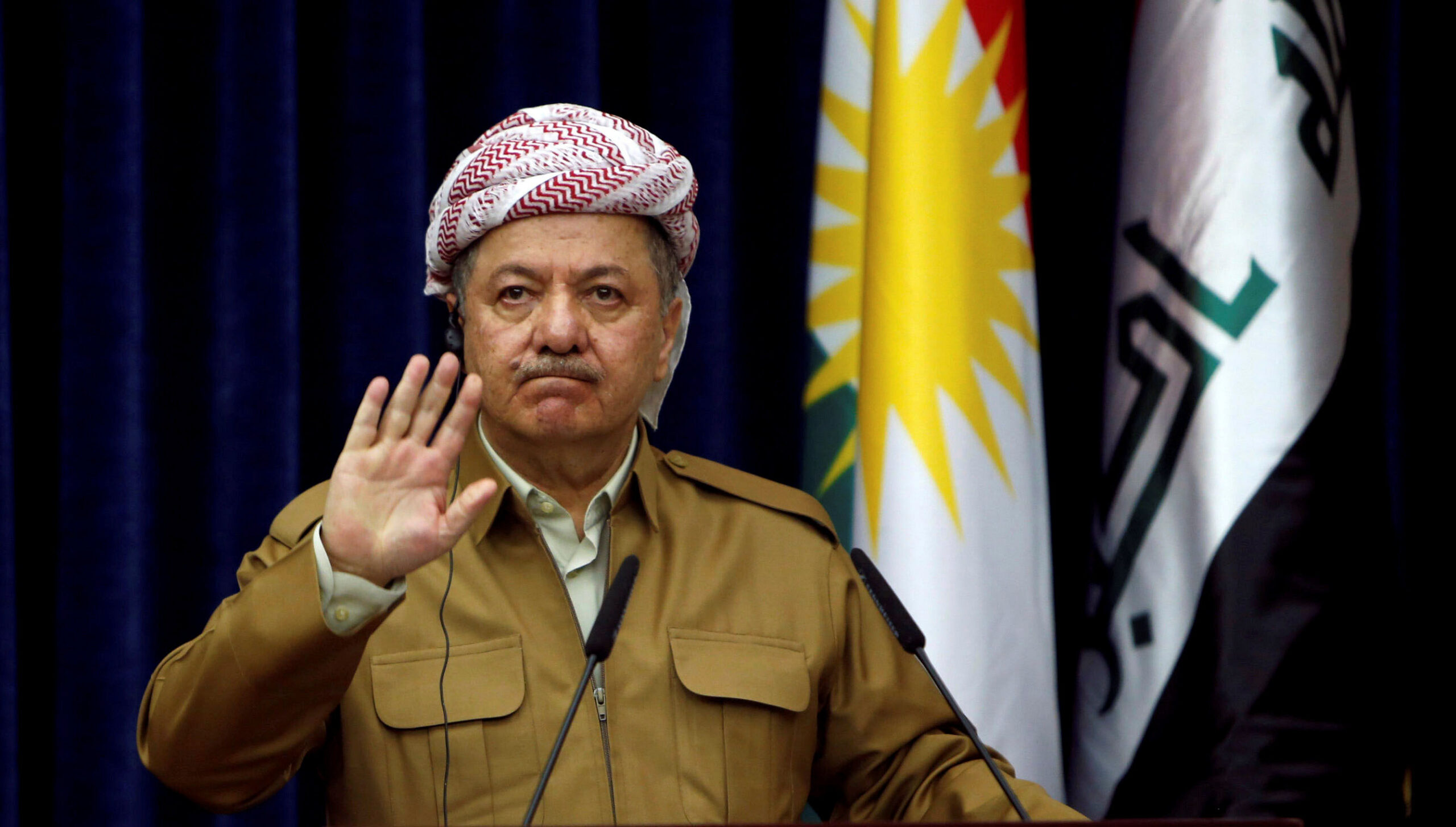
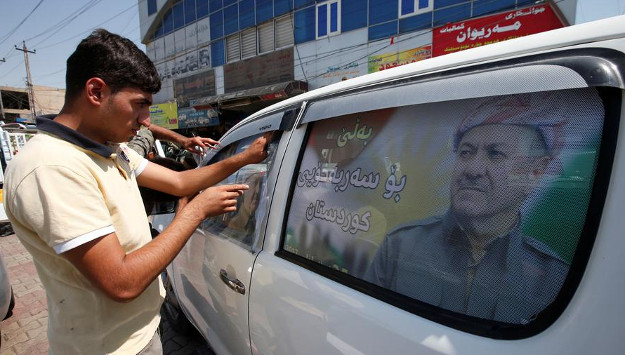
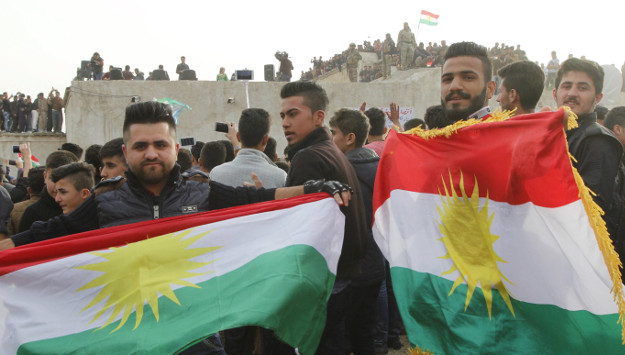
The upcoming independence referendum in Iraqi Kurdistan is partially a consequence of politicization of the Kurdish constitutional demands by Iraqi political leaders. The Kurdistan Regional Government (K.R.G.) was officially recognized by the Iraqi state when Saddam Hussein’s regime fell in 2003 and the new government installed a federal system. In 2004, the Transitional Administrative Law established the Iraqi Transitional Government, and officially recognized the K.R.G. for the first time in the history of the Iraqi state.
Kata’ib Hezbollah: We’re Ready to Fight American Troops in Iraq
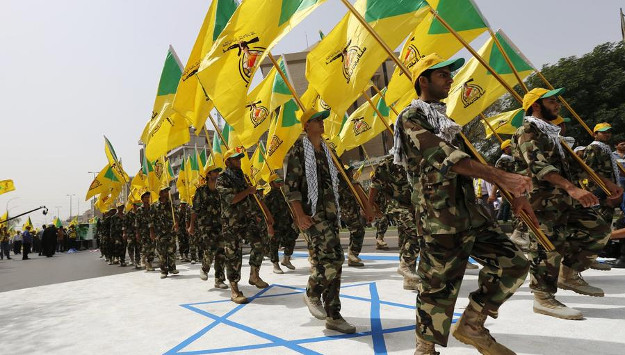
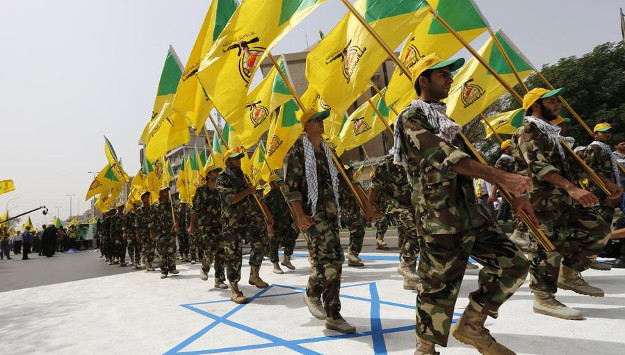
Kata’ib Hezbollah, an Iranian-supported Iraqi militia group, has threatened to “fight American occupiers” and accused U.S. troops of aiding the Islamic Statein Iraq. “Washington is engaged in smuggling and evacuating Islamic State criminals from Iraq,” Jafar al-Husseini, the spokesman of the group, was quoted as saying in an article published on the organization’s official website. It added that the group will release evidence to substantiate the allegations in the future.
Iran-Backed P.M.F. Commander Warns of Civil War over Iraqi Kurdistan Dispute
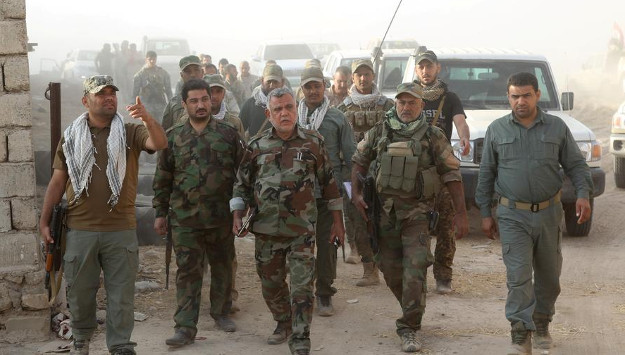
The leader of a powerful group within Iraq’s Popular Mobilization Forces (P.M.F.) has warned that the country could lapse back into anarchy and civil strife over the escalating dispute on the Kurdish autonomy.”If tension over the Iraqi Kurdistan’s referendum continues, it will certainly culminate in civil war” Hadi al-Amiri, the head of Iranian-supported Badr Organization, was quoted as saying by Iran’s Fars News Agency.
Will Pakistan Reassess its Ties to Terror Groups after Trump Speech?
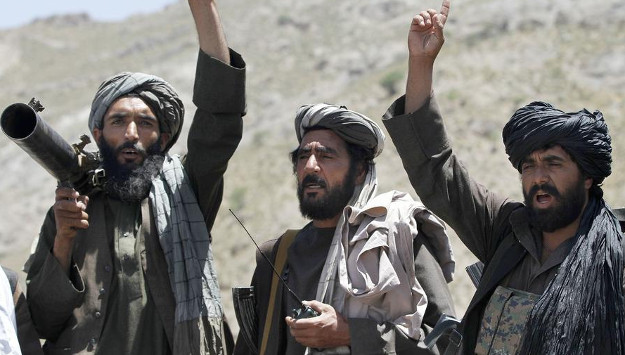
The major components of President Donald Trump’s much-awaited Afghanistan strategy are sufficient to give Pakistani strategists sleepless nights. The new plan will acknowledge Pakistan’s significant role in providing safe havens for terrorists; escalate war against the Afghan Taliban while denying it the ability to fight its way into positions of power; and enhance India’s role in stabilizing and developing Afghanistan. Moreover, the strategy does not provide deadlines for withdrawal of U.S. forces.
Iranian-Backed Iraqi Group: Our Forces Are Ready to Recapture al-Qa'im near Syrian Border
A commander of Iraqi Popular Mobilization Forces (P.M.F.) has announced that the paramilitary forces have taken complete preparations to recapture remaining areas under the Islamic State control in western parts of al-Anbar Province close to the Syrian border. According to Fars News Agency, an Iranian outlet affiliated with the Islamic Revolution Guards Corps (I.R.G.C.), Jawad al-Talibawi, the spokesperson for the armed wing of Iranian-supported Asaib Ahl al-Haq, said P.M.F.
Iraqi Forces Turn Attention to Hawija | Monday Briefing
In this week’s Monday Briefing, MEI experts Paul Salem, Robert S. Ford, Alex Vatanka, and Bilal Y. Saab provide analysis on recent and upcoming events including the Iraqi military’s new operation to take back the town of Hawija from ISIS, the operation by the Syrian regime and U.S.-backed forces in Deir Ezzor, the Pakistani foreign minister’s visit to Iran, and the resumption of U.S. and Egyptian war games after being suspended since the 2011.
Tehran, Proxies Warn against U.S. Military Presence in Post-ISIS Iraq, Syria
The United States is seeking to keep a significant military presence in Iraq and the broader region after the fall of the Islamic State, warns an article in the Islamic Republic News Agency. The author points out that pro-Syrian regime forces have made important territorial gains against the Islamic State recently and claims that the lifting of a siege over the eastern city of Deir Ezzor marks the beginning of the terrorist group’s end.
Iran Warns K.R.G.’s Independence Plan Could Thrust Iraq back into Chaos
As the Iraqi Kurdistan is set to hold an independence referendum on September 25, Iranian leaders and media outlets continue to warn against the consequences of such a move.
Senior Iraqi Shiite Leader Says Ties with Tehran Remain Strong
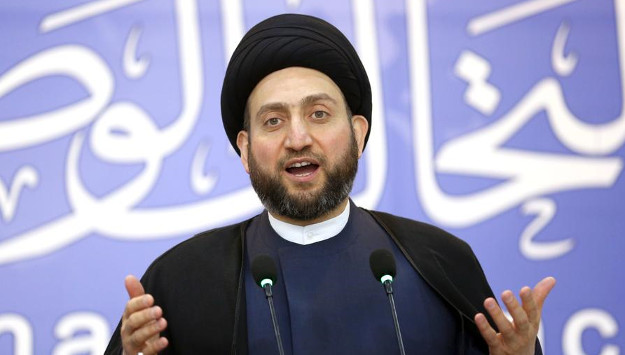
Ammar al-Hakim, a senior Iraqi Shiite politician and cleric, has rejected reports that relations between Tehran and Iraqi Shiite leaders have been souring lately.
Iran-Backed Militia Group Threatens to Attack U.S. Troops in Iraq
A commander of Iranian-backed Iraqi militia group has warned that his forces will target American troops in Iraq if they do not leave the country after the battle against the Islamic State is over, the Iranian media reported. Jafar al-Hussaini, the spokesman for Kata’ib Hezbollah (Hezbollah Brigades), also accused the United States and the leadership of the Iraqi Kurdistan of assisting Islamic State militants to safely withdraw from Tal Afar, an Iraqi city west of Mosul recently liberated from the Islamic State.
Top Afghan Military Official: We Have Evidence Iran Provides Weapons to Taliban
The Chief of General Staff for the Afghanistan National Defense and Security Forces has said that the Kabul government has evidence that Iran is providing weapons and other military assets to the Taliban in western Afghanistan. In an interview with the BBC Persian, Lieutenant General Mohammad Sharif Yaftali added that President Ashraf Ghani discussed the issue with his Iranian counterpart Hassan Rouhani last month in Tehran but did not disclose details of the meeting.
What will a Future Kurdish State Do with its Own Minorities?
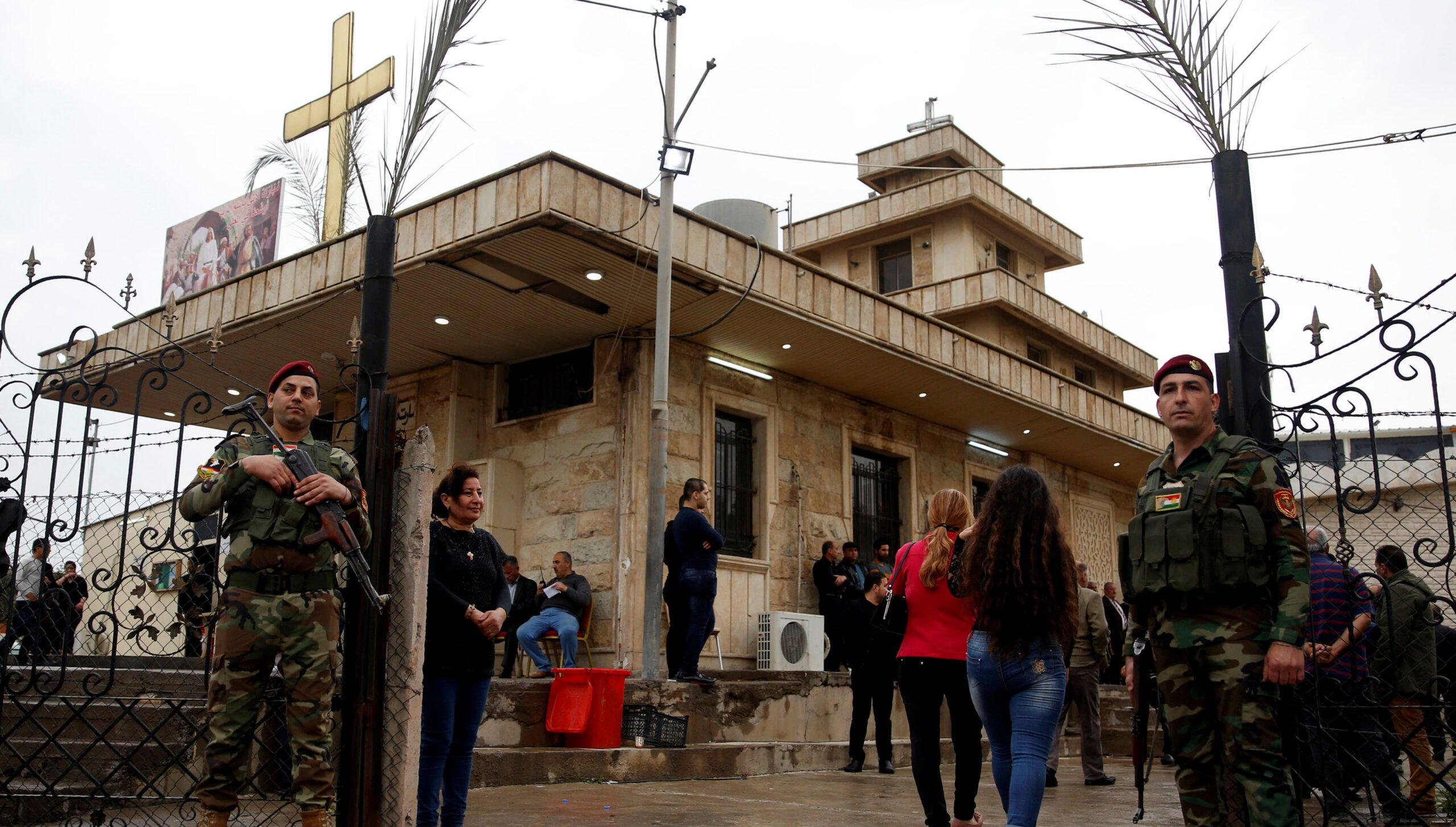
The Kurdistan Region of Iraq (K.R.I.) is expected to hold a referendum on independence from Iraq on September 25. While the disputes between Kurds and Iraq’s Sunni and Shiite Arab populations will be a key factor in any independence process, the realities of building a Kurdish state in northern Iraq will be made more complex by the enormous ethnic and religious diversity in the region.
Iran: Consequences of Referendum Will be Dire for Iraq and Region
Secretary of Iran’s Expediency Council Mohsen Rezaei has warned that the consequences of the Iraqi Kurdistan’s plan to hold an independence referendum will be dire for Iraq and the broader region. “Disintegration of Iraq would mark the beginning of widespread insecurity not only in Iraq, but in the entire region… We oppose such a referendum and call on the Kurdish leaders to halt that plan,” he said at a press conference in Baghdad on Monday.
MEI experts Paul Salem, Will Wechsler, Marvin Weinbaum, and Ahmad Majidyar discuss current issues in Afghanistan and Pakistan, and U.S. policy and strategic interests in the region.