Saudi Analysis: Iran’s Response to Bahrain Terror Attack Proves Dialogue Impossible
Salman al-Dossary, Editor-in- Chief of al-Sharq al-Awsat newspaper, observed that the Iranian response to the January 1 terror attack on a Bahraini police station, killing a police officer and allowing prisoners to escape, proves that there is no basis for a constructive dialogue between the Arab Gulf states and Iran.
Toward a Regional Framework for the Middle East: Takeaways from other Regions
Regional Cooperation Series
This Policy Paper is part of the Middle East Institute’s Regional Cooperation Series. Throughout 2016, MEI will be releasing several policy papers by renowned scholars and experts exploring possibilities to foster regional cooperation across an array of sectors. The purpose is to highlight the myriad benefits and opportunities associated with regional cooperation, and the high costs of the continued business-as-usual model of competition and intense rivalry.
UAE's Siding with Saudi Arabia in Diplomatic Row Unsettles Iran
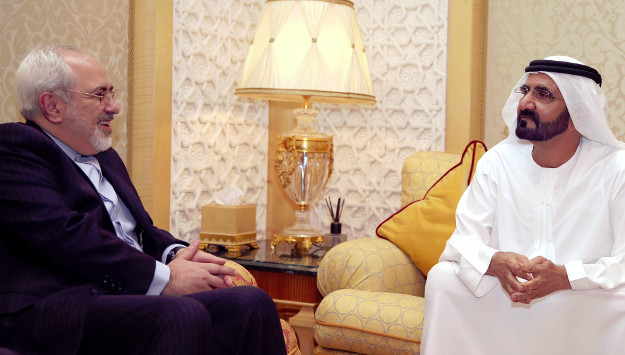
Diplomatic relations between Iran and the United Arab Emirates are going through another rough patch as the latter recently submitted a letter to the United Nations General Assembly, expressing concern over Iran’s “expansionist” policies in the region.
U.S.-G.C.C. Relations: Recommendations for the Next Administration
The United States will confront a new and very different set of challenges in its relationship with the G.C.C. states over the coming four years. For the first time since the end of World War II, a new administration will come to power in Washington next January facing a ‘trust deficit’ in its management of relations with its G.C.C. partners. The overwhelming Congressional vote to override President Barack Obama’s veto of the JASTA legislation was interpreted in the region as a lessening of popular support for the U.S.-G.C.C. relationship.
Briefing: Middle East Reactions to the U.S. Election
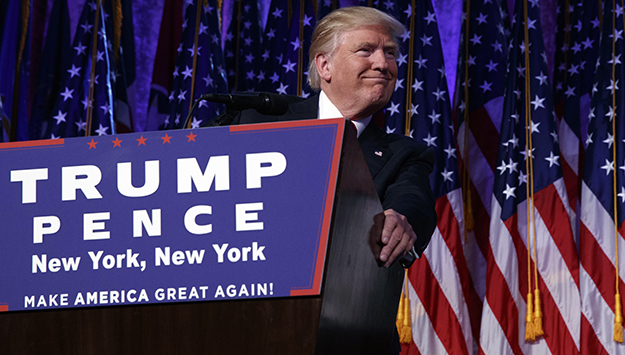
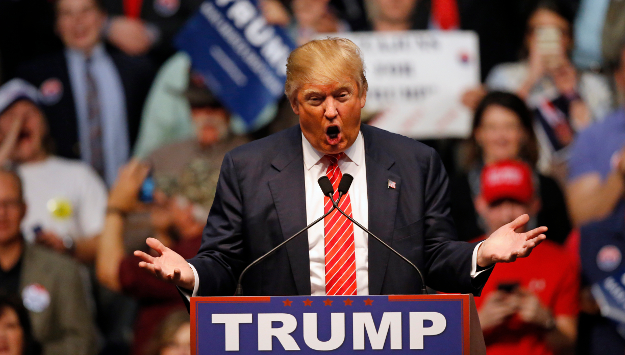
In this special edition of our weekly briefing, MEI experts Paul Salem, Robert S. Ford, Eran Etzion, Gonul Tol, Alex Vatanka, and Gerald Feierstein provide analysis on the impact of Donald Trump’s victory in the U.S. Presidential Election on the future of Middle East policy, its particular effect on the crises in Iraq and Syria, and how the news has been received across the region, including in Turkey, Iran, and the GCC.
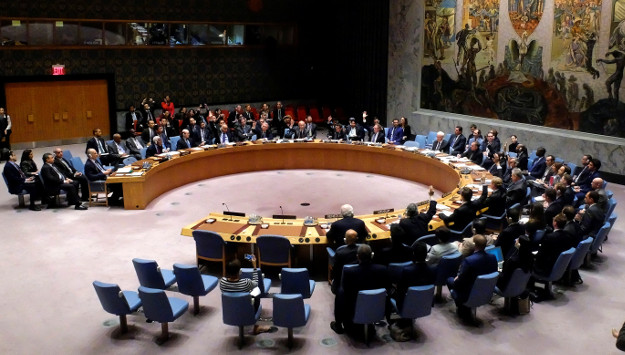
In this Weekly Briefing, MEI experts Robert S. Ford, Gonul Tol, and Ruba Husari provide analysis on issues including the UNSC’s inability to administer diplomatic solutions in Syria, the rebuilding of diplomatic ties between Russia and Turkey, and OPEC’s ongoing consideration of how to control member state oil production.
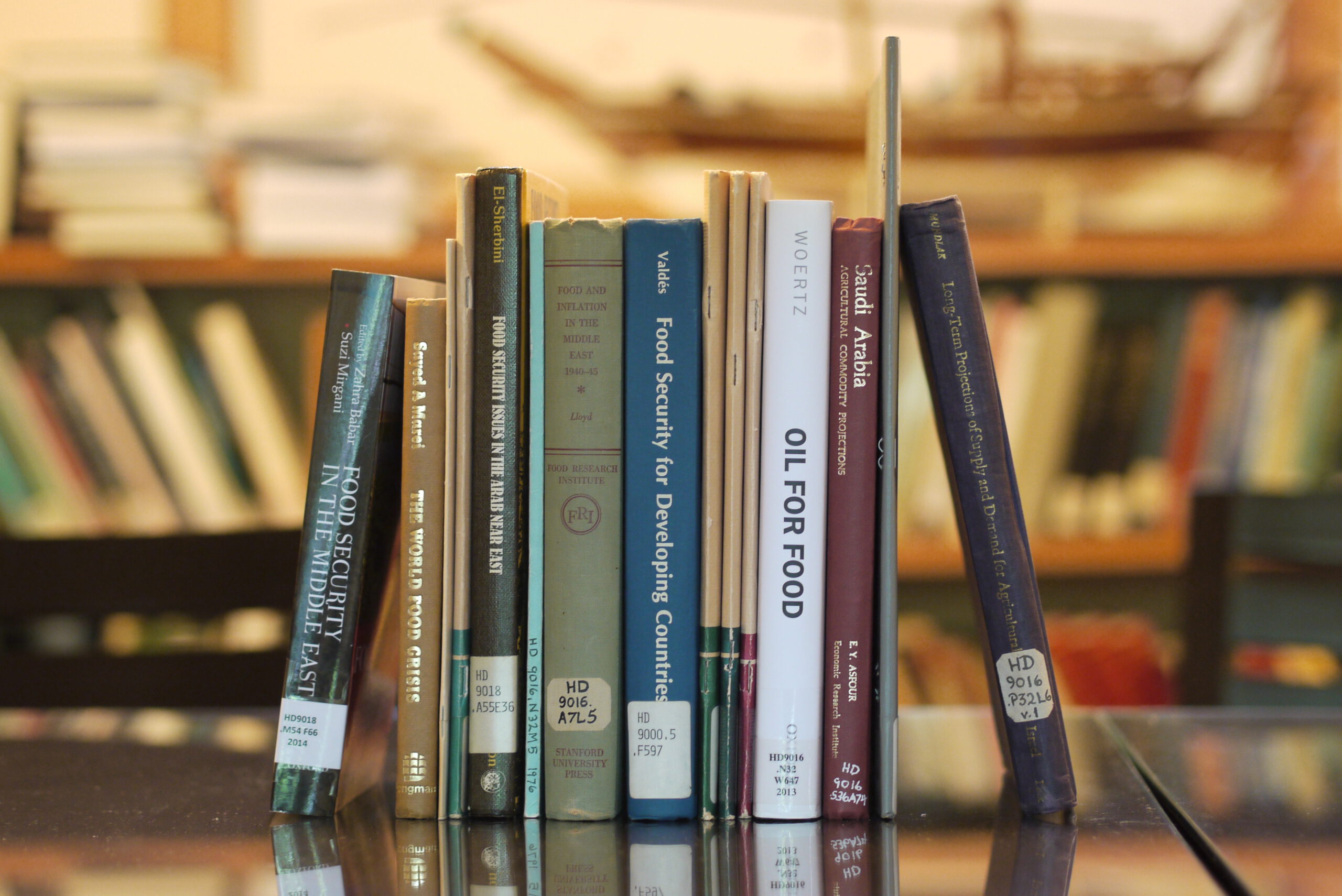
“[Food insecurity has] the potential to amplify destabilization, engender violence, and even accelerate state failure processes in an already geopolitically charged region”
– Andy Spiess in Food Security in the GCC Economies (2012)
G.C.C., Iran Look to Sea Trade to Reduce Dependence on Oil
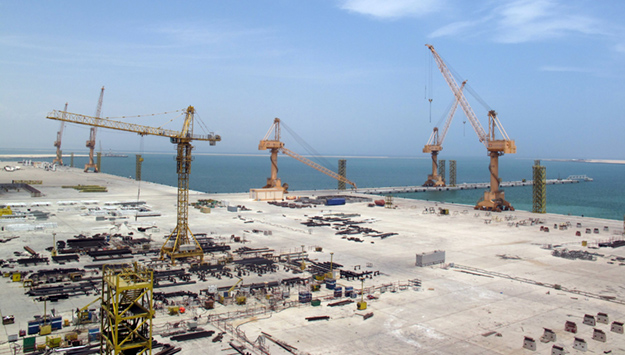
Continuing low oil prices have prompted Persian Gulf states to diversify their heavily petro-dependent economies. This issue is forcing the oil-rich states to invest and expand their potential as international trade hubs as a pathway away from the time bomb of single commodity exports. As many Gulf states have outlined in economic plans, as well as developed on the ground, maritime trade is an increasingly essential link connecting the Middle East to the global economy.
The G.C.C. and China’s One Belt, One Road: Risk or Opportunity?
China’s One Belt, One Road (OBOR) initiative does not provide an equal opportunity for all states, and, in the case of the Gulf, it is Iran that will likely benefit over all others. The states of the G.C.C. also factor into Beijing’s plan, just not to the same degree―and that is the problem. Yet, as this essay shows, using OBOR and existing comparative advantages will allow the states of the G.C.C. to balance Iran’s potential windfall.
Much has been made, particularly by Israelis, of the expanding horizons for collaboration between the Jewish state and Arab Gulf states. Israeli ministers and business people lose no opportunity to tout Israel’s interest in expanding ties of all sorts in a region viewed as a valuable market for Israeli industry and an intelligence gold mine.
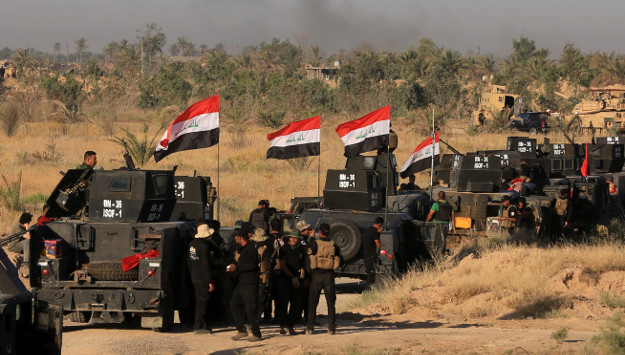
The battle for Fallujah, Thursday's OPEC meeting, and Hariri's loss in Tripoli
In this week’s briefing, MEI experts Charles Lister, Herman Franssen, and Paul Salem provide analysis on recent and upcoming events including the battle for Fallujah, Thursday’s OPEC meeting, and Saad Hariri’s defeat in Tripoli, Lebanon.
The Potential for Intra-Regional Energy Cooperation
Regional Cooperation Series
This Policy Paper is part of The Middle East Institute’s Regional Cooperation Series. Throughout 2016, MEI will be releasing several policy papers by renowned scholars and experts exploring possibilities to foster regional cooperation across an array of sectors. The purpose is to highlight the myriad benefits and opportunities associated with regional cooperation, and the high costs of the continued business-as-usual model of competition and intense rivalry.
Philip Gordon, a former Middle East policy adviser in the White House, likes to say that President Barack Obama learned three lessons from the region’s unending turmoil.
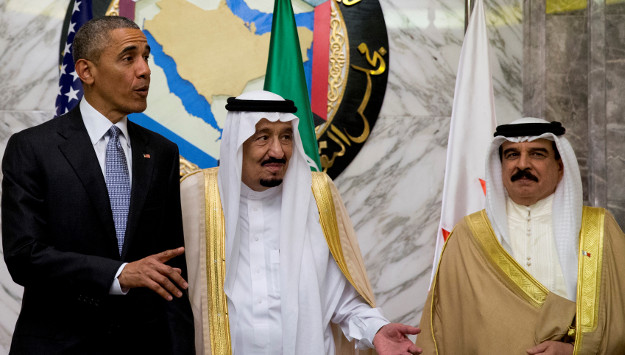
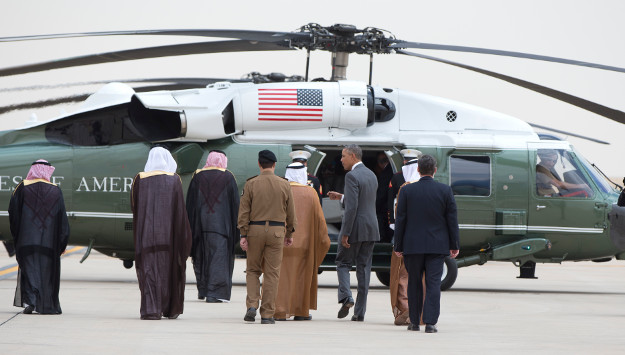
President Barack Obama’s Thursday visit to Riyadh to participate in the Gulf Cooperation Council summit comes one year after his meeting with GCC leaders in Camp David, and is an attempt to shore up an important relationship at a time when the two sides have been drifting apart over key regional issues.