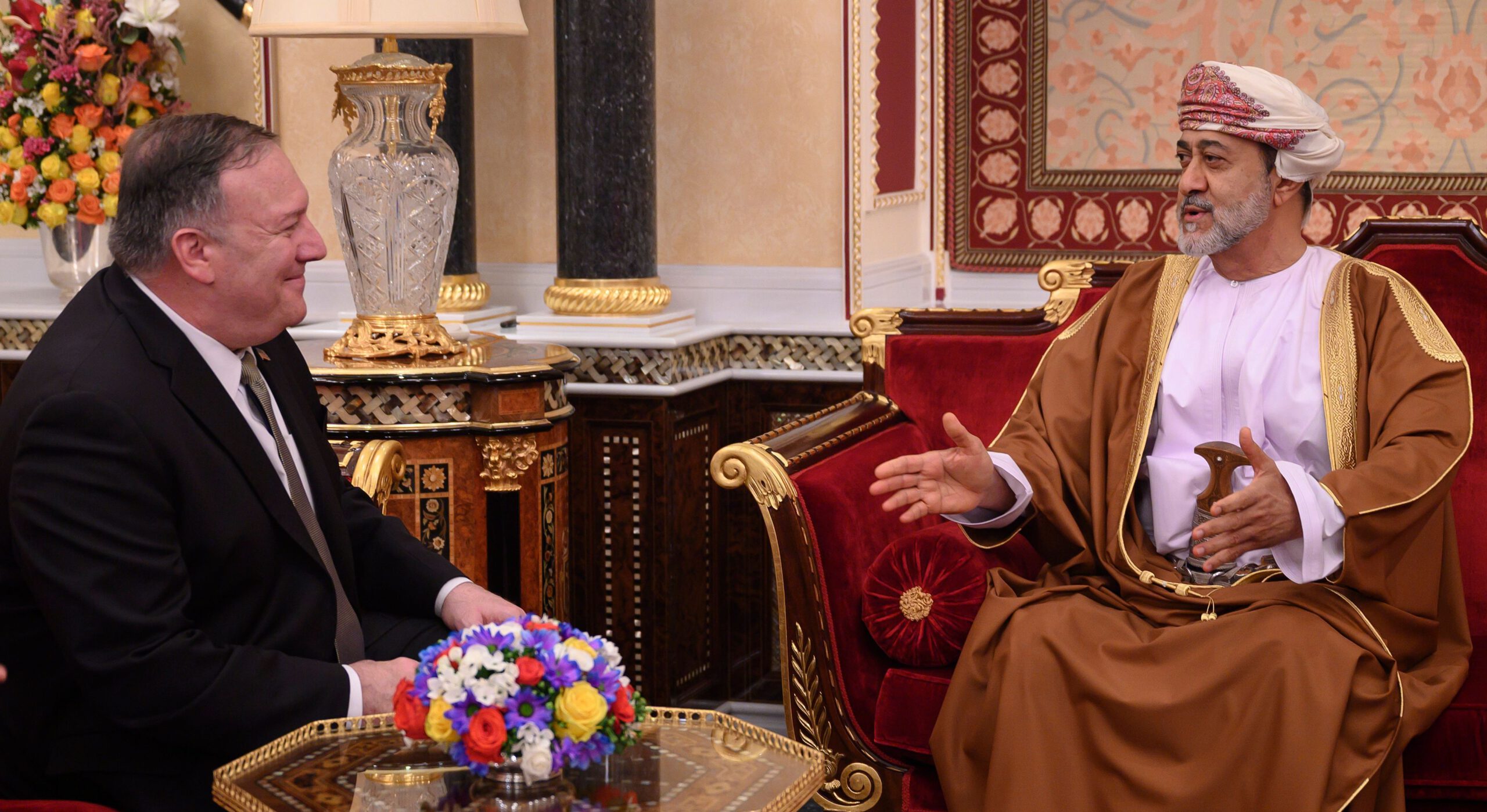
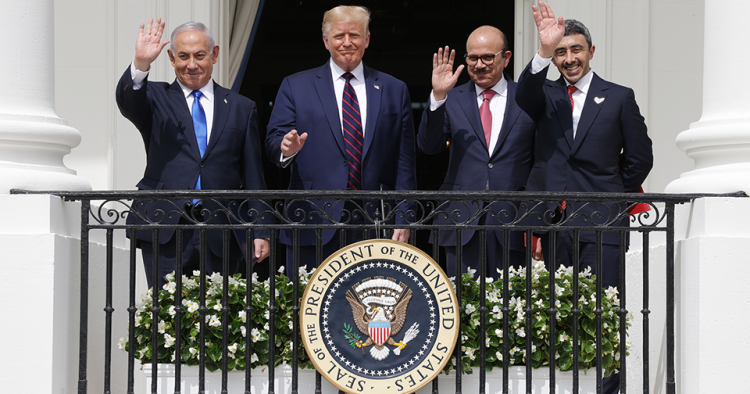
Since Aug. 13, speculation has been rife that the Sultanate of Oman will soon follow the United Arab Emirates’ (UAE) lead and formalize full-fledged ties with Israel. Yet, at least thus far, Muscat has refused to join the UAE, Bahrain, and now Sudan in normalizing relations with Tel Aviv. As a moderate Arab country, where tolerance is firmly embedded into the national ethos and the Ibadi sect of Islam, Oman appears to be maintaining a balanced position on the overall Arab trend toward normalizing relations with Israel. Muscat’s positive reaction to the Abraham Accords is not a major change in strategy and is more illustrative of Oman’s longstanding position on normalization.
Using the Convention against Torture to hold Syria to account
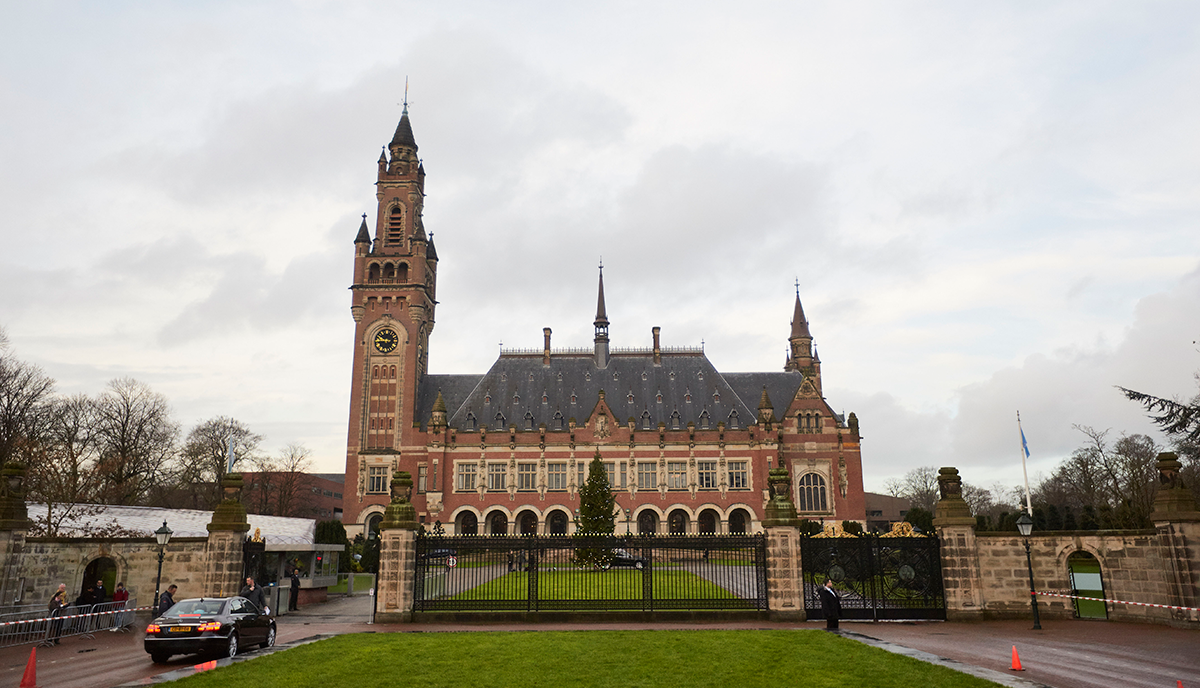
Last month, the Netherlands announced its intent to hold Syria responsible for gross human rights violations and torture under the U.N. Convention against Torture (CAT). With only one other case — Belgium v. Senegal — brought to the International Court of Justice (ICJ) under the CAT, the Netherlands is entering relatively uncharted waters. Indeed, it would be the first country to litigate the substance of Article 1 of the Convention. While it is unlikely that the Netherlands’ claims will reach the ICJ for another year or more, its announcement serves as an important step in the push for broader accountability in Syria.
With a presidential election looming in the United States, the continuing crisis in Syria is unlikely to make headlines. Aside from the COVID-19 pandemic, raging wildfires, and the occasional flare-up of violence in Idlib, Syria has been largely off the radar in the U.S. for quite some time. Yet dramatic new revelations suggest that Syria could be on the administration’s agenda more prominently as President Donald Trump makes a serious, if desperate, move to secure American hostages thought by U.S. officials to be held in Damascus.
US sanctions hurt Syrian civilians — they need to be worth it
On June 17, 2020, the U.S. State Department’s special envoy to Syria, Joel Rayburn, announced the beginning of the “summer of Caesar,” promising a wave of sanctions designations under the newly activated Caesar Syria Civilian Protection Act. Summer has come and gone, but there’s little to show for it.
With the latest polls suggesting a likely victory for the Democrats in the November U.S. presidential elections, a looming foreign policy crisis awaits a potential Biden administration: escalating tensions with Iran. While the Democrats’ “diplomacy first” approach has won praise across the Atlantic as the solution to deescalating tensions with Tehran, this Western-centric view ignores the changing reality on the ground in Iran. If Biden thinks he can return to the 2015 status quo, he may be in for a surprise.
Regional transit trade isn’t enough to drive Pakistan’s Gwadar Port
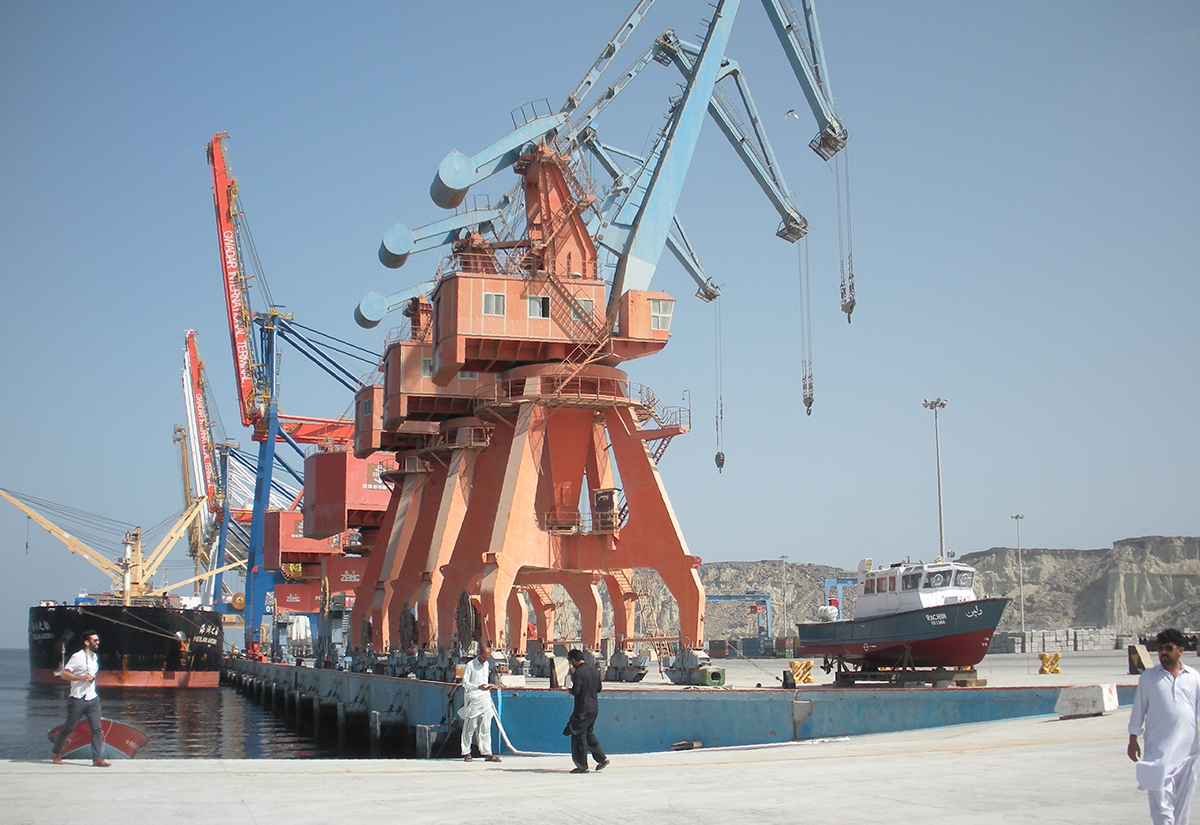
Landlocked Afghanistan has begun using the Chinese-operated Pakistani port of Gwadar for transit trade — a development Pakistani officials see as marking the start of Gwadar’s role as a gateway port through the China-Pakistan Economic Corridor. Pakistan’s hope to develop the Arabian Sea port into a gateway for Afghanistan, Central Asia, and China’s Xinjiang region has been a long-standing one — and it is misguided. Islamabad should instead focus on local drivers to build the port and use it as a vehicle to develop the impoverished, but resource-rich region of southern Balochistan.
Weekly Briefing: The myth of US conditionality in Afghanistan
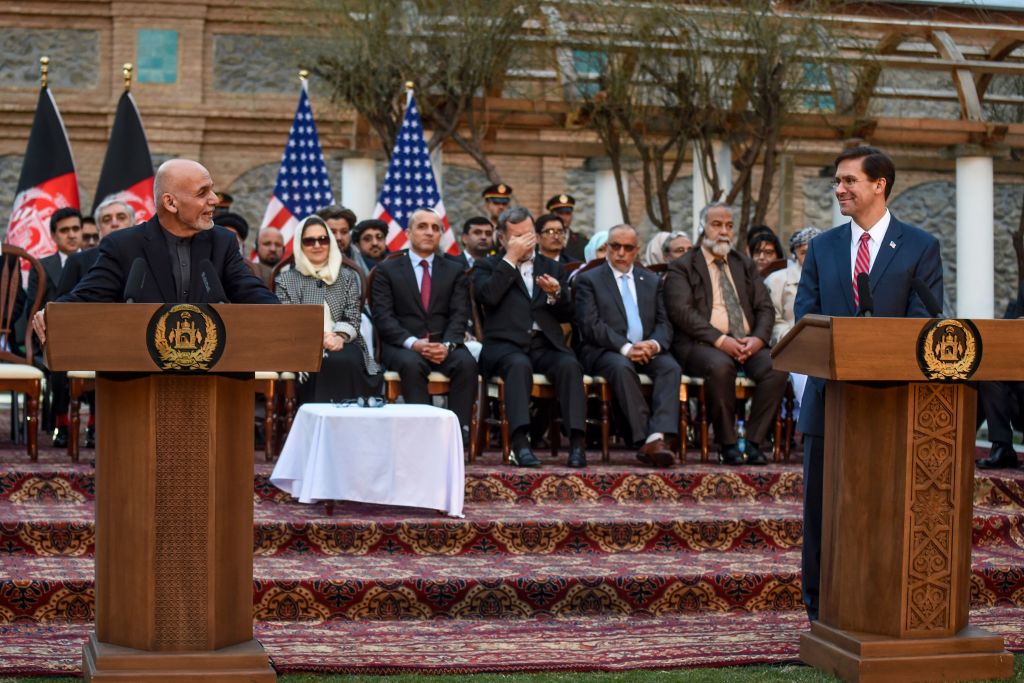
This week’s briefing on recent news and upcoming events in the region featuring Marvin G. Weinbaum, Alex Vatanka, Dima M. Toukan, and Syed Mohammad Ali.
Jordan: US security assistance and border defense capacity building
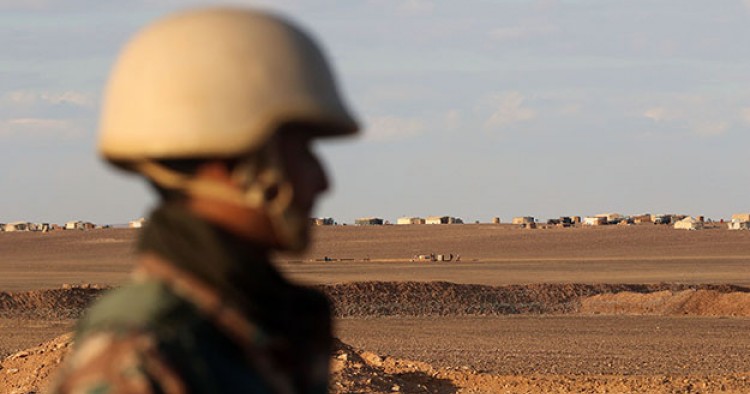
The Department of Defense (DoD) border security assistance programs in the Middle East region have helped partner countries to defend their borders against terrorist militia groups and other transnational security threats in the region. These programs set the standard for how the US military can foster long-term stability in the Middle East, while gradually drawing down its presence in the region.
Are the treaties with the UAE and Bahrain in any way comparable to previous genuine milestones, like the agreements with Egypt and Jordan? Can we realistically see them as helping to lead the way to a brighter future, at least as far as Israel’s conflicts with its neighbors are concerned? The answer is almost certainly “not really.”
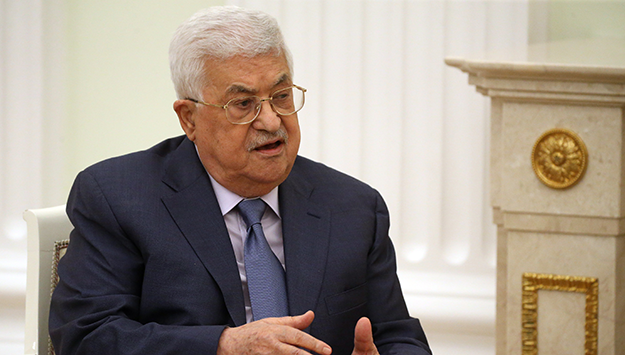
Fourteen years after the Palestinian pro-Islamist group Hamas won a majority of seats in the Palestinian Legislative Council (PLC) in 2006, Palestinians may finally be returning to elections as a mechanism to resolve their differences and to present a unified legitimate national leadership. In a sign of progress toward reconciliation, Palestinian leaders met in person and over teleconference on September 3 and vowed to address threats to the Palestinian national movement. Most recently, President Abbas, addressing the U.N. General Assembly on September 25, declared that presidential elections would take place soon.The question now will be whether a unified Palestinian policy, means of accomplishing it, and a new leadership can be born in the coming six months.
Using digital tools, the IRGC strengthens its grip on power in Iran
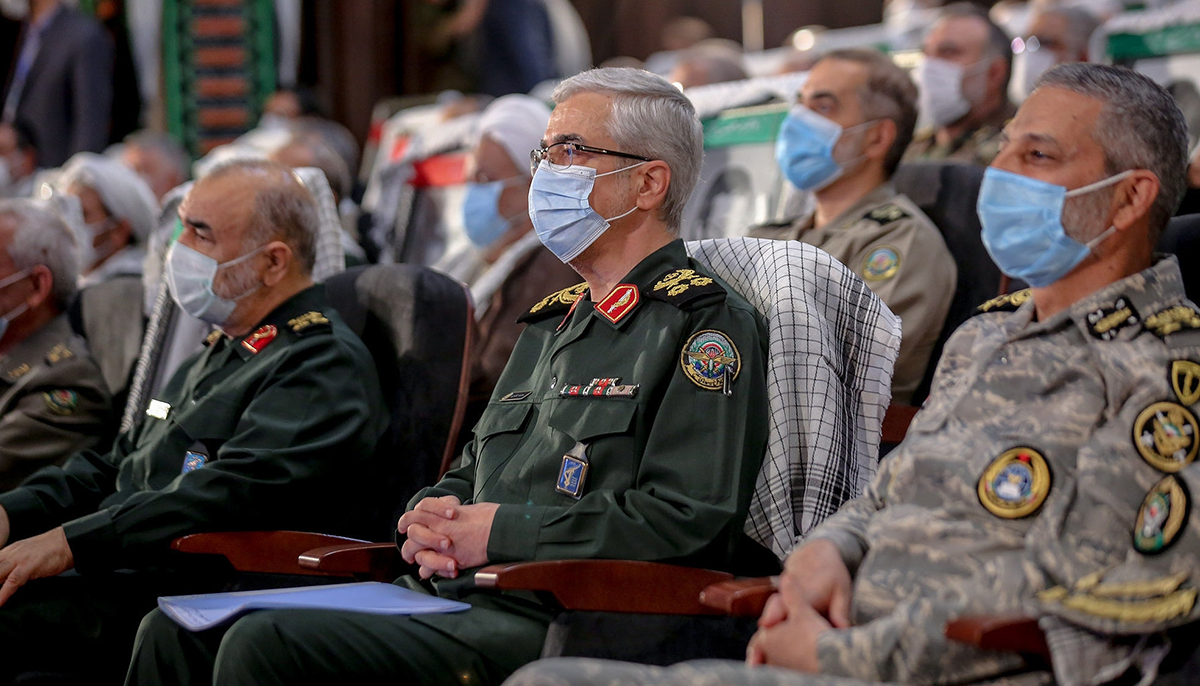
Over the past decade, Iran has made a concerted push to expand its cyber capabilities, an effort in which the IRGC has played a central role. Given the IRGC’s expansive and growing power, scholars, analysts, and many Iran watchers have long thought that at some point it could take over control in Iran, replacing the theocratic government with a military one. As Iran approaches an inflection point over the issue of succession after Ayatollah Khamenei, that day could be coming soon, and the IRGC is well placed to bring about such a transition given the hybrid mix of physical and cyber capabilities that it has developed and perfected over recent decades.
How can China maintain good relations with both Israel and Iran?
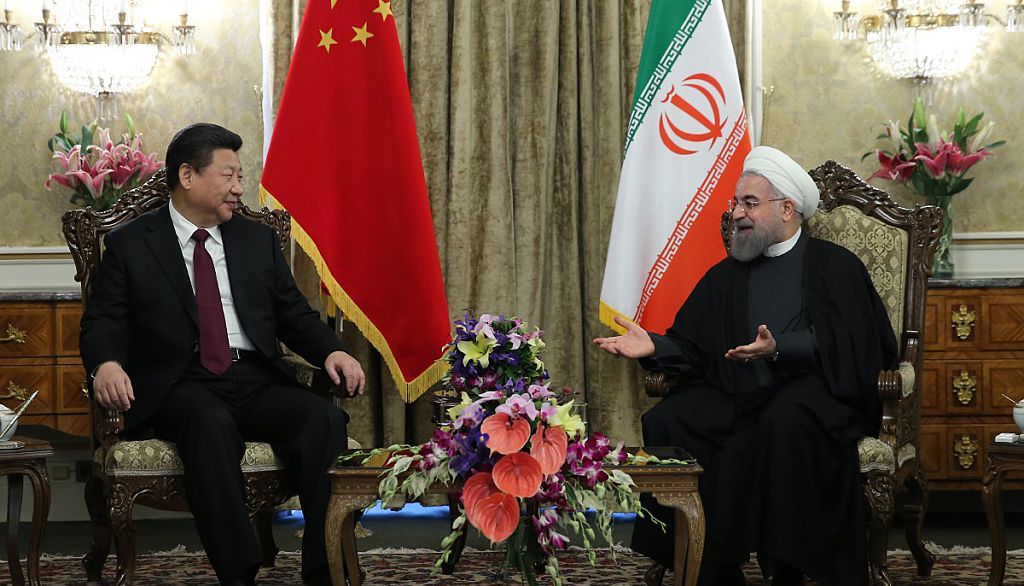
In recent years, China has become increasingly involved in the international arena, including the Middle East. As a rising superpower, China finds itself, time and again, needing to maintain relationships with countries that are hostile to one another. This is particularly true in the Middle East, which is one of the most conflictual areas in the world. China faces a challenge as it seeks to maintain good relations with both Iran and Israel, two of the region’s fiercest and loudest adversaries. How does Beijing manage to do this, and can it continue to do so going forward?
Dictators and civilizational thinking in Iran: From the Great Civilization to Islamic Civilization
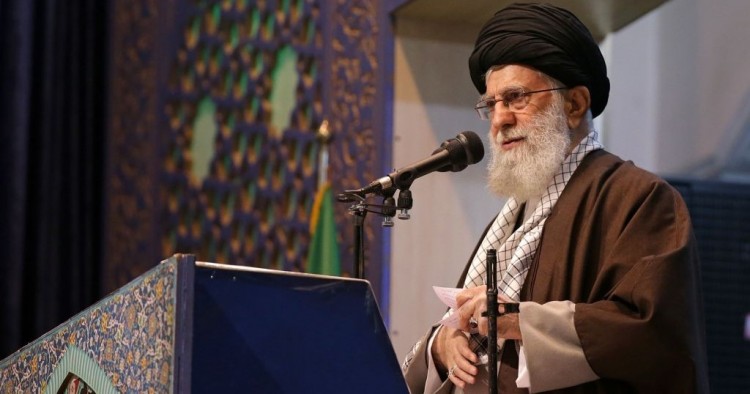
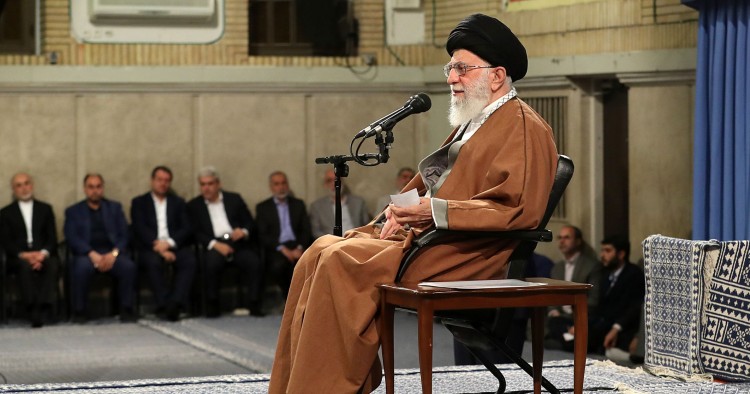
Despite critical differences between the two political regimes that have dominated Iran for nearly a century, there are striking similarities between the Pahlavi monarchy (1925-1979) and the Islamic Republic (1979-present). Like Mohammad Reza Shah, Ayatollah Ali Khamenei has built a cult of personality around himself and has engaged in “civilizational thinking” — a preoccupation with defining the eternal essence and world-historical destiny of Iran through references to a glorious (one might say “glorified”) collective past. Nonetheless, the two leaders have interpreted Iranian history in vastly differing ways that serve divergent ideological ends.
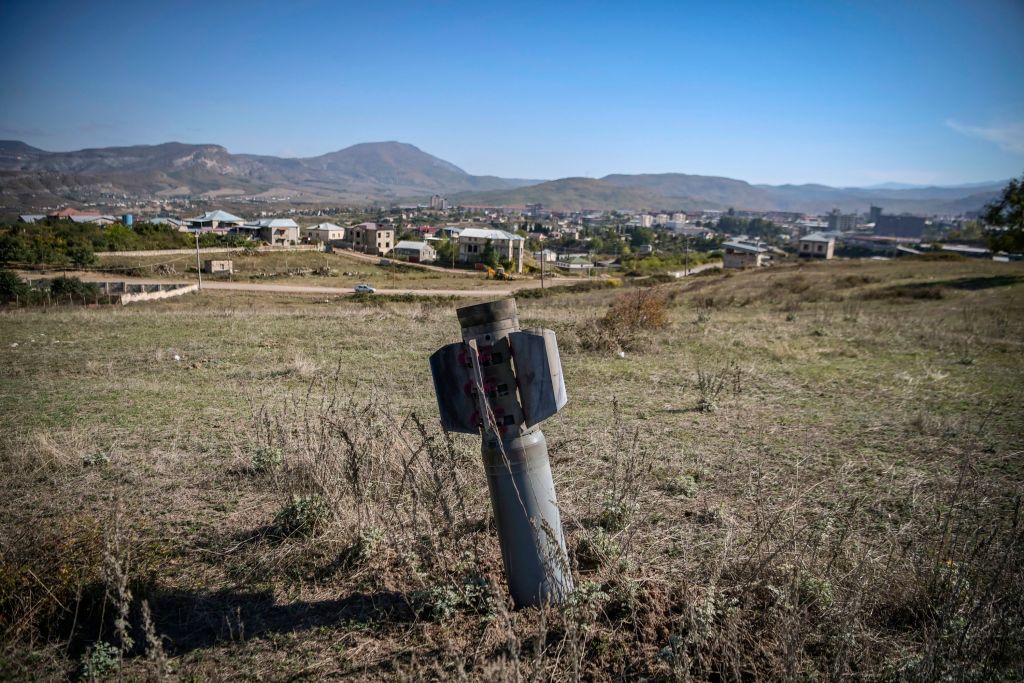
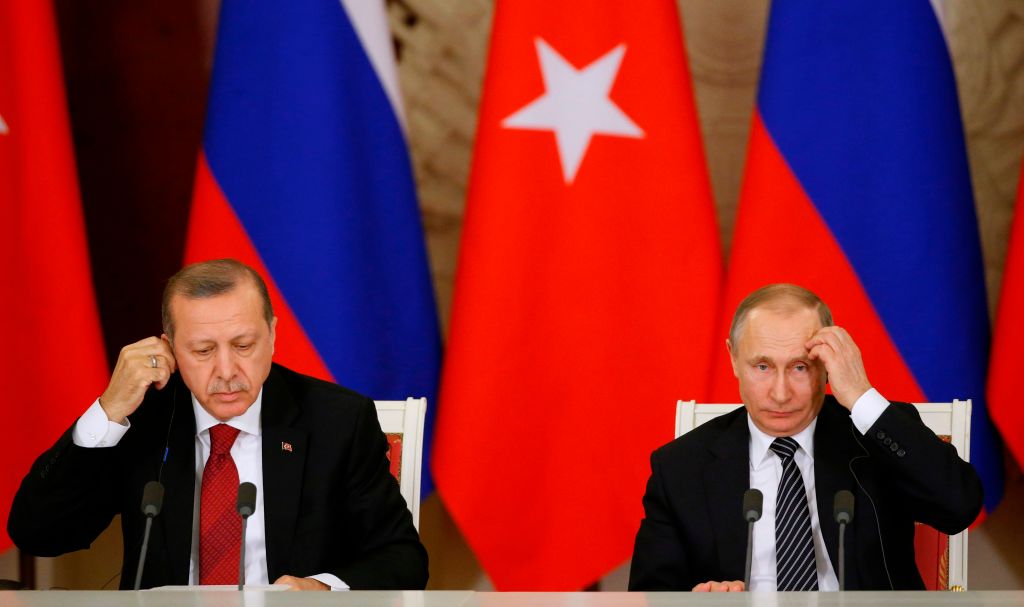
Monday Briefing: Will Russia and Turkey face off over Nagorno-Karabakh?
This week’s briefing on recent news and upcoming events in the region featuring Maxim A. Suchkov, Ibrahim Jalal, Eliza Campbell, Alex Vatanka, and Marvin G. Weinbaum.