Iran’s negligible role in Iraq’s postwar reconstruction
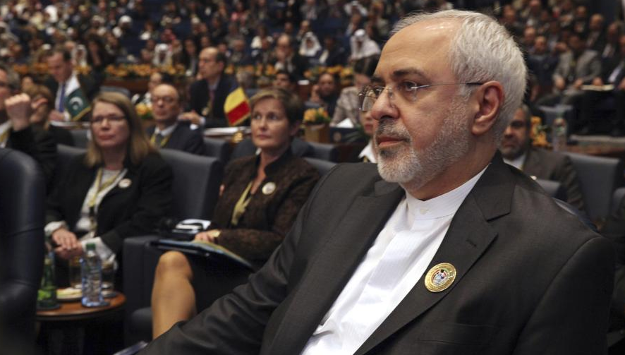
While donor countries and organizations pledged $30 billion for Iraq’s reconstruction at an international conference held in Kuwait on February 14, Iran – which portrays itself as Iraq’s closest ally – made no financial commitments.
Iran’s allies in Iraq dial up calls for US withdrawal as parliamentary elections near
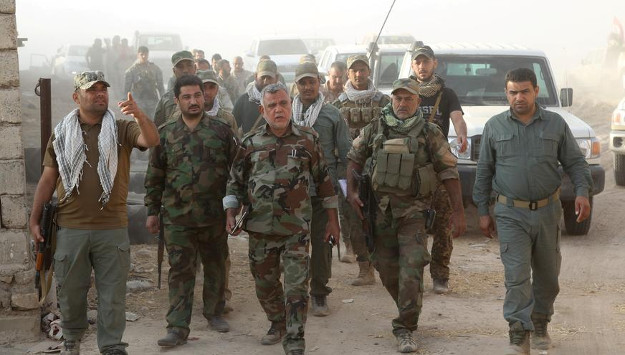
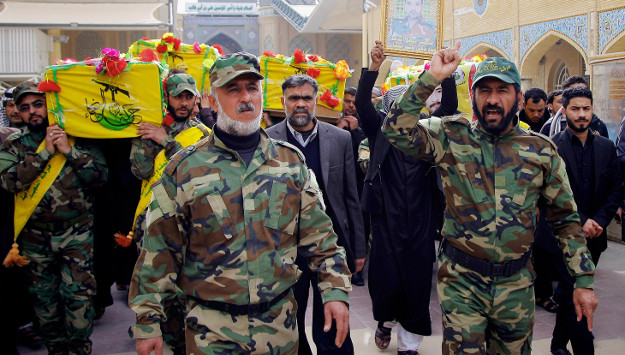
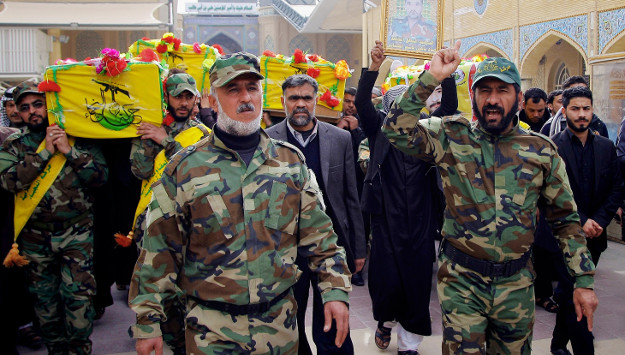
Several Iranian-supported Iraqi militia commanders and politicians this week called for the withdrawal of American troops from the country, argying that they are no longer needed as ISIS is now militarily defeated, Iranian and Iraqi media reported. A senior official of Asa’ib Ahl al-Haq (AAH), a unit within the Popular Mobilization Force with close ties with Iran’s elite Quds Force and the Lebanese Hezbollah, said today that the paramilitary forces and Iraqi parliament will not allow Washington to keep its troops in Iraq.
Weekly briefing: Netanyahu faces a whirlwind of investigations
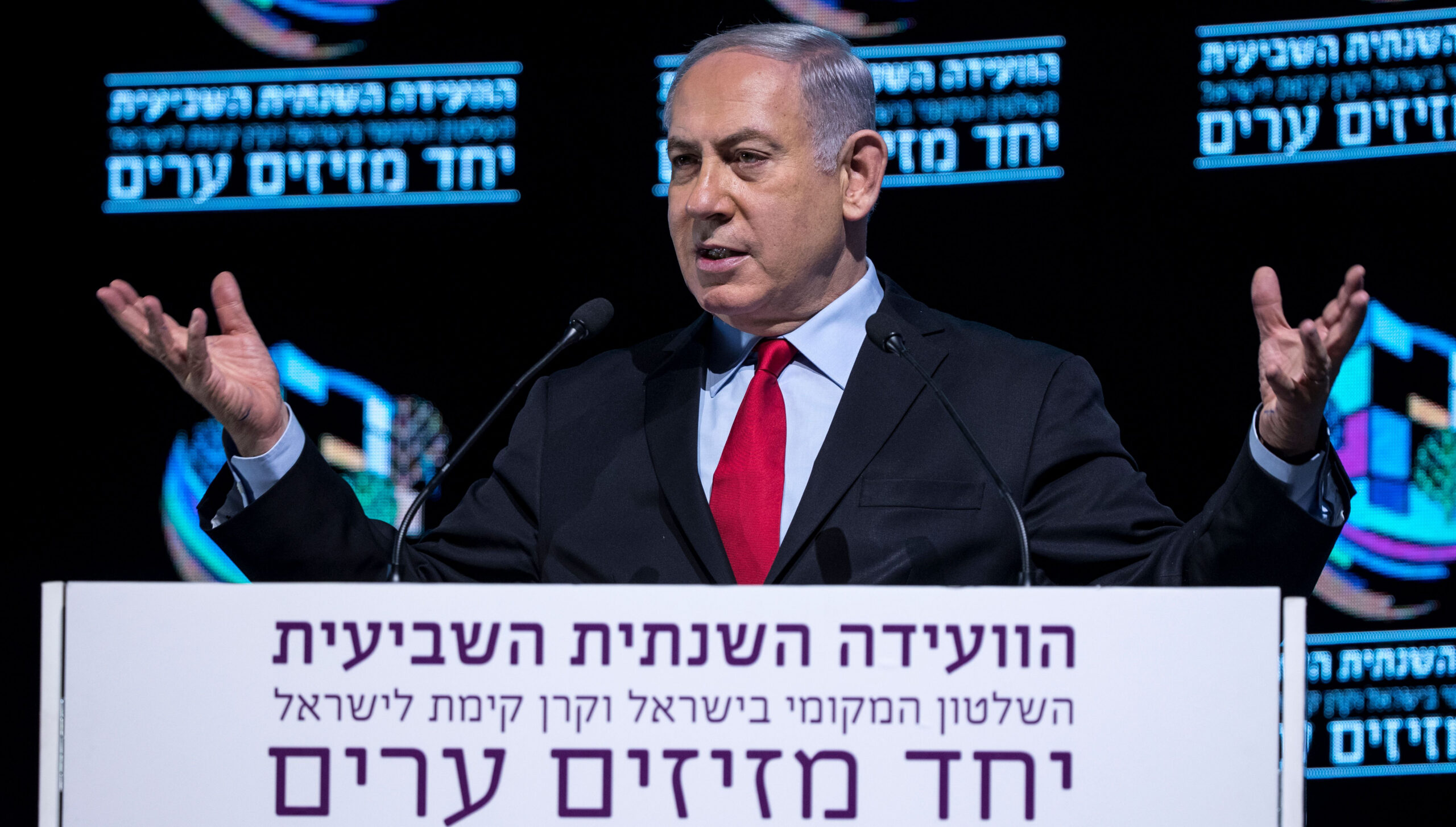
In this week’s Weekly Briefing, MEI experts Eran Etzion, Gonul Tol, and Ibrahim al-Assil provide analysis on recent and upcoming events including Benjamin Netanyahu investigations, the impact of Rex Tillerson’s visit to Turkey, and Russia’s presence in Eastern Ghouta.
Another Iran-backed Iraqi militia leader visits Lebanon, threatens Israel
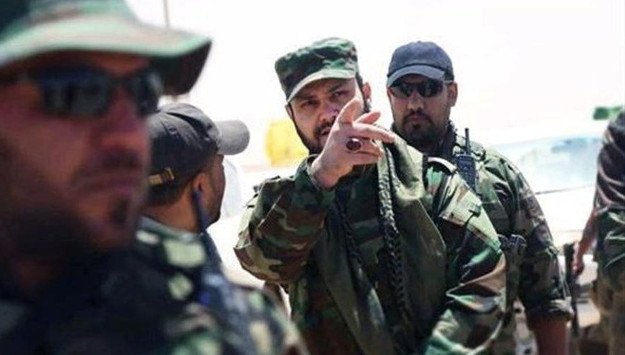
The leader of an Iraqi militia group with close ties to Iran traveled to Lebanon this week to voice solidarity with Hezbollah and pledged to stand with the “axis of resistance” in any future wars with Israel. Akram al-Kaabi, the head of Harakat al-Nujaba, made the remarks to reporters in southern Beirut after visiting the tomb of late Hezbollah commander Imad Mughniyeh, who was allegedly killed by Israel. “We, at the axis of resistance, will mobilize forces against Israel at any place.
Iran-linked militias will play role in Syrian-Iraqi border security
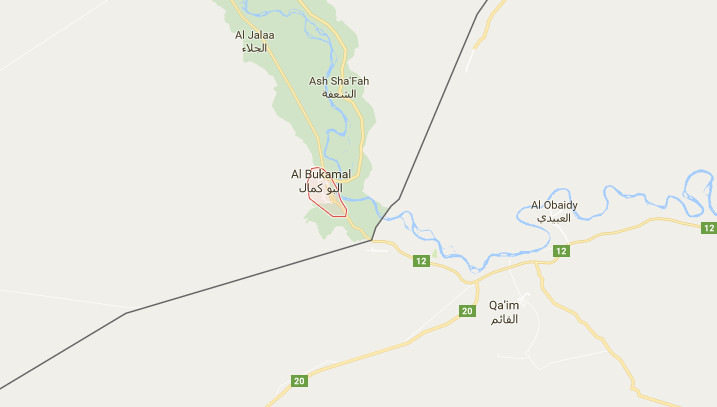
Iraqi Interior Minister Qasim al-Araji announced yesterday that the country is planning on opening the al-Qaim-Abu Kamal border crossing between Iraq and Syria, Iranian and Iraqi media reported. Al-Araji, who is a senior member of Iran-backed Badr Organization, added that his ministry has obtained permission from Prime Minister Haider al-Abadi and Chief of Staff of the Iraqi military, General Othman Al-Ghanimi, to reopen the strategic border crossing.
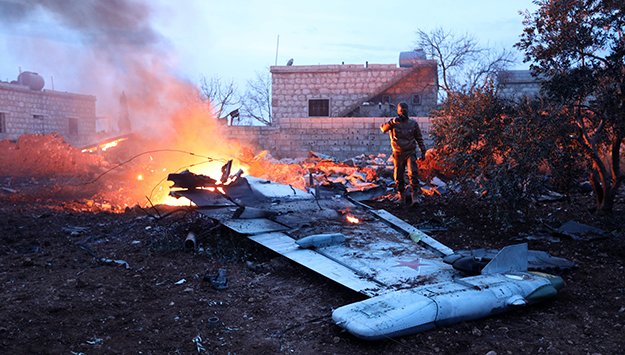
Monday Briefing: The Syrian-Iranian downing of an Israeli fighter jet
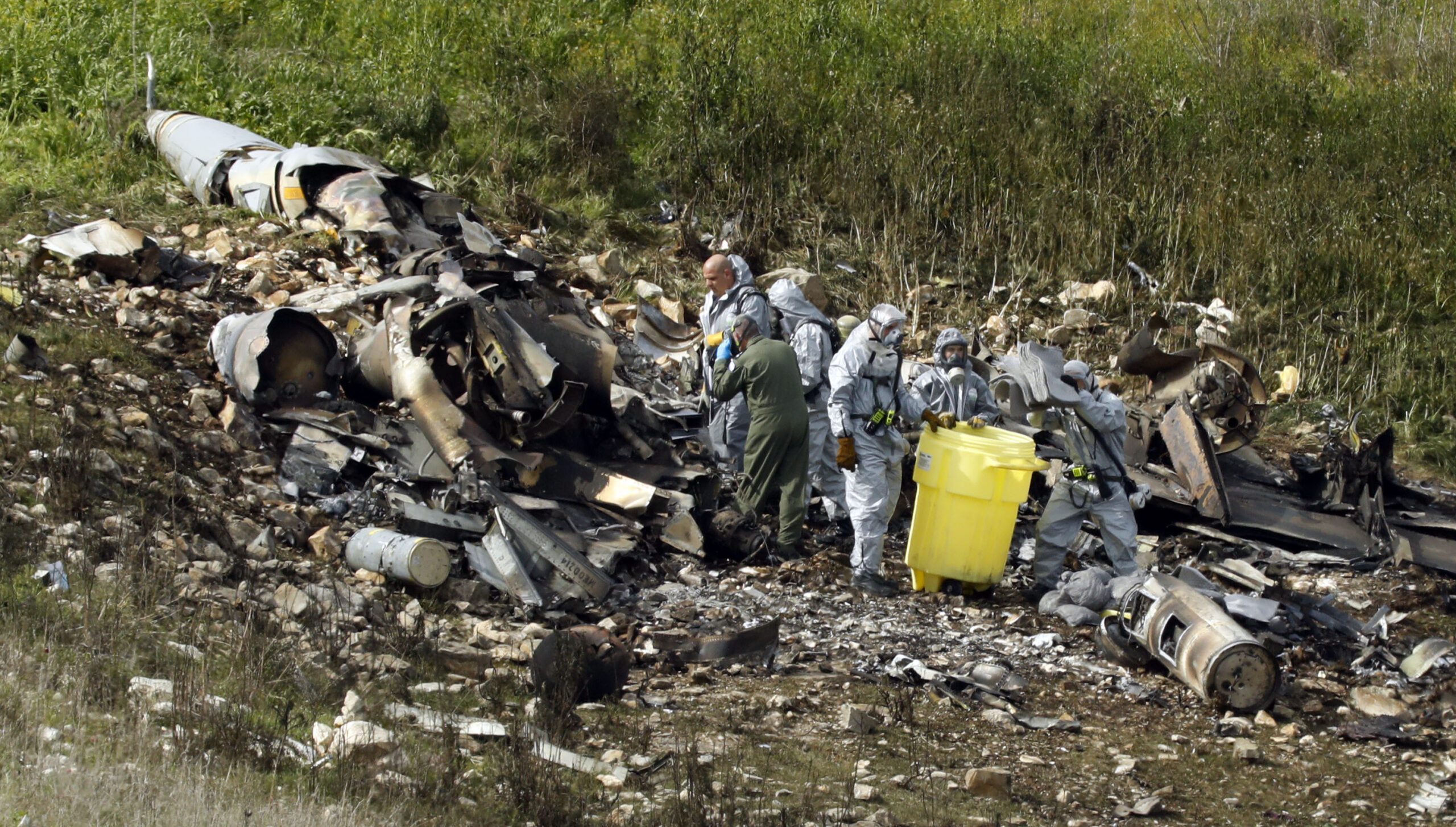
In this week’s Monday Briefing, MEI experts Charles Lister, Bilal Y. Saab, Eran Etzion, Gonul Tol, Paul Salem, and Randa Slim provide analysis on recent and upcoming events including the Syrian-Iranian downing of an Israeli fighter jet, the critical crossroads of U.S. and Turkey relations, Rex Tillerson’s upcoming visit to Lebanon, and Iraqi reconstruction plans.
Open letter: US-Turkey cooperation remains vital for Syria
Secretary of State Rex Tillerson and National Security Advisor H.R. McMaster, you will visit Ankara this weekend and next week to address what is now a crisis between the United States and Turkey. We are on a collision course over dramatically opposing goals. The United States is determined to eliminate ISIS as a threat in Syria and prevent its return. Turkey is determined to block any coalition of Kurdish forces from having a viable military presence on its borders. Over the past few years, each country has tried—and failed—to persuade the other to support its strategy.
Another Iran-backed militia group threatens US troops in Iraq
A senior official of Harakat al-Nujaba, an Iranian-supported militia group fighting in Iraq and Syria, issued a threat against the US military in Iraq and called on Washington to pull out its troops from the country, the Iranian media reported. “We will never forget the atrocities of the United States in our country and we still have not settled a score with America,” Nasr al-Shamri, an executive director of the group said in a live interview with Al-Furat TV in Iraq.
Iran-backed Iraqi militias step up threat of violence against US forces in Iraq
With ISIS militarily defeated, Iran’s militia allies in Iraq are increasingly threatening violence against American troops and calling for the US withdrawal from the country. On February 7, Kata’ib Hezbollah, an Iranian-supported unit within Iraq’s Popular Mobilization Force (PMF), issued a statement, warning that its fighters will begin to militarily confront American troops “at any moment” if Washington decides to keep a long-term military footprint in Iraq.
In this week’s Monday Briefing, MEI experts Charles Lister, Bilal Y. Saab, Marvin G. Weinbaum, and Gonul Tol provide analysis on recent and upcoming events including the unrelenting violence in Syria, President Trump’s “Buy American” plan, the Taliban’s anti-U.S. propaganda, and Erdogan’s meeting with the Vatican.
Iran’s militia allies gearing up for Iraq’s parliamentary elections
Iraj Masjedi, Tehran’s ambassador to Baghdad, met with Ammar al-Hakim, the leader of Iraq’s National Alliance, to discuss the latest security and political developments in Iraq.
Harakat al-Nujaba claims US troops targeted its militiamen in Iraq
The secretary general of Harakat al-Nujaba, an Iranian-sponsored Iraqi militia group fighting in Syria and Iraq, alleges that the US military has targeted the organization’s forces in Iraq, Lebanon’s al-Mayadeen and Iran’s
Lebanon issues arrest warrant for Iran-backed Iraqi militia commander
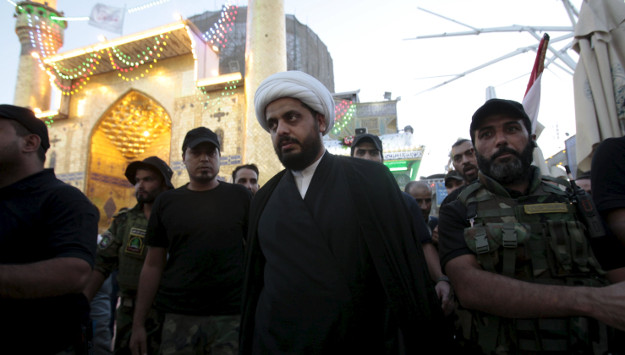
Lebanese judicial authorities have issued an arrest warrant for Qais al-Khazali, the leader of Iran-backed Iraqi militia group called Asa’ib Ahl al-Haq, Iran’s Fars News Agency reports. Quoting Lebanese sources, Fars added that the Lebanese Army and General Security Directorate have also ordered all relevant authorities to arrest the Iraqi militia commander if he reenters Lebanon. They allege that Khazali last year had entered Lebanon illegally.