Photography Through the Eyes of Saudi Arabian Women
Audio recording from Photography Through the Eyes of Saudi Arabian Women
Originally posted: October 2009
How Yemen can use their most valuable resource of human labor to respond to their economic difficulties through increased institution-building.
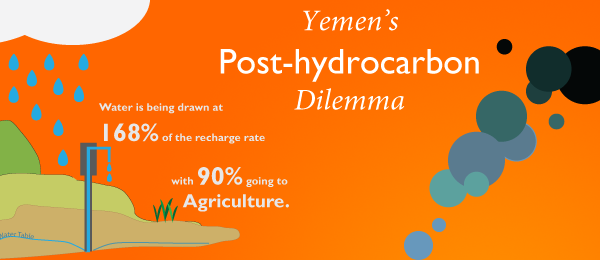
The Middle East Institute is proud to host MEI scholar Dr. Charles Schmitz for a discussion of his recent MEI policy paper entitled “Crisis in the Yemeni Economy: A Troubled Transition to Post-Hydrocarbon Growth.” Yemen has embarked on the arduous road to political reconciliation, but the economy remains a major challenge that contributes to all of Yemen’s crises. Professor Schmitz will examine the economic issues facing the new government and the possible outlines of the economy in the post-hydrocarbon era.
Dedicated to the memory of our friend and colleague Chris Boucek
The Arab Spring: Implications for US Policy and Interests
The Middle East Institute is proud to host MEI scholar Thomas W. Lippman for a discussion of his new book, Saudi Arabia on the Edge: The Uncertain Future of an American Ally. Of all the countries that are vital to the strategic and economic interests of the United States, Saudi Arabia is the least understood by the American people.
In the June 2011 Bulletin, Dr. Michael Ryan discusses the implications of bin Ladin’s death for the remainder of the al-Qa’ida network. It also introduces new MEI scholars Dr. Daniel Serwer, who is interviewed on his career in technology and peacebuilding, and Dr. Charles Schmitz, who speaks about his work on Yemen.
This Commentary was first published as an op-ed in Foreign Policy’s “Middle East Channel” on September 27, 2011
Originally posted September, 2011
The Middle East Institute and the UNDP are proud to host a discussion with UNDP Administrator Helen Clark, Under Secretary for Economic, Energy and Agricultural Affairs Robert D. Hormats, and Middle East Institute Scholar Amb. Edward Walker about how best to address political, economic and human development needs in the Arab world today.
*This article first appeared in the Jamestown Foundation's Terrorism Monitor, Volume 9, Issue 20- May 20, 2011.
The Middle East Insitute is proud to host Amb. Edmund J. Hull (retired) for for a discussion about his recent book High-Value Target: Countering Al Qaeda in Yemen. Hull's book tells the inside story of how al Qaeda's Yemeni safe haven was disrupted during Hull's tenure.
*A version of this article was originally published on ForeignPolicy.com on April 12, 2011
Divide and conquer. That's the strategy Ali Abdullah Saleh has employed for 33 years to remain atop Yemen's extremely diverse political landscape. But the Yemeni president's efforts to keep his country in a state of low-level dysfunction are also at the root of its current problems. Chaos allows Saleh to make politics a family affair, keeping the reins of power in the hands of his sons and nephews.
The Middle East Institute is proud to host digital media experts Adel Iskandar and Courtney Radsch for a discussion on the nature of the cyberactivism that is fueling the uprisings spreading throughout the Middle East. Iskandar will examine the battle in Egypt between the government and the protesters to control online discourse, analyzing the obstacles and the successes.