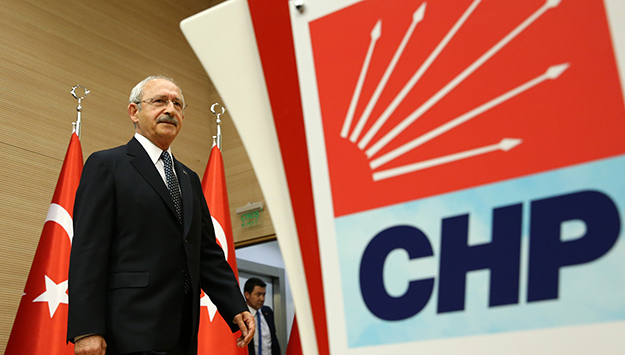
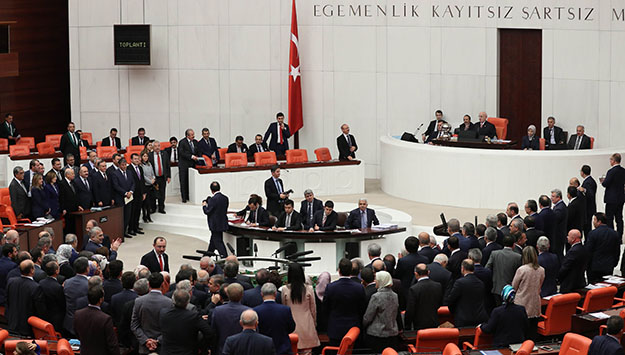
Turkey is going to the polls, again. On Apr. 18, President Recep Tayyip Erdogan called for snap elections, bringing forward presidential and parliamentary polls scheduled for November 2019 to this June. The vote will seal the country’s transition from a parliamentary system to a supercharged executive presidency. If Erdogan wins, many think it will be the final nail in the coffin of Turkish democracy. Should Erdogan lose, he will lose more than his grip on power. Stakes are high and all parties are bent on fighting tooth and nail.
In this week’s Monday Briefing, MEI experts Charles Lister, Gerald Feierstein, W. Robert Pearson, and Marvin G. Weinbaum provide analysis on recent and upcoming events including the escalating deterrence between Israel and Iran, Pompeo’s pressure to resolve the Gulf crisis, Turkey’s increasing isolation, and the Pashtun protests in Pakistan.
Turkey’s snap elections and issues in U.S. relations
MEI’s Gonul Tol and Amb. Robert Pearson join Paul Salem to discuss the domestic political scene heading into Turkey’s snap presidential and parliamentary elections in early June and the state of its relations with the United States after the departure of Secretary of State Rex Tillerson and pending arrival of Mike Pompeo.
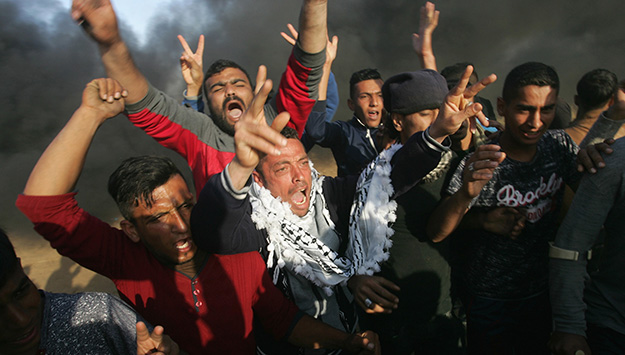
In this week’s Monday Briefing, MEI experts Gonul Tol, Paul Salem, Nathan Stock, Alex Vatanka, Gerald Feierstein, and Marvin G. Weinbaum provide analysis on recent and upcoming events including upcoming snap elections in Turkey, Lebanon’s Free Patriotic Movement party, protests in Gaza, the future of the Iran nuclear deal, Yemeni peace talks, and the ISKP attack on Shiite Hazaras.
How sustainable is Russian-Saudi energy cooperation?
Saudi Crown Prince Mohammed bin Salman told journalists in New York last week that the kingdom is looking at extending its oil production-cut deal with Russia for 10 to 20 years.
In this week’s Monday Briefing, MEI experts Charles Lister, Gonul Tol, Paul Salem, Alex Vatanka, and Marvin G. Weinbaum provide analysis on recent and upcoming events including the Syria strikes, Turkey’s Assad paradox, the Arab League summit, EU’s view of the Iran nuclear deal, and clashes along the Afghanistan-Pakistan border.
Riyadh, 05:40 a.m: It’s the first day of Ramadan, the holy month of fasting. It is a time of intense prayer and introspection for Saudis and more than 1.8 billion Muslims around the world.
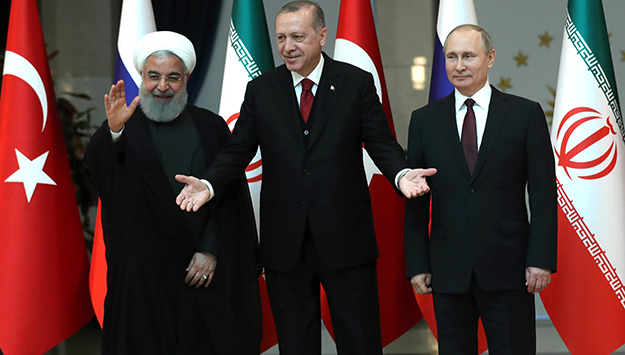
Just last week, Turkey’s President Recep Tayyip Erdogan hosted his Russian and Iranian counterparts in Ankara for talks to end the Syrian civil war. The summit of the three leaders was a strong display of unity against a backdrop of rising tensions between them and the United States. The underlying message was that the three countries were calling the shots in Syria, and that President Donald Trump’s announcement that the U.S. would be pulling out soon was right on the spot.
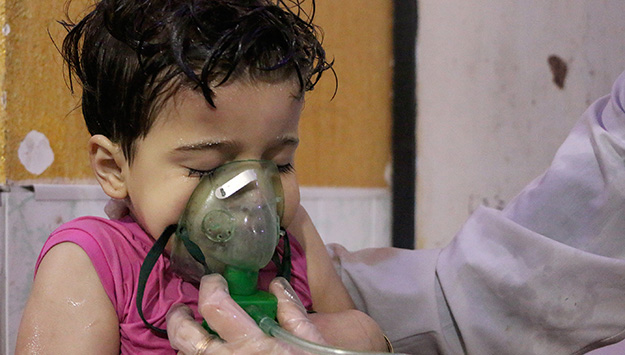
In this week’s Monday Briefing, MEI experts Robert S. Ford, Gerald Feierstein, Randa Slim, and Alex Vatanka provide analysis on recent and upcoming events including the chemical attack on Douma, Sheikh Tamim’s Tuesday meeting with Trump, Lebanese parliamentary elections, Moroccan and Algerian tension over Western Sahara, and Iran and India’s strategic partnership.
The leaders of Russia, Iran and Turkey held a high-profile summit in Ankara this week, their second such summit in six months. Are we seeing the formation of a new security axis in the region, and if so, where would that leave the United States? MEI’s Gonul Tol and Alex Vatanka join host Paul Salem to discuss.
This essay discusses Saudi Arabia’s Soft Power Strategy in Indonesia. The Saudi strategy of cultural investment in Indonesia — primarily engineered through building Islamic schools, supplying teachers and textbooks, and financing scholarship opportunities — has facilitated a channel of Saudi influence largely impermeable to Indonesia’s political changes over the last 40 years. Saudi-supported Islamic education not only survived but thrived under the oppression of Suharto’s New Order regime from 1966 to 1998. Today, under Indonesia’s often anti-liberal democratic rule, the country’s Saudi-educated Muslim elite have capitalized on opportunities to use increased political freedom to promote religious protectionism and hardline Islamic orthodoxy.
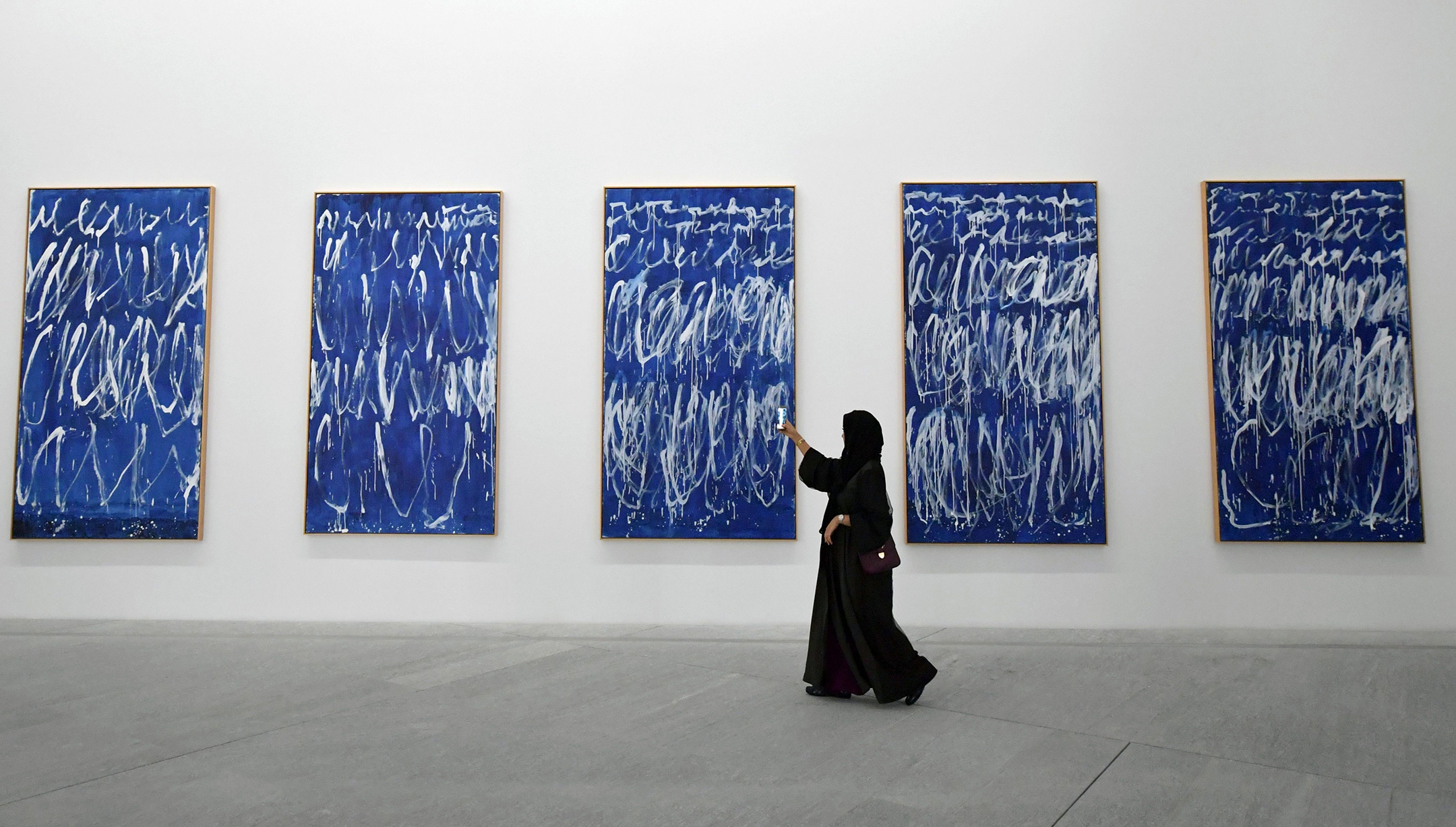
Vibrant art scene inspires cooperation, competition in Gulf
The countries of the Middle East are using art to remodel their national identities. Billions of dollars have been spent on colossal building efforts and massive acquisition programs in an effort to expand the cultural sector in the Middle East, especially in the Gulf. Art acquisition now appears to be part of a geopolitical strategy by Gulf countries to use their hydrocarbon money to purchase cultural clout and establish themselves as international cultural centers.
In this week’s Monday Briefing, MEI experts Paul Salem, Bilal Y. Saab, Marvin G. Weinbaum, and Charles Lister provide analysis on recent and upcoming events including the latest violence in Gaza, Gulf Shield-1 military drills, the Taliban’s resistance to peace, and the approaching Syria summit in Ankara.