Turkish-Emirati tensions continue to simmer
The tensions between the two sides are unlikely to ease anytime soon.
With its territory under increasing pressure, its finances dwindling, and manpower more challenged than ever, HTS’s ability to balance its extremism with controlled uses of pragmatism is under strain. Internally, its leadership is bitterly divided over decisions of the past, present, and future and externally, its rivals and enemies all appear to be conspiring against it. In an attempt to protect internal cohesion, HTS has become determinedly self-assertive in recent weeks, pursuing unpopular policies such as trading with the regime and lashing out at those brave enough to express their dissatisfaction. In response to HTS aggressions, a wider array of opposition voices — both moderate and Islamist — are declaring loudly that HTS now represents a threat to their revolution.
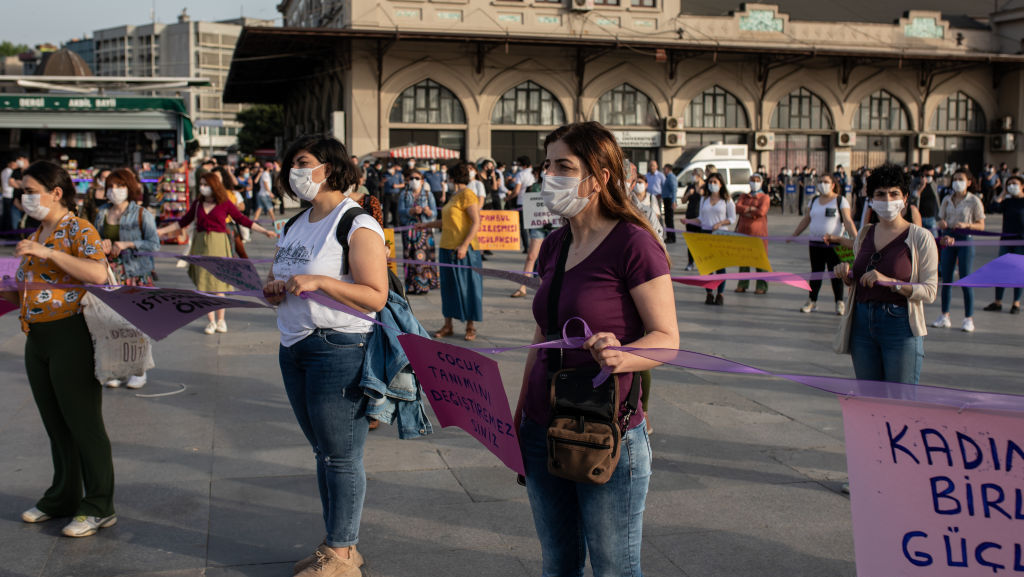
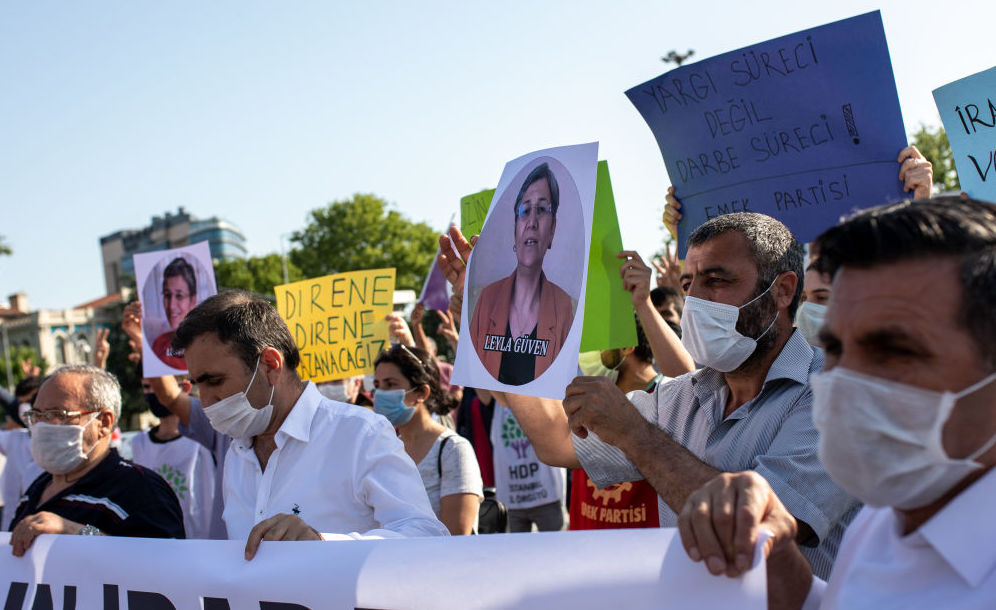
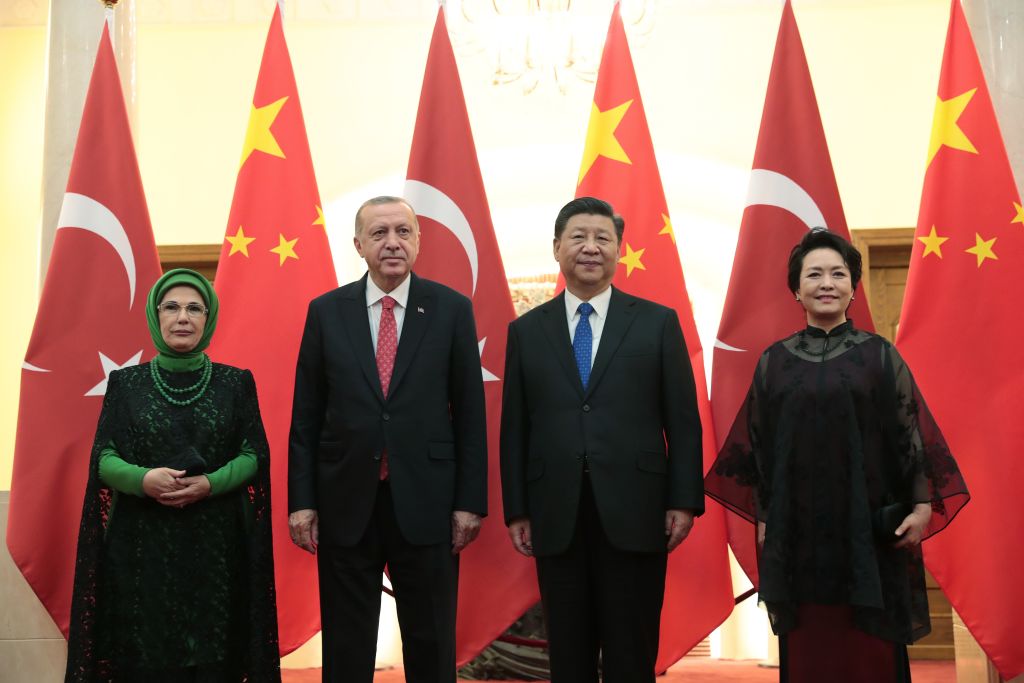
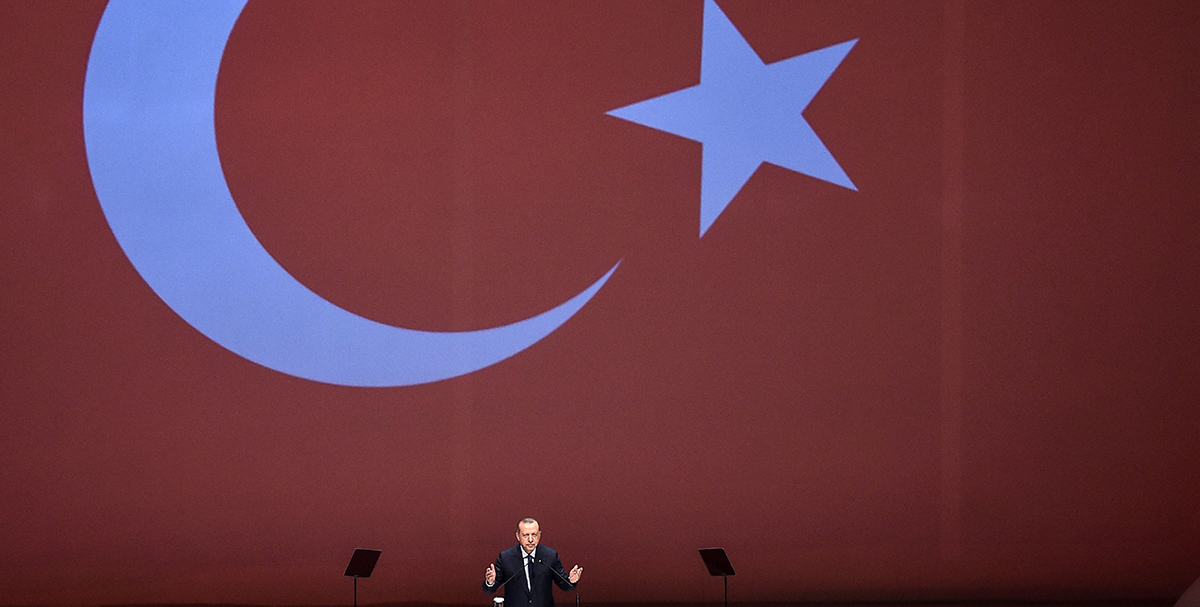
Even before the coronavirus upended life around the world, Turkey’s President Recep Tayyip Erdogan was already grappling with a host of problems. Then COVID-19 hit the country. Many argue the virus will exacerbate Erdogan’s problems but where others see a problem, Turkey’s president sees an opportunity. He is using the crisis to undercut the opposition, distribute government contracts to his loyalists, and punish his critics. Erdogan is relying on the virus to score foreign policy points as well. Sending medical aid to its neighbors and beyond helps assert Turkey’s leadership and improves its shattered image. The coronavirus likewise provides an excuse to remove a long-time irritant in Ankara’s ties with Washington and perhaps end its isolation in the region.
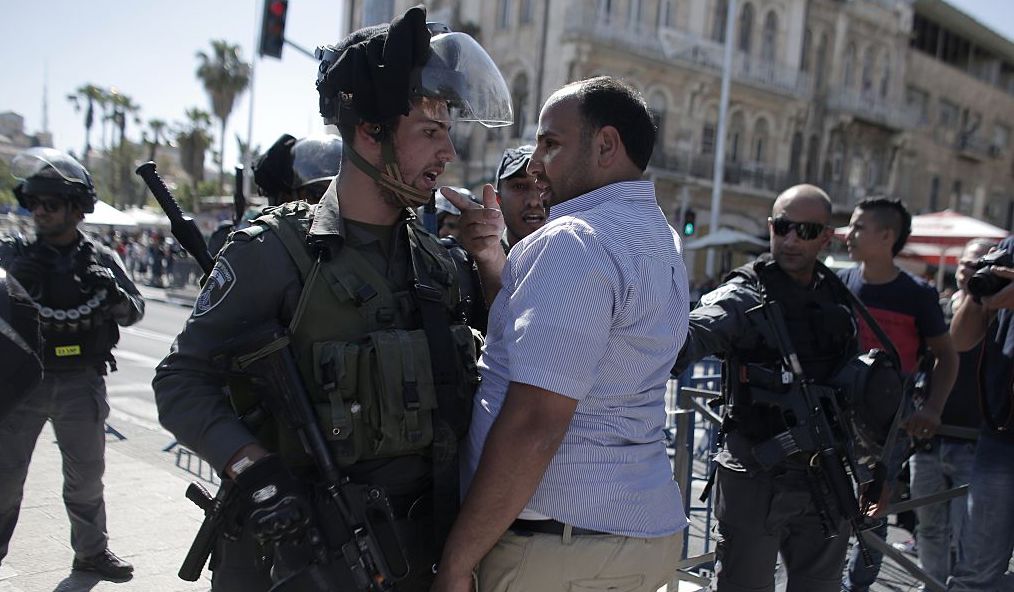
While there is no shortage of rhetorical opposition to Israeli annexation from all corners, the question now is whether any of them intend to follow up their strong words with concrete actions.
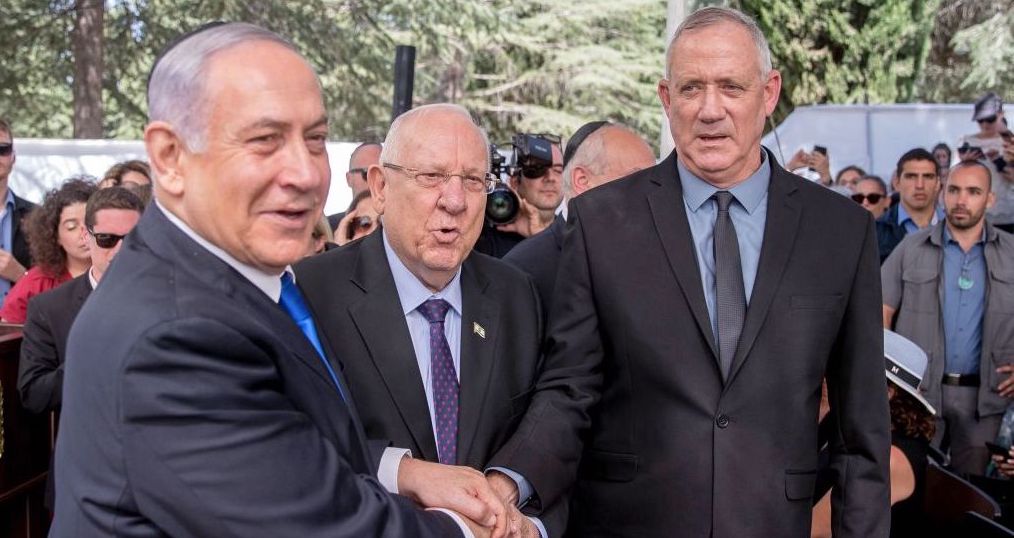
The April 20 Netanyahu-Gantz agreement legitimized the possibility of an Israeli law that will act as a unilateral annexation of parts of the West Bank to start as early as July 1, based on the controversial Trump Middle East plan. Articles 28 and 29 of the deal condition such annexation on the “consent of the Trump administration” and note that such a move would only be possible if the annexation preserves “the security and strategic interests of the state of Israel including the need to keep regional stability, keep existing peace agreements, and pursue future peace agreements.”
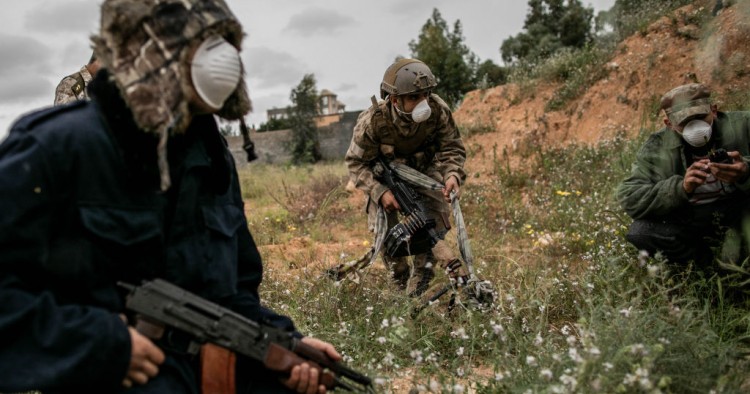
There is certainly no shortage of writings on Turkey today regarding that country’s “drift” away from its Western orientation. Some who espouse this argument frame the consequences in terms of Turkey’s increased ties to China. While Turkey itself has launched an “Asia Anew” policy, the outsized focus on this and other alleged signs of Turkey’s “drift from the West” distracts from the very palpable effects of its adventurism in the Middle East, North Africa, and Eastern Mediterranean. Turkey’s increasingly reckless foreign policy is on full display — from weaponizing refugees to extort the European Union to exporting mercenary Jihadist fighters to Libya. These are hardly the actions of a responsible regional power, much less a key member of the NATO alliance.
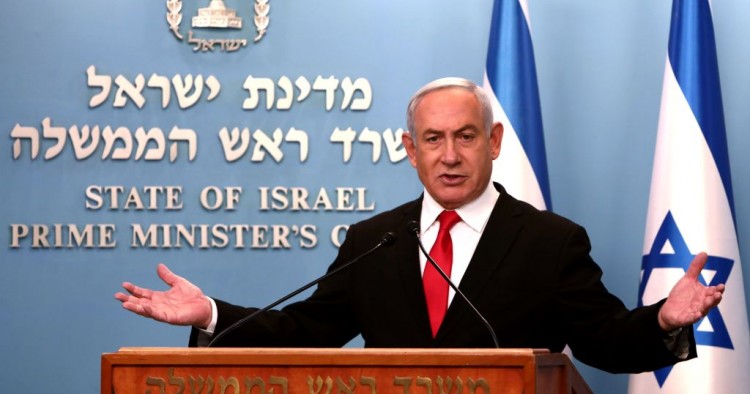
With the coronavirus sucking almost all of the oxygen out of the world’s news, it’s no wonder that Israel’s ongoing political crisis hasn’t received more coverage. But while the outside world is otherwise occupied, Israel, besides battling corona itself, is serving as a poster child for dysfunctional (yet democratic) government.
This is not the time to hang out the “Mission Accomplished” banner for the MFO. At a nominal cost to the U.S. in money and manpower, for nearly 40 years, the mission has been a phenomenal success. At a time when the U.S. commitment to the region is being viewed with increasing skepticism, the MFO is a prime example of U.S. capacity to organize and lead a multinational effort to support regional security and stability.
President Recip Tayyip Erdogan has sought to dramatically reorient Turkey’s role and relationships in the region. Gradually at first but then abruptly, he has pivoted from the Republic’s historical status as a key member of the transatlantic alliance towards new partnerships – including Russia. Erdogan has consistently aimed for freedom in executing his foreign policy agenda, of which energy concerns are pivotal. It remains to be seen whether this hard-sought autonomy will be limited or expanded by Turkey’s domestic energy needs and its prime position as a hydrocarbon transit state.
Both the coronavirus crisis and Israel’s year-long political crisis seem set to continue for the unforeseeable future.
US support for the Black Sea and the Middle East has been through several phases in recent years, with President Donald Trump’s generals having the biggest impact on policy change. While there has been increased engagement in the region, much more is needed from the US – as well as NATO and the EU – to ensure Black Sea security.
Blurring the lines between the physical world and the online one, the Iranian group known as the “Nakhsa Warriors” remains cloaked in mystery. Their identity and status are unclear. Are they a military force that carries out operations, an online group of like-minded individuals that share content, part of an Iranian disinformation campaign — or perhaps something else altogether?
Gonul Tol and Alex Vatanka join host Alistair Taylor to discuss how the coronavirus pandemic is affecting Iran, one of the first countries hit by the outbreak, and Turkey, where it arrived later but has since spread rapidly.
While much of the focus on Russia’s foreign policy toward the MENA region is on Syria and Libya, the dire situation in Gaza is another area where Moscow seeks to play a growing role. From Putin’s perspective, Moscow must involve itself in the Palestinian cause in order to further facilitate Russia’s “return” to the region. In practice, this has entailed Moscow and Hamas improving their relations, underscored by numerous visits and communications between high-ranking Russian government officials and Hamas representatives in recent years.
The Sinai-based Multinational Force & Observers (MFO) will soon celebrate its 41st anniversary. Like most of what the MFO does, recognition will be low key and understated. The MFO has always operated under the radar, but this may soon be changing.