One-State Solution an Existential Threat to Jordan
President Donald Trump’s refusal to endorse the two-state solution to resolve the Israeli-Palestinian conflict has irked one close ally—Jordan. During King Abdullah’s visit to Washington in early February, Trump and other officials restated continued U.S. military and economic support for the kingdom. The king had outlined the dangers of moving the U.S. embassy to Jerusalem and underlined the need for peace between Israel and the Palestinians.
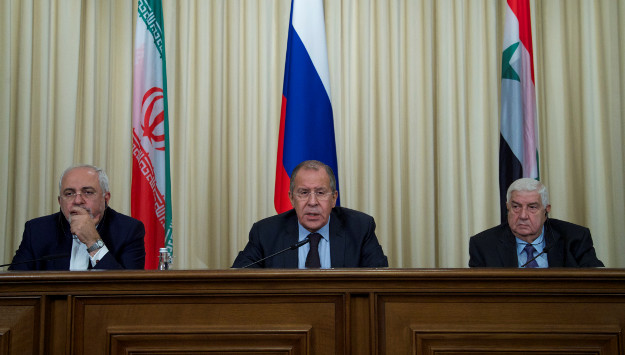
Iran’s Spoiler Role May Derail Syria Peace Process
Sergey Vershinin, the head of the Russian Foreign Ministry’s Middle East and North Africa department, will meet with Iranian Deputy Foreign Minister Hossein Jaberi Ansari to discuss the U.N.-sponsored peace talks on Syria, the
Monday Briefing: Al-Qaeda leader killed, U.S. & Russia at odds over Syria
Note: The latest issue of MEI’s Monday Briefing e-mail incorrectly linked to this page. If you’re looking for the Monday Briefing for March 6, click here.
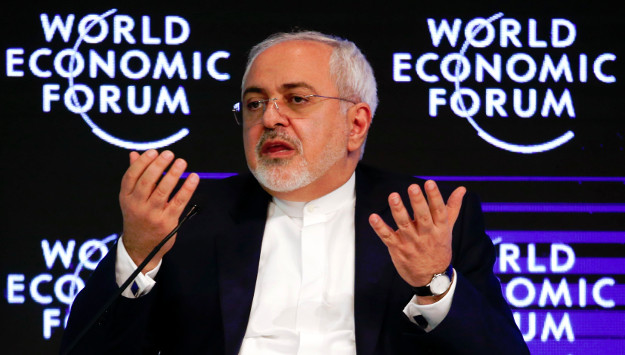
Iran’s Scathing Attack on Turkey as Syria Peace Talks Begin in Geneva
In the latest episode of escalating diplomatic tension between Tehran and Ankara, Iran’s foreign minister today blasted latest statements by Turkish officials accusing Iran of destabilizing the Middle East and fueling sectarian divide in the region.
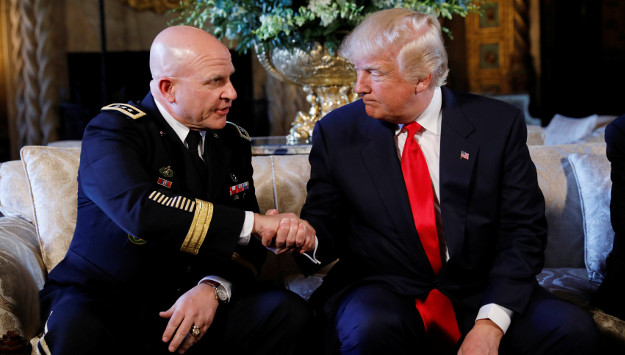
Weekly Briefing: Geneva Talks, Iranian War Games, and Trump's New National Security Advisor
In this week’s Monday Briefing, contributors Randa Slim, Alex Vatanka, Paul Salem, and Antoun Issa provide analysis on recent and upcoming events including the next round of Syria talks in Geneva, Iranian war games directed at President Trump, the appointment of a new U.S. National Security Advisor to replace Michael Flynn, and Israeli PM Netanyahu’s trip to Australia.
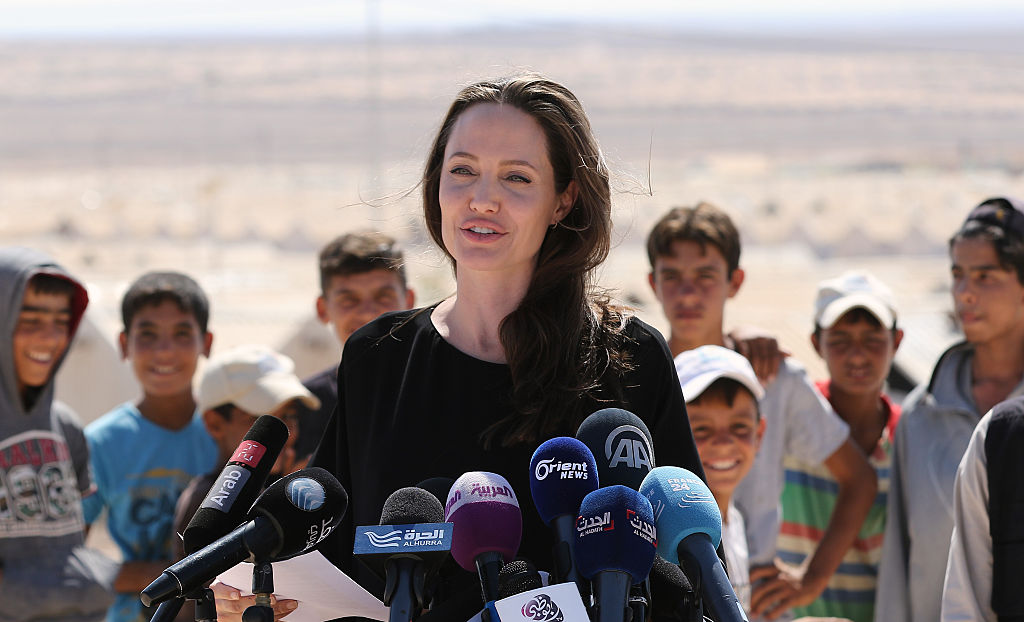
Bearing Witness to the Refugee Crisis: Western Audiences and Jordanian Humanitarian Workers
This essay is not about the Syrians who have fled their homes or those who are unable to leave despite the barrel bombs. Nor is it about Syrian refugees who are caught in limbo in neighboring countries, those that took perilous journeys to Europe by boat, or those who face rejection in the “land(s) of the free.” Instead, this essay is about the witnesses — those closest to Syrian refugees and those farthest away. It juxtaposes images produced for consumption by Western audiences with reflections of Jordanian humanitarian aid workers.
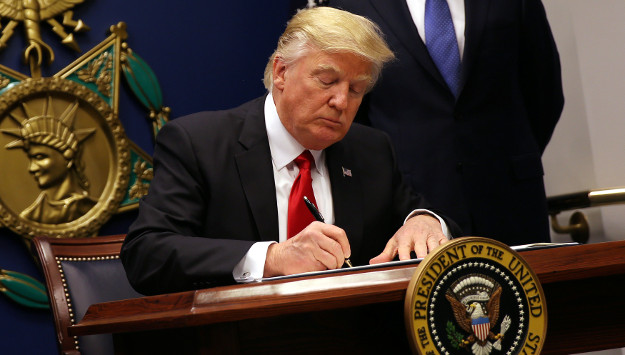
Monday Briefing: Trump’s Executive Orders Don’t Reveal a Coherent Strategy
In this week’s Monday Briefing, MEI experts Paul Salem, Paul Scham, Randa Slim, W. Robert Pearson, and Marvin G. Weinbaum provide analysis on recent and upcoming events including the Trump administration’s apparent lack of a coherent strategy in the implementation of executive orders, the possibility of an improved relationship between Israel and the UK in the wake of Brexit, the Astana meeting to discuss the Syrian cease-fire deal, bilateral efforts to improve Turkish-Israel relations, and the uncertainty surrounding U.S.-Pakistani relations under the Trump administration.
On February 5, the Secretary of Iran’s Supreme National Security Council, Ali Shamkhani, said that “certain countries are worried about the weakening of terrorist groups in Syria.” Shamkhani made the remarks after his meeting with visiting Russian president’s Special Envoy for Syrian Affairs, Alexander Lavrentiev. Shamkhani and Lavrentiev praised the latest Syrian peace talks held in Astana and which were brokered by Russia, Turkey and Iran.
Monday Briefing: Trump Scores a Ruinous ‘Own Goal’ in the Middle East
In this week’s Monday Briefing, MEI experts Paul Salem, Robert S. Ford, and W. Robert Pearson provide analysis on recent and upcoming events including the Trump administration’s controversial travel ban, the Syrian regime’s dismissal of calls for a cease-fire, and the upcoming meeting between German Chancellor Angela Merkel and Turkish President Recep Tayyip Erdogan.