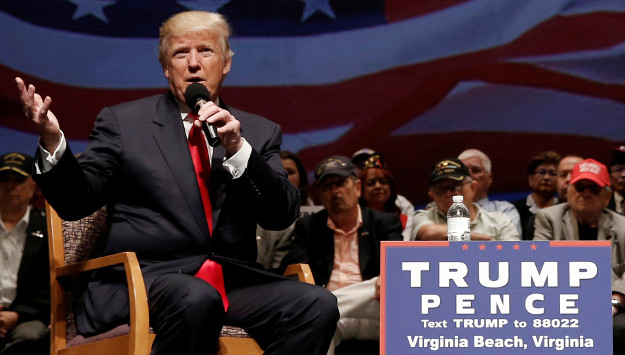
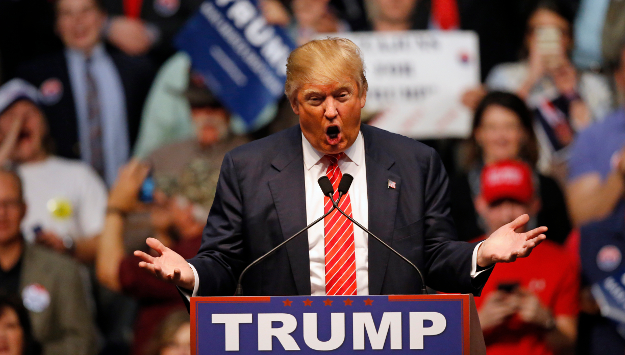
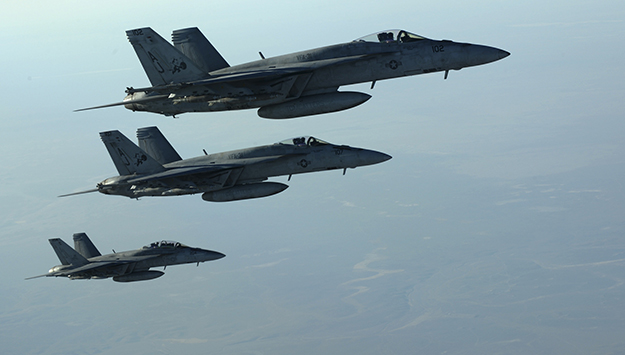
Late last week, President-elect Donald Trump explained for the first time since his election victory his position on the crisis in Syria. In his remarks, he laid out his determination to ramp up the fight against the Islamic State and to cease support to those fighting President Bashar al-Assad’s regime:
Briefing: Middle East Reactions to the U.S. Election
In this special edition of our weekly briefing, MEI experts Paul Salem, Robert S. Ford, Eran Etzion, Gonul Tol, Alex Vatanka, and Gerald Feierstein provide analysis on the impact of Donald Trump’s victory in the U.S. Presidential Election on the future of Middle East policy, its particular effect on the crises in Iraq and Syria, and how the news has been received across the region, including in Turkey, Iran, and the GCC.
Tehran-Moscow Ties Growing but Alliance Remains Shaky
At the invitation of Iran’s Parliament Speaker Ali Larijani, the chairwoman of the Federation Council of Russia, the country’s upper house of parliament, is
Monday Briefing: Shiite Militias to Join Mosul Battle
In this week’s Monday Briefing, MEI experts Randa Slim, Robert S. Ford, and David Mack provide analysis on recent and upcoming events including updates on the battles for Mosul and Aleppo, and the potential meeting of Libyan factions currently locked in a stalemate.
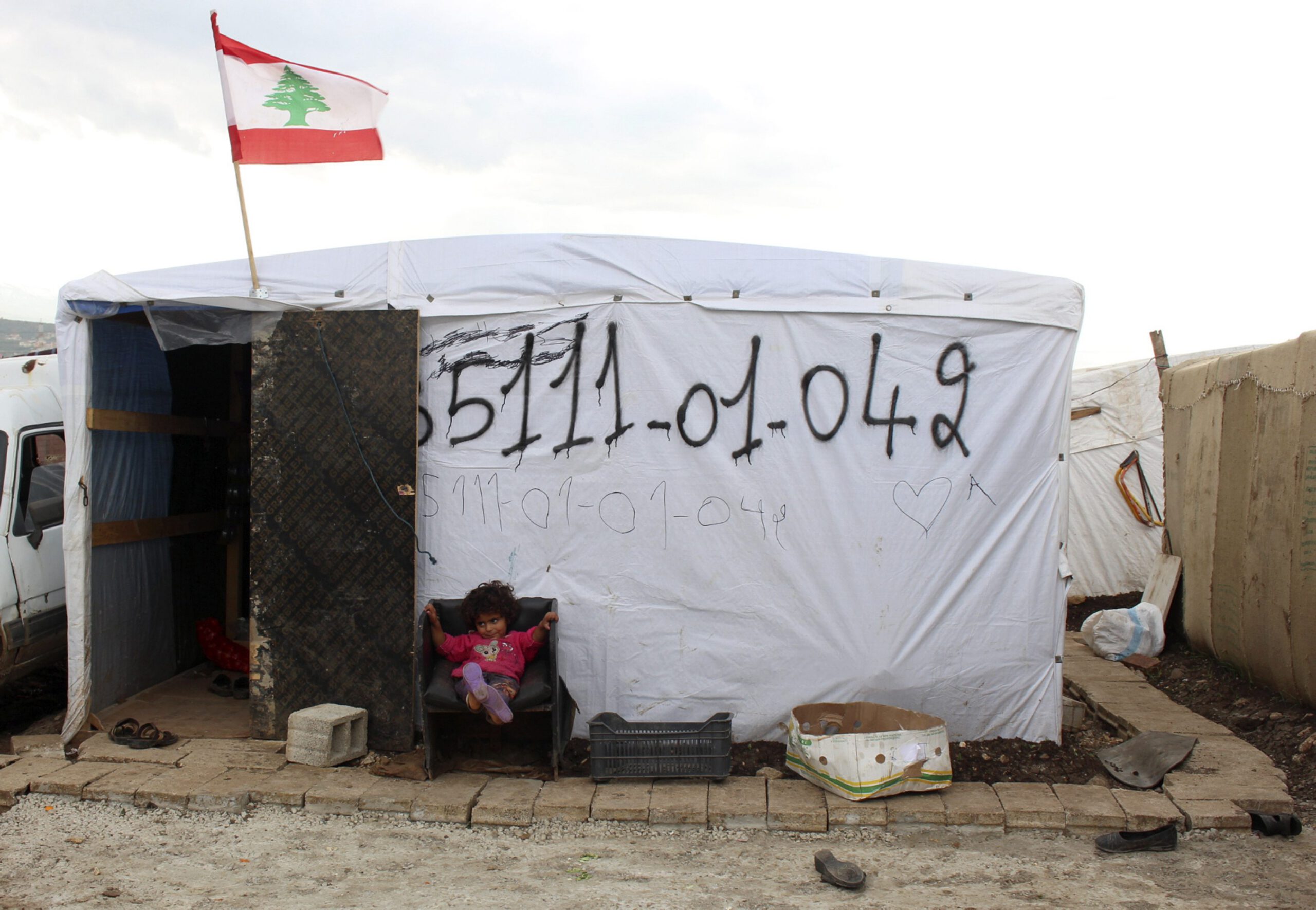
Against Ontologies of Hospitality: About Syrian Refugeehood in Northern Lebanon
This essay explores the relationship between Syrian refugees and local Lebanese. In particular, it discusses the dominance of the discourse of ‘hospitality’ in the international media depiction of this relationship and in the humanitarian response informed by it. As this essay will show, these tendencies have resulted in the ‘hospitality’ discourse informing and reinforcing the international response to the Syrian refugee influx into and presence in Lebanon.
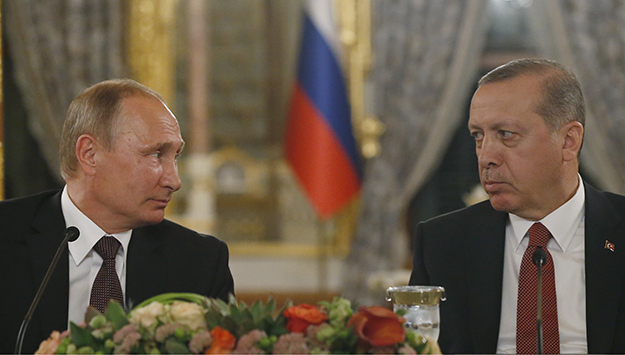
How Far Can the Turkey-Russia Rapprochement in Syria Go?
Tensions between Turkey and Russia are thawing, as both countries appear to be advancing reconciliation efforts. Beginning with Turkish President Recep Tayyip Erdogan’s apology to Russian President Vladimir Putin for downing a Russian jet last year, the nations have shown a political will to cultivate closer cooperation in Syria. But the question remains—how far can the rapprochement in Syria go?
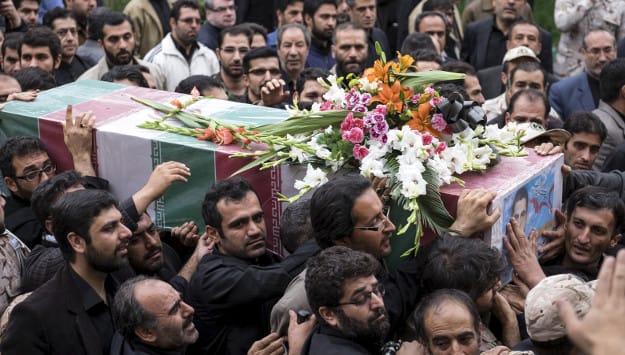
The leadership of the IRGC in Iran has unveiled a new policy of recruiting local volunteers among Iranians to fight on the side of Bashar al-Assad’s forces in Syria.
On September 23-24, the Middle East Institute’s Initiative for Track II Dialogues convened its ninth meeting of the Middle East Dialogue in Muscat, Oman. Participants included current and former officials and senior experts from Saudi Arabia, Lebanon, Egypt, Turkey, United Arab Emirates, Syria, Iraq, the Kurdistan Regional Government, Iran, Russia, China, the United States, and the United Nations.
Monday Briefing: Huge Humanitarian Challenges in Mosul
In this week’s Monday Briefing, MEI experts Randa Slim, Gonul Tol, Charles Lister, and Paul Salem provide analysis on recent and upcoming events including potential fallout from the battle for Mosul, how the row between Turkey and Iraq will complicate the operations in Mosul, the implications of ISIS’ loss of Dabiq, and recent military cooperation between Egypt and Russia.
Iraq and Syria: Regional and International Dimensions
October 14, 2016 – In this interview Randa Slim discusses the latest diplomatic and political developments in the Syrian crisis and the regional battle against ISIS, including challenges to be dealt with in the aftermath of an offensive to retake Mosul, with host Paul Salem.
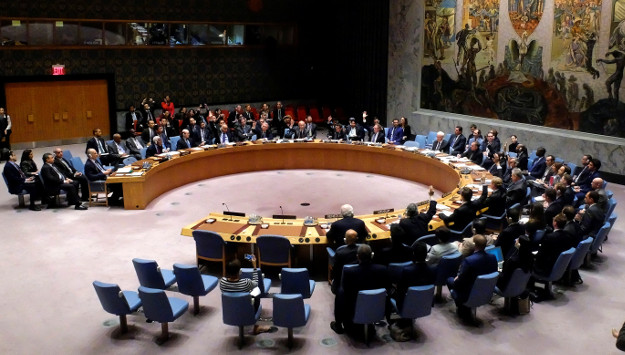
In this Weekly Briefing, MEI experts Robert S. Ford, Gonul Tol, and Ruba Husari provide analysis on issues including the UNSC’s inability to administer diplomatic solutions in Syria, the rebuilding of diplomatic ties between Russia and Turkey, and OPEC’s ongoing consideration of how to control member state oil production.
In this week’s Monday Briefing, MEI experts Robert S. Ford, Paul Salem, and Marvin G. Weinbaum provide analysis on recent and upcoming events including Russia’s recent escalation of military force in Syria, deteriorating Saudi-Iranian relations, and an escalation in the Kashmir between India and Pakistan.
Five years of horrendous conflict in Syria has given birth to a menacing array of threatening and destabilizing repercussions. From the rapid proliferation of terrorist groups, to mass civilian displacement and an international refugee crisis, not to mention the disintegration of a major nation state at the heart of the Middle East, the consequences of the conflict’s apparent intractability are clear for all to see.