The unfolding struggle for political survival in Lebanon
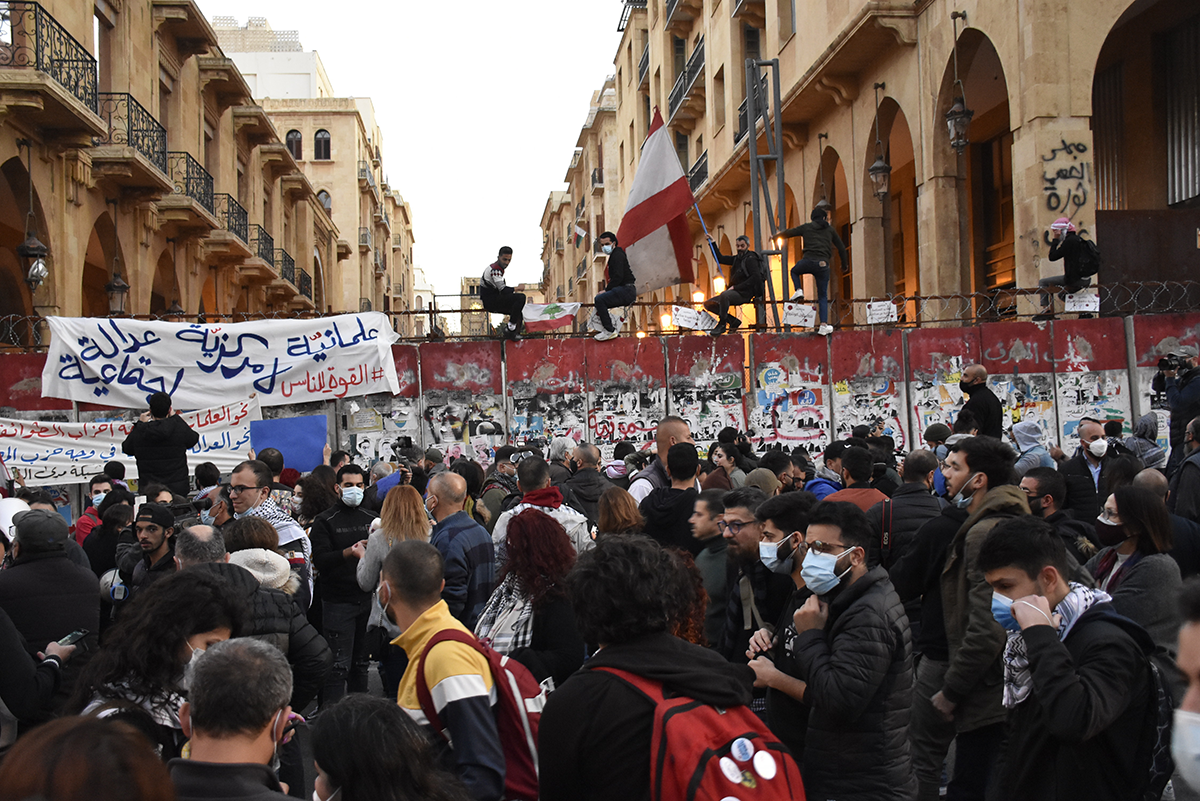
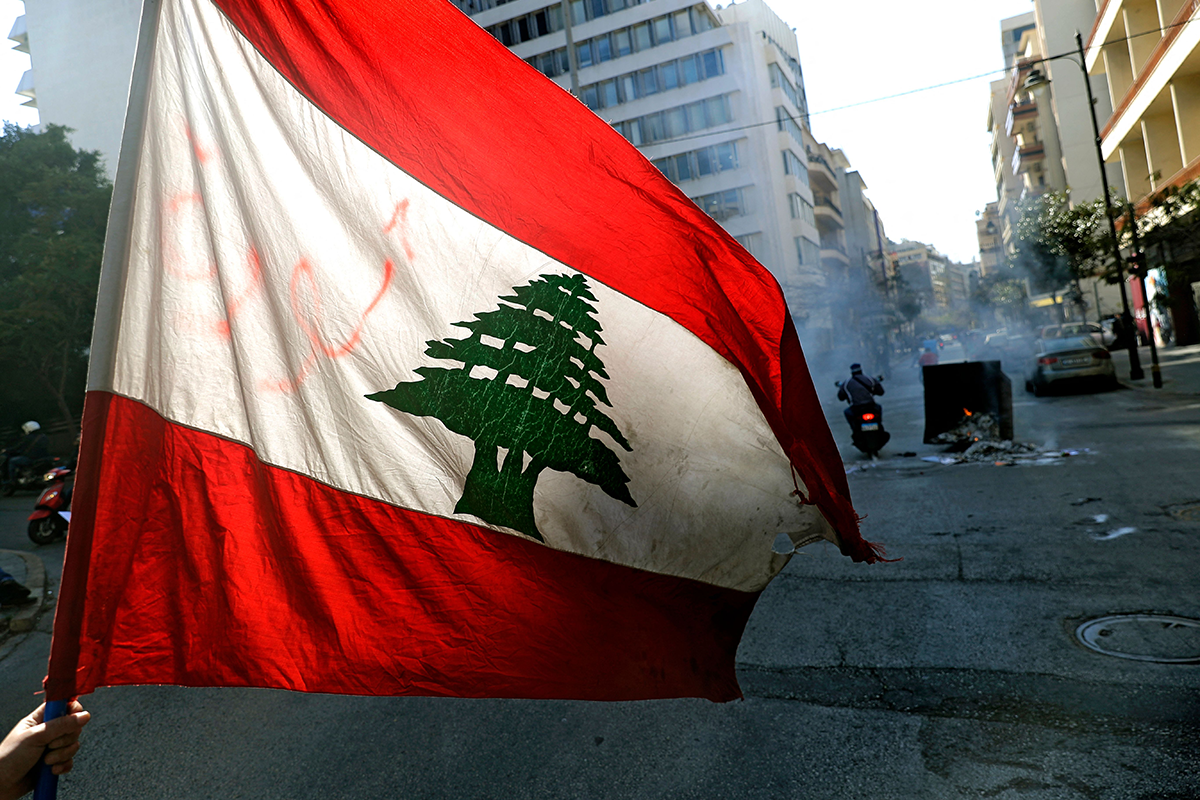
Lebanon’s political leaders are getting deeper into trouble, and they know it. This does not make them any less dangerous. Recurring skirmishes over cabinet formation — namely those referencing constitutional powers, cabinet size, sectarian representation, and ministerial allocation — continue to dominate the public discourse and waste precious time. They remain, however, peripheral to the central issue that establishment parties currently face: an all-out struggle for political survival at a time when tough and unapologetic decisions need to be made.
The Roadblocks to a Regional Security Dialogue in the Middle East
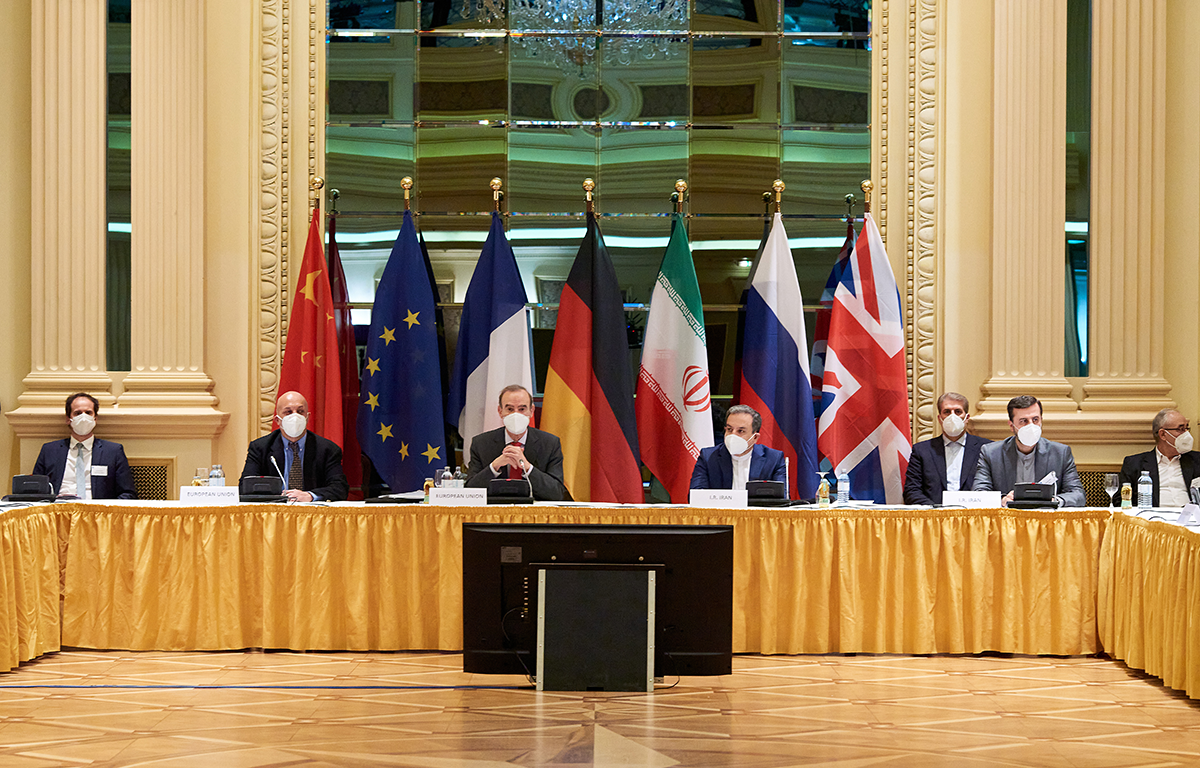
It’s easy to see why there’s an enduring attraction for a regional security dialogue in the Middle East. Countries in the region face shared and borderless challenges — including terrorism, insurgency, environmental safety, arms races, cybersecurity, maritime piracy, and the proliferation of weapons of mass destruction — that can be dealt with more effectively through multilateral measures.
Making sense of the Iran-China strategic agreement
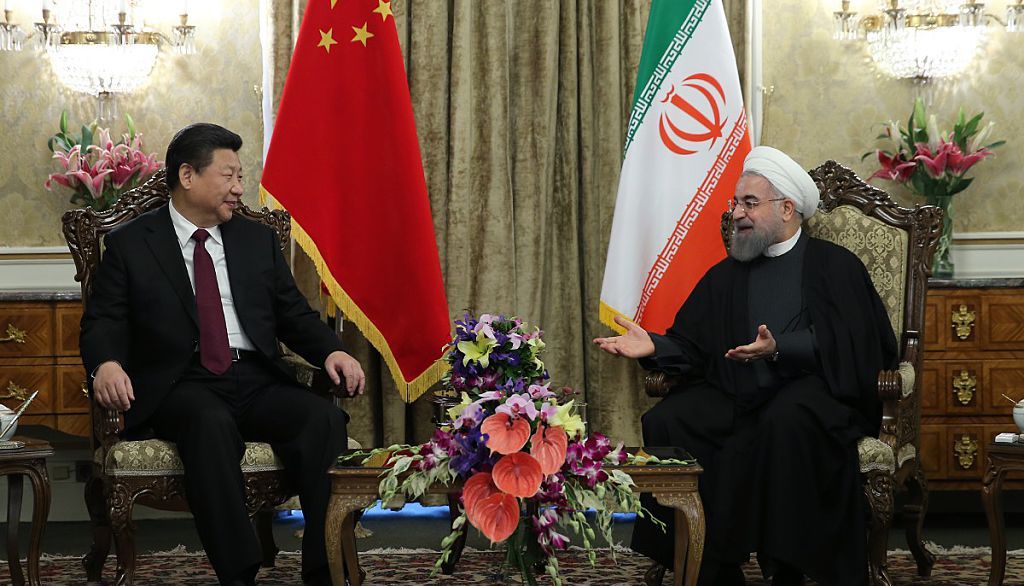
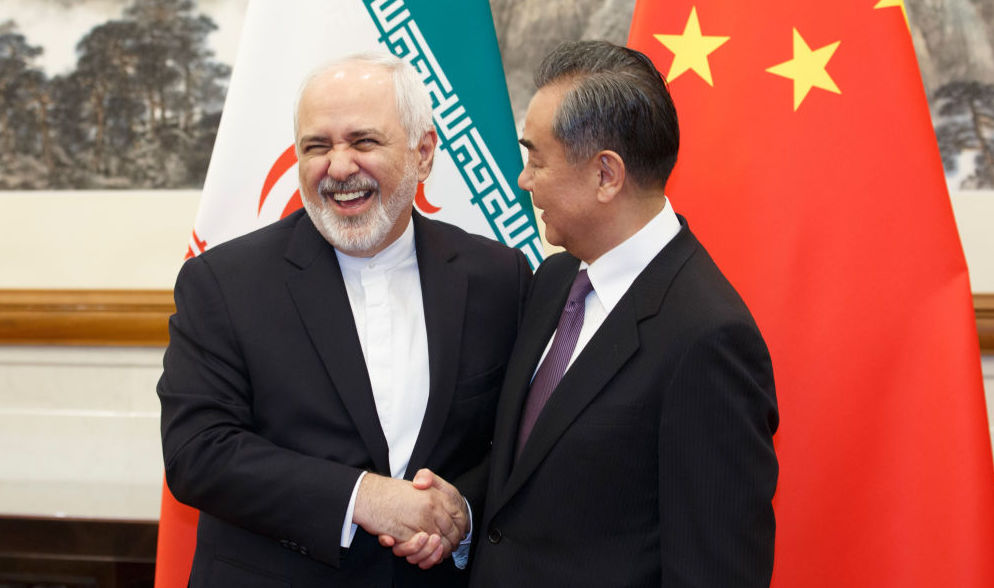
The 25-year agreement between Iran and China that made headlines this past month is far from new. It was first announced in 2016 during a state visit by President Xi Jinping to Tehran, at a time when sanctions on Iran were being lifted as part of the 2015 nuclear deal. Chinese and Iranian officials have been working out the details of the deal ever since as part of a slow process of consultation and negotiations. The timing of the latest announcement about the agreement is, therefore, less about developments in relations between Beijing and Tehran and more about the fast-deteriorating relations between Beijing and Washington. China is looking to identify areas where it can cultivate leverage, and Iran is a prime opportunity.
Key environmental challenges facing the Middle East
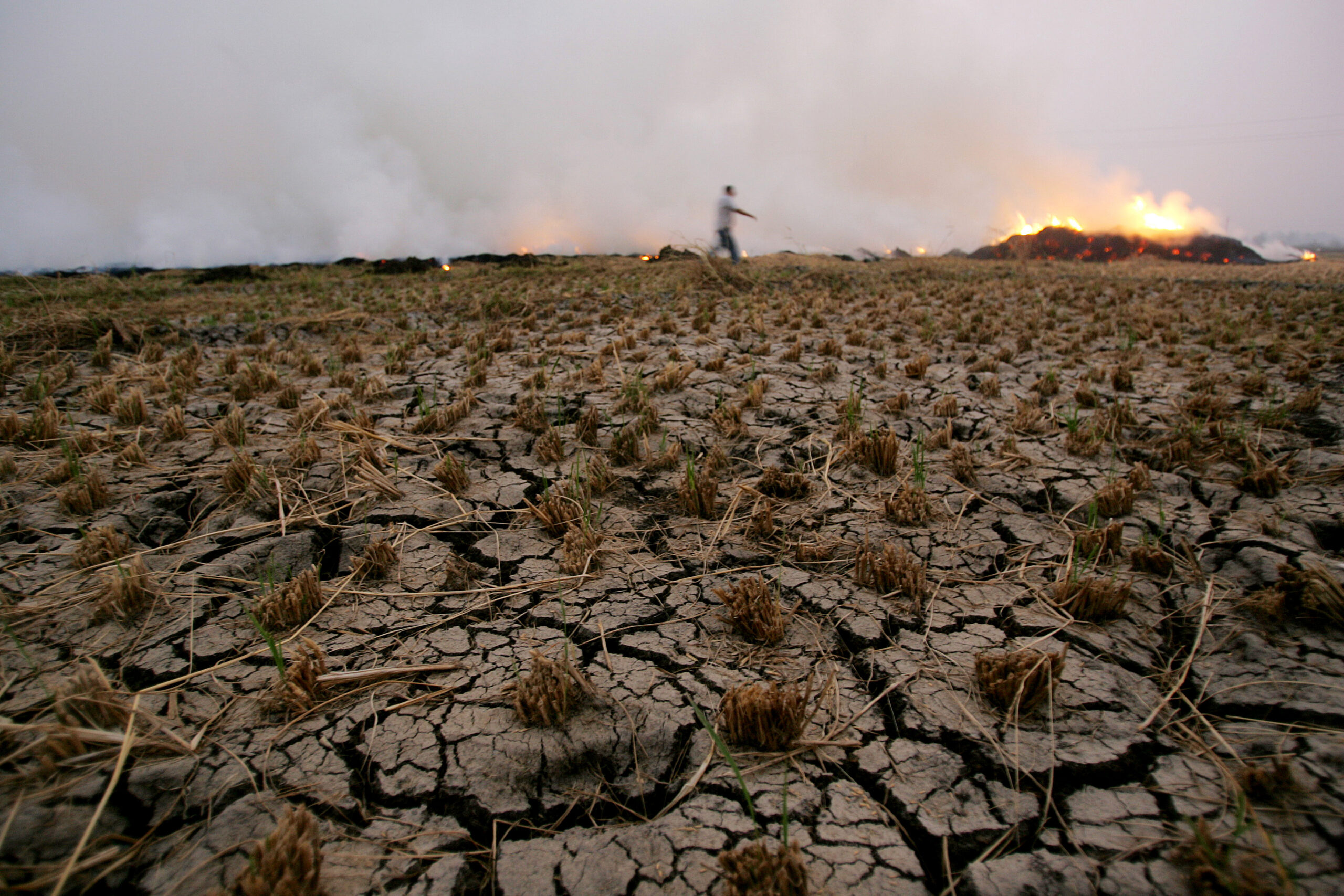
The Middle East and North Africa faces a host of major environmental challenges, from water scarcity and food insecurity to climate change adaptation. In recognition of Earth Day on April 22 and in conjunction with MEI’s Climate Week 2021 events, we asked experts and scholars to weigh in with their thoughts on the most pressing environmental issues facing the region.
How have Russia’s policies in the Middle East changed since the Arab uprisings?
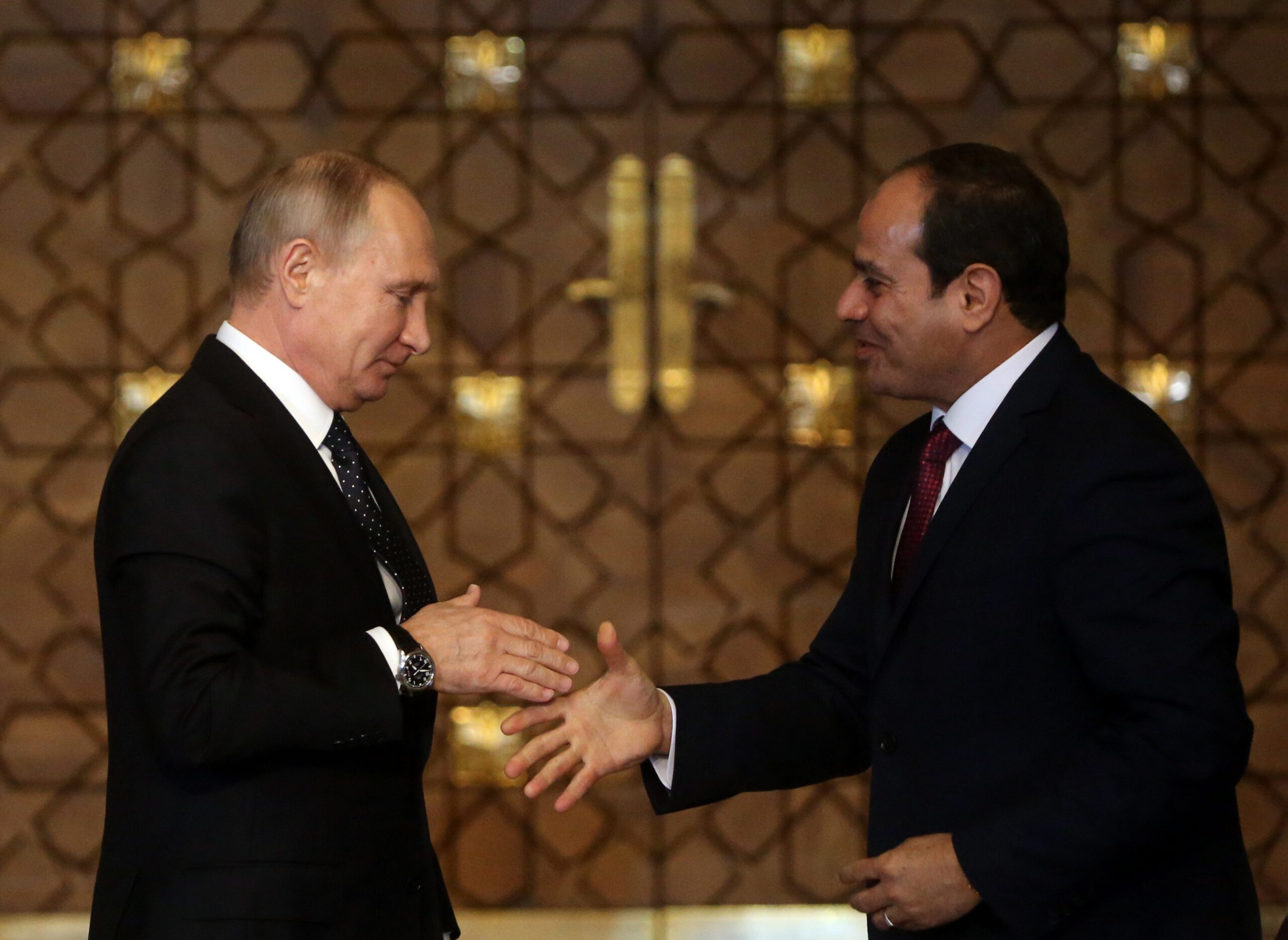
The response of the Russian government to the Arab uprisings that began in January 2011 has aimed primarily at protecting its interests in the Middle East, including security and economic objectives.[1] Nonetheless, it has pursued different approaches over time: an initial period of observation and political pressure between 2011 and 2015, followed by more active policies thereafter. This essay explains the reasons for this shift and argues that Russia’s policies since 2015 are likely to continue, despite domestic and external challenges.
Preventing a miscalculation between the US and Israel on Iran
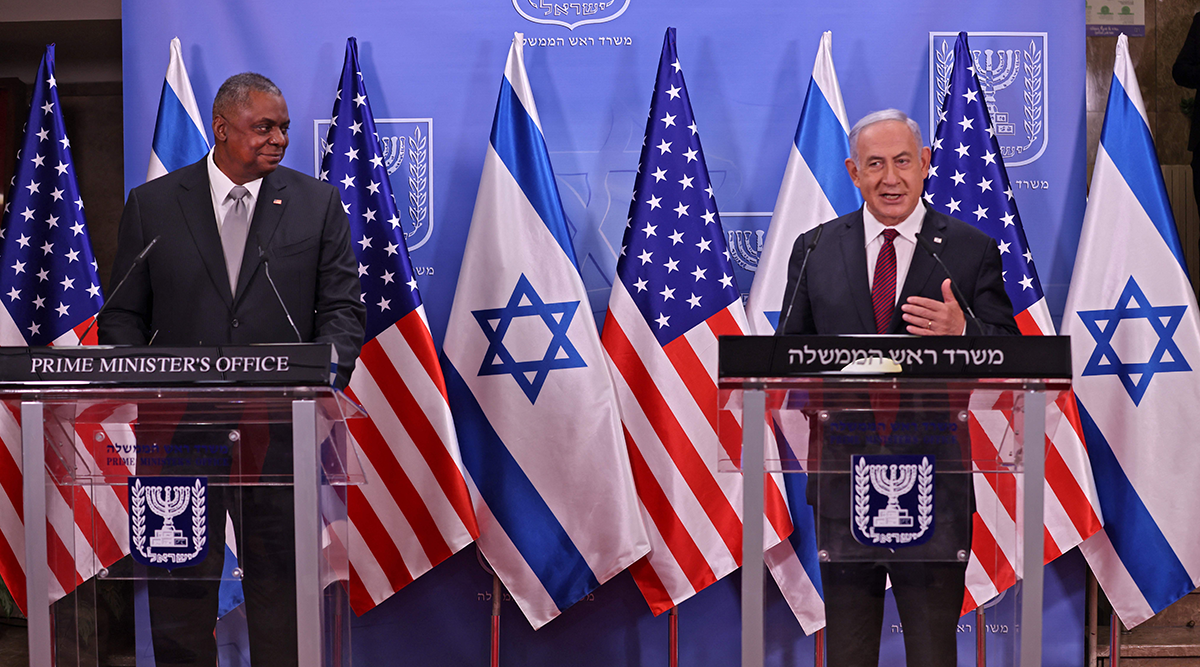
The U.S.-Israel relationship is a close partnership founded on shared national security interests as well as democratic values. Washington’s commitment to the security and wellbeing of the state of Israel is exceptional, and bilateral ties remain strong despite the erosion of support for Israel among progressive and isolationist circles in the U.S. In spite of all this, the Iran issue presents many pitfalls for miscalculation that could derail even the most well-intended efforts at formulating a coordinated U.S.-Israel strategy.
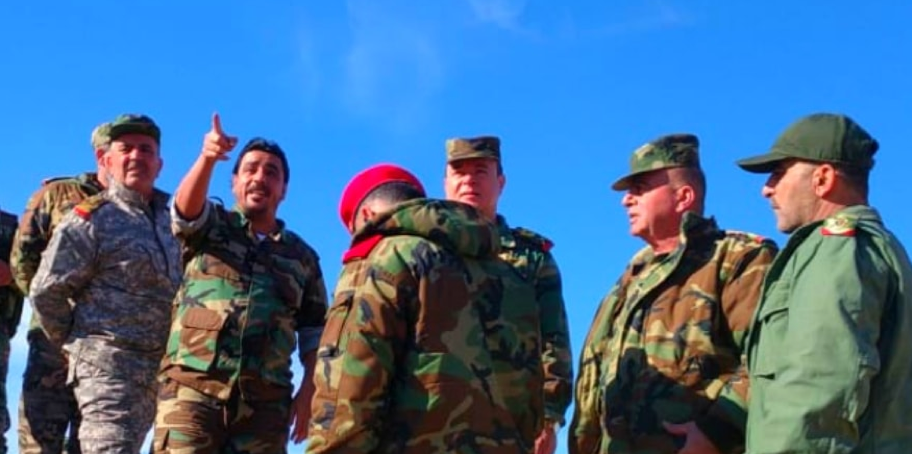
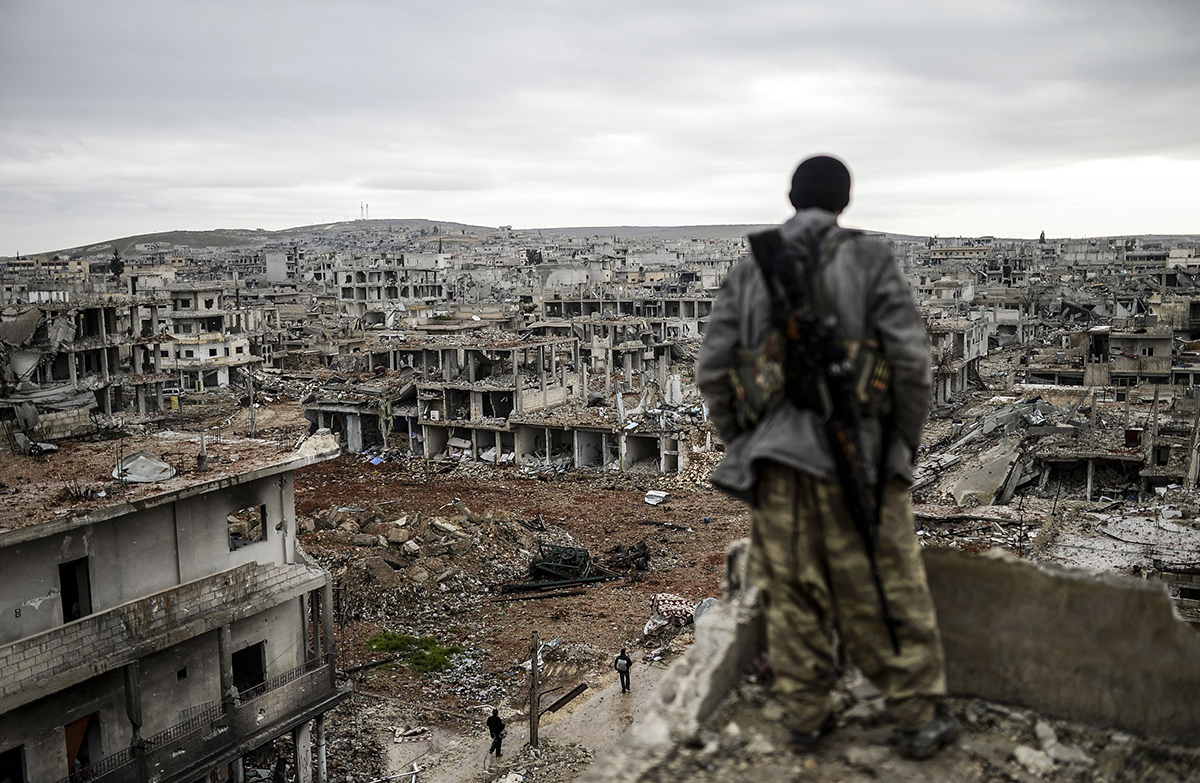
Five months into his job as commander of regime forces in Deir ez-Zor, Maj. Gen. Nizar Khader appears to have skillfully gained control over the diverse tapestry of loyalist forces in the region. Khader’s return to power in the east quickly put an end to the deadly disputes that had plagued the governorate’s security forces for years. He then launched a nearly three-month campaign, coordinated between Syrian, Iranian, and Russian forces, to push ISIS cells back into the province’s hinterlands, securing the crucial highway connecting Deir ez-Zor with Palmyra and Damascus to the west. His success, while impressive, will face its second major test soon as ISIS prepares for a potential Ramadan offensive.
Following a royal rift King Abdullah faces daunting choices
April 11, 2021 was to be a day of celebration and national pride marking the kingdom of Jordan’s centenary as a state — a geopolitical feat in itself few thought was possible a century ago. But instead of pomp and ceremony the festivities were overshadowed by stark events that took place a week before when the government unveiled a “plot” to destabilize the country involving a senior member of the royal family, a close former palace aide, and “outside entities.” This was an unprecedented development in the history of the kingdom and ruling monarchy. The implication of Prince Hamzah, the former crown prince and half-brother of King Abdullah, in a fuzzy conspiracy that is tantamount to a coup has shocked Jordanians from all walks of life.
The China-Iran deal and the reinvention of the Iranian revolution
The announcement of the Comprehensive Strategic Partnership (CSP), a 25 year-long economic and development agreement between China and Iran, has immediately added to the intensifying discourse concerning US-China Geostrategic Competition. Nonetheless, a closer look at its implications suggests that it may be useful in achieving some U.S. goals with Iran: particularly regime modernization.
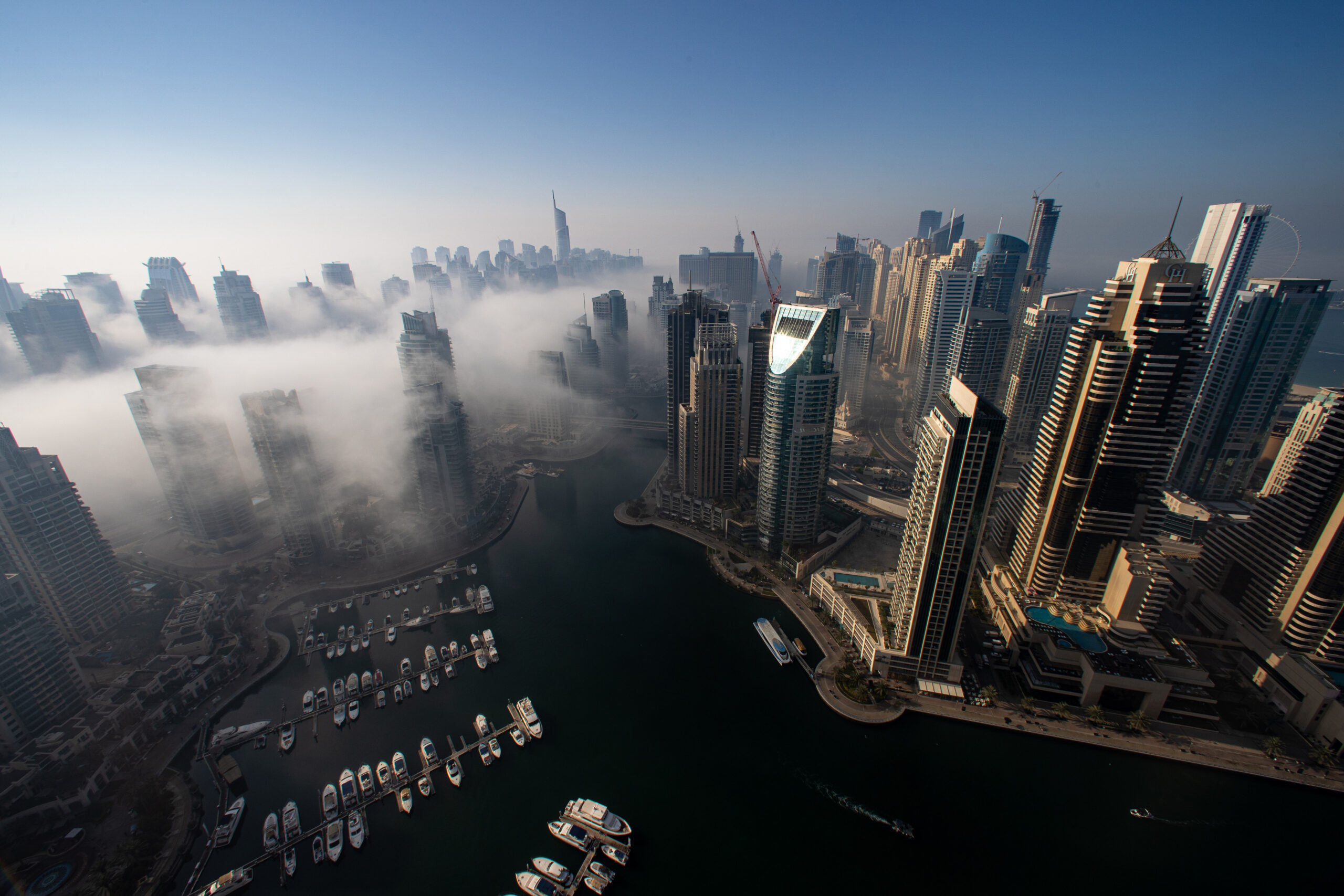
For many years, the United Arab Emirates (UAE) has thrived as a result of its ability to attract talent from abroad. On Jan. 30, 2021, Sheikh Mohammed bin Rashid al-Maktoum, the vice-president and prime minister of the UAE and ruler of Dubai, announced on Twitter[1] an amendment to the law that is designed to entice and retain foreigners by permitting a select group of expatriates to become Emirati citizens without giving up their original nationality.
Egypt should go green by putting a price on carbon
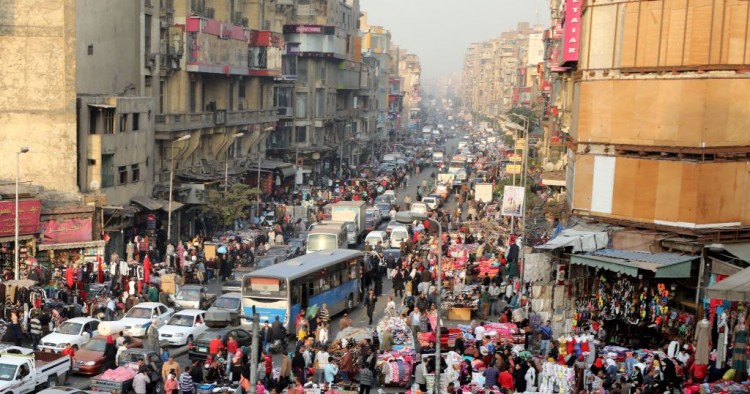
It is time for Egypt to put a price on carbon. While Cairo has taken small steps toward developing a sustainability plan, it needs a bold idea to stop rising carbon emissions. Establishing a carbon exchange — or putting a price on carbon — would be good for the country and help make Egypt an environmental leader in the region.
Lebanon’s economic crisis: A tragedy in the making
For the past 18 months, Lebanon has been reeling from a wrenching economic crisis. This essay deciphers the crisis’s origin, describes the current juncture, and reflects on the likely outcomes in the proximate future.
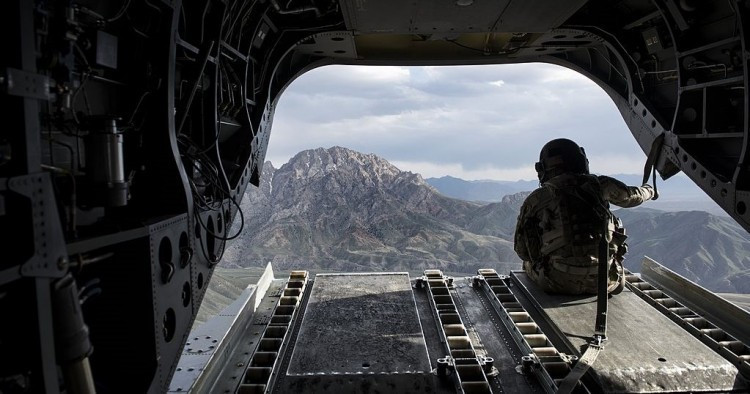
Political risk vs. risk to force: How policy decisions impact risk and capability in partner operations
Operation Inherent Resolve (OIR) is the U.S. military’s name for the international intervention to defeat ISIS in Syria and Iraq starting in 2014. While OIR has been a success, it has necessarily been imperfect. Throughout the campaign, cost-benefit calculations made by policymakers led to missed opportunities and possibly a longer conflict. These decisions will have lasting repercussions that could undermine the hard-won victory against ISIS, as well as the ability to partner in future interventions. In particular, the United States mishandled its partner relationships in the war to defeat ISIS. Political considerations apparently won out against supporting and sustaining the SDF, our military partner forces.