Skip to Content

Research & Commentary Results

Filter by
3037 Results
Trends to watch in the Middle East in 2021
Middle East Institute
  • Podcast
  • Trends to watch in the Middle East in 2021

    MEI experts Gerald Feierstein, Alex Vatanka, Gonul Tol, and Charles Lister join host Alistair Taylor to survey what lies ahead for the region in the year ahead, with particular attention to Yemen, Iran, Turkey, and Syria.

    January 15, 2021

    The Biden administration and the Middle East: Four-year policy goals
  • Analysis
  • The Biden administration and the Middle East: Four-year policy goals

    The Biden administration will face a number of major challenges in the Middle East over the next four years, from great power competition and climate change to cybersecurity and refugees and migration. But what realistically can it achieve in that time on the policy front? To better understand what’s possible, we asked 10 experts from across MEI to weigh in with their thoughts.

    A Shift Among the Shi'a: Will a Marj'a Emerge from the Arabian Peninsula?
  • Analysis
  • A Shift Among the Shi'a: Will a Marj'a Emerge from the Arabian Peninsula?

    This paper looks at the political implications of the relationship between Shi’a in the Gulf states and Iranian marj‘as, the historical background to these ties, and Gulf states’ concerns surrounding the outflow to Iran of religious taxes. In some Gulf countries, these issues are tied to concerns about the loyalty of Shi’a to the nation. The authors argue that the emergence of a marj‘a who would be based in one of the Gulf states could quell these concerns.The authors identify potential marj‘as from the region and steps that Gulf states must take so that their Shi’a citizens will shift their allegiance from foreign-based marj‘as to domestically based ones.

    January 12, 2021

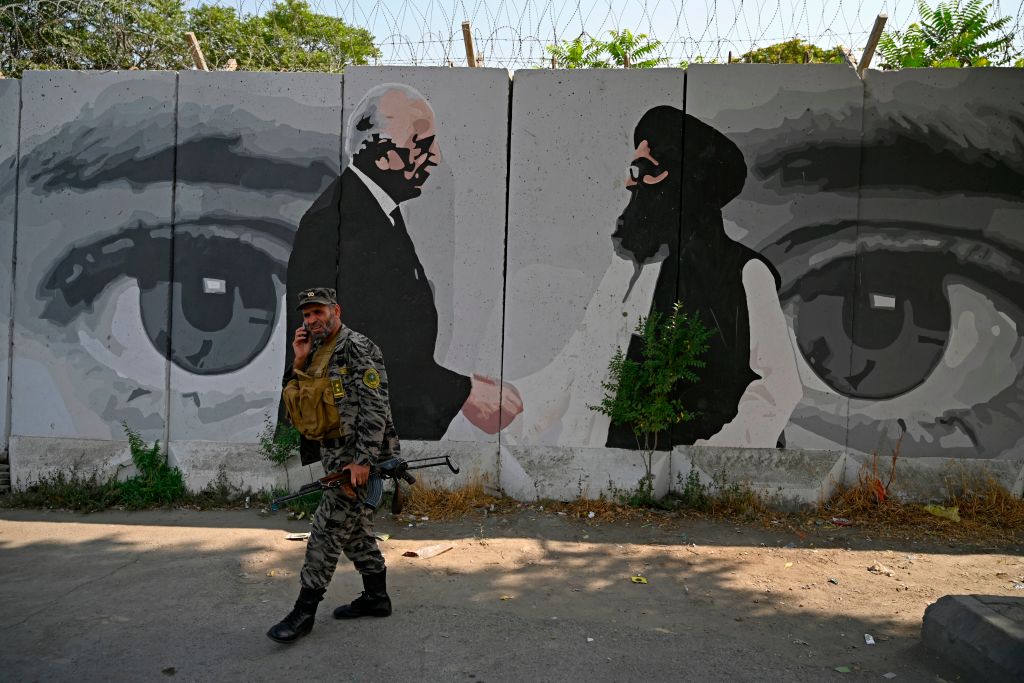
    Afghan talks resume amid violence and controversy
    Photo by ZAKERIA HASHIMI/AFP via Getty Images​​​​​​​
  • Commentary
  • Afghan talks resume amid violence and controversy

    Peace talks between the Kabul government and the Taliban resumed in Doha on Jan. 5 amid a sharp resurgence in violence and controversy over a video shared on various social media platforms by pro-Taliban elements.

    January 6, 2021

    The United States and the Gulf: Trapped in transition?
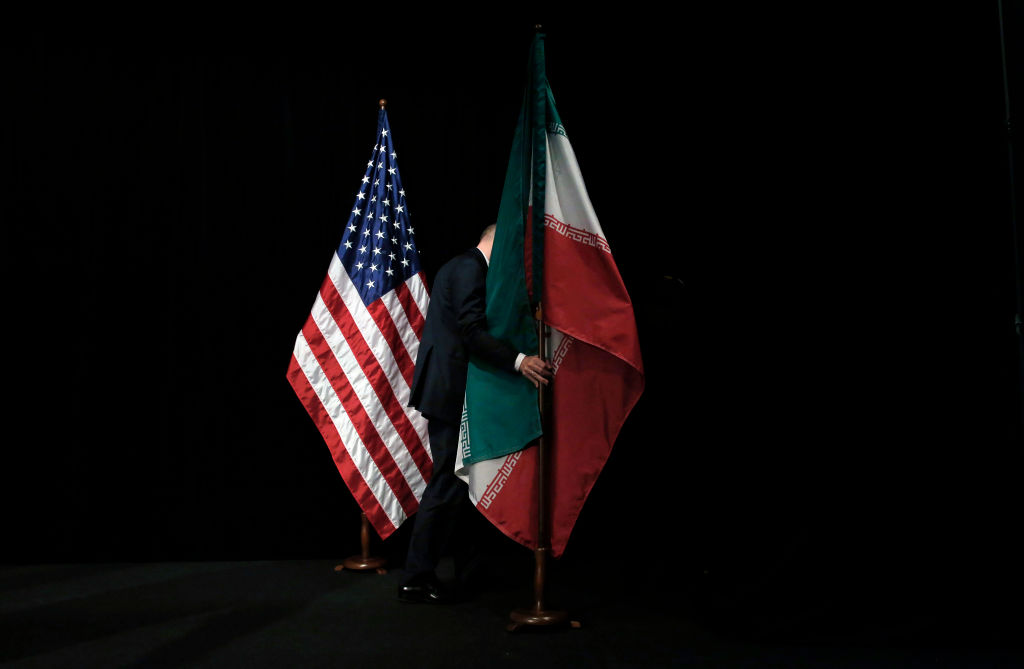
    Photo by SAUL LOEB/POOL/AFP via Getty Images
  • Analysis
  • The United States and the Gulf: Trapped in transition?

    The mixed messages and pendulum swings in U.S. Gulf policy in recent years are rooted in and have further fueled deep questioning and a largely unresolved debate within the United States about America’s role in the region, and indeed in the world. Like the U.S., relations between the GCC and Iran are locked in confrontation. Breaking this impasse requires decisive U.S. reengagement in Gulf affairs led by vigorous, sustained diplomacy that promotes intra-GCC reconciliation and supports efforts aimed at tempering the Saudi-Iran strategic rivalry.

    Turkey Faces Asia
    Middle East Institute
  • Analysis
  • Turkey Faces Asia

    Turkey lies at the crossroads of Europe and Asia. Fueled by a dynamic economy, Turkey has emerged in recent years as an important geopolitical actor not just within the surrounding region but in the global arena as well. Turkey’s foreign and economic policy horizons today extend to the Far East. These essays explore the development of cultural, political, and economic links between Turkey and Asia.

    January 1, 2021

    How can China mediate between Israel and Pakistan?
  • Analysis
  • How can China mediate between Israel and Pakistan?

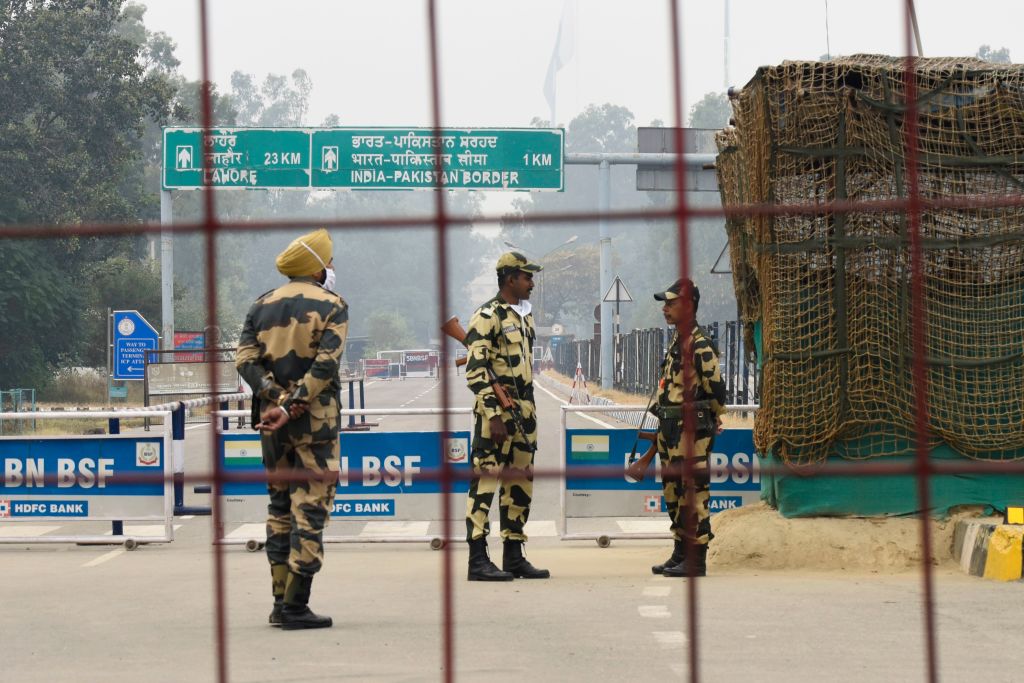
    Pakistan’s Prime Minister Imran Khan recently revealed that several countries are pressuring Islamabad to follow in the footsteps of the Gulf states by recognizing the state of Israel. Khan, however, expressed opposition to this idea, at least until there is a political settlement that meets Palestinian demands. While full normalization between Israel and Pakistan may still be out of reach, China could mediate between these two countries which have never established a diplomatic relationship.

    December 18, 2020

    The Fakhrizadeh assassination: A major failure for Iranian intelligence
    A funeral ceremony of Iranian Top nuclear scientist, Mohsen Fakhrizadeh Mahabadi, held at Defense Ministry of Iran in Tehran, Iran on November 30, 2020. Fakhrizadeh, who headed research and innovation at the defense ministry, was attacked Friday in Damavand county near Tehran.
  • Analysis
  • The Fakhrizadeh assassination: A major failure for Iranian intelligence

    The assassination of Mohsen Fakhrizadeh, the most important figure in Iran’s nuclear program, in late November 2020 is a major failure for Iran’s intelligence services. Despite all the secrecy and the emphasis on protecting Fakhrizadeh, however, he was still assassinated in the Absard area, about 70 km from Tehran, on Nov. 27. Why was he killed despite such a high level of protection, and what effect will his death have on the Iranian regime’s intelligence and security structures?

    December 18, 2020