Iraqi youth protesters: Who they are, what they want, and what’s next
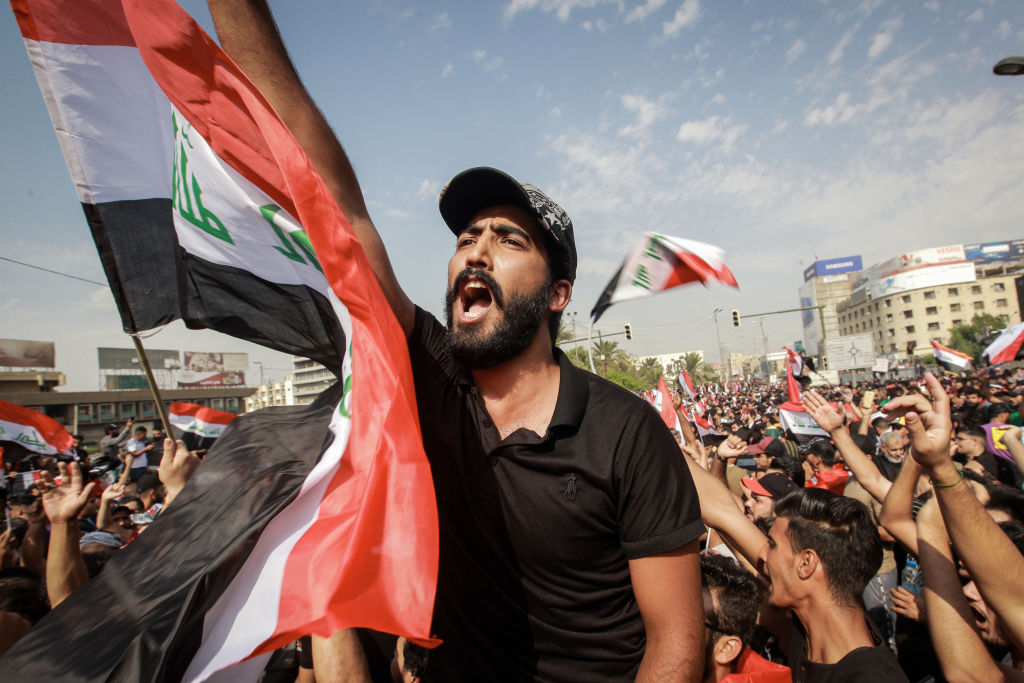
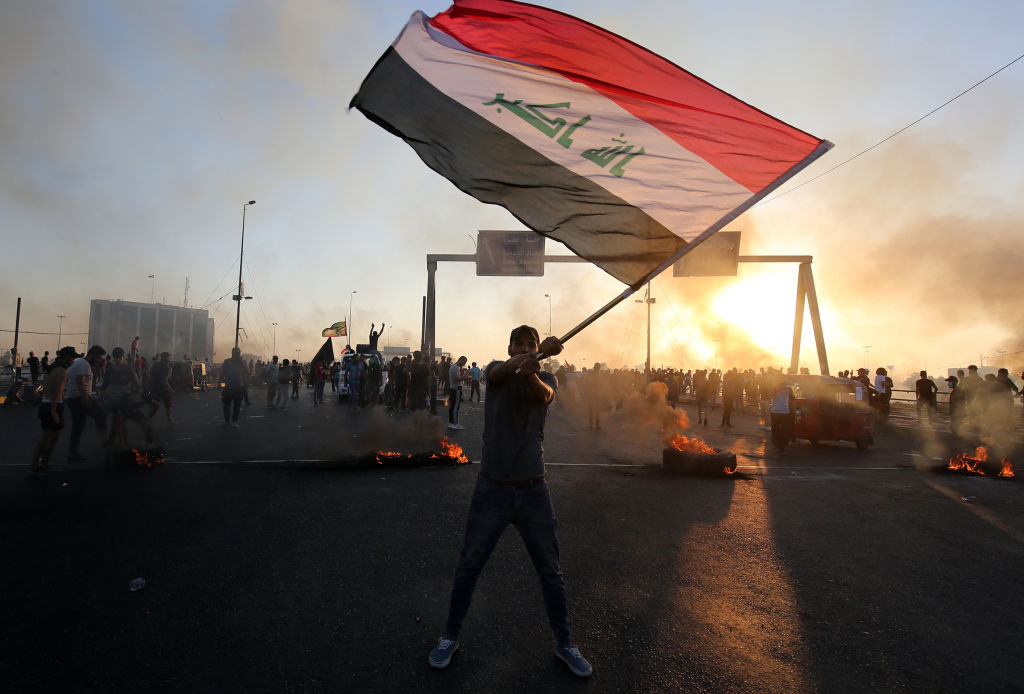
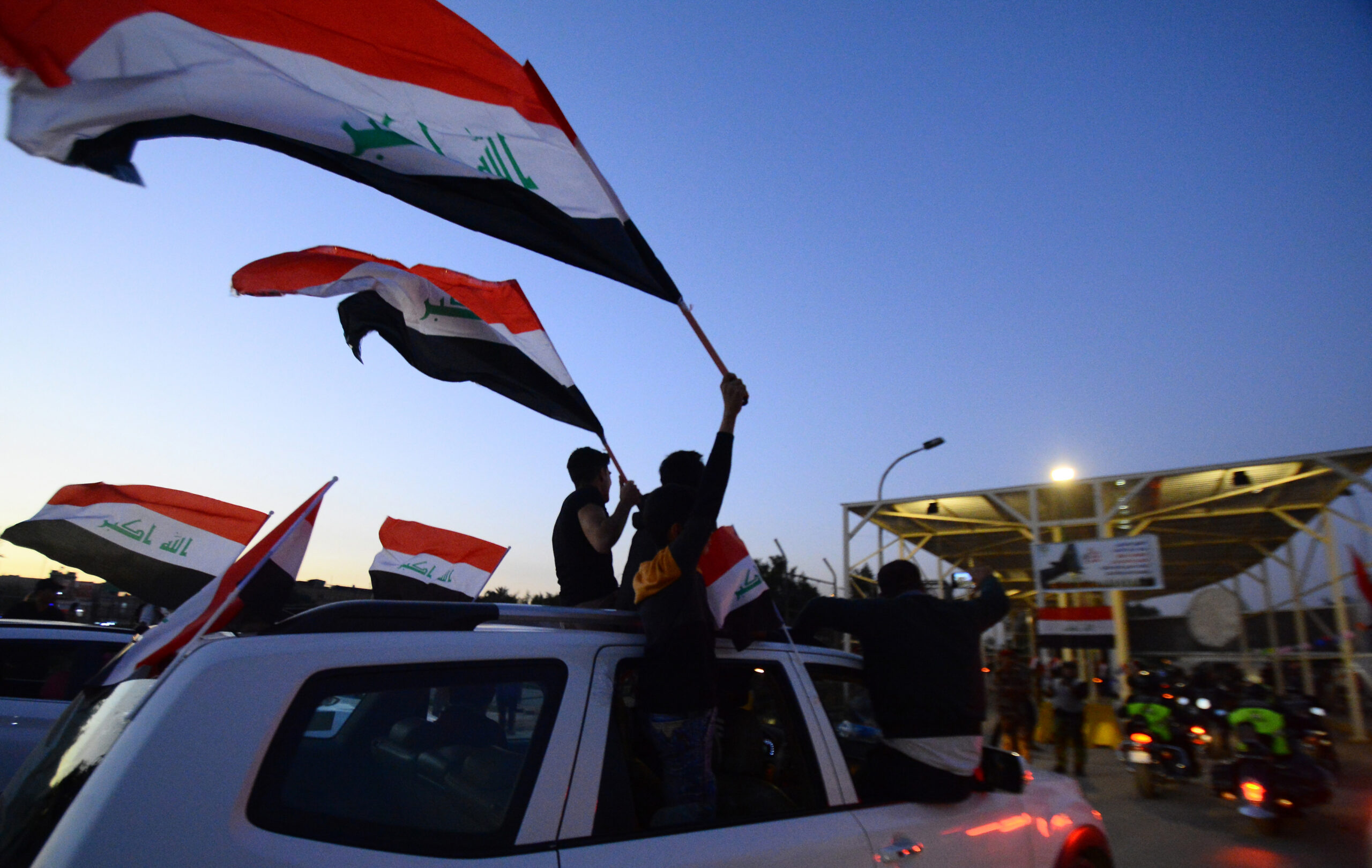
“We reached a level of injustice we could no longer take. For every action, there is a reaction,” explained one civil society activist following the Oct. 1 outbreak of protests in Baghdad and central and southern Iraq.
China-Iraq Relations: Poised for a “Quantum Leap”?
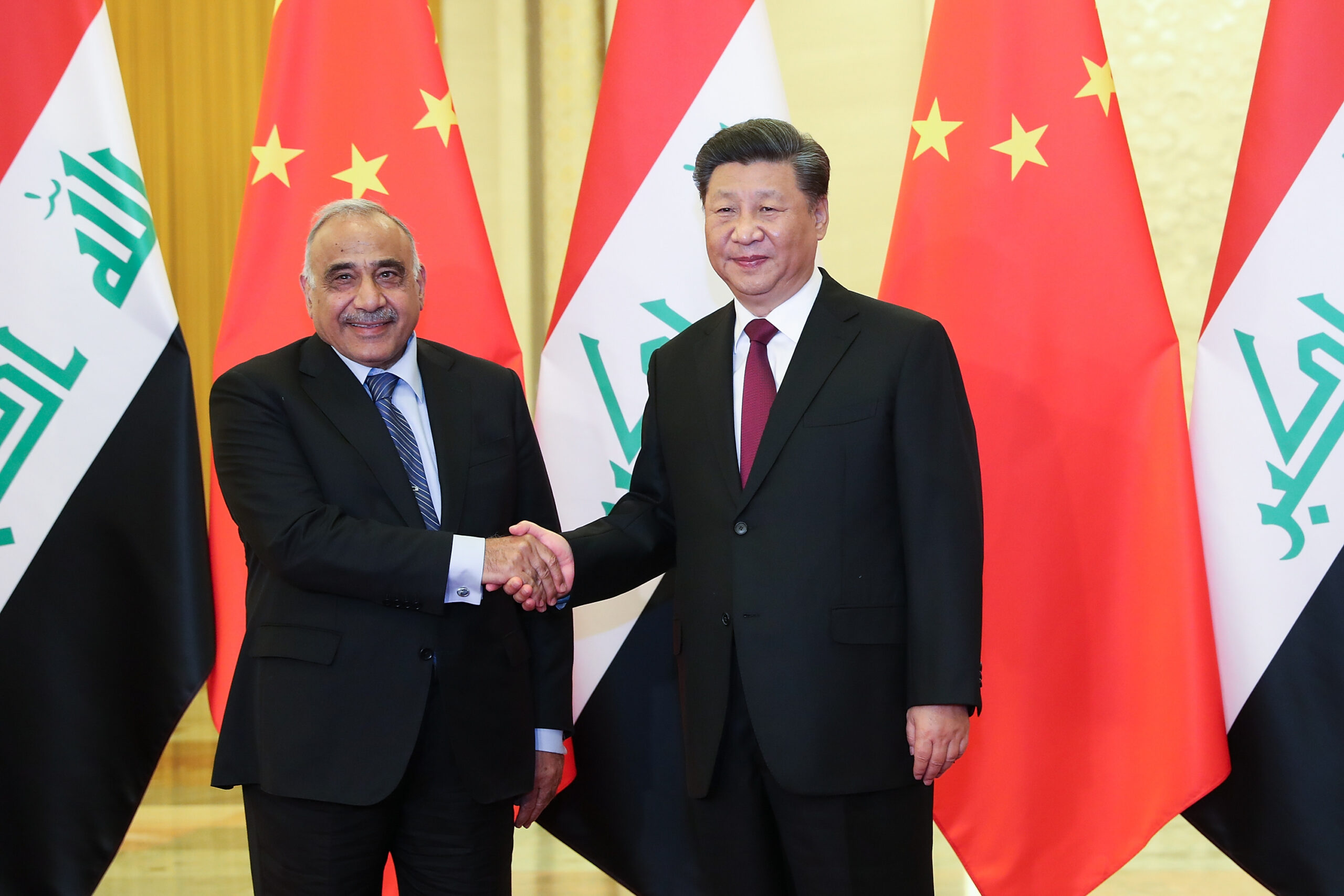
Upon arriving in Beijing on September 19 at the head of a 55-member delegation, Iraq Prime Minister Adel Abdul-Mahdi described the visit to China as heralding a “quantum leap” in bilateral relations. The five-day visit culminated in the signing of eight wide-ranging memoranda of understanding (MoUs), a framework credit agreement, and the announcement of plans for Iraq to join China’s Belt and Road Initiative (BRI). Since then, however, a wave of angry anti-government protests have swept across much of Iraq, leaving more than 100 dead and thousands wounded — a vivid reminder of the country’s ongoing struggle for stability and of the obstacles to the further consolidation of China-Iraq relations.
Russia’s efforts to expand the Astana process in Syria
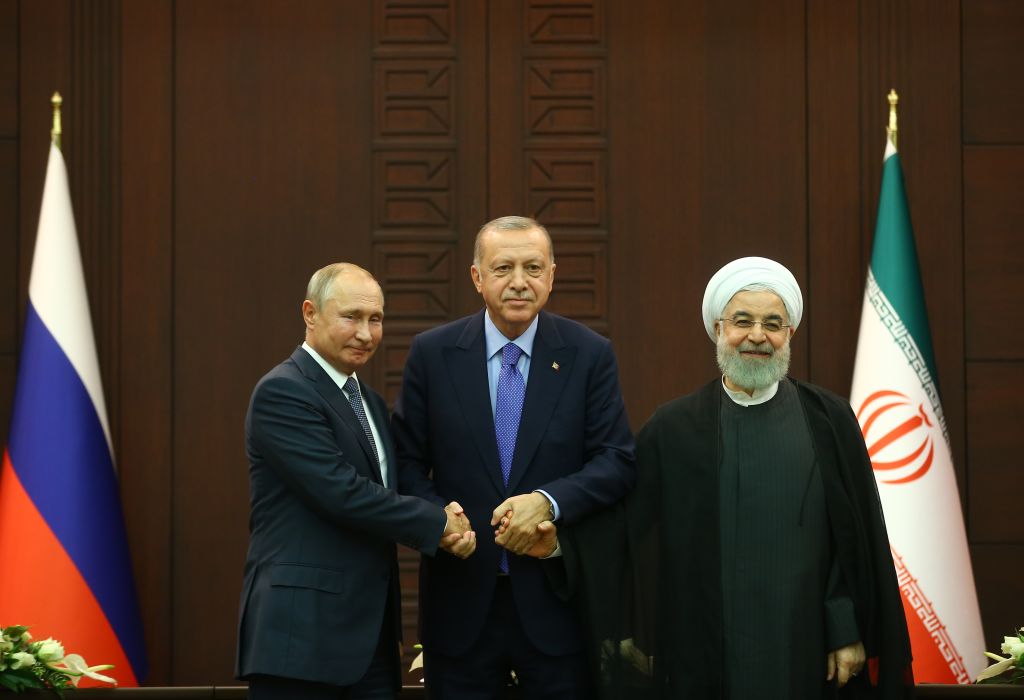
On Sept. 16, the presidents of Russia, Iran, and Turkey met in Ankara to discuss the resolution of the Syrian civil war. In all three countries, the Ankara summit was hailed as a major success, as negotiations on the formation of a Syrian constitutional committee concluded and progress was made toward resolving other outstanding challenges, such as the future of northeastern Syria and the ongoing struggle for Idlib.
A political lifeline for Netanyahu as coalition talks continue
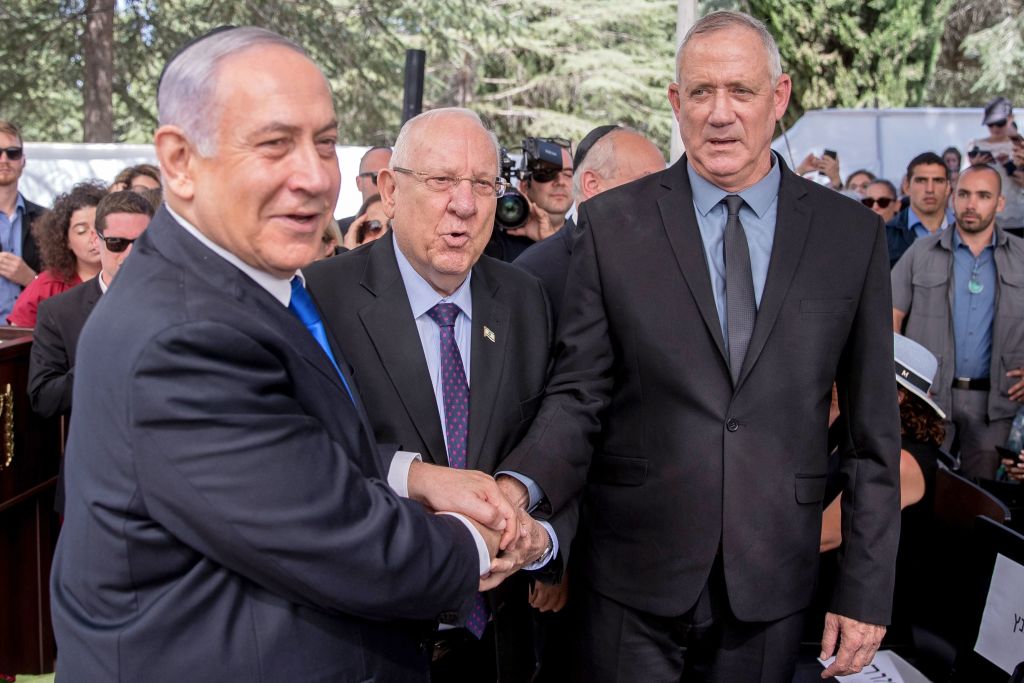
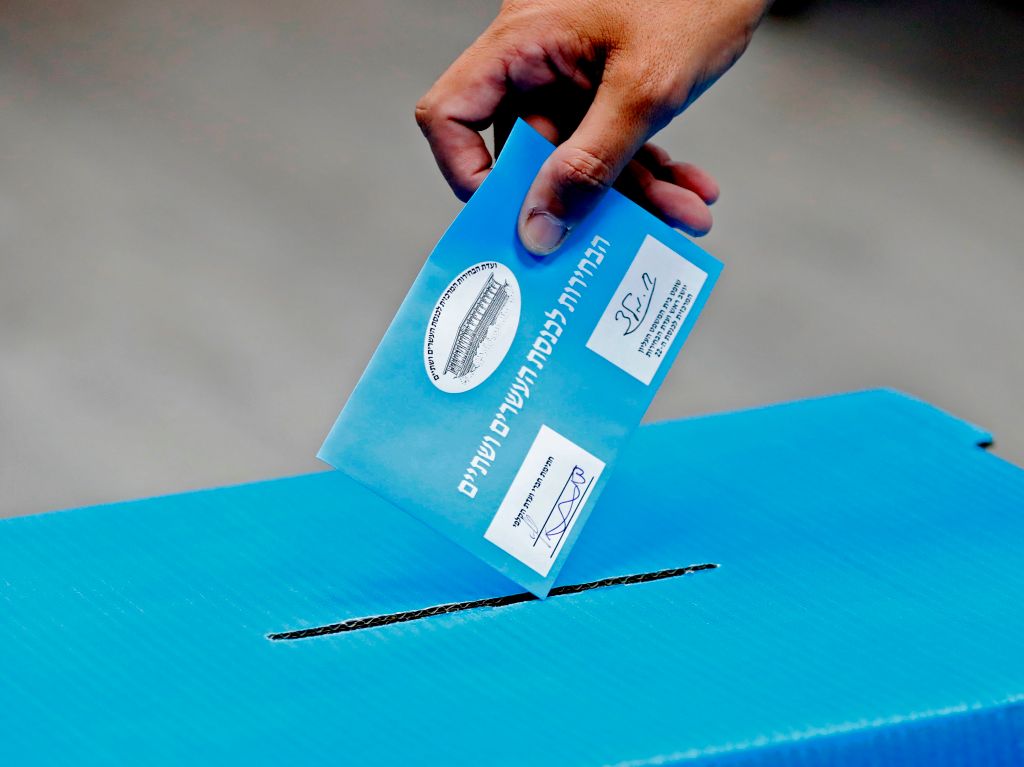
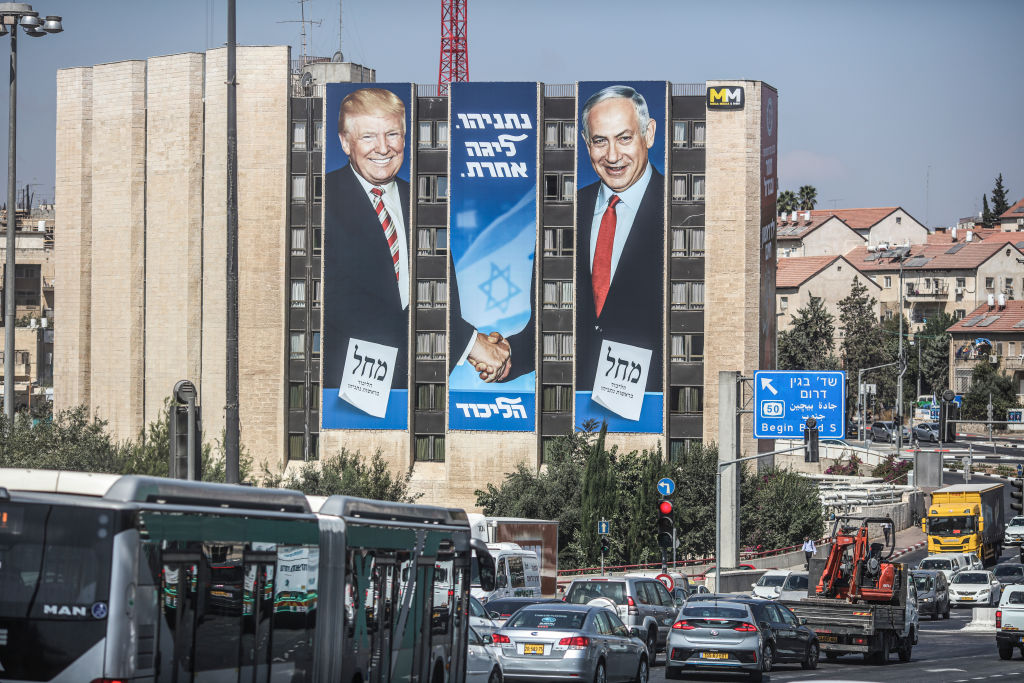
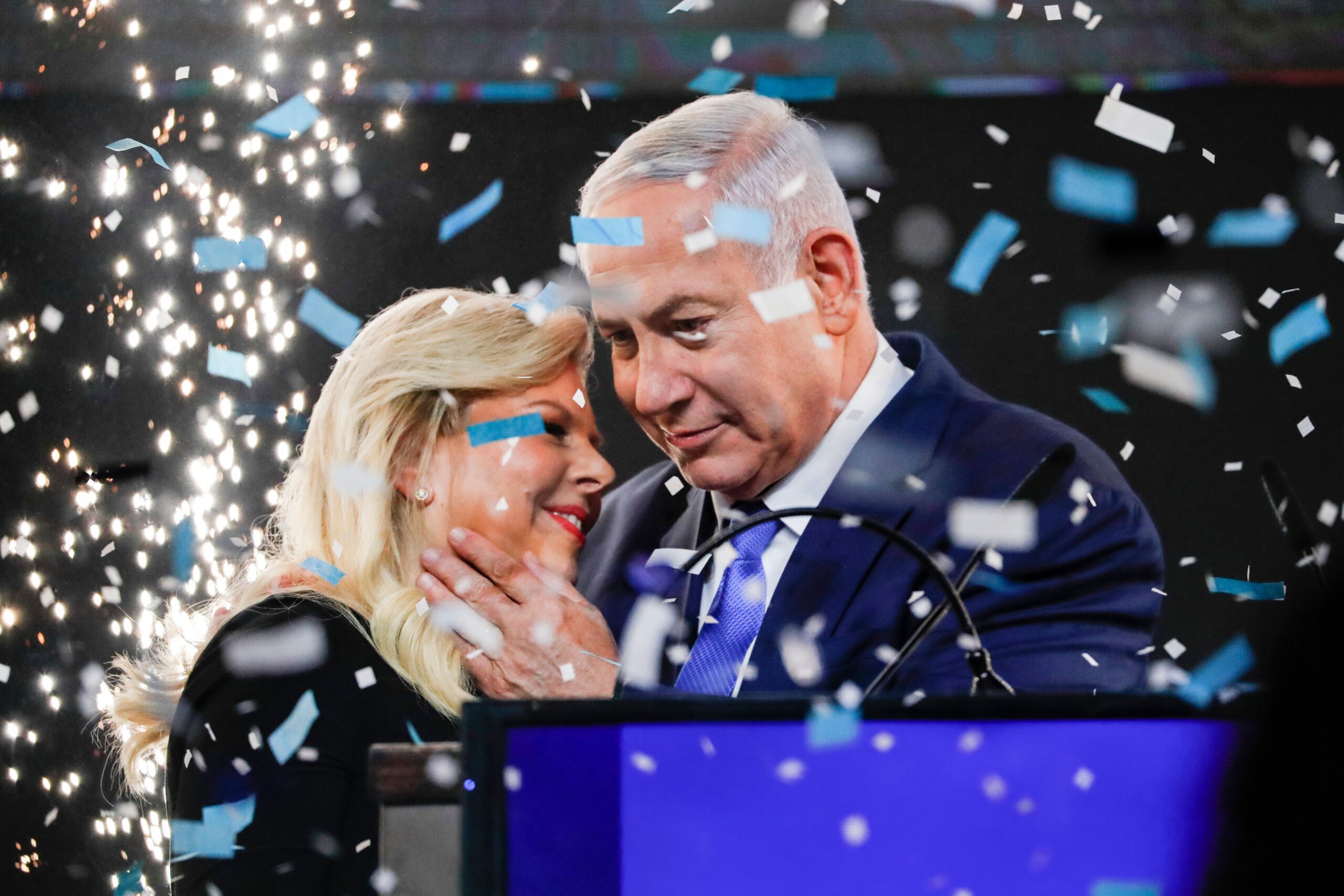
Last Wednesday, Prime Minister Benjamin Netanyahu was cast another political lifeline. Reuven Rivlin, the Israeli president, gave Netanyahu the first chance to form a coalition government; formally, he has 28 days to do so. Netanyahu’s task will prove difficult.
Iraq: Key signs of progress amid ongoing challenges
MEI senior fellows Randa Slim and Robert Ford join host Alistair Taylor to discuss observations from their recent trip to Baghdad and Erbil, where they met with senior Iraqi government officials and policy experts and witnessed numerous positive developments as the country emerges from a long-standing climate of violent conflict.
Iraq’s current public service regime is struggling to deliver on desperately needed services in part due to the issue of establishing a functioning federal state system across the country. Far more attention needs to be devoted to institutions and how those operating within them can deliver those services. One way to do this is to decentralize service provision to the governorates not incorporated into a region. However, this process has been hampered by administration, fiscal, and political issues. Identifying these and seeking solutions to resolve them will be key. This paper addresses the decentralization process, specifically focusing on the issues surrounding the governorates not incorporated into a region, as per Law 21.
Monday Briefing: Middle East takes center stage at UNGA
This week’s briefing on recent news and upcoming events in the region featuring Gerald Feierstein, Alex Vatanka, Eran Etzion, Gonul Tol, Amal Kandeel, Marvin G. Weinbaum, Michael Sexton and Eliza Campbell.
Iraq’s ancient city of Babylon gets long-overdue international recognition
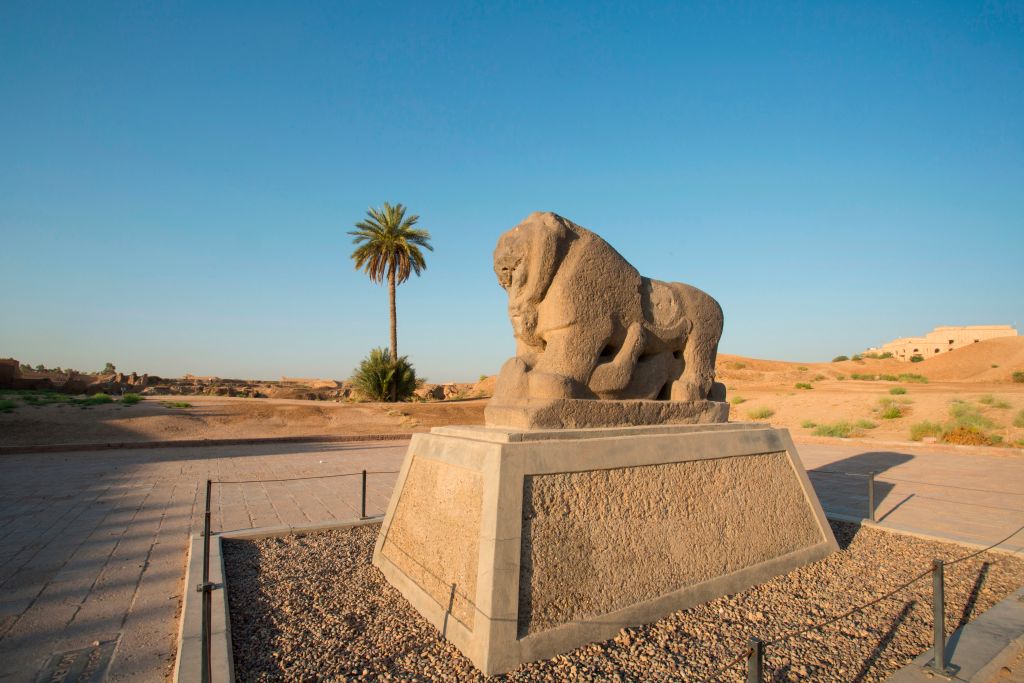
Babylon has seen it all. From its peak as the Neo-Babylonian capital under King Nebuchadnezzar through its heavy-handed 1987 reconstruction by Saddam Hussein to its post-invasion demise when American and Polish troops ran roughshod over its ruins and ISIS threatened its very existence, the ancient city has witnessed empires come and go.
The Ongoing Divide: Palestinian Participation in Israeli Elections
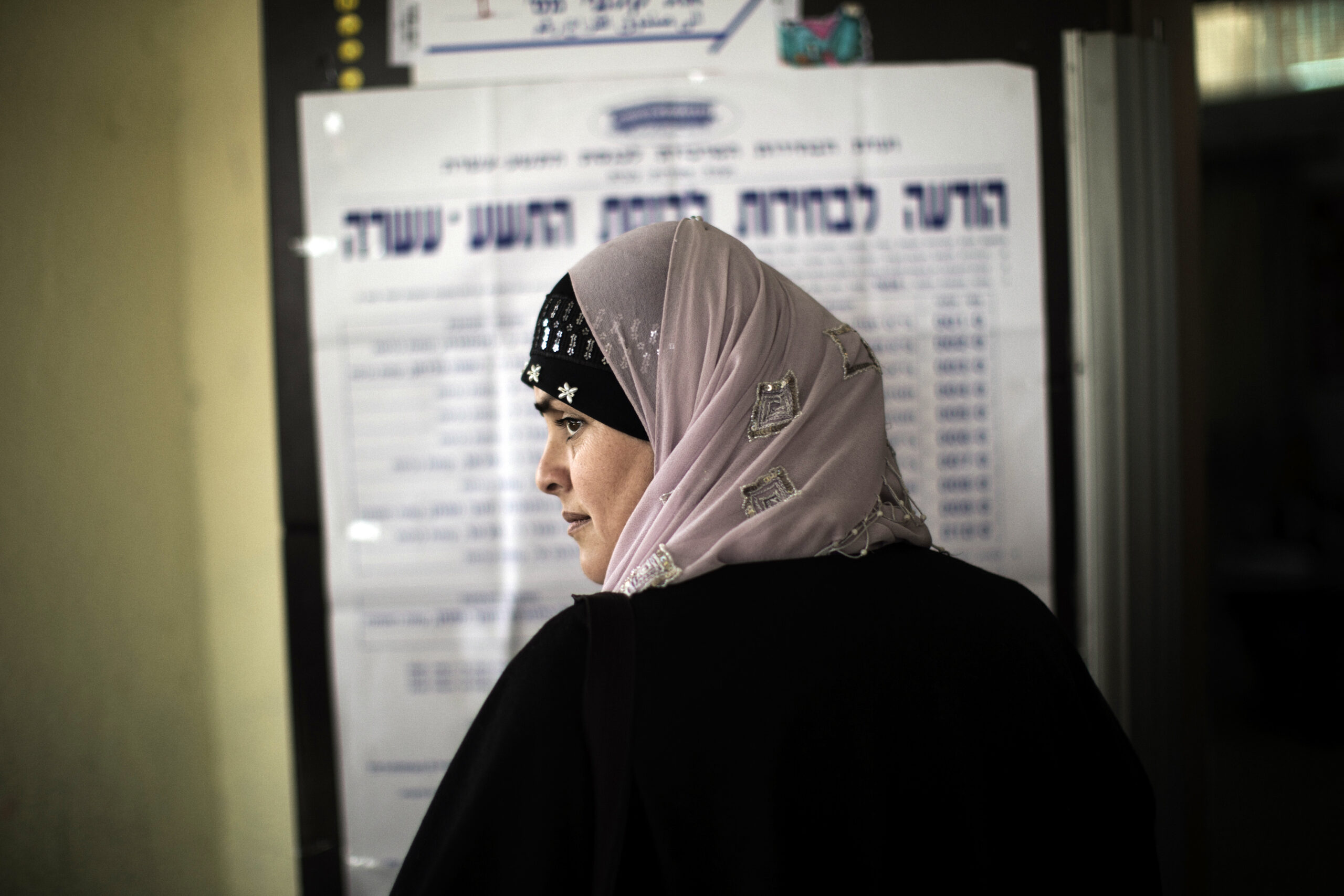
Despite constituting about 20 percent of the Israeli population, Israel’s Palestinian minority does not wield significant political power; throughout Israeli history Palestinian parties have played the role of the permanent opposition. While low Israeli-Palestinian electoral participation and the resulting disproportionate parliamentary representation have hampered political influence, these factors are merely one part of a multi-faceted and multi-causal picture. This report seeks to provide a comprehensive analysis of the exogenous and endogenous drivers of reduced Palestinian political engagement. It is concerned with the structural obstacles –– primarily put in place and sustained by the Israeli right wing –– that seek to impede Palestinian influence at the polls and in the Knesset.
Monday Briefing: Attack on Saudi oil facilities has an impact far beyond the kingdom
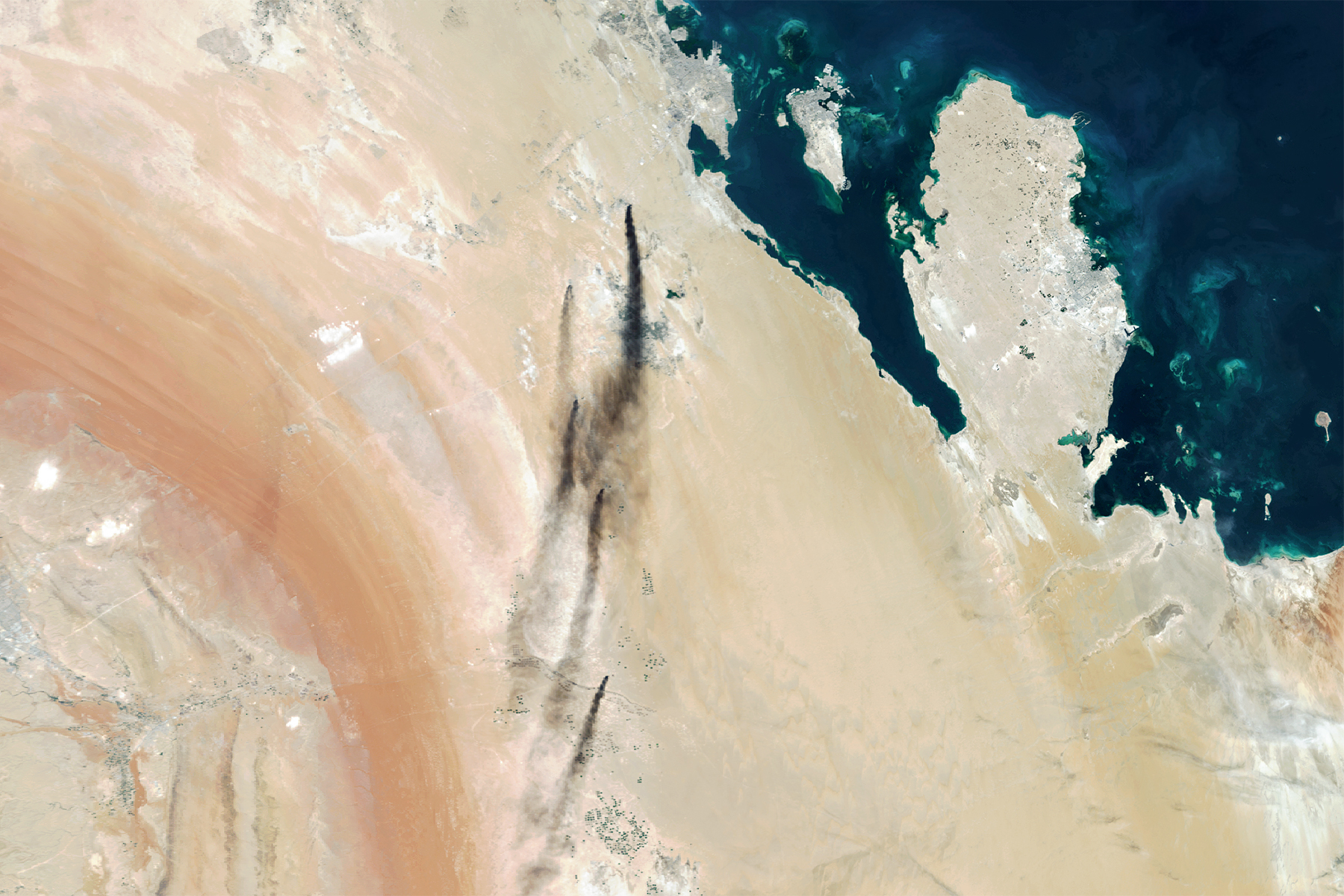
This week’s briefing on recent news and upcoming events in the region featuring Ruba Husari, Paul Salem, Gerald Feierstein, Amal Kandeel, Grace Wermenbol, Robert S. Ford, Charles Lister, and Gonul Tol.
Israeli elections: Sound and fury — signifying little
Israel’s upcoming election, set for Sept. 17, dragged on through the summer and looked set to be a repeat of its predecessor on April 9, when Prime Minister Benjamin Netanyahu failed by a single Knesset vote to put together a majority coalition. It has indeed been a largely sleepy affair, with the centrist Blue-White party dueling with the Likud for the crucial top spot and most other parties barely budging in the polls. This somnolence ended explosively the week before the election with a series of events whose impact is still unclear.
Israel’s upcoming elections: Much ado about nothing?
Prime Minister Benjamin Netanyahu won a fifth term in April, the first such victory for an Israeli politician. In May, he failed to form a governing coalition, a first for an Israeli politician as well. Snap elections are scheduled for Sept. 17 and, true to form, rivals and observers are saying that surely his era may be nearing an end. Notwithstanding the possible changes that could be witnessed on the local political scene, skeptics are hard-pressed to see how the elections could bring about drastic change for either Israel or the region.