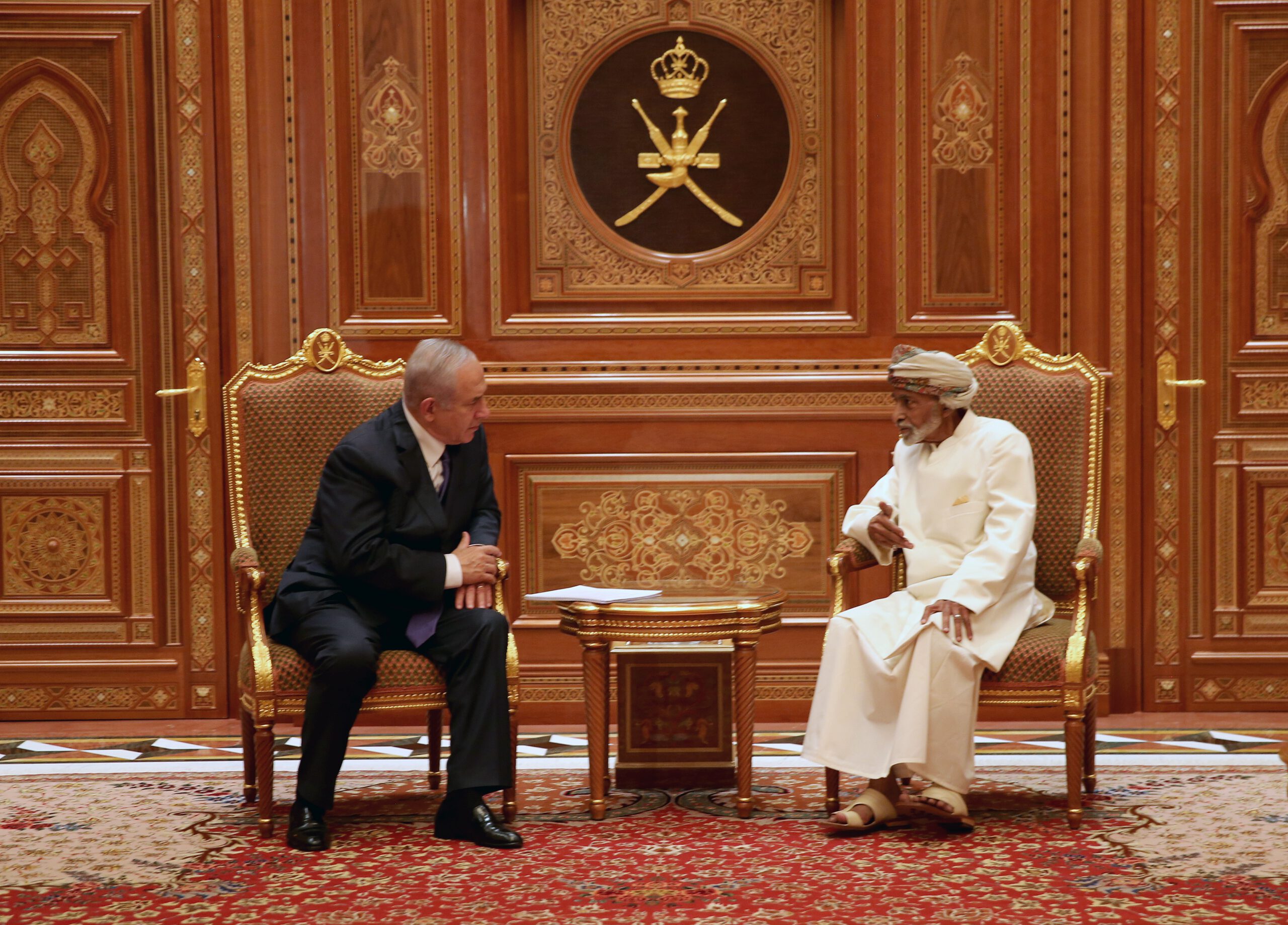
Oman and Israel: The emergence of a new strategic partnership
Although Oman has long been a regional mediator with ties to competing powers, it will need to maintain a delicate balancing act between its new strategic partnership with the Israelis and established relations with the Palestinians.
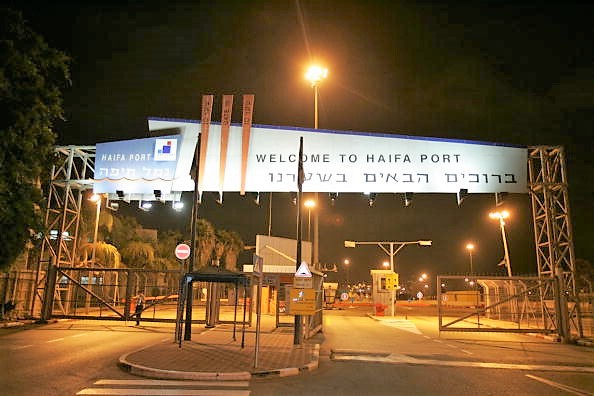
The Israel-China-U.S. Triangle and the Haifa Port Project
This essay discusses the Shanghai International Port Group (SIPG) contract to operate the northern port in Haifa in terms of Israel’s relations with China and the United States. The author urges greater caution by Israeli policy-makers and the public and closer cooperation between Israel and the U.S. in managing the risks associated with Chinese investment and commercial activities in critical sectors of the Israeli economy.
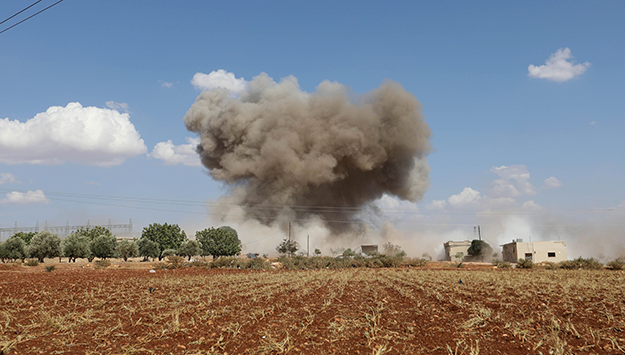
Monday Briefing: Russians launch air strikes after alleged gas attack
In this week’s Monday Briefing, MEI experts discuss recent and upcoming events including Russian air strikes in Aleppo, the elections in Bahrain, the growing international interest in Egypt’s offshore energy finds, and the appointment of a new Afghan team of negotiators for peace talks.
Elizabeth Campbell, director of UNRWA’s Representative office in Washington, and MEI’s Nathan Stock join guest host Alistair Taylor to discuss the recent flare-up in Gaza, the subsequent ceasefire, and where things go from here.
The Egyptian/Qatari initiative has afforded breathing room for Gaza, while Hamas and Prime Minister Netanyahu have demonstrated a determination to avoid war, for now.
Negotiations shepherded by Egypt appear to be making progress in establishing a new, more stable chapter in the ongoing conflict, but instability remains at the heart of the Gaza standoff.
In this week’s Monday Briefing, MEI experts discuss recent and upcoming events including the Gaza flare-up and its threat to Egyptian-led negotiations, Russian-hosted Afghan peace talks, the ground offensive in Hodeidah, and rapid escalation in northwestern Syria.
As naval, air, and ground units from Bahrain, Egypt, Jordan, Kuwait, Saudi Arabia, and the UAE conduct war games in western Egypt this month, many speculate that this could represent the birth of the so-called “Arab NATO.”
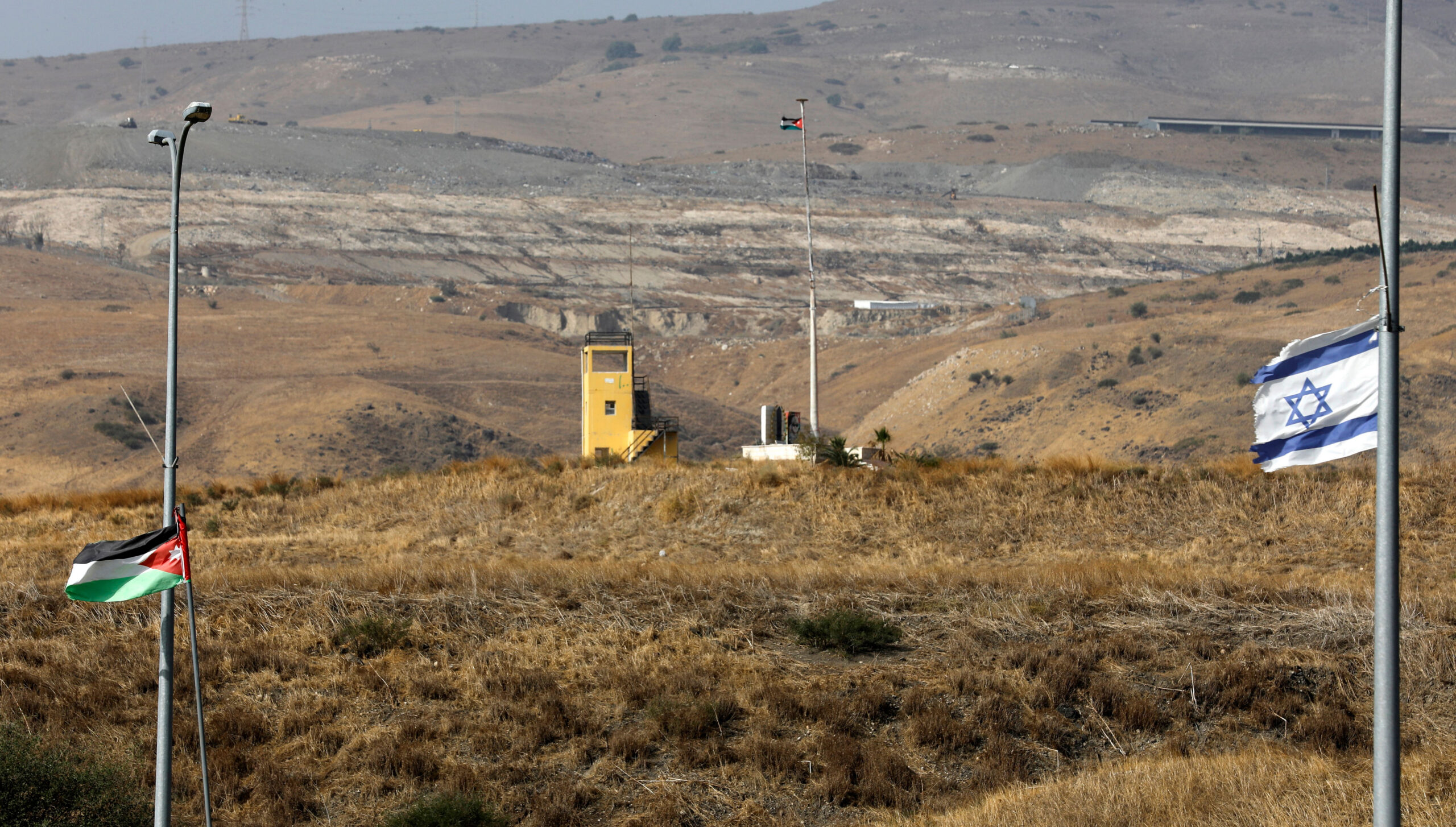
Challenging the cold peace: Jordan’s cancellation of the land lease
King Abdullah’s decision to cancel a 25 year land lease to Israel is likely to exacerbate long-simmering tensions between the two nations and challenge the cold peace that has been in place since 1994.
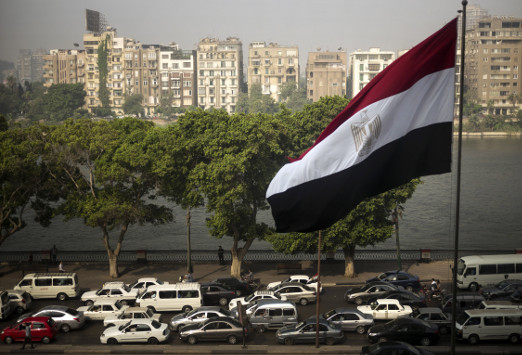
The stakes behind the story: How Egypt’s media covered the Khashoggi case
As the Khashoggi drama became to big to ignore, Egypt’s state-owned and private media coverage of the story confirmed that Egypt could not afford to harm its ties with Saudi Arabia.
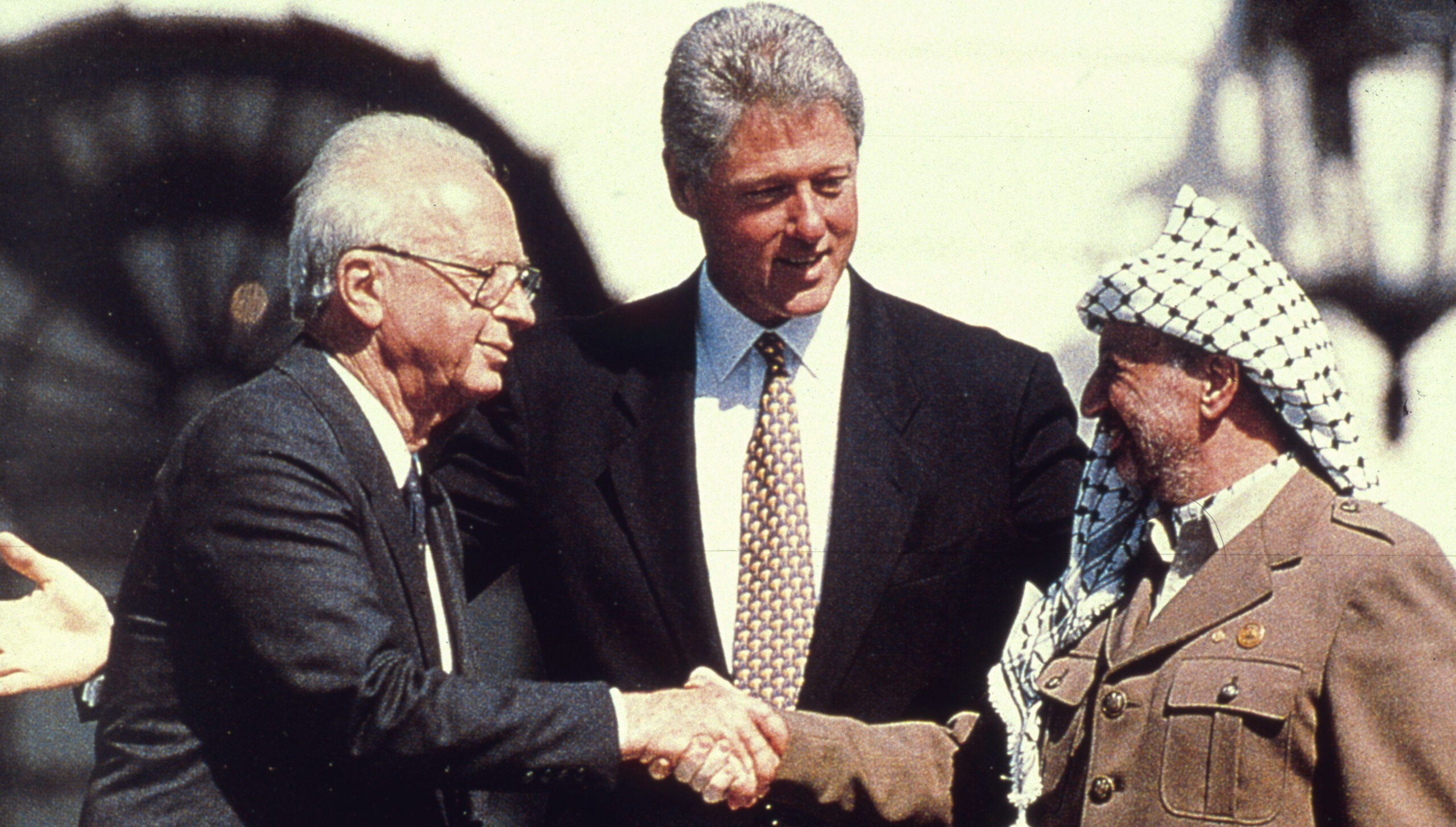
On Sep. 13, 1993, President Bill Clinton presided over one of the most dramatic handshakes in modern history. On the White House lawn, the handshake between Israeli Prime Minister Yitzhak Rabin and the Palestinian Liberation Organization Chairman Yasser Arafat was hailed as a political breakthrough that would constitute the dawn of a new era for the Middle East. Now, 25 years after the announcement of the Declaration of Principles––also known as the Oslo Accords––the prospect of peace appears more elusive than ever.
In this week’s Monday Briefing, MEI experts Charles Lister, Randa Slim, Jean-François Seznec, and Mirette F. Mabrouk provide analysis on recent and upcoming events including escalating tensions in Idlib, protests in Basra and their implications for Iraqi politics, a Saudi sovereign wealth fund’s loan to help make up for Aramco IPO revenue, and Egypt’s diplomatic outreach to China.
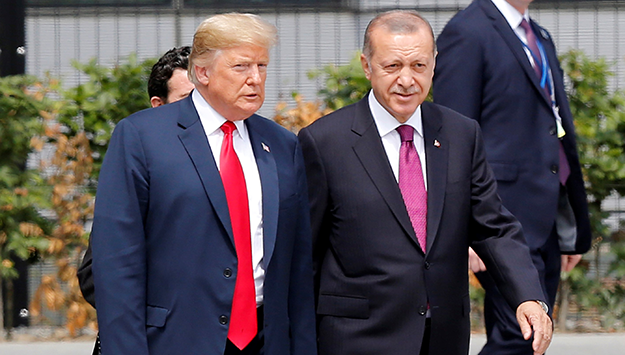
Can the US and Turkey mend fences in Manbij? | Monday Briefing
In this week’s Monday Briefing, MEI experts Gonul Tol, Robert S. Ford, Bilal Y. Saab, and Mirette F. Mabrouk provide analysis on recent and upcoming events including Turkey-U.S. cooperation in Syria amid diplomatic tensions, talks between U.S. and Russian officials on Syria policy, the implications of a new Iranian fighter jet, and Egypt’s revitalized work in regional diplomacy.