The Political (or Social) Economy of Sectarianism in Lebanon
Most of the literature that seeks to explain sectarianism in Lebanon focuses on its history or on the regional and geopolitical dynamics associated with it. Relatively few studies have examined the internal factors that shape the process of sectarianization and sustain sectarianism today. However, if one does not first understand the present dynamics of sectarianism and the material and structural factors that shape it, then exploring the history of the phenomenon in an attempt to locate its “roots” is unlikely to be very illuminating. This essay seeks to shed light on the current political economy of sectarianism in Lebanon so as to advance our understanding of this phenomenon.
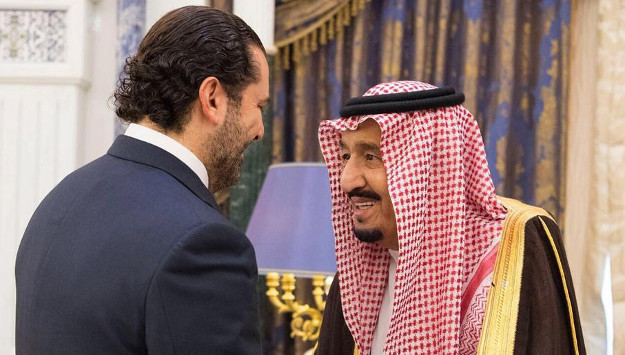
Mohammed bin Salman’s High-Wire Act | Monday Briefing
In this week’s Monday Briefing, MEI experts Gerald Feierstein, Paul Salem, Ruba Husari, Amal Kandeel, and Gonul Tol provide analysis on recent and upcoming events including the arrests of numerous prominent Saudi government officials and leading businessmen on charges of corruption, Lebanese Prime Minister Hariri’s resignation, oil prices in the Middle East hitting new highs, the threat to MENA due to rising temperature levels in the region, and the Turkish prime minister’s visit to Washington.
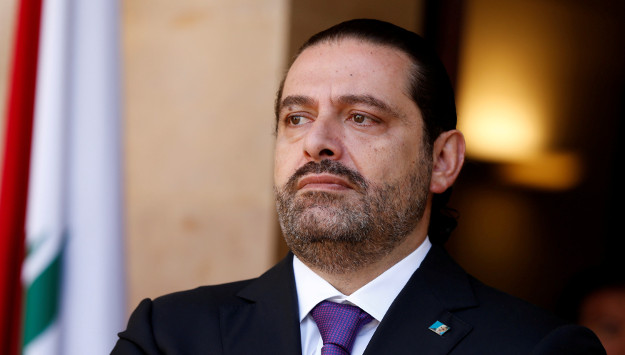
Hariri’s Resignation Alarms Tehran about Lebanon’s Future
The resignation of Lebanese Prime Minister Saad Hariri on Sunday has sent shockwaves in Tehran. While Iranian leaders and their regional allies try to appear measured and confident, they fear that political instability in Lebanon and a potential war between Israel and Iran’s ally Hezbollah – particularly at a time when Hezbollah and other Iranian proxies are still engaged in the Syrian war – could adversely impact Tehran’s regional ambitions.
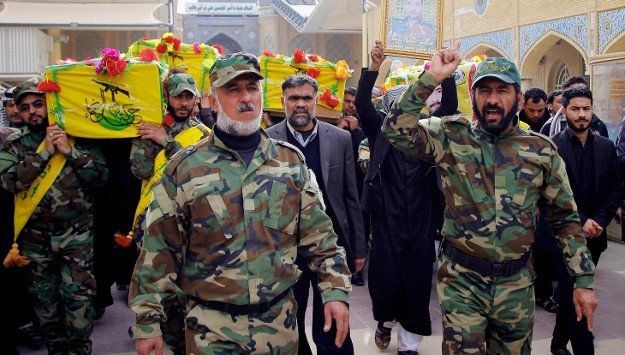
Akram al-Kaabi, the leader of Iranian-sponsored Iraqi militia group Harakat al-Nujaba, visited prominent Lebanese Shiite cleric Sheikh Afif al-Nabulsi to discuss regional affairs, Iranian and
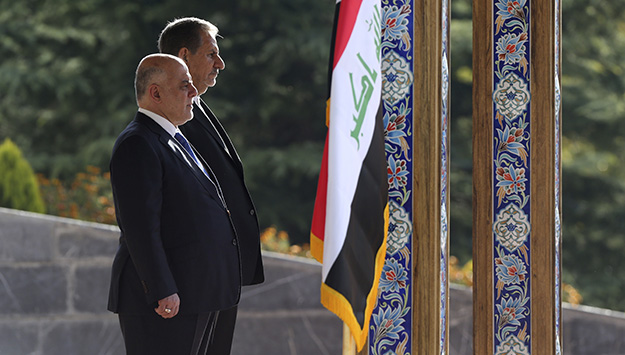
Iraqi Prime Minister Haider al-Abadi visited Turkey on Wednesday to discuss potential joint steps against northern Iraq’s Kurdistan Regional Government (K.R.G.) following last month’s independence referendum. Ankara is hoping to influence Iraqi politics by cultivating close ties to Baghdad, but the newly forged Turkish-Iraqi alliance is unlikely to hold, leaving Turkey isolated in the post-referendum Iraq.
Wars Distracting Middle East from Serious Climate Change Threats
Wars in MENA are causing irreparable damage to water security and resilience to climate change in some of the region’s countries and to their viability. The continuation of this dangerous state could ultimately reinforce even deeper instability in MENA.
Tillerson Promotes Stronger Saudi-Iraq Ties | Monday Briefing
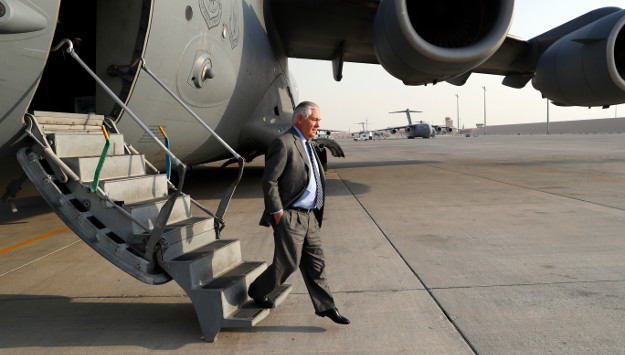
In this week’s Monday Briefing, MEI experts Gerald Feierstein, Marvin G. Weinbaum, Randa Slim, Paul Salem, and Gonul Tol provide analysis on recent and upcoming events including Secretary Tillerson’s visit to Riyadh and Doha as well as his visit to India and Pakistan, Abadi’s regional tour to promote positive relations with neighbors, Sisi’s visit to Paris to boost Egypt-France relations , and German Chancellor Merkel’s threat to cut European Union funding to Turkey due to its crackdown on democratic institutions.
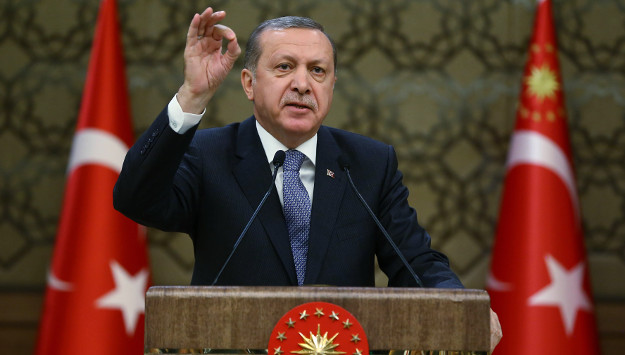
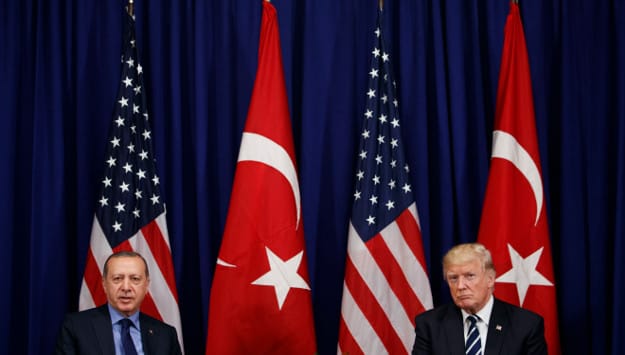
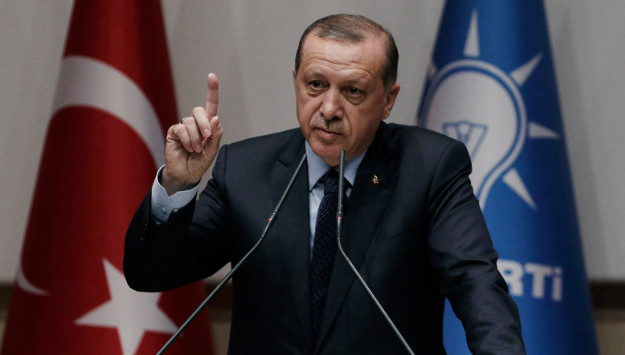
President Recep Tayyip Erdogan blamed U.S. ambassador to Turkey, John Bass, for a diplomatic crisis between the two countries. The spat erupted when Turkey arrested a Turkish employee of the U.S. consulate on suspicion of links to the group blamed for last year’s failed coup. In response, the United States stopped issuing visitor visas from its missions in Turkey, prompting Turkish missions to hit back with tit-for-tat steps of their own.
U.S.-Turkey Relations Hit All-Time Low | Weekly Briefing
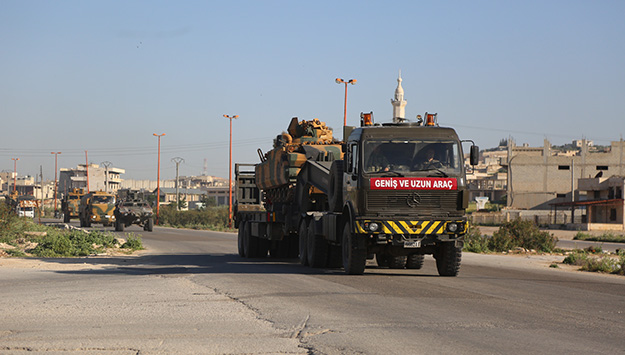
In this week’s Monday Briefing, MEI experts Gonul Tol, Ibrahim al-Assil, Amal Kandeel, and Jonathan M. Winer provide analysis on recent and upcoming events including the diplomatic row between Turkey and the United States, the arrival of Turkish troops in Idlib, Morocco’s establishment of a national water security strategy amid climate concerns, and the resumption of talks on the Libya Political Agreement in Tunis.
On September 25 Iraq’s Kurdish region pressed ahead with a controversial independence referendum. It had a high voter turnout of 73%, 93% of whom voted in favor of independence. The referendum is technically non-binding but it has sparked a political crisis with threats of action against the Kurdish region from its neighbors, Turkey and Iran, as well as Iraq’s central government. The United States also opposed the vote. MEI experts Randa Slim, Gonul Tol, and Ahmad Majidyar join host Paul Salem to discuss the implications of the vote and what happens next.
Erdogan Visits Iran as Tension Rises over Kurdish Vote | Monday Briefing
In this week’s Monday Briefing, MEI experts Alex Vatanka, Randa Slim, Marvin G. Weinbaum, Yousef Munayyer, and Gerald Feierstein provide analysis on recent and upcoming events including Turkish President Erdogan’s visit to Iran, Ayatollah Ali al-Sistani’s efforts to push for dialogue after the Kurdish independence referendum, the pending indictment of Nawaz Sharif in Pakistan, signs of progress in the reconcilliation attempt between Hamas and Fatah, and the Saudi king’s visit to Moscow.
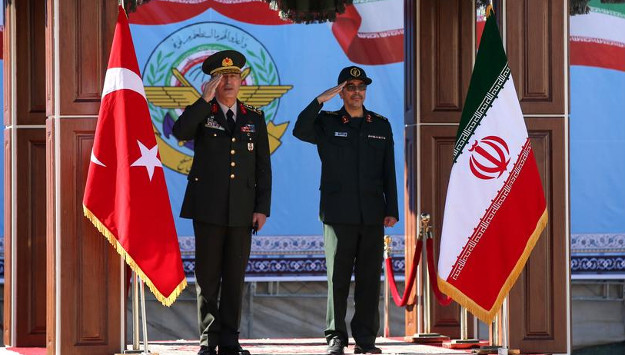
Turkish Military Delegation in Tehran ahead of Erdogan’s Visit
Turkey’s Chief of General Staff Hulusi Akar held talks with senior Iranian leaders in Tehran earlier today to discuss ways of boosting military cooperation between the two countries, the Iranian media reported.