Agatha Christie wanted in Kabul
The picture of how the two Pakistani Taliban leaders died is hazy and who killed them uncertain.
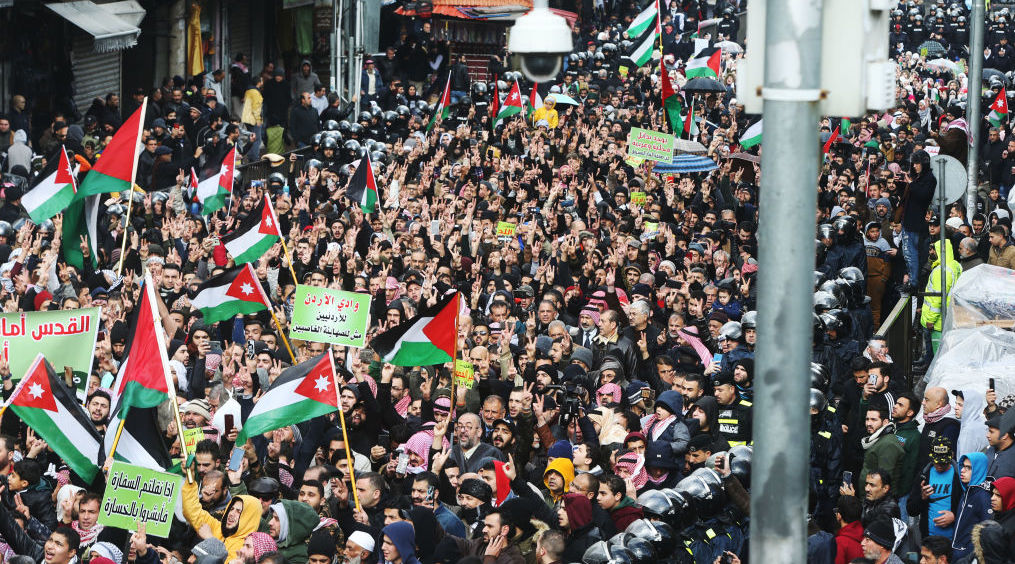
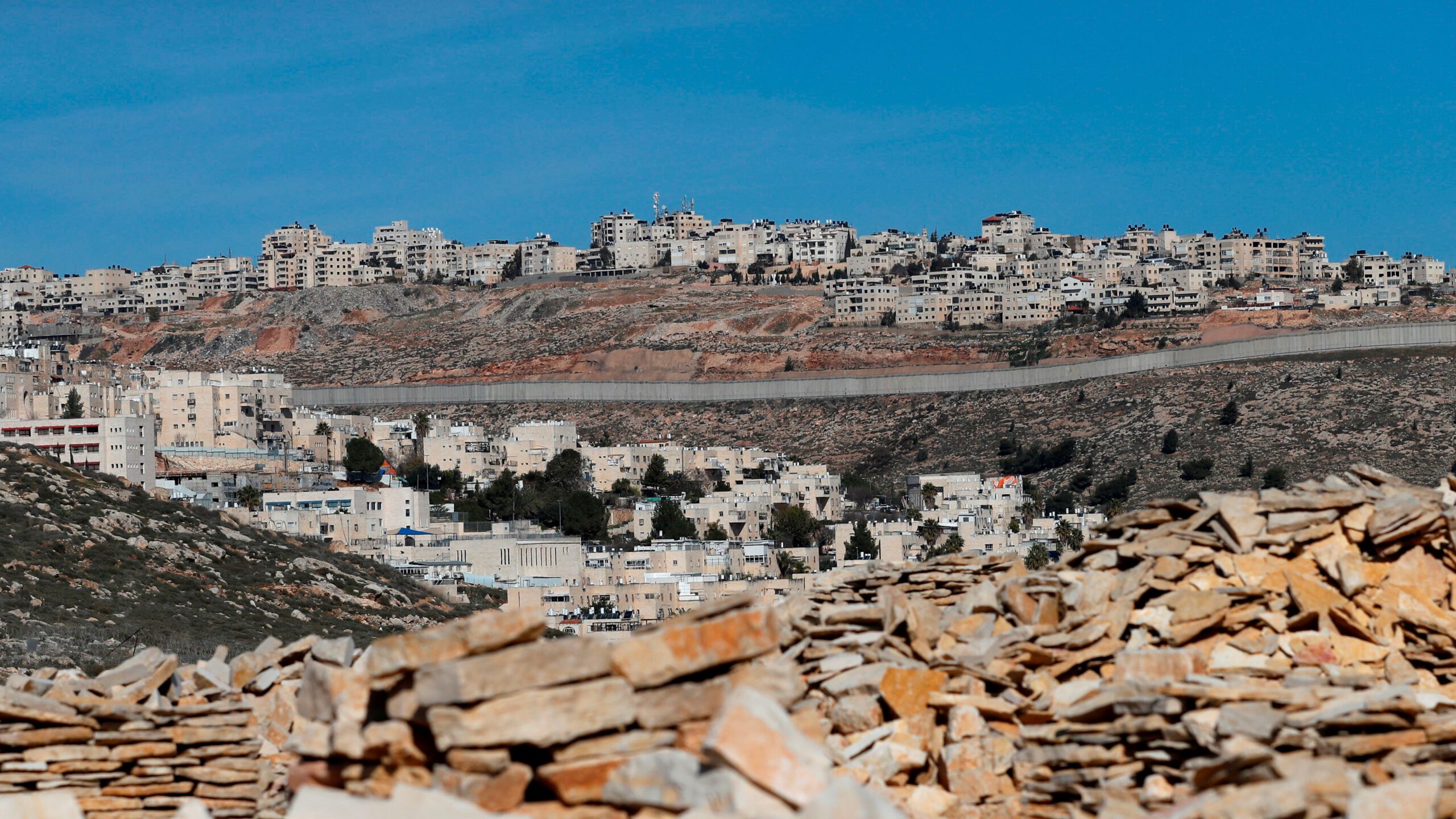
Jordan’s response to President Donald Trump’s so-called “deal of the century” has been quick and unequivocal. Less than an hour after the release of the peace plan at a White House ceremony on Jan. 28, Jordanian Foreign Minister Ayman Safadi issued a statement in which he reiterated Amman’s support for the two-state solution and the Arab Peace Initiative (API) as the only path to a just and lasting settlement to the Israeli-Palestinian conflict, without referring directly to the Trump proposal.
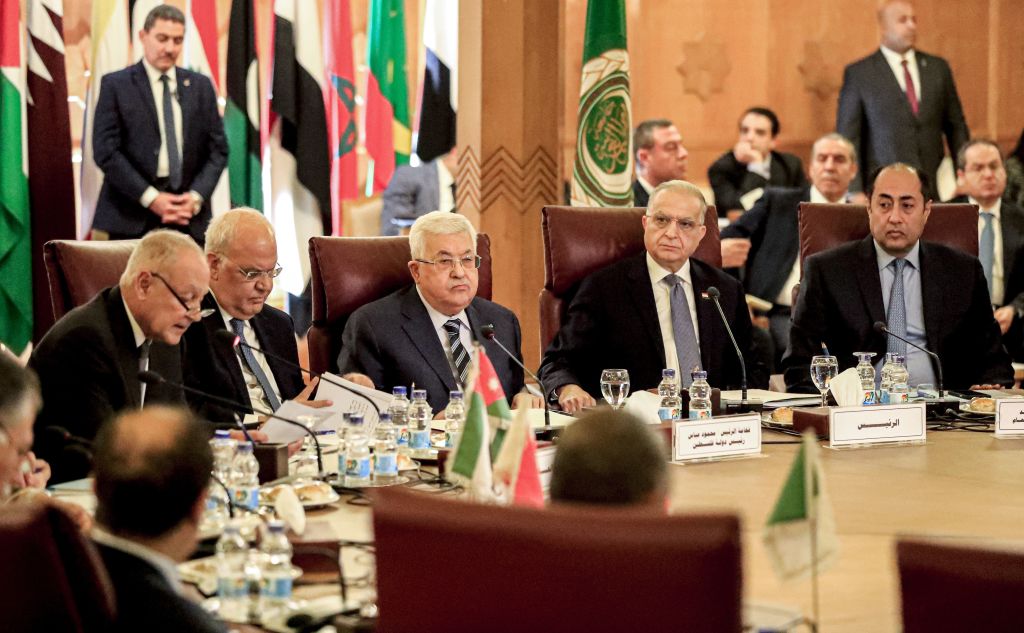
The communiqué, while largely symbolic, was nonetheless a major victory for Abbas’ beleaguered leadership.
Reuters reported on Jan. 30 that the FBI has been investigating Israeli spyware firm NSO Group since 2017. The revelation comes after Sen. Chris Murphy and UN Special Rapporteur Agnes Callamard called on the U.S. to investigate the apparent hacking of Amazon CEO Jeff Bezos’s phone by Saudi Crown Prince Mohammed bin Salman. In its statement, the UN identified NSO Group as a likely source of the malware.
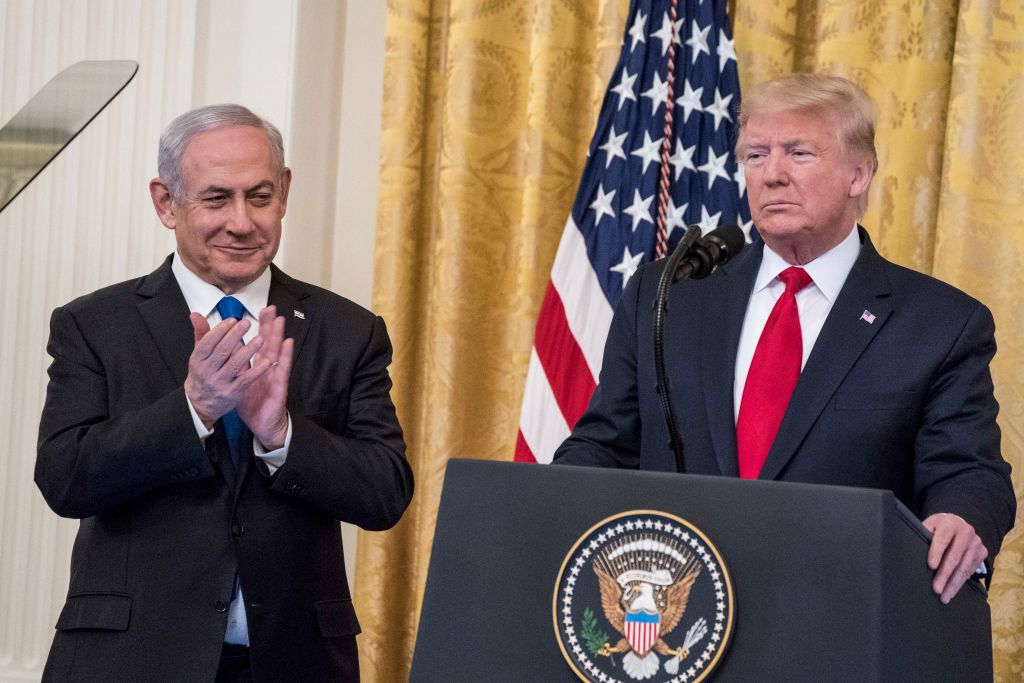
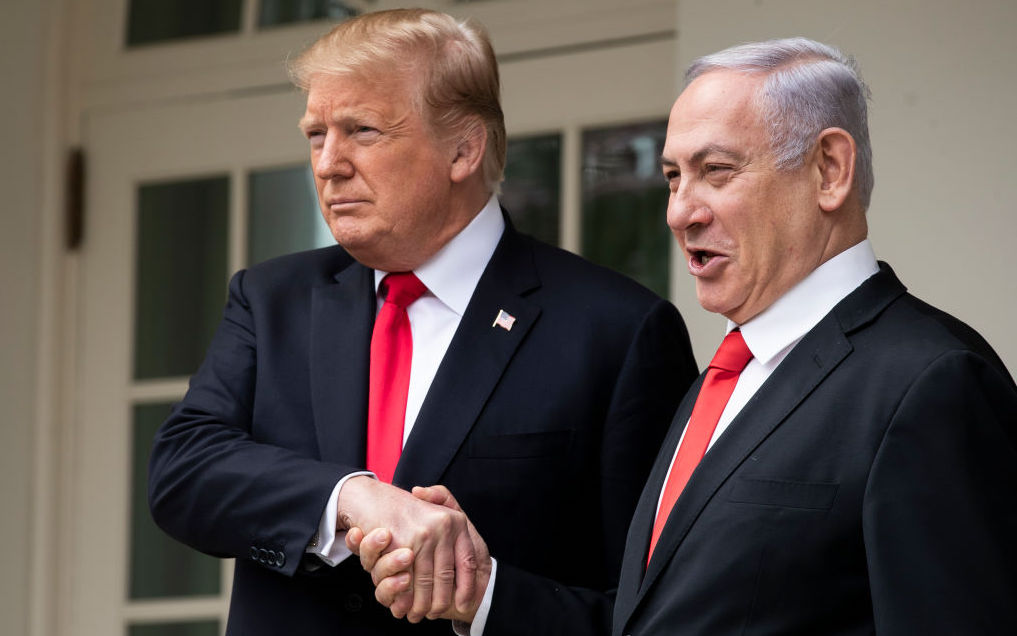
Khaled Elgindy and Michael Koplow join host Alistair Taylor to discuss the long-awaited “deal of the century” Middle East peace plan. President Trump rolled the plan out at the White House on Tuesday with Israeli Prime Minister Benjamin Netanyahu in attendance, while the Palestinians, who have refused to deal with the administration since it recognized Jerusalem as Israel’s capital at the end of 2017, were not there – and not invited. How has it been received so far, and where might things go from here?
The administration’s goal is not peace but the normalization of Israel’s military rule over millions of Palestinians.
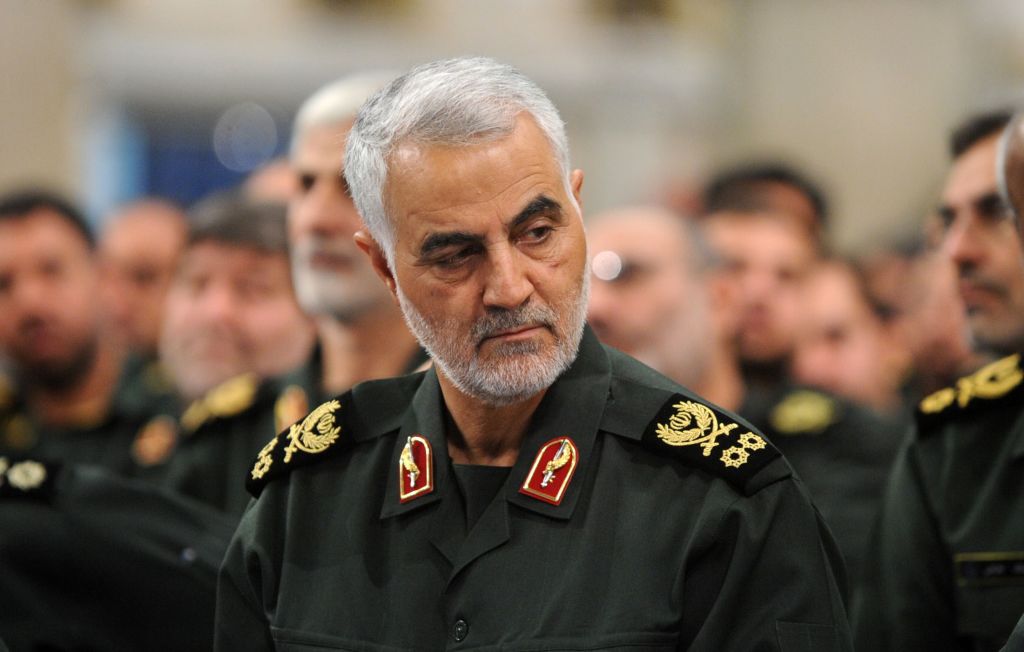
Iranian Gen. Qassem Soleimani was on Israel’s “most wanted” list for more than a decade. Israeli intelligence identified him as a looming threat early in his career, and with time he outperformed even the graver threat predictions, as he systematically built the Islamic Revolutionary Guard Corps’ (IRGC) Quds Force into a formidable regional stealth operation. Soleimani was a highly sophisticated executioner of Iran’s long-term strategy, which can be described as an effort to build a “double crescent.”
The notion that an American president, in consultation with two Israeli leaders, could decide on the future of Palestinians without any Palestinian involvement seems to epitomize Trump’s overall approach to the conflict.
It seems that both the right and the left in Israel are missing the main point.
The upcoming visit to the White House by Israel’s caretaker prime minister has nothing to do with the Middle East conflict and everything to do with giving yet another political favor to Benyamin Netanyahu. While the Jan. 28 visit may be all about the Israeli elections, it is shameful and dangerous for American officials to be giving time and space for discussions that affect the Palestinian people without their involvement.
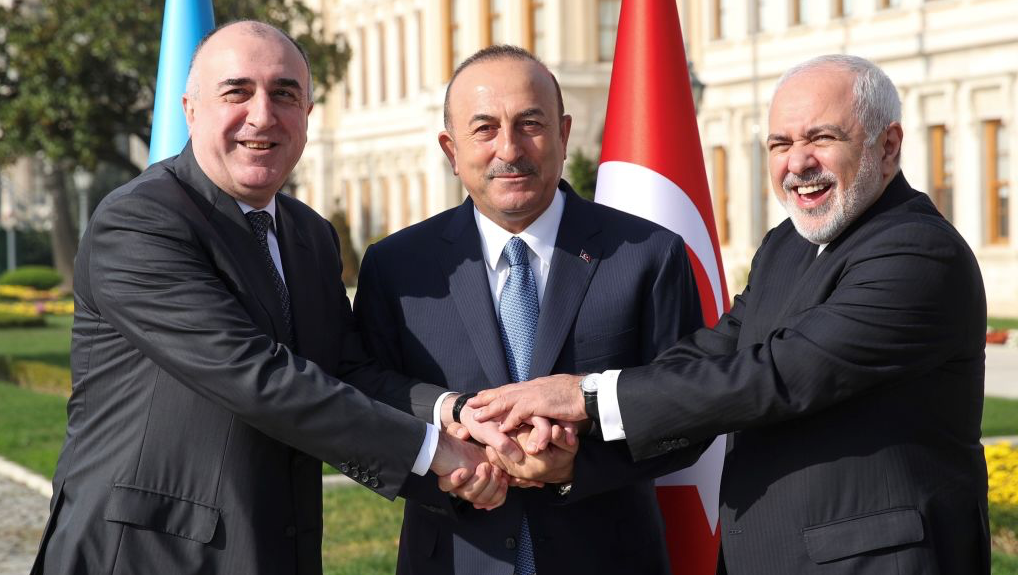
As neighboring regions, the South Caucasus and the Middle East are inextricably intertwined — so much so that the former is sometimes even considered part of the Greater Middle East. While geographical proximity is the strongest driver of interconnectivity between the two regions, geopolitics, business ties, and energy interests also link countries from the South Caucasus and the Middle East and form the basis for important bilateral and regional relationships.
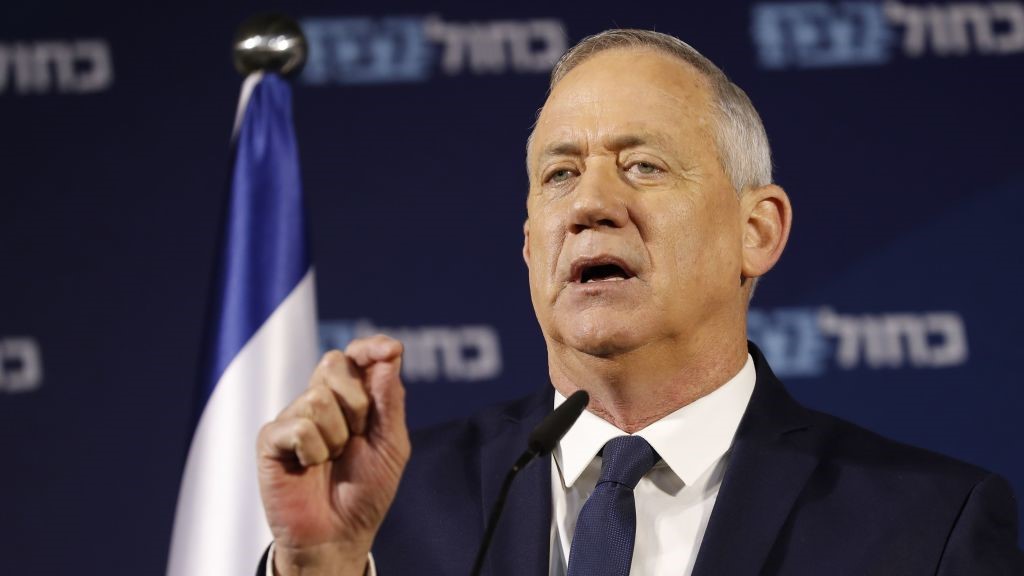
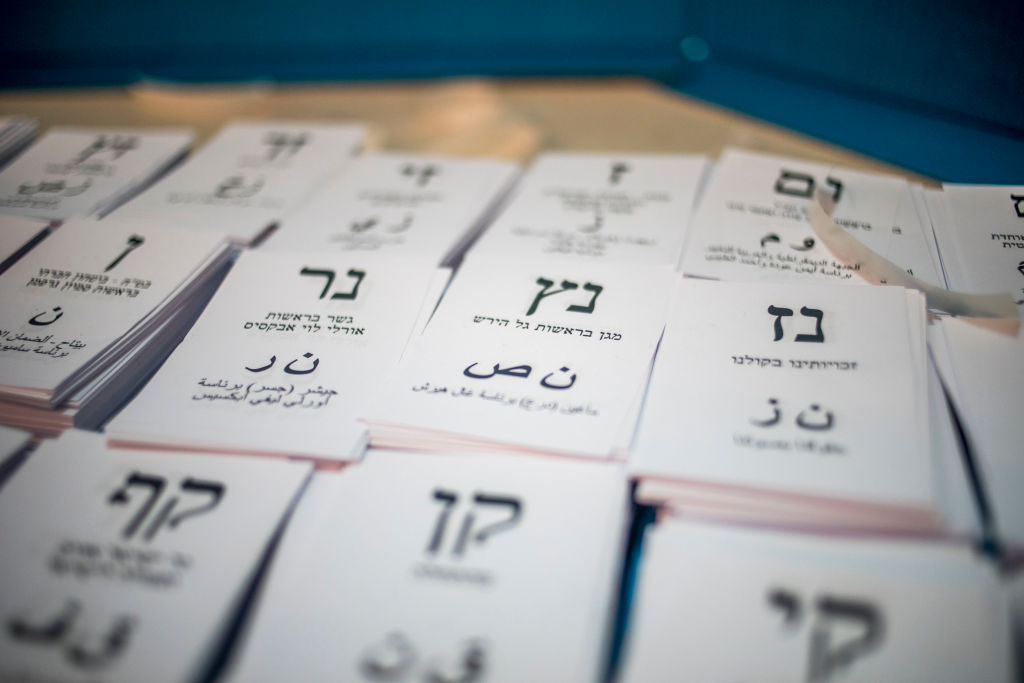
Jan.15, 2020 was the last date to submit electoral “lists” for the Israeli election scheduled for March 2. A flurry of parties on both ends were registered in the days before the Jan. 15 deadline, and some of their leaders may well be part of and influence the Israeli government that will (eventually) be formed.
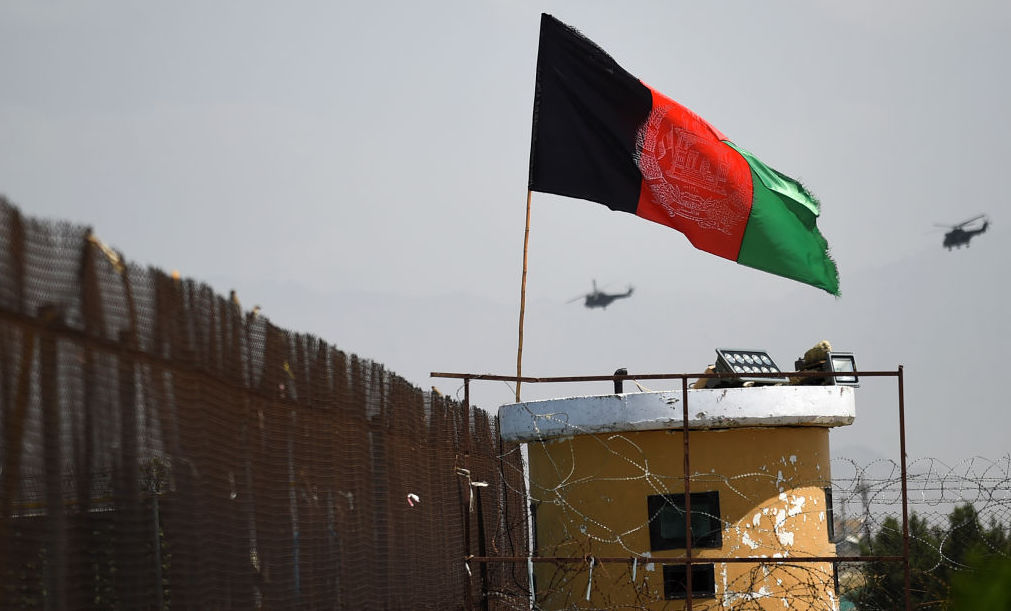
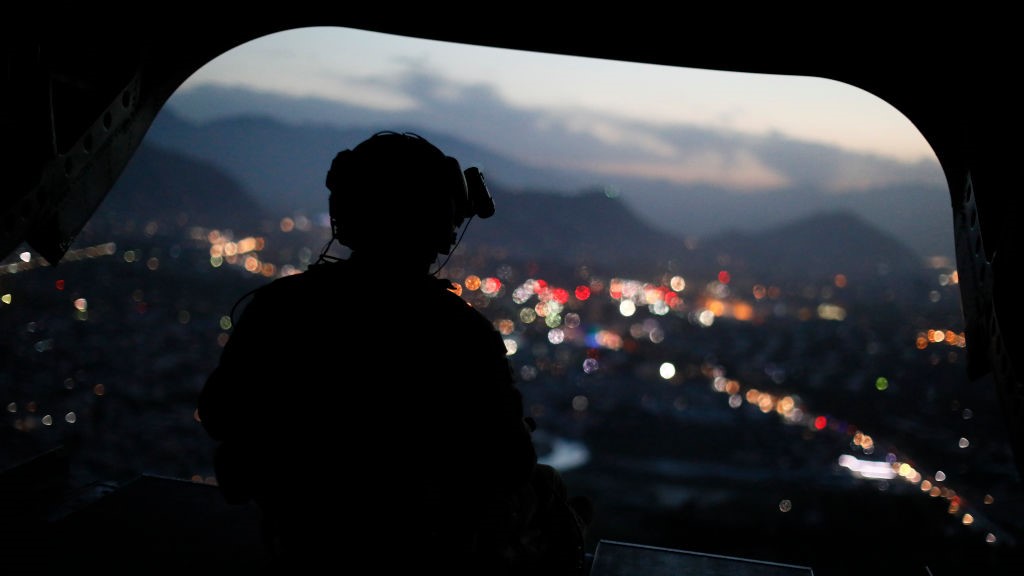
18 years after CIA and U.S. special operations elements touched down in Afghanistan to pursue al-Qaeda and topple the Taliban, ongoing, incremental troop reductions reveal the smoke and mirrors manner in which the U.S. is withdrawing from the conflict in lieu of a negotiated settlement.
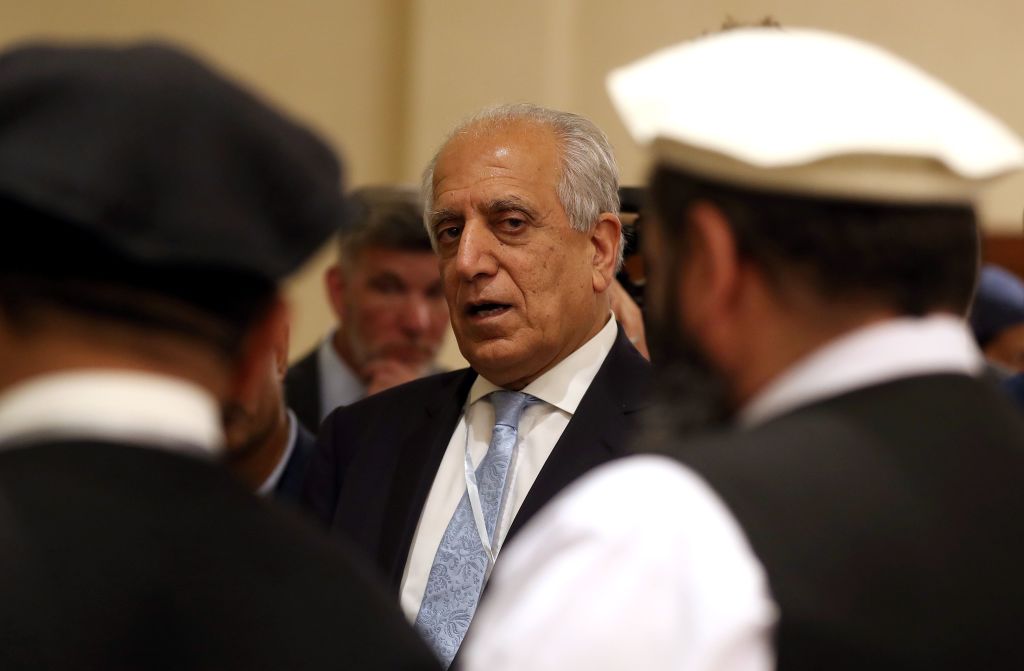
The Taliban still apparently balk at an accord that makes any provision for the retention of an American counter-terrorism force.
Over the past five years, the focus of U.S. counterterrorism strategists has remained on the Middle East, especially after the emergence of ISIS in 2014, while Islamist terrorist organizations operating in South Asia have been considered a secondary threat. However, the fact remains that South Asia is home to more Islamist terrorist organizations than any other region of the world. Al-Qaeda was born there, in Afghanistan, and ISIS has roots in the region. But at the turn of the decade both global jihadist groups are now facing major challenges and the critical question is whether they will manage to survive this period of crisis amid a severe leadership vacuum following the death of ISIS’s supreme leader and caliph, Abu Bakr al-Baghdadi, and the killing of al-Qaeda heir apparent Hamza bin Laden.