Iran-backed Afghan fighters in Syria vow to battle Israel and Saudi Arabia next
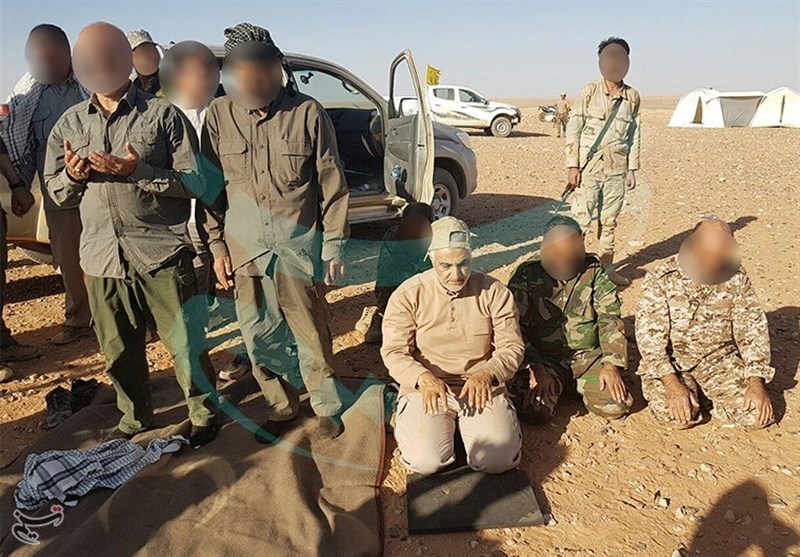
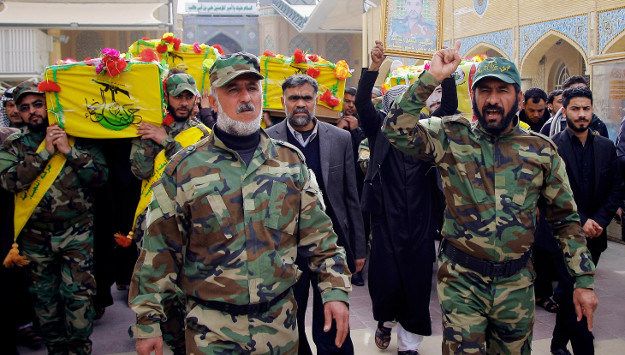
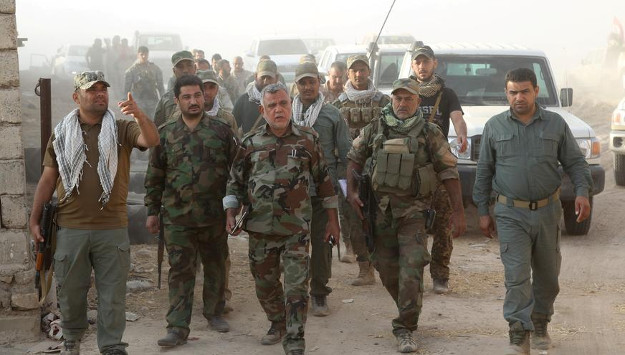
Sayed Ali-Asghar Hosseini, an Afghan national living in Iran, says he hopes to quickly recover from injuries he sustained in the Syrian conflict in order to return to the Arab country and take part in the next phase of war against Israel and Saudi Arabia. “Our real war with Israel and the al-Saud family is still there.
Iran-backed Asaib Ahl al-Haq: We’ll form next Iraqi government and will expel US forces
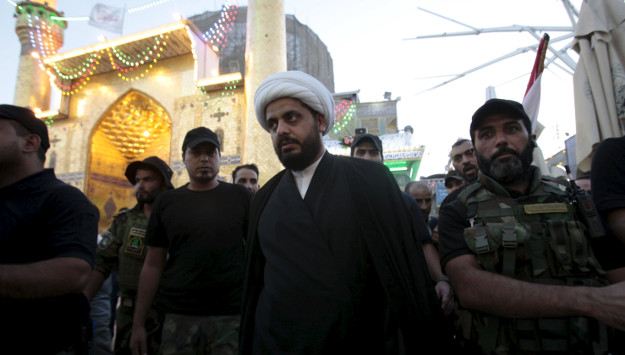
The head of a prominent Iranian-backed militia group in Iraq has said that the priority of the next government in Baghdad will be to “expel the American forces from Iraq and terminate the strategic cooperation agreement between the two countries.” Qais al-Khazali, who is the leader of Asa’ib Ahl al-Haq, also predicted that a coalition of Popular Mobilization Forces (PMF) will form the next government after the upcoming parliamentary elections slated for May 12.
Tightening the screws on Pakistan | Monday Briefing
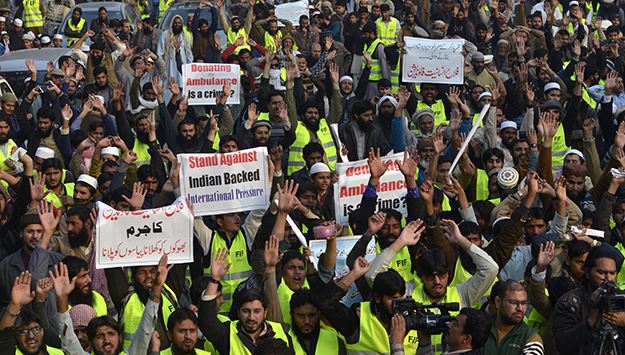
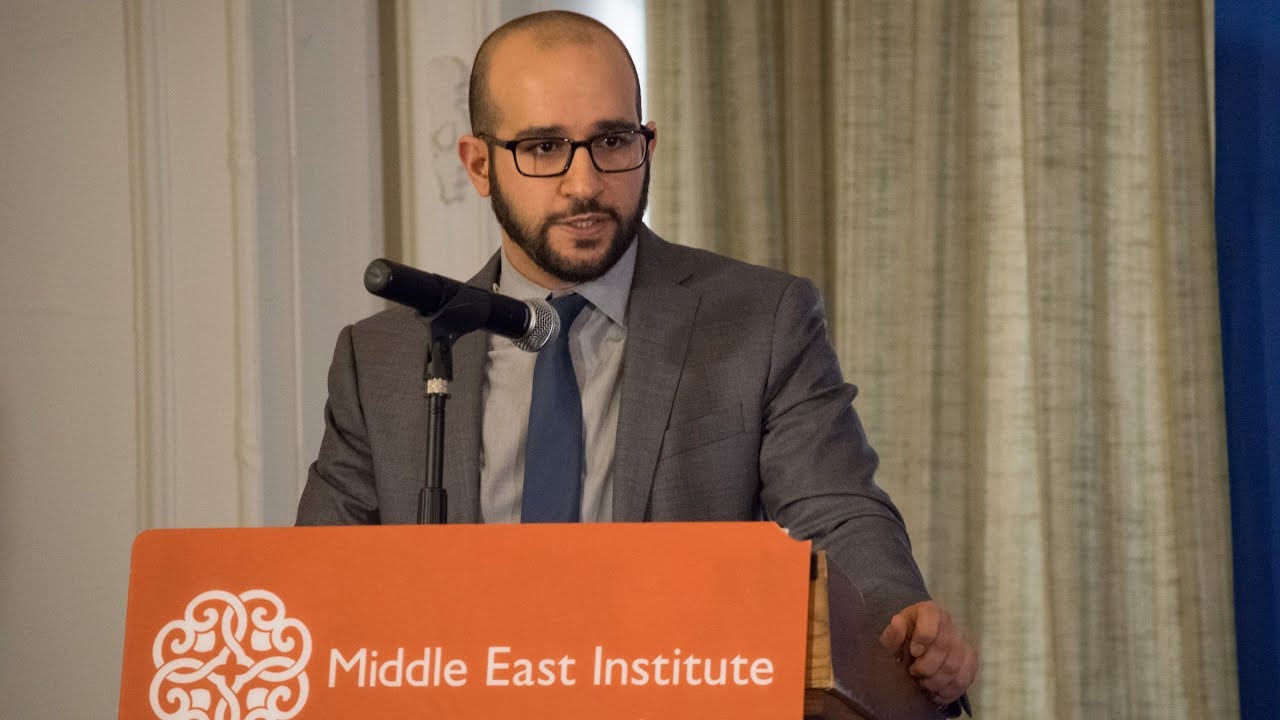
In this week’s Monday Briefing, MEI experts Marvin G. Weinbaum, Charles Lister, and Gerald Feierstein provide analysis on recent and upcoming events including the placement of Pakistan on a global terrorist financing “gray list,” the ongoing assault on eastern Ghouta following a UNSC cease-fire resolution, and diplomatic efforts on the war in Yemen.
It should be no surprise that Washington’s Syrian Kurdish allies—who have long had daggers drawn and pointed at our fellow NATO member Turkey—are now reconciling with our Syrian enemy President Bashar al-Assad.
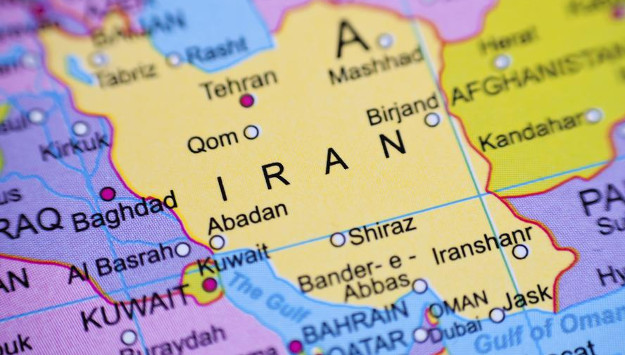
Iran has announced that it will allow Iraqi travelers and businesspeople to visit the Iranian cities of Abadan and Khorramshahr without the need for a visa, Iranian and Iraqi media reported. According to the consulate general of Iran in the Iraqi city of Basra, Tehran is waiting for the Iraqi government to approve the new policy and cancel the visa requirement for its citizens planning on traveling to the two Iranian cities.
Iran-Backed group: We’ll avenge our casualties by cleansing Iraq of US presence
The secretary-general of Harakat al-Nujaba, an Iraqi militia group with close ties with the Islamic Revolution Guards Corps (IRGC), has said that the group will avenge the blood of Iraqi paramilitary forces recently killed in the Iraqi province of Kirkuk by “cleansing” Iraq of the American presence,
Report claims Iran deploys military personnel to Afrin to counter Turkish offensive
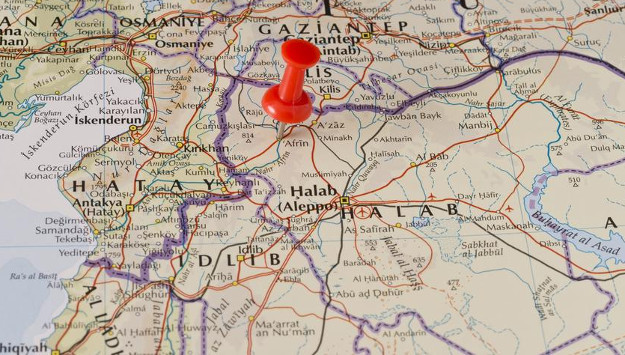
Dozens of Iranian fighters have joined the ranks of the People’s Protection Units (YPG) in the northern Syrian city of Afrin to fight the Turkish military and its allies trying to expel the Kurdish forces from the region,
Iran’s negligible role in Iraq’s postwar reconstruction
While donor countries and organizations pledged $30 billion for Iraq’s reconstruction at an international conference held in Kuwait on February 14, Iran – which portrays itself as Iraq’s closest ally – made no financial commitments.
Iran’s allies in Iraq dial up calls for US withdrawal as parliamentary elections near
Several Iranian-supported Iraqi militia commanders and politicians this week called for the withdrawal of American troops from the country, argying that they are no longer needed as ISIS is now militarily defeated, Iranian and Iraqi media reported. A senior official of Asa’ib Ahl al-Haq (AAH), a unit within the Popular Mobilization Force with close ties with Iran’s elite Quds Force and the Lebanese Hezbollah, said today that the paramilitary forces and Iraqi parliament will not allow Washington to keep its troops in Iraq.
Weekly briefing: Netanyahu faces a whirlwind of investigations
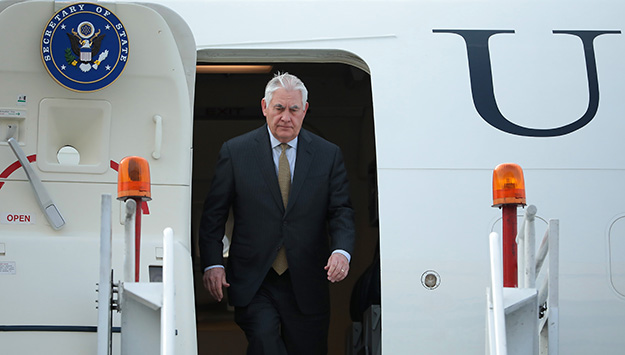
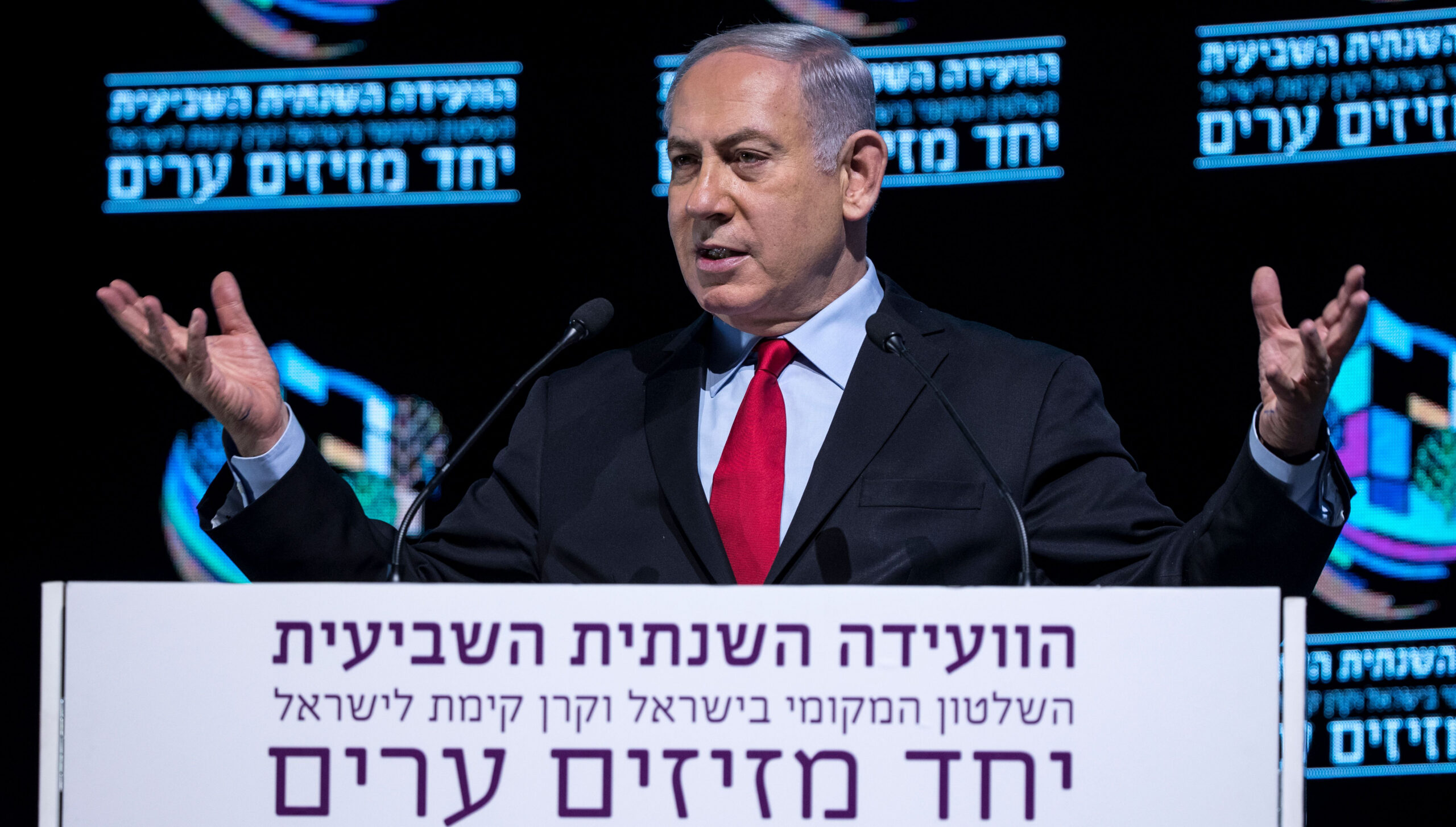
In this week’s Weekly Briefing, MEI experts Eran Etzion, Gonul Tol, and Ibrahim al-Assil provide analysis on recent and upcoming events including Benjamin Netanyahu investigations, the impact of Rex Tillerson’s visit to Turkey, and Russia’s presence in Eastern Ghouta.
Alive in Graves: A film screening and discussion on Syria's detainees
Tens of thousands have been subjected to enforced disappearance in Syria since 2011. The regime is responsible for a majority of these detentions, but various armed groups have been guilty of the practice as well. Amnesty International has warned that “the plight of those who have vanished after being arrested by the authorities or detained by armed groups is a tragedy that has been largely ignored internationally.”
Another Iran-backed Iraqi militia leader visits Lebanon, threatens Israel
The leader of an Iraqi militia group with close ties to Iran traveled to Lebanon this week to voice solidarity with Hezbollah and pledged to stand with the “axis of resistance” in any future wars with Israel. Akram al-Kaabi, the head of Harakat al-Nujaba, made the remarks to reporters in southern Beirut after visiting the tomb of late Hezbollah commander Imad Mughniyeh, who was allegedly killed by Israel. “We, at the axis of resistance, will mobilize forces against Israel at any place.
Negotiating Protection in the Syrian Refugee Response
This essay examines the humanitarian negotiation of protection in the Syrian refugee response. Focusing on the case of Lebanon, the essay presents three examples of how the United Nations High Commissioner for Refugees (UNHCR) has negotiated refugee protection: by avoiding the refugee label, by establishing the contested notion of “protection space,” and by suspending refugee registration at the request of the Lebanese government.
Iran-linked militias will play role in Syrian-Iraqi border security
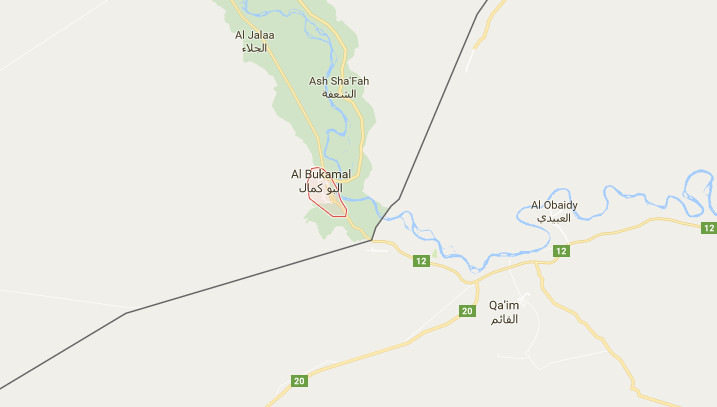
Iraqi Interior Minister Qasim al-Araji announced yesterday that the country is planning on opening the al-Qaim-Abu Kamal border crossing between Iraq and Syria, Iranian and Iraqi media reported. Al-Araji, who is a senior member of Iran-backed Badr Organization, added that his ministry has obtained permission from Prime Minister Haider al-Abadi and Chief of Staff of the Iraqi military, General Othman Al-Ghanimi, to reopen the strategic border crossing.