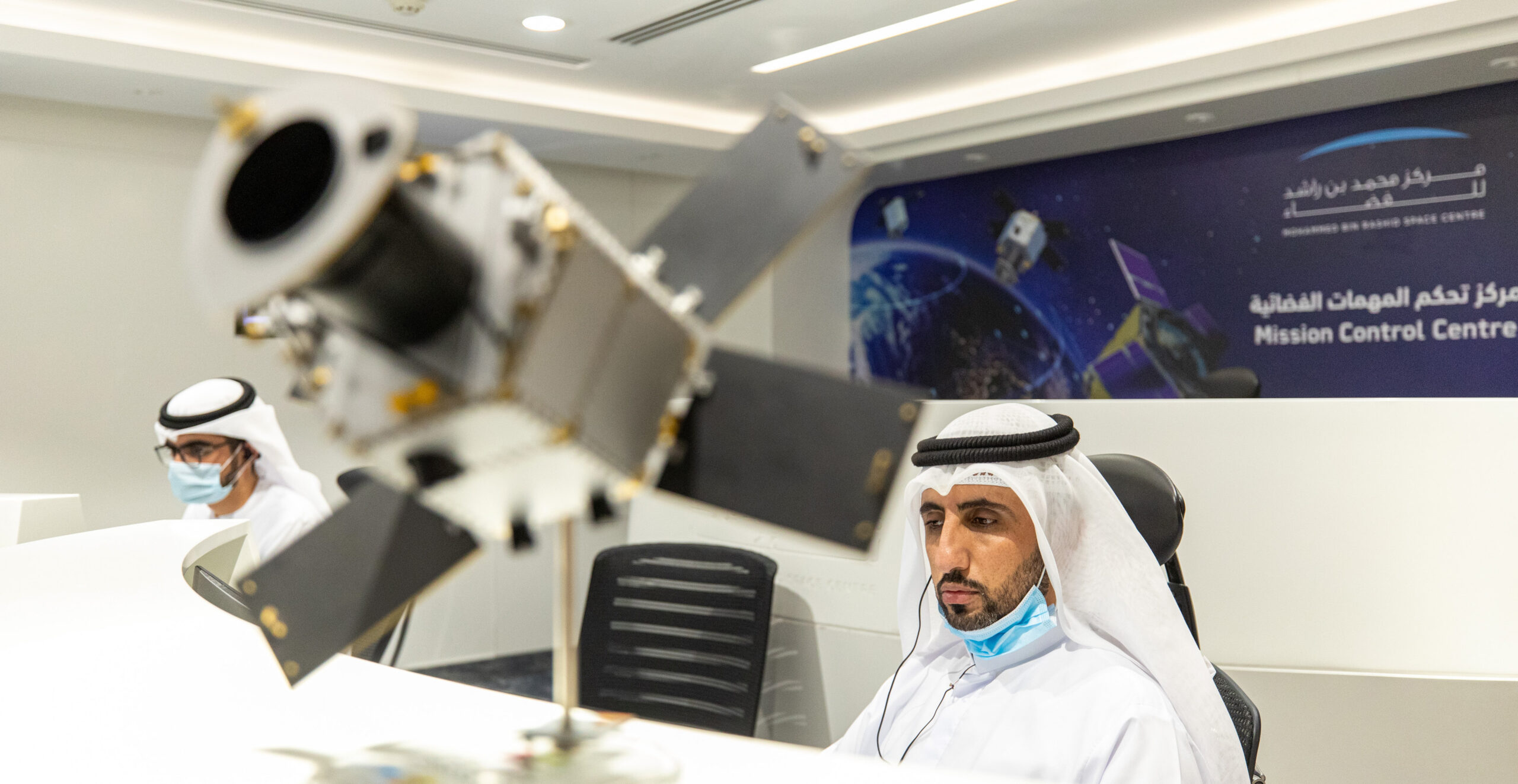
The Role of the Middle East in the US-China Race to AI Supremacy
AI is a pivotal catalyst for global innovation, with the United States at the forefront of the development of this transformative technology amid its ongoing great power rivalry with China. This report aims to define the concept of AI supremacy and to revise the US’ AI strategy in accordance with a more comprehensive understanding of it. The report also looks at how the competition has affected actors from the Middle East, namely the UAE and Saudi Arabia, attempting to steer the conversation on the global AI race toward a comprehensive conception of AI supremacy that is anchored in the realities of international affairs and US-China great power competition.
The multiple wars that have erupted since Oct. 7, 2023, have already changed the strategic landscape in the Middle East — and more change is likely to follow.
Beyond oil: Google’s big bet on Saudi Arabia’s AI future
In a landmark move signaling the growing importance of the Middle East in the global tech landscape, Google has entered into a strategic partnership with Saudi Arabia’s Public Investment Fund (PIF), the kingdom’s sovereign wealth fund. The partnership underscores the “growing interlink” between AI and energy, as Saudi Arabia — along with the United Arab Emirates and other Gulf states — uses its energy surplus to power data centers, a critical pillar of AI infrastructure.
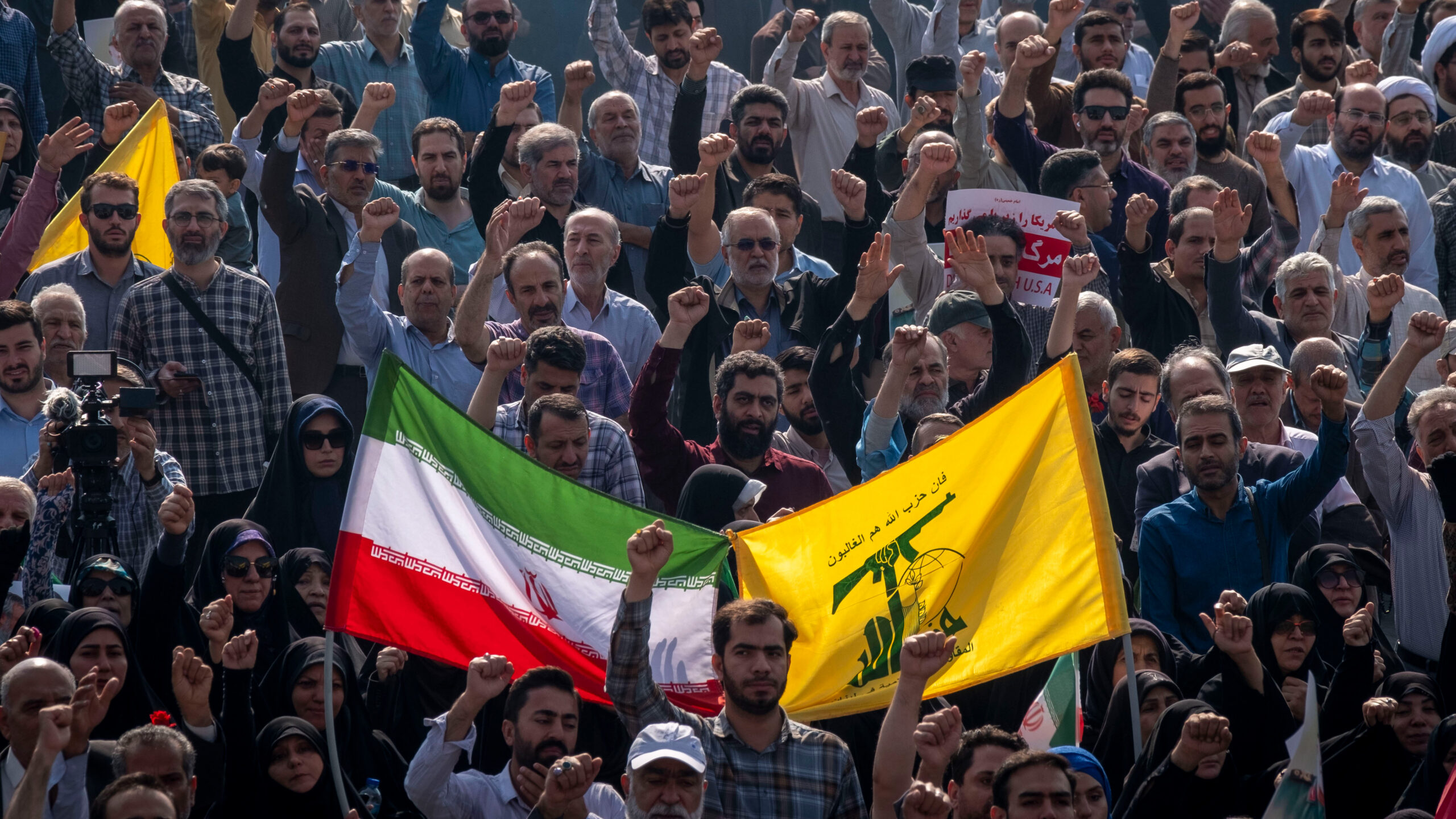
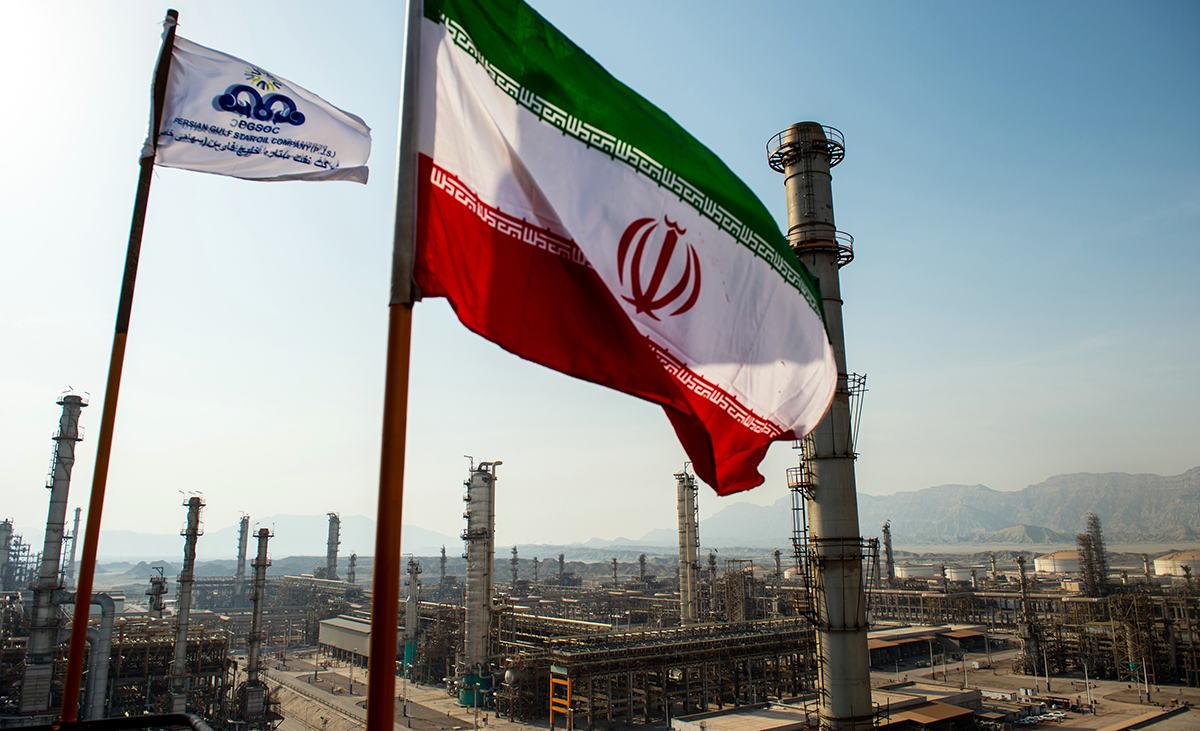
Over the past month, Iran and its regional network of allies and proxies – The Axis of Resistance – has suffered a string of dramatic losses and defeats. What is the future of the Axis and its members, and what can the US and its allies do to confront and disrupt this Iranian-led network?
Kurdish elections arrive — finally, and with challenges
Iraq’s Kurdistan Region will hold elections for its devolved parliament for the first time since 2018, on Oct. 20. The polls are more than two years late and come at a time of major economic and political challenges for the semi-autonomous zone.
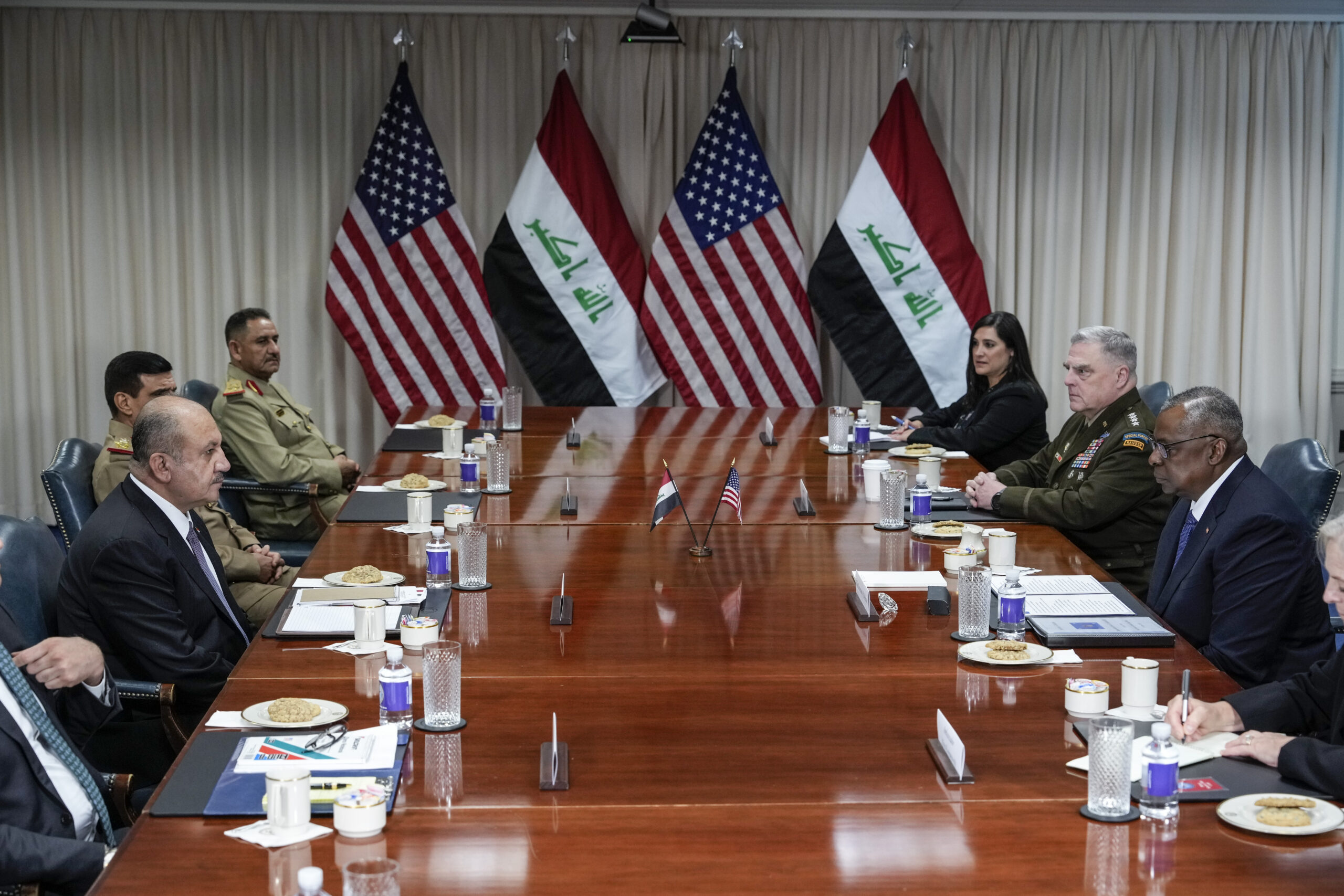
As the U.S. leaves Iraq, it can’t leave the door open for ISIS
After more than six months of talks, the United States and Iraq look set to announce a significant agreement stipulating that the U.S.-led anti-Islamic State coalition will withdraw entirely from the country over the next two years.
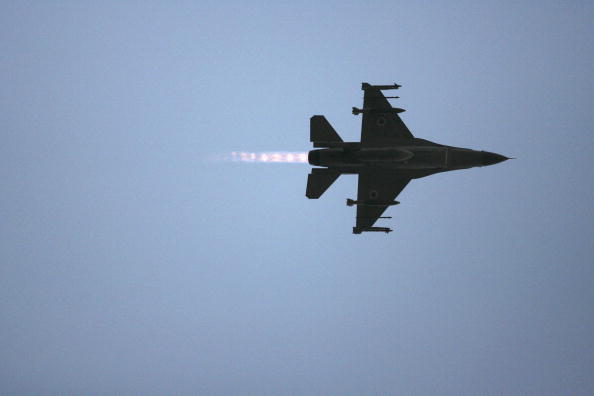
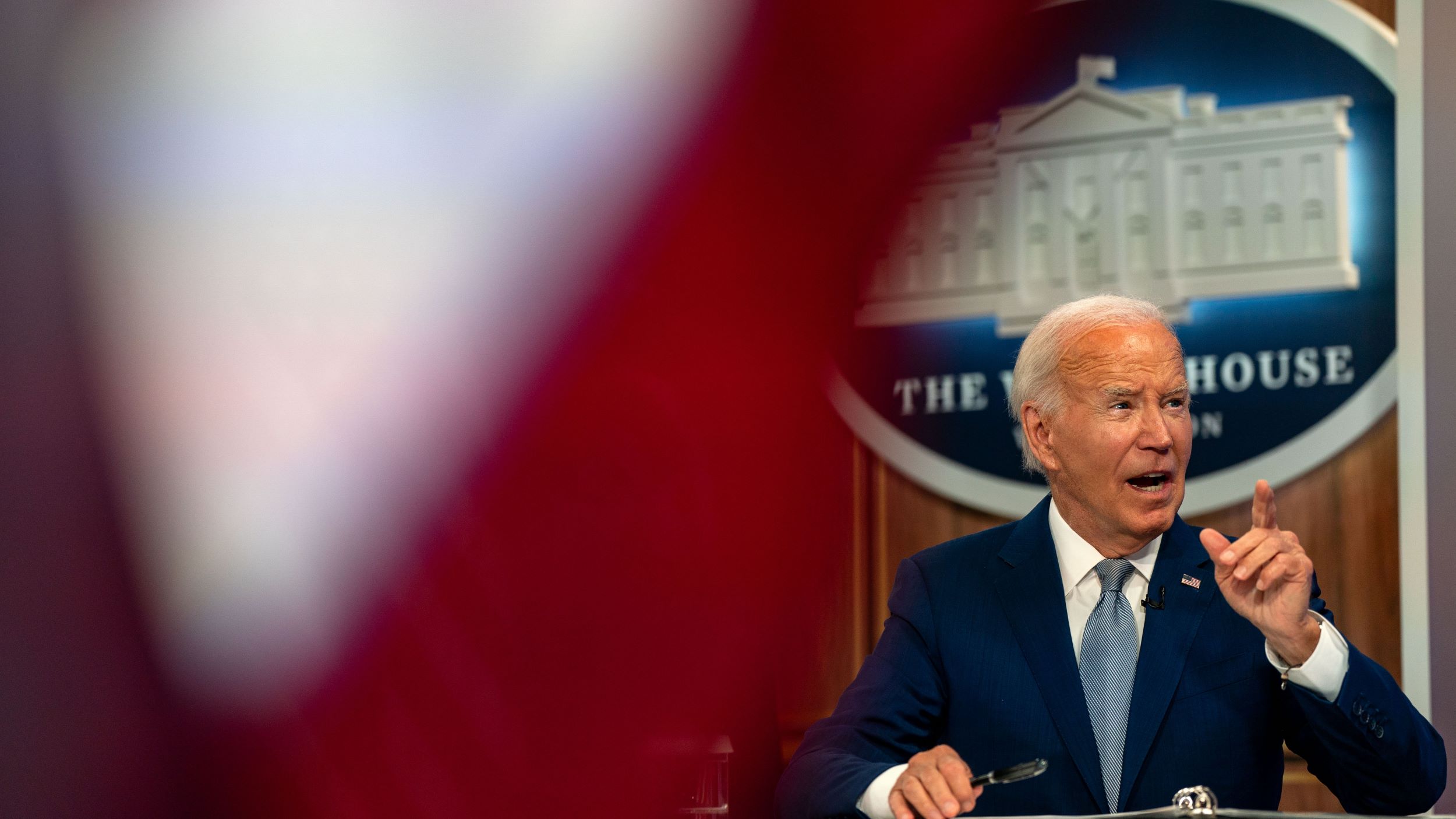
With the Middle East on the brink, how can the US recalibrate its response?
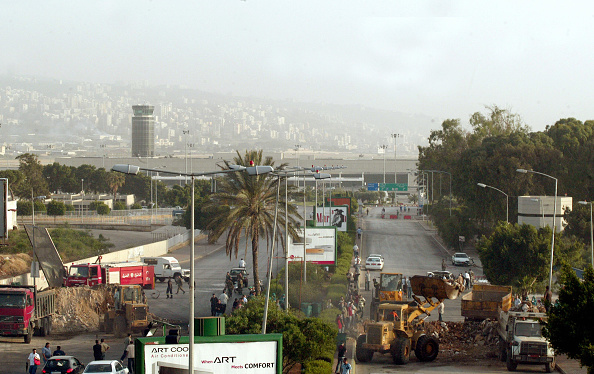
The Middle East teeters on the precipice of a substantial escalation, threatening to more fully draw in Lebanon, Iran, and perhaps other countries. What happens in the coming days, along with the decisions made by adversaries and allies alike, will determine if that happens.
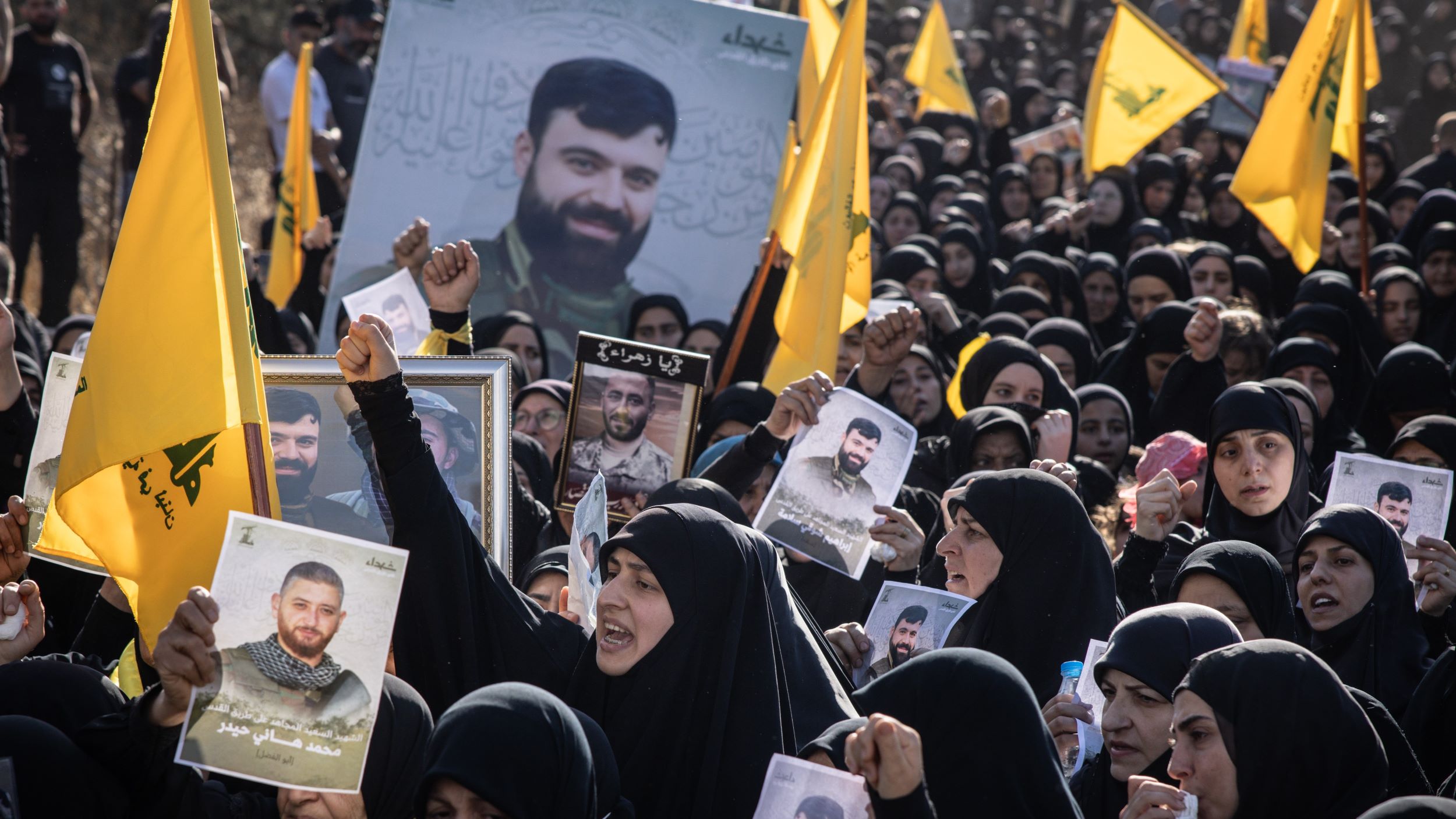
Israel and the Axis of Resistance in the wake of the Gaza war
Hamas’ Oct. 7 attack touched off a destructive war with Israel and a limited but fierce regional conflagration between Israel and the Iran-led “Axis of Resistance,” with Lebanese Hezbollah at the forefront. The ongoing conflict has been multi-fronted, multi-faceted, dynamic, and already highly consequential. While a clear bottom line remains elusive, exploring the war’s primary origins and evolution offers useful indicators.
On this week’s episode, Director of MEI’s Syria and Countering Terrorism and Extremism Programs Charles Lister speaks with MEI Editor-in-Chief Alistair Taylor on the resurgence of the Islamic State, or ISIS, in Syria and Iraq. This episode is the first in a several-part series looking at where the terrorist group stands today and its international footprint 10 years on from the founding of the 87-country Global Coalition to Defeat ISIS.
As the Middle East becomes more autonomous and empowered domestically, the leaders in the region might consider more synergetic relations with each other and prepare national long-term plans that provide a balanced and integrated approach to social, technological, environmental, economic, and political development and progress.