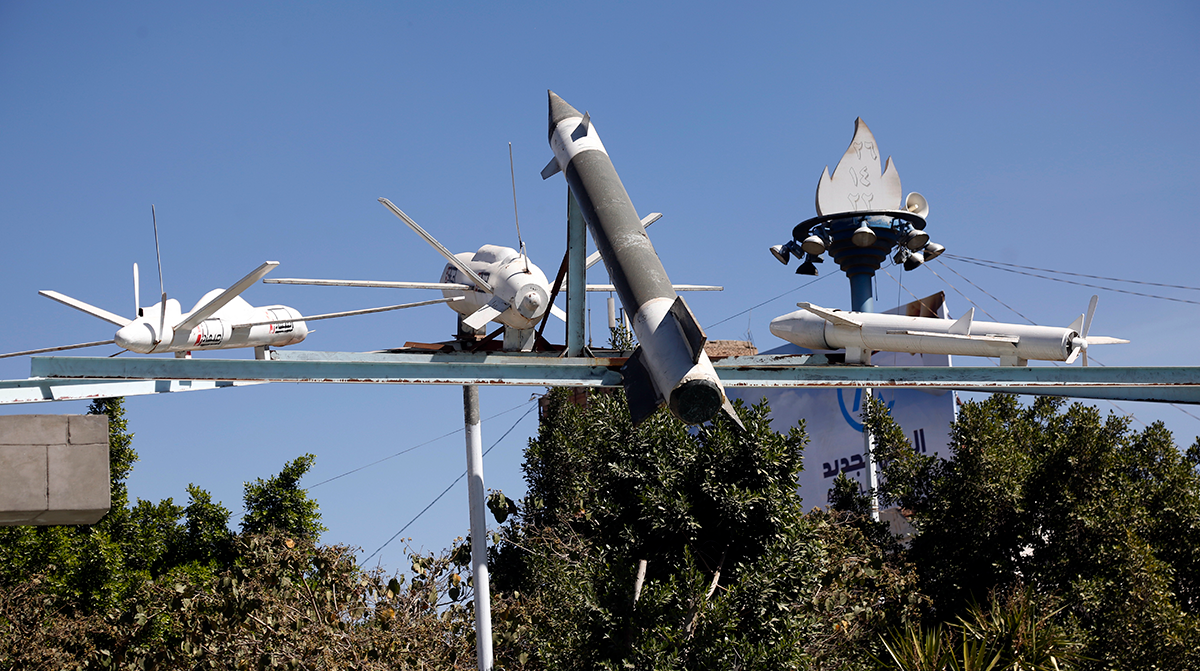
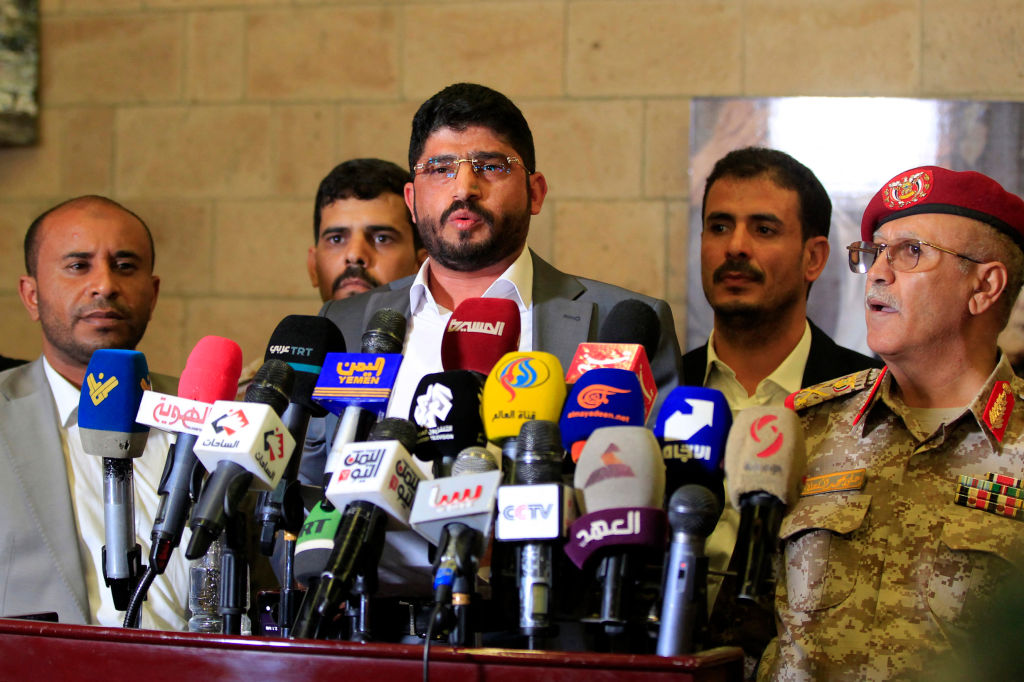
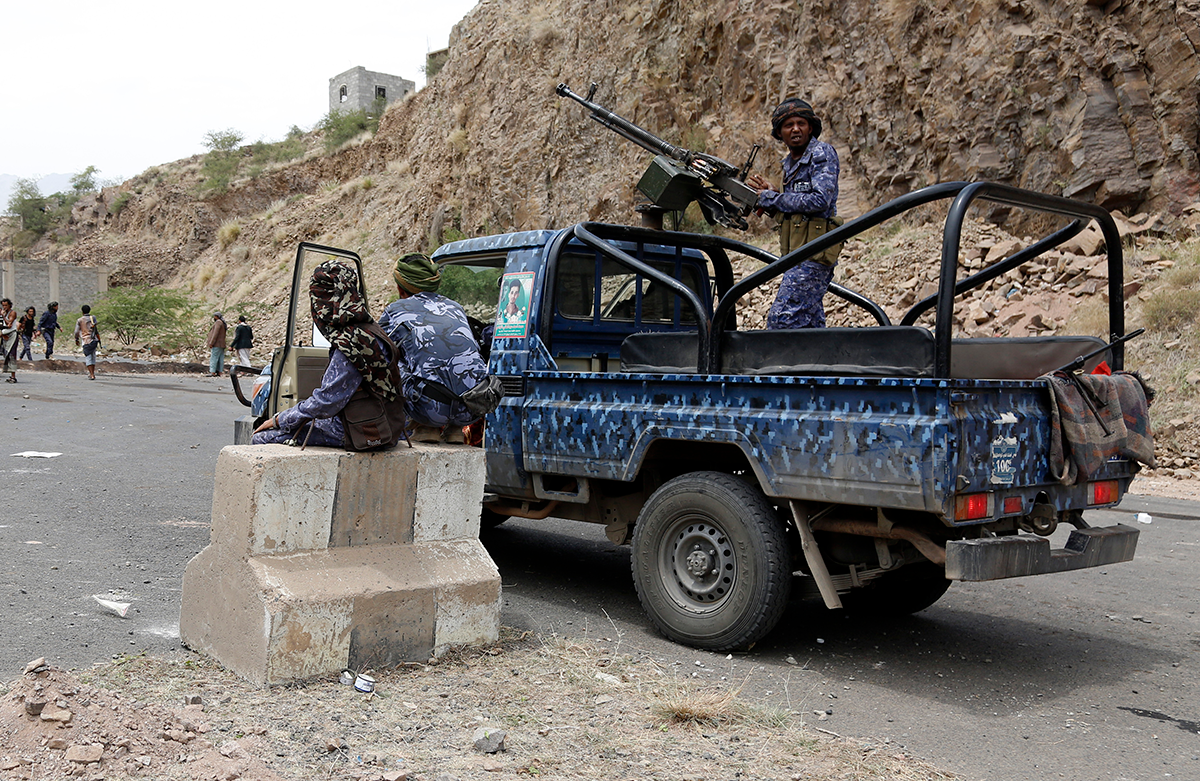
On Nov. 21, the Iranian-backed Houthi militia launched a drone attack against the Dhabba Oil Terminal in Yemen’s Hadramawt Governorate. The threat of further attacks on oil ports and military targets remains high as the militant group tests the tolerance and response of Yemen’s government and the international community while increasing its demands.
Since seizing the capital of Sana’a in September 2014, the Houthis have been transforming the portions of Yemen under their control in line with a radical political and religious ideology. The Houthis’ war is complicated and may not be resolved quickly. But for now, the main obstacles to peace are ones that only Yemenis can resolve, which are rooted in rival concerns over the distribution of political power and equitable delivery of public services.
Now in the fifth month of a ceasefire, what are the prospects for a negotiated end to the Yemeni Civil War, and the beginning of a sustained peace? MEI Distinguished Sr. Fellow on U.S. Diplomacy and Director of the Arabian Peninsula program Gerald Feierstein discusses these questions with two outstanding scholars who have followed and written extensively about Yemen over the years. Fatima Abo Alasrar is a nonresident scholar at MEI and a Senior Analyst for the Washington Center for Yemeni Studies.
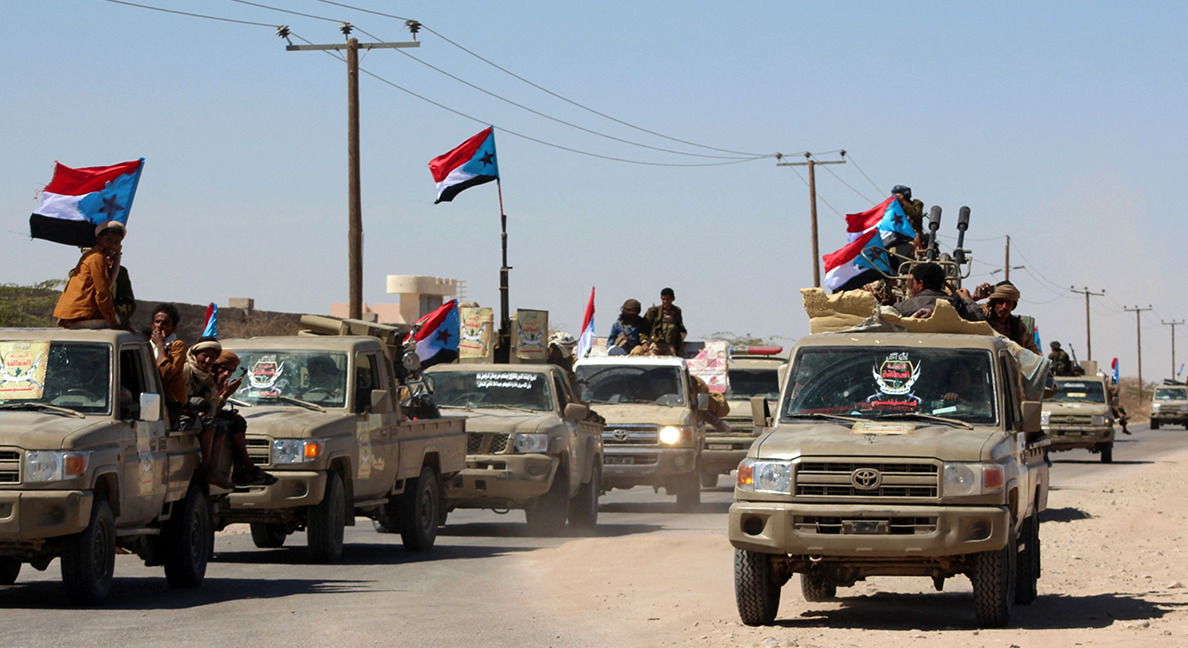
Emirati-backed forces eye Yemen’s energy heartland
The battle for control of the Yemeni heartland and its energy resources has reached a turning point. Yemen’s internationally recognized institutions are, once again, in crisis. In fact, the current infighting within the “government camp” threatens both the long-stalled implementation of the 2019 Riyadh Agreement and the political legitimacy of the newly-established Presidential Leadership Council.
There is no shortage of U.N. interest in Taiz or concern over the Houthis’ blockade and truce violations in the city, but pressure on the Houthis to commit to relieving the humanitarian suffering of the Taizi people remains lacking.
Yemen cease-fire extension: The glass is still half-empty
Although the latest two-month extension of the Yemeni cease-fire was welcomed by all, the conflict will not end until meaningful pressure is applied on the Houthis to deny them a military victory and force them to accept a political resolution to the war they launched in 2014.
One sided and incomplete, Yemen’s truce faces implementation hurdles as extension deadline nears
The U.N.-sponsored truce of April 2022 is the longest pause in fighting Yemen has experienced since the Houthi armed rebellion broke out in September 2014 and the Saudi-led coalition forces intervened six months later. But although there is strong external interest in both extending and expanding the truce given the scale of turmoil in the global arena, credible progress remains lacking, while serious obstacles persist.