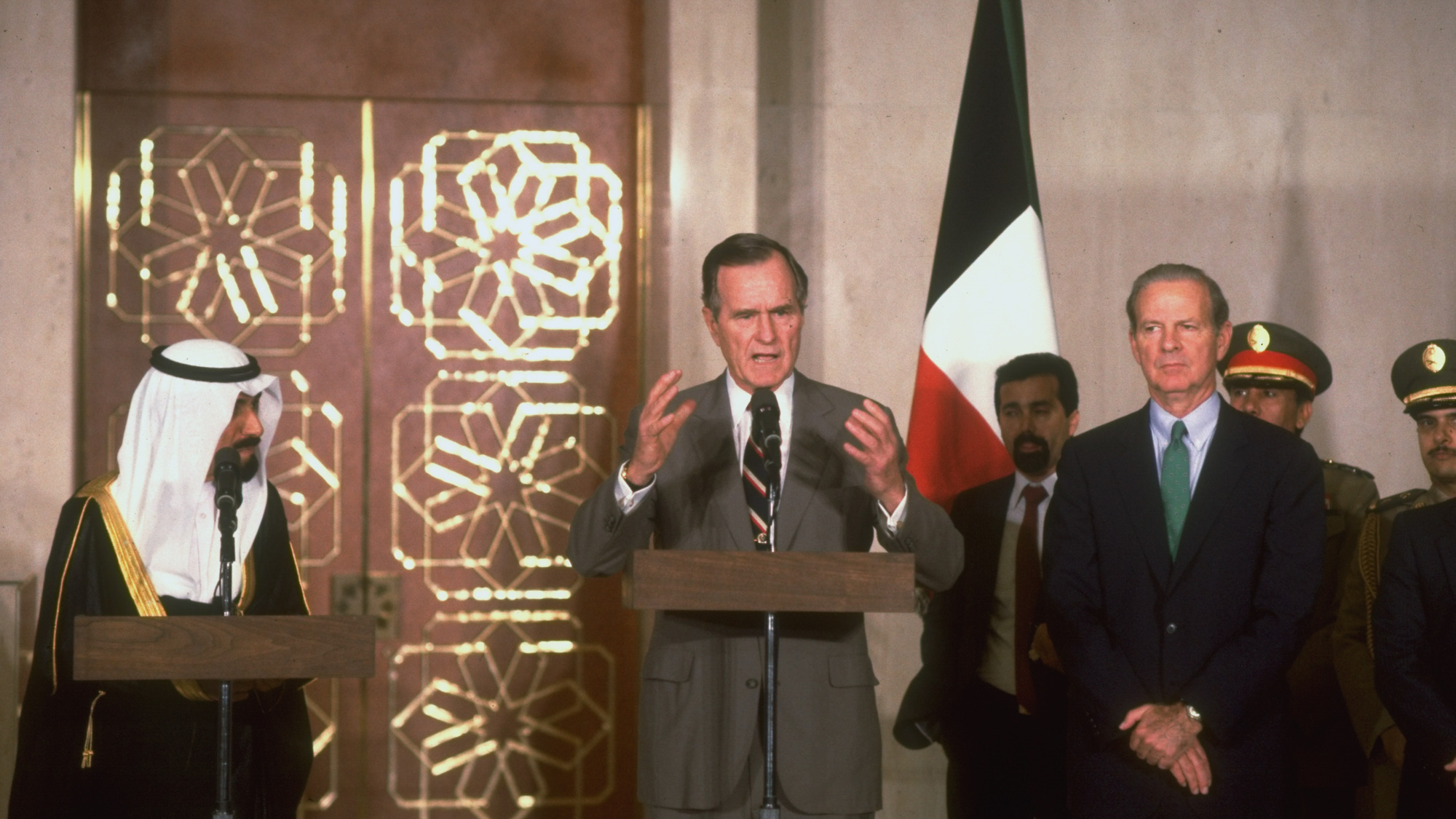
In his new book, Steve Coll casts doubt on whether Iraqi intelligence had actually tried to assassinate former President George H. W. Bush in Kuwait in April 1993. If the Kuwait plot were a fabrication, it would fit yet another brick in the wall of many well documented falsehoods and misunderstandings that led to the US invasion. Unfortunately for that allegation, the plot was very likely to have been quite real.
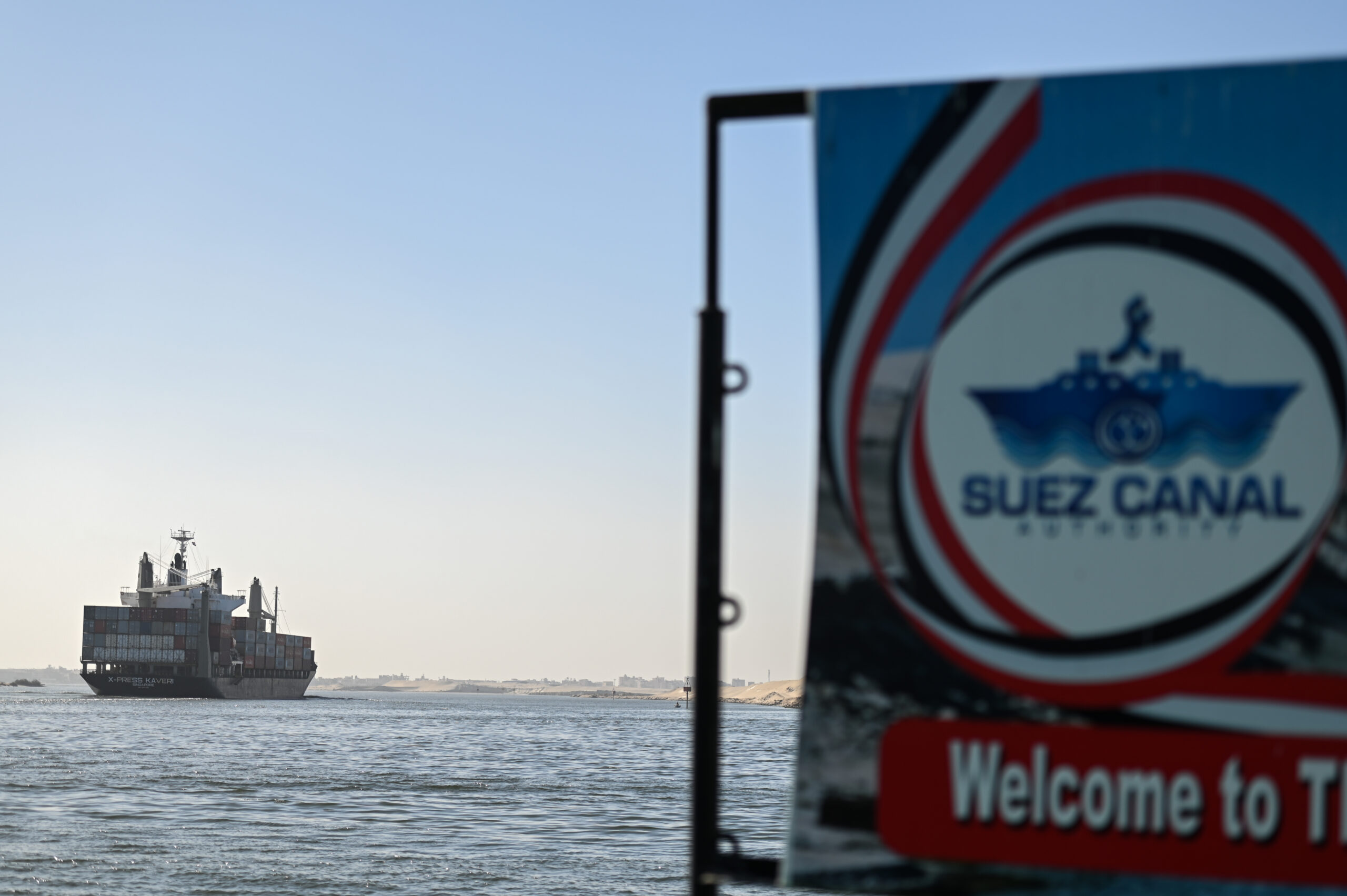
Egypt’s Economy: Missed Opportunities and Flawed Priorities
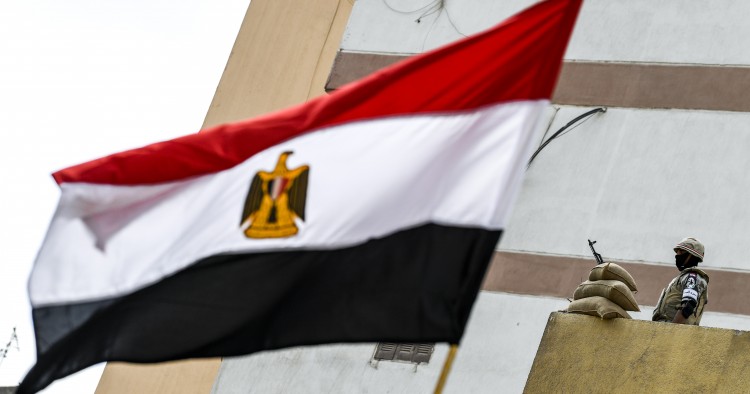
For the past several decades, successive Egyptian governments have practised the economic equivalent of riding a skateboard without a helmet; risky but manageable in the short run as long as one doesn’t encounter any obstacles. However, the inevitable has happened. Egypt’s economy smashed into not one, but two, major obstacles; a pandemic, which it just managed to stagger away from (World Bank, 2021), followed by the full-scale Russian invasion of Ukraine.
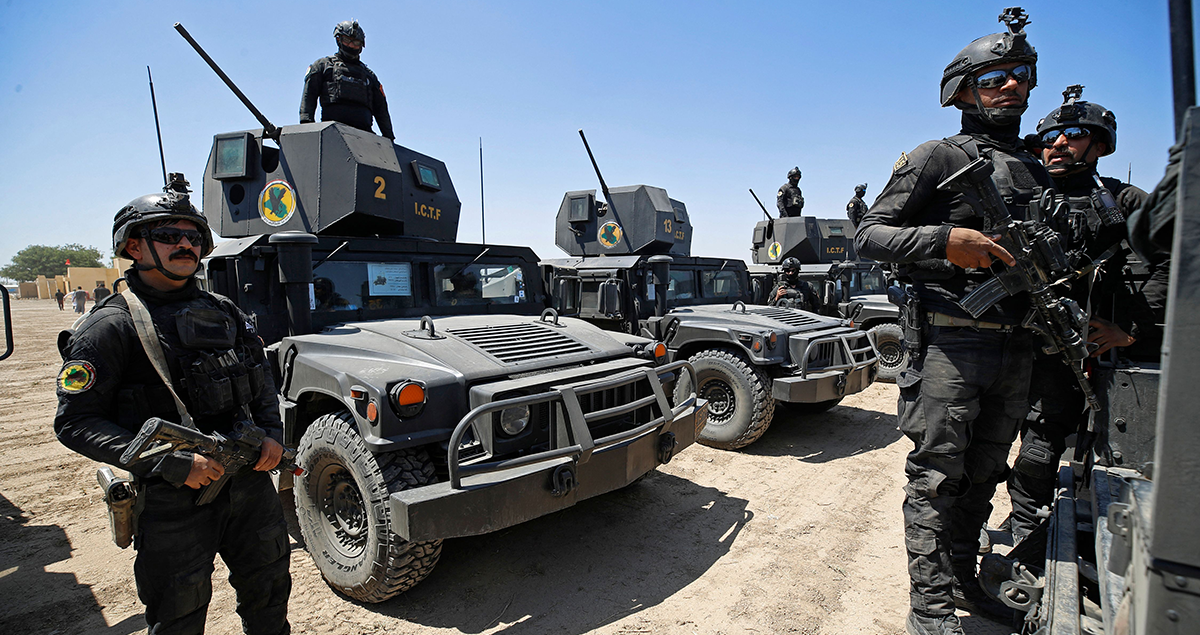
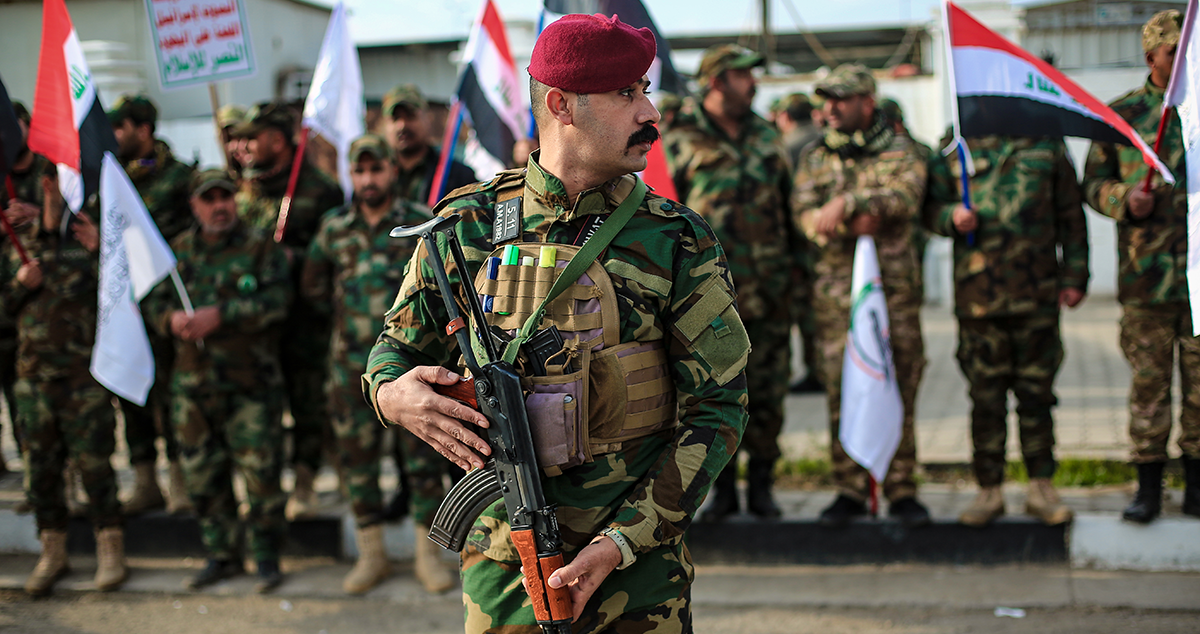
Maintaining the best thing the US built in Iraq: Continued support to the Iraqi Counterterrorism Service
As the US engages in a dialogue with the Iraqi government over the future of the coalition forces combating the Islamic State, Washington must ensure a continued relationship between the US Special Operations Forces and the Iraqi Counterterrorism Service.
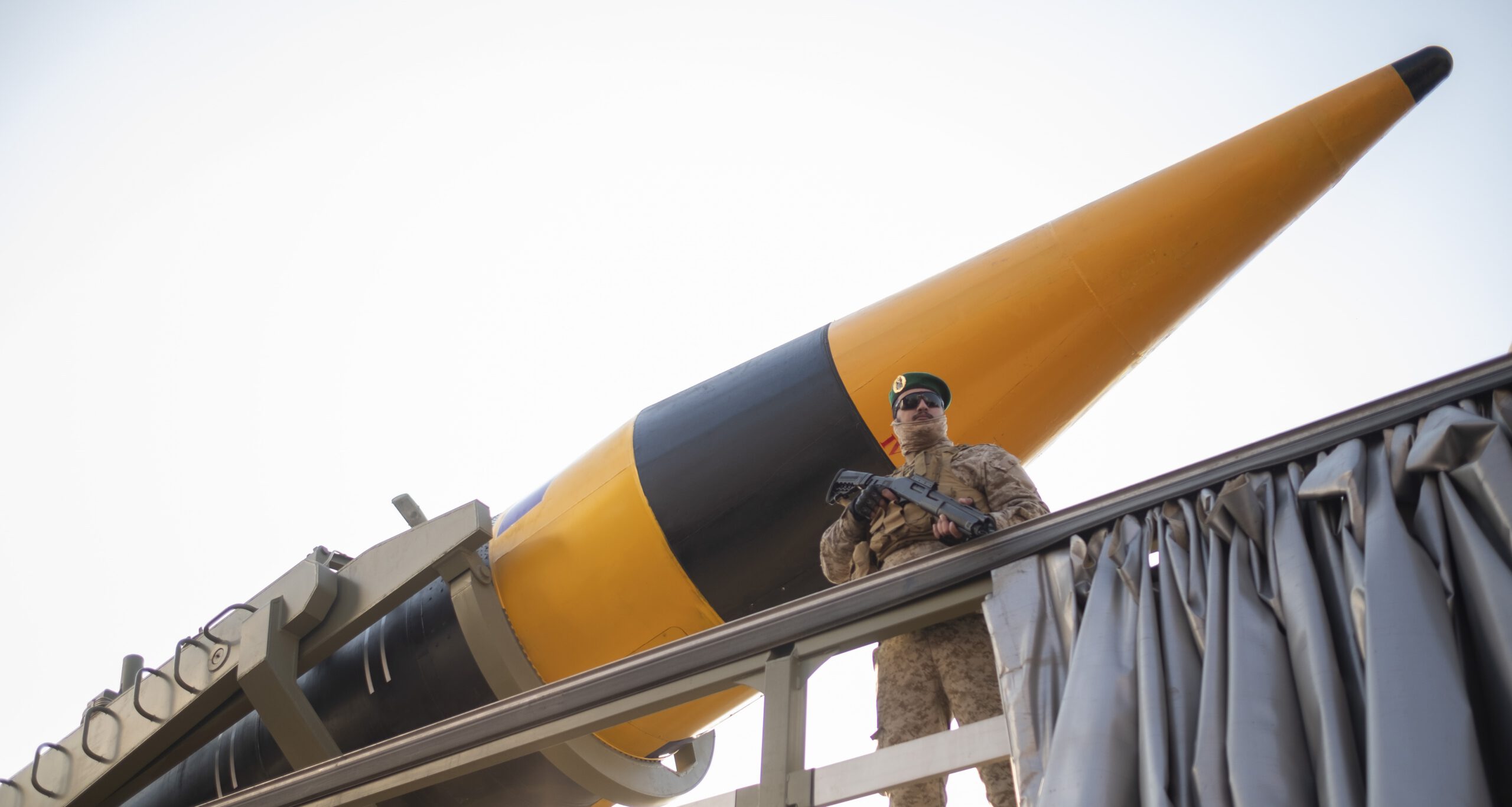
“Exporting its internal problems”: Understanding Iran’s January missile salvos against its neighbors
In mid-January, with the war in Gaza continuing to rage on, Iran launched a series of surprise missile attacks on its immediate neighbors Iraq, Syria, and Pakistan over two days. Taken together, these attacks illustrate that the Islamic Republic puts regime survival above national interest in its foreign policy calculations, which undermines its efforts to engender solidarity and good relations with other Muslim-majority states in the region.
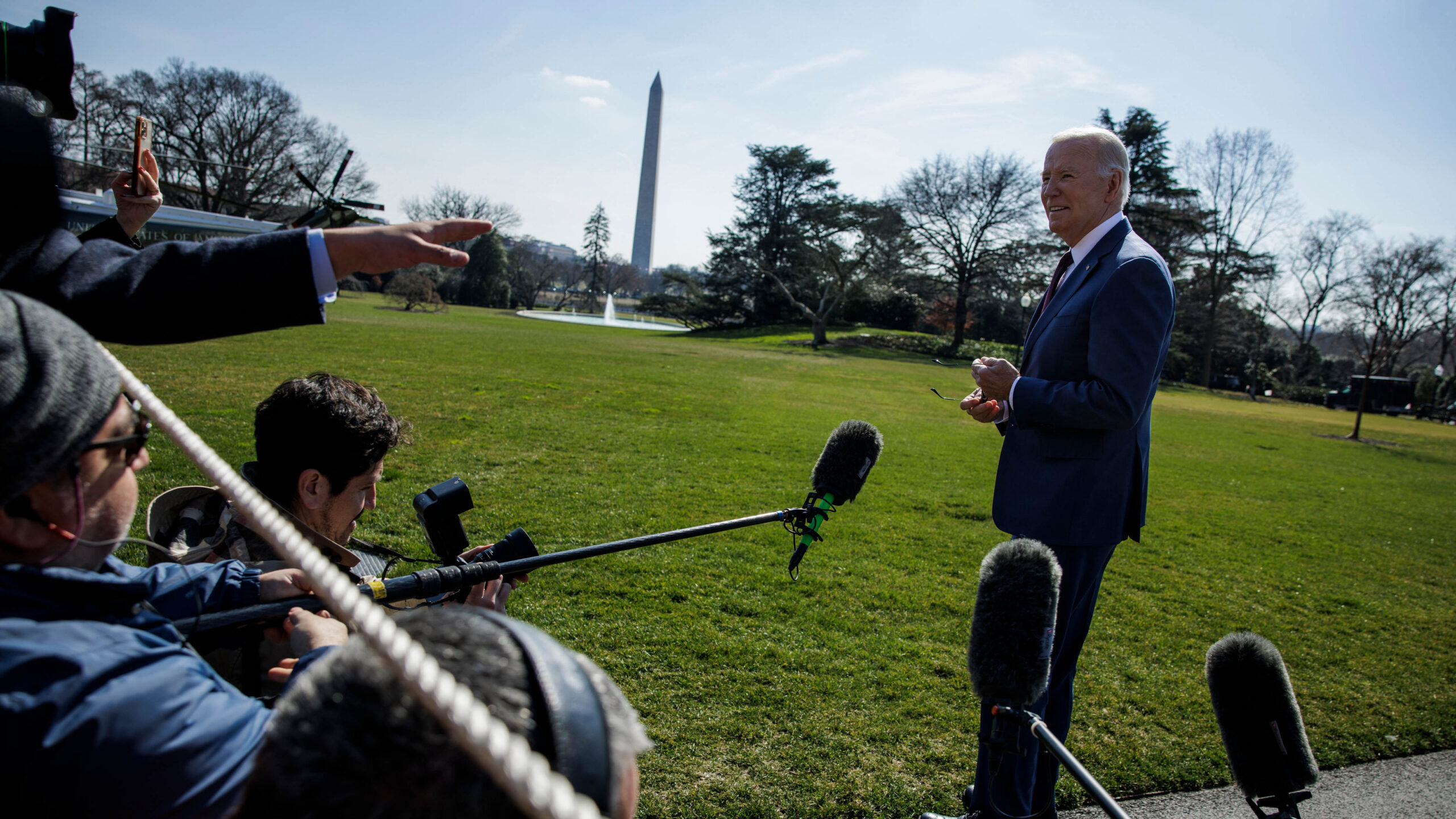
US response to Tower 22 attack in Jordan: Less intense, more restrained than anticipated
On the evening of Saturday, Feb. 3, local time, US warplanes bombed facilities used by Iranian forces and Iran-backed militias in Syria and Iraq, in retaliation for the death of 3 US service members in a Jan. 28 drone attack on Tower 22, a US military base in northeastern Jordan on the Syrian border. The airstrikes primarily targeted locations in eastern Syria and western Iraq.
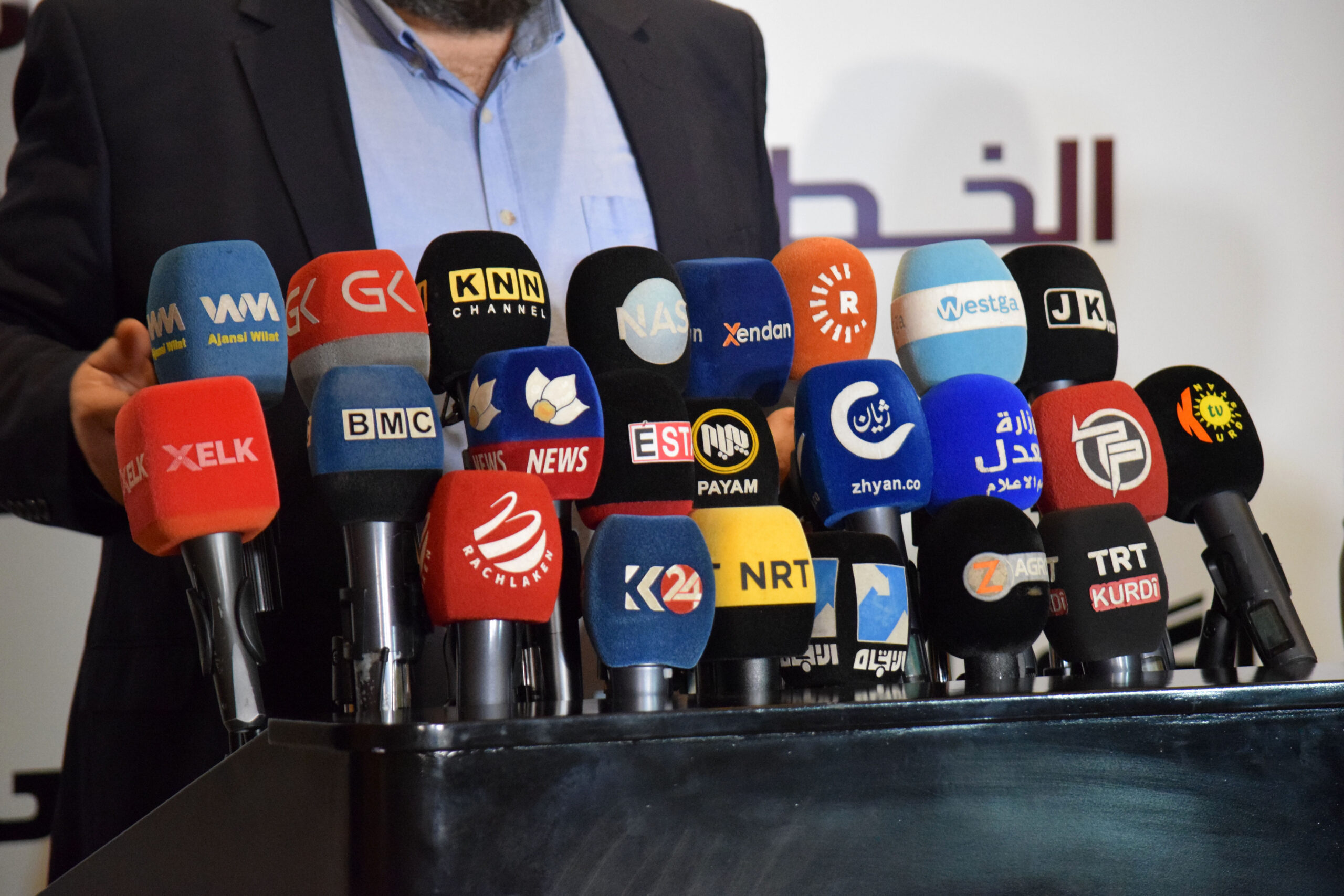
Partisan press: The dominance of party-backed media in Iraq’s Kurdistan Region
The media landscape in Iraq’s Kurdistan Region is dominated by outlets affiliated with political parties. As a result, media coverage largely promotes the interests of politically motivated patrons, rather than performing a public service mission of providing impartial and high-quality information.