The thorny question of readmission in France-Maghreb migration talks
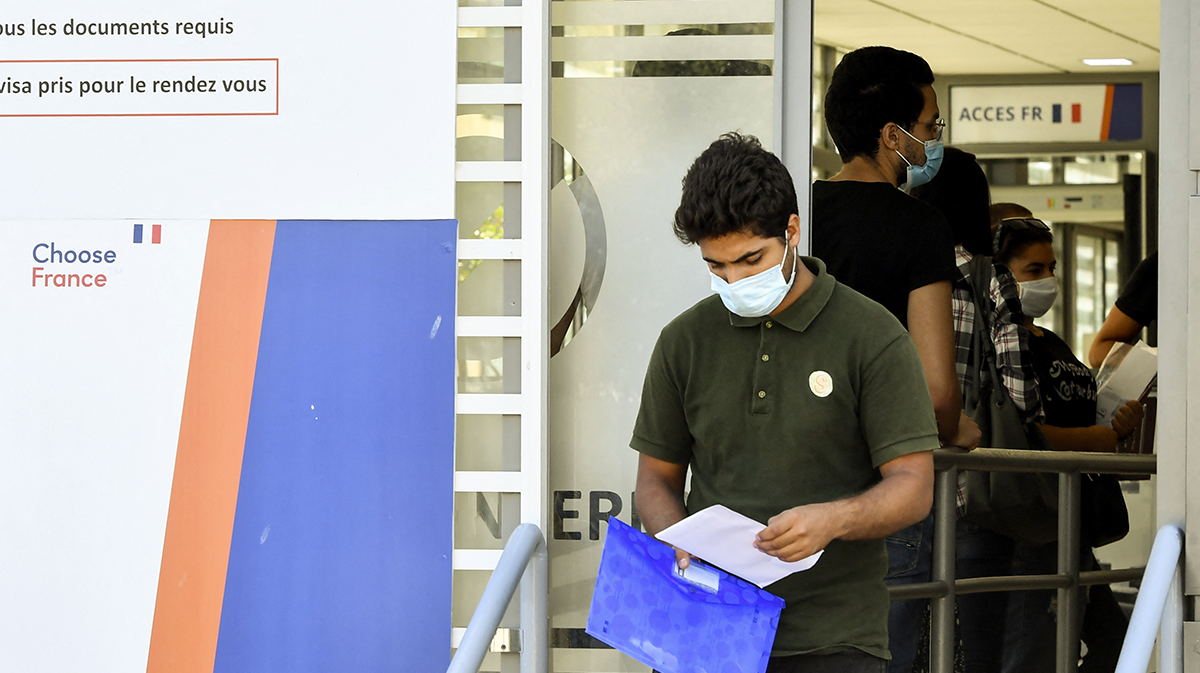
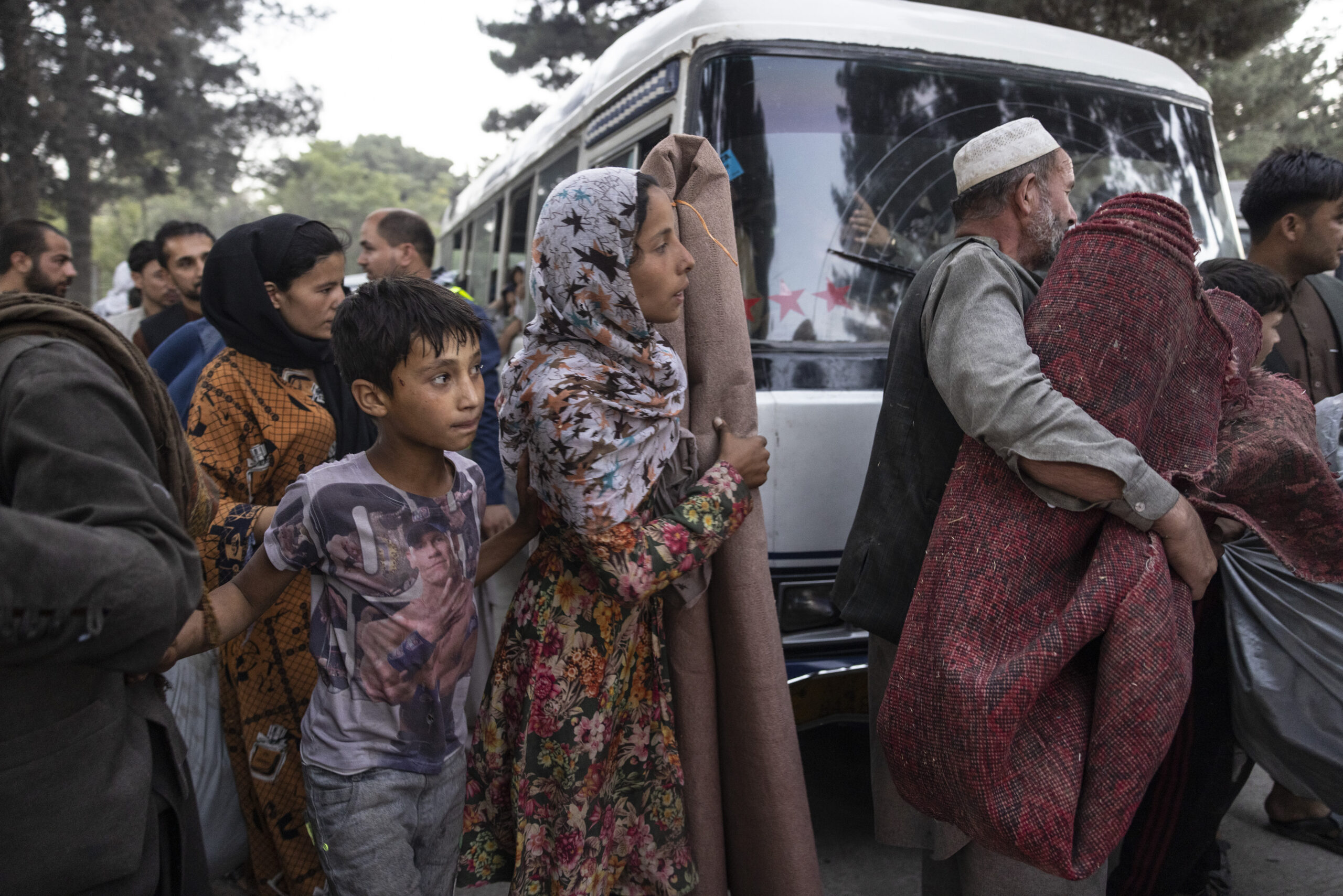
Readmission of irregular migrants has been a critical element in migration cooperation between France and Maghreb countries. In an attempt to increase its leverage, France recently decided to toughen its stance on migrant return by linking it more tightly to the country’s visa policy.
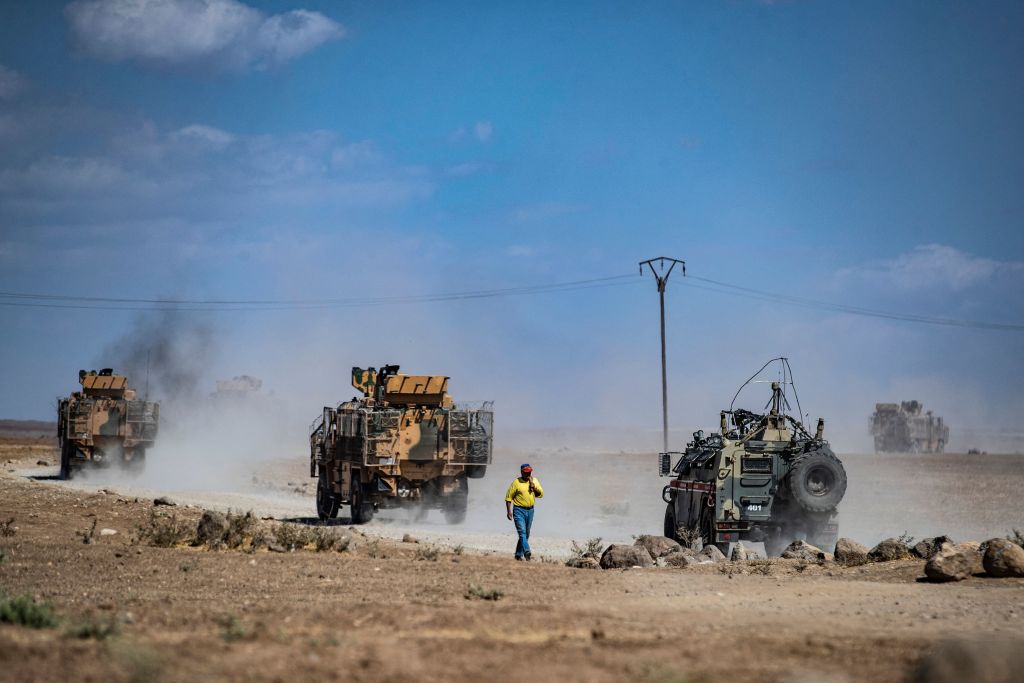
Why Washington has provided King Abdullah with political cover to engage the Assad regime
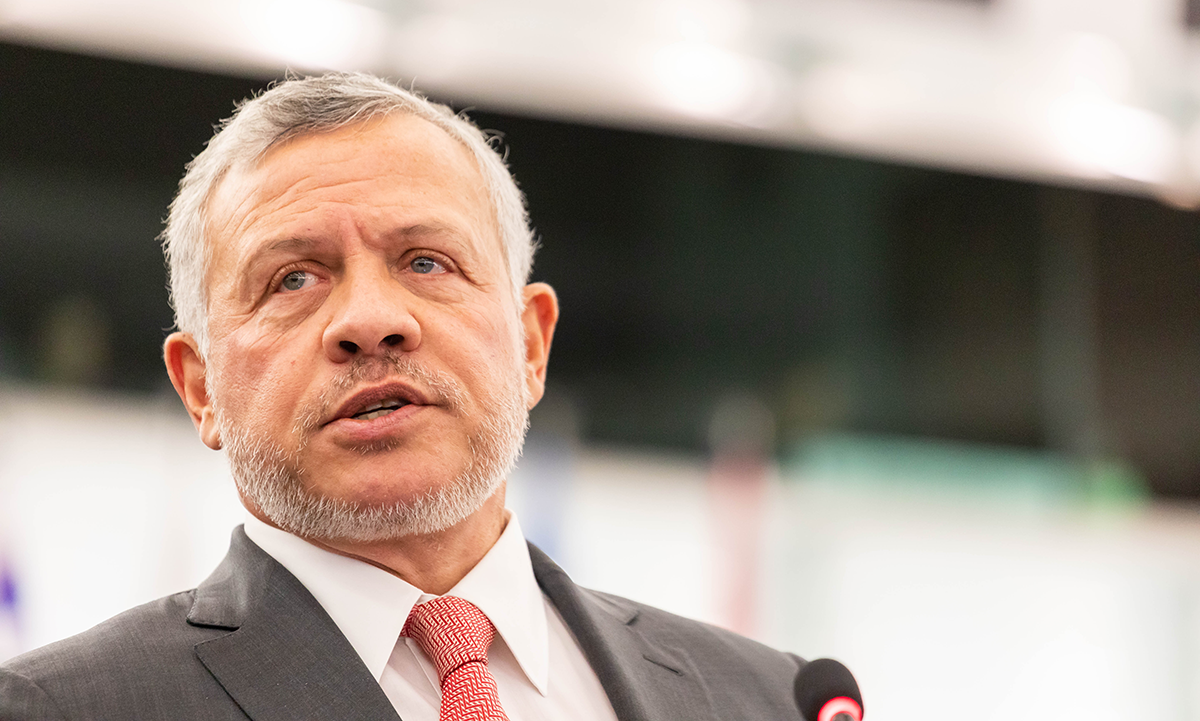
Jordan is going full speed ahead in normalizing relations with the Syrian regime, 10 years after it suspended political and economic ties with its northern neighbor in the wake of the eruption of the Syrian uprising. On Oct. 3, and in the first public contact between Abdullah and Syrian President Bashar al-Assad since 2011, Amman announced that the king had received a call from Assad. Talks focused on bilateral relations and ways to strengthen cooperation. The king stressed Jordan’s support for efforts to back Syrian territorial integrity, sovereignty, and unity. Jordan had allowed the Syrian embassy to remain open in Amman and kept a skeleton staff at its embassy in Damascus.
Across the Maghreb, support for all outside actors, including China and Russia, remains low
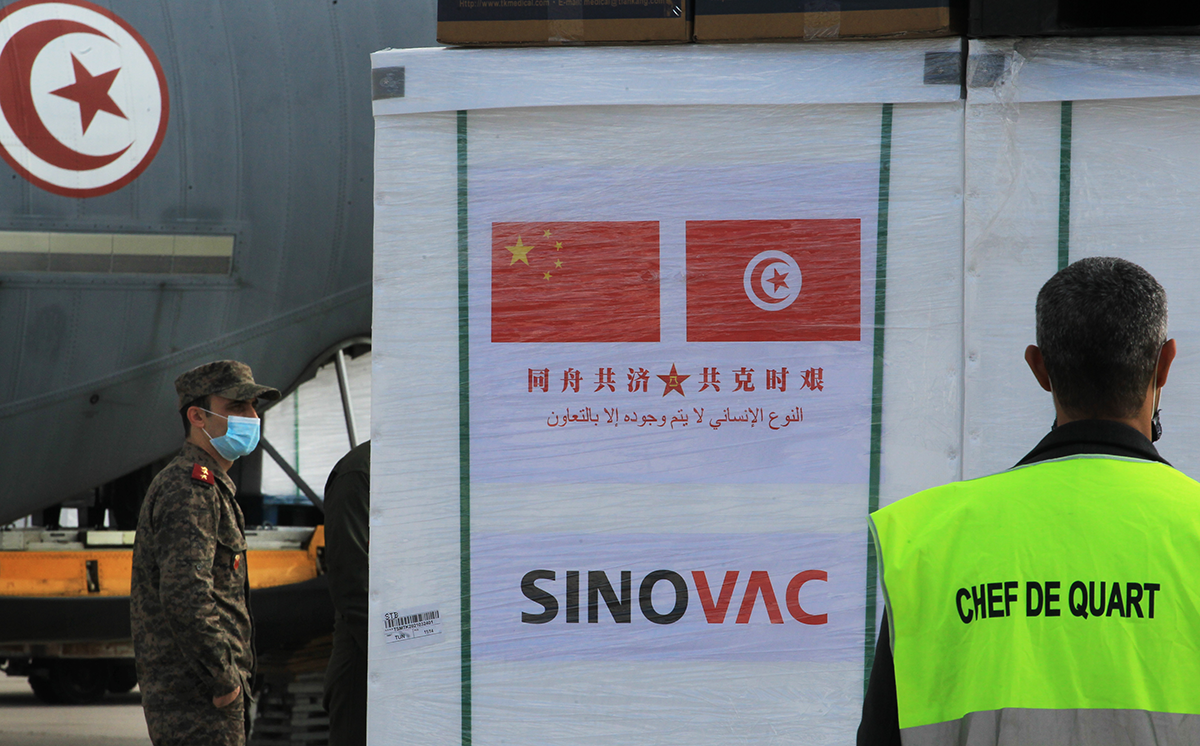
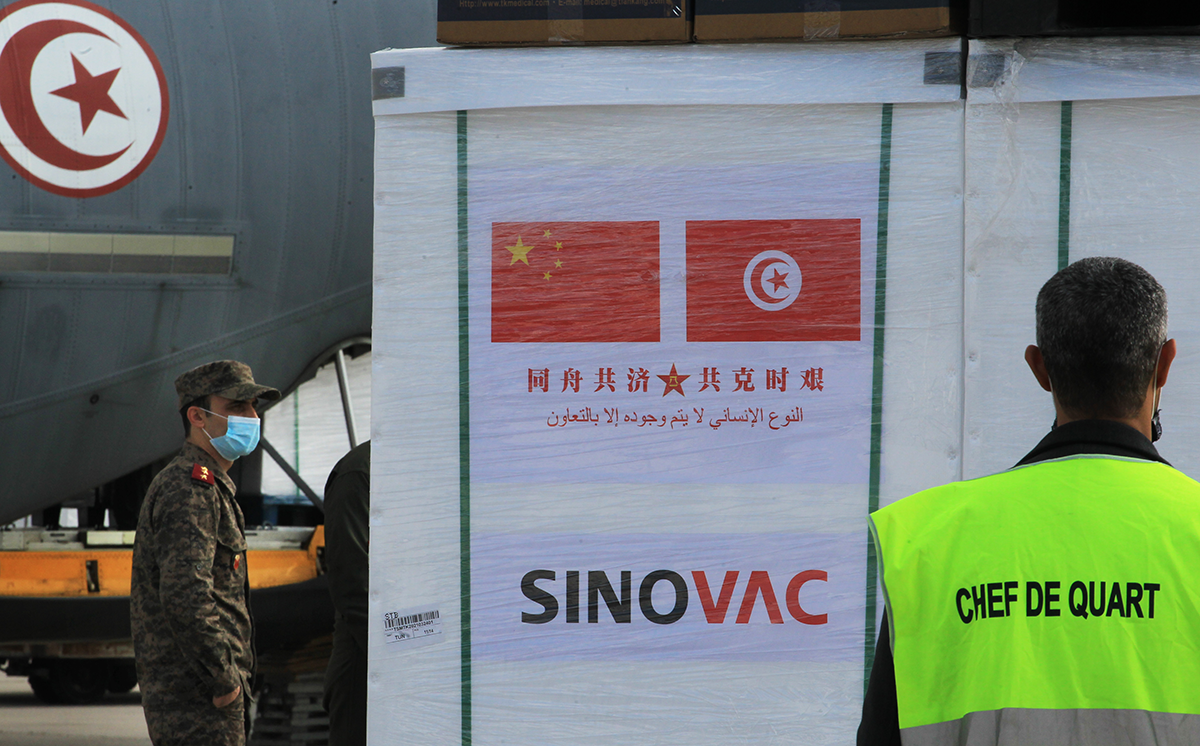
In recent years, China and Russia have gradually increased their influence in the Maghreb. The two powers, relative newcomers to the regional scene compared to Europe and the U.S., have been building stronger commercial, security, and diplomatic ties to the Maghreb countries of Morocco, Algeria, and Tunisia. However, these ties have not yet translated into significant popular approval or support.
مواجهة كوفيد 19 في المغرب: الرضى عن الوضعية الاقتصادية لا يحجب طلب مزيد من فرص الشغل ومحاصرة الفساد
مجرد ظهور العلامات الأولى للأزمة الصحية الناجمة عن فيروس كورونا المستجد في شمال إفريقيا، اتخذ المغرب إجراءات سريعة وحاسمة، حيث نفذ تدابير صحية واقتصادية وأمنية واجتماعية بدءا من نهاية فبراير 2020. تفسر هذه الإجراءات إلى حد كبير تصور المواطنين الإيجابي لتعامل الدولة مع هذا الوضع الصعب، وهو تحد لم يسبق له مثيل منذ الربيع العربي في 2011.
Facing COVID-19 in Morocco: Satisfaction with the economy does not preclude the need for more jobs and anti-corruption efforts
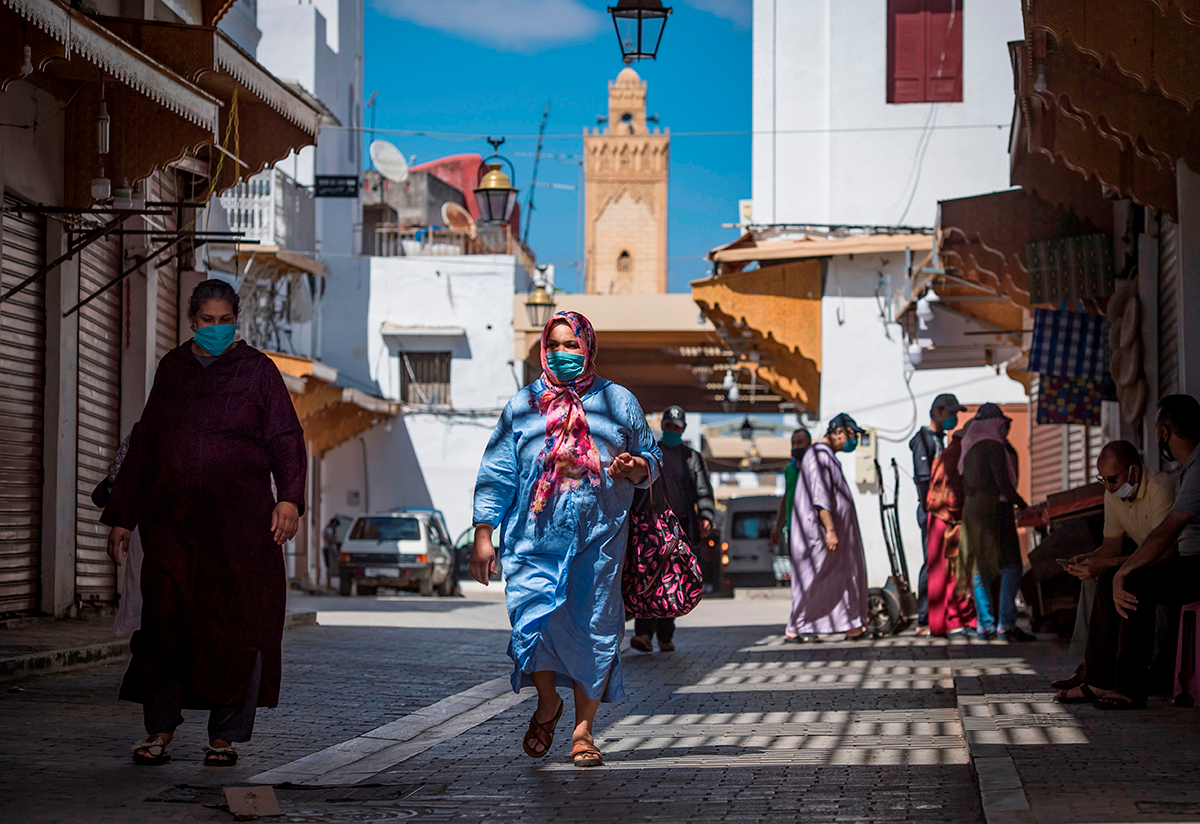
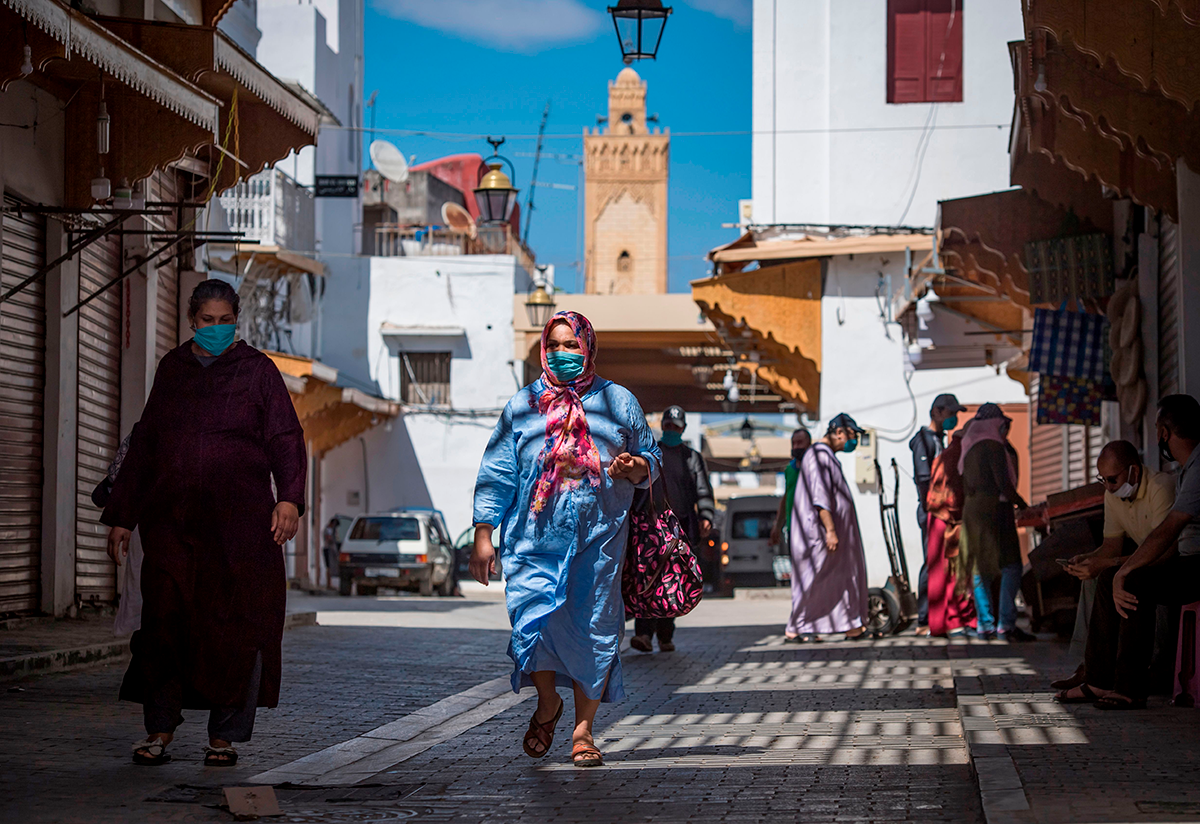
As soon as the first signs of the health crisis caused by COVID-19 appeared in North Africa, Morocco took swift and decisive action, implementing health, economic, security, and social measures at the end of February 2020. These actions explain the largely positive perception among Moroccans of the state’s handling of this difficult situation, a challenge unlike any since the Arab Spring in 2011.
The findings of the fourth part of the Arab Barometer survey’s sixth wave, carried out in May 2021, confirm that the spread of COVID-19 (43% of respondents) and the economic situation (33%) are still the main challenges for Moroccans.
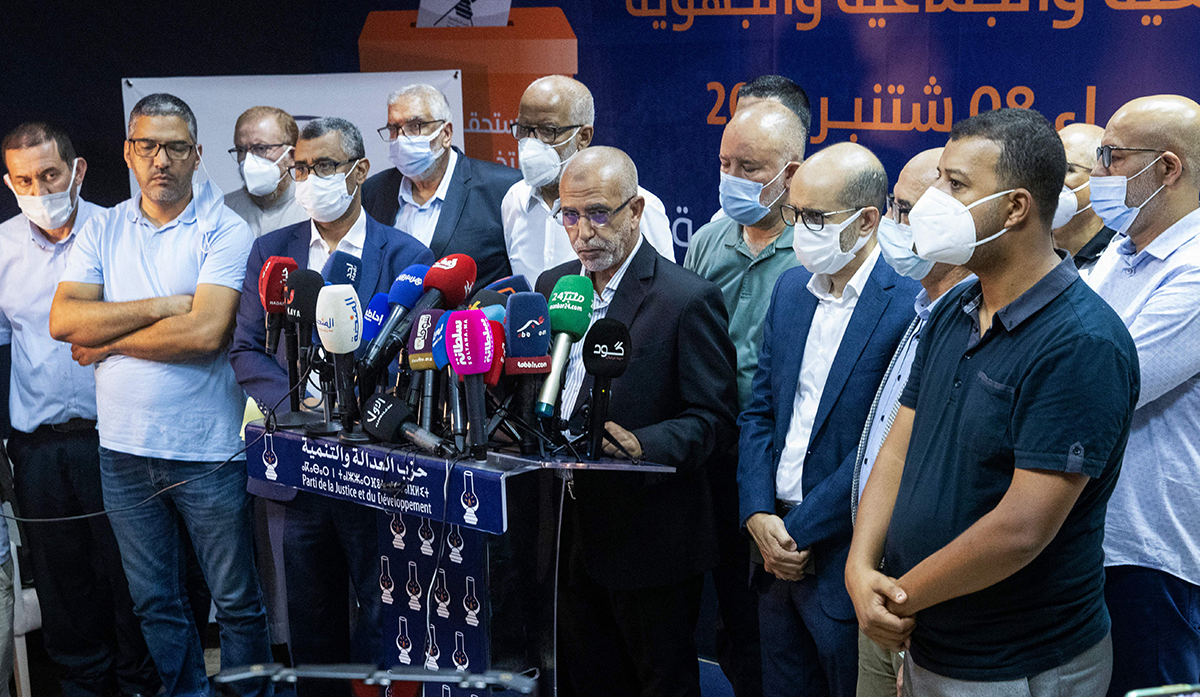
Maati Monjib and Rachid Aourraz join guest host Intissar Fakir to discuss the results of Morocco’s Sept. 8 general elections, their context and why they are important, and what they signal about political trends in the country moving forward.
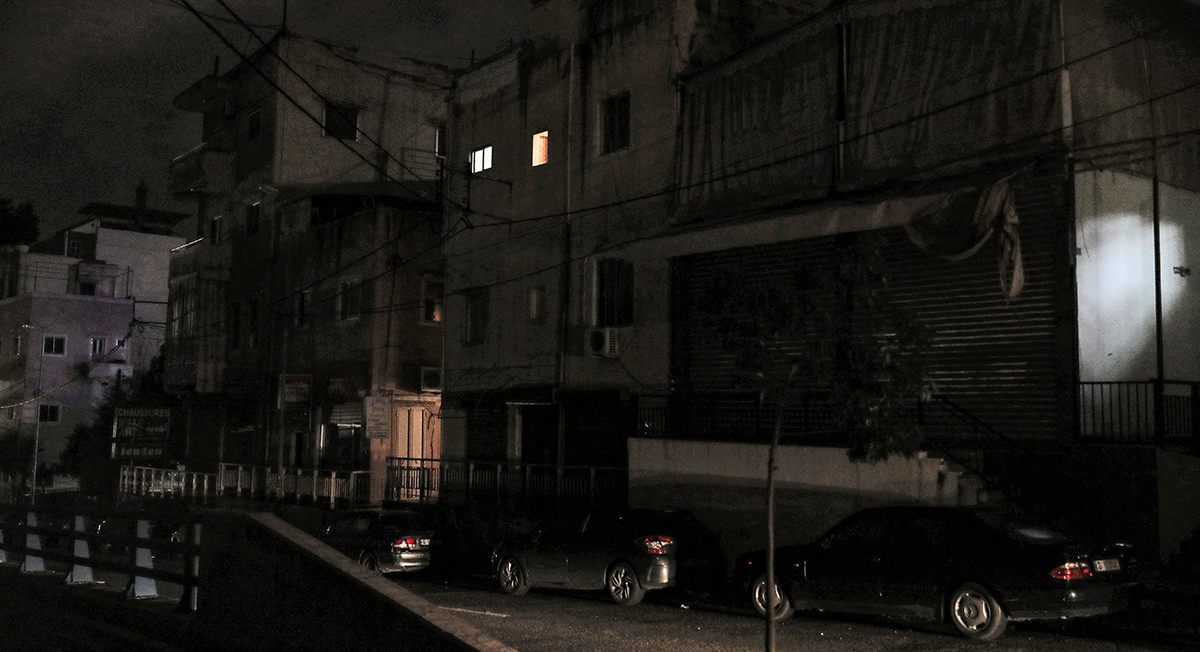
Lebanon’s power crisis is on the agenda, as Arab Gas Pipeline quartet prepares to meet in Amman
These developments come against the backdrop of multiple U.S. hints that Washington is potentially willing to circumvent sanctioning the participating parties under the Caesar Act.
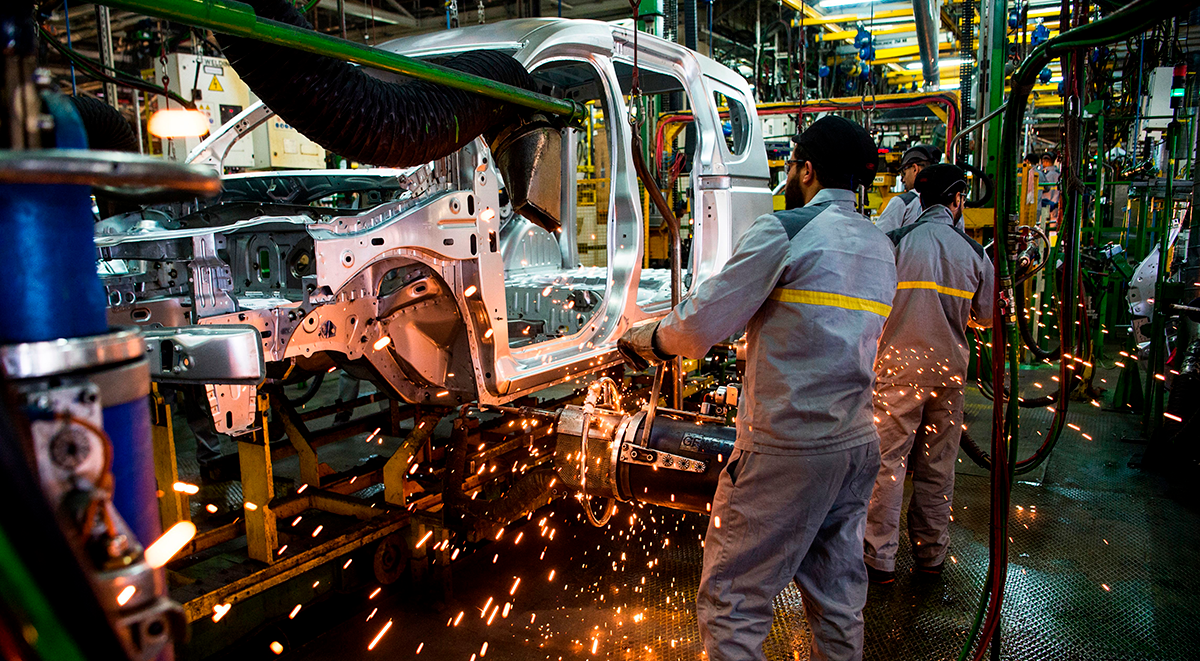
Morocco's “first in North Africa” electric car production is a European manufacturing gain over China
In an automotive first for North Africa, German automaker Opel will soon begin producing electric cars in Morocco. Opel’s electric car manufacturing in Kénitra leapfrogs China’s plan to build electric cars in Egypt, giving Morocco’s automotive industry an important first-mover advantage. The move also represents a strategic gain for European automotive manufacturing over China. As a gateway to West Africa, Morocco provides Opel and its parent company Stellantis a nearby production base for the eventual cost-effective export of electric vehicles to rapidly expanding markets in Sub-Saharan Africa.
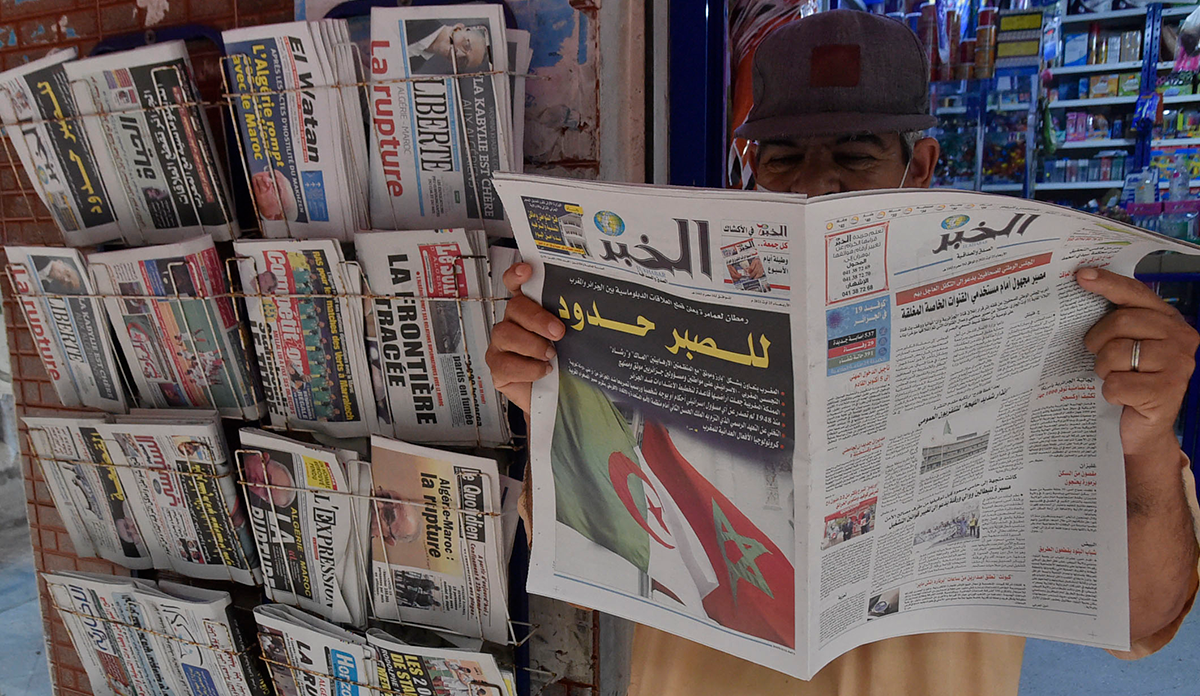
What’s driving the escalating tensions between Algeria and Morocco?
On Aug. 24 Algeria broke off its already minimal bilateral relations with Morocco, declaring this was due to the kingdom’s “hostile actions” and accusing it of involvement in the wildfires that struck the Kabylia region earlier that month. The heightened tension between the two countries brings into focus regional uncertainty and may spell the end of their limited collaboration in the energy sector.