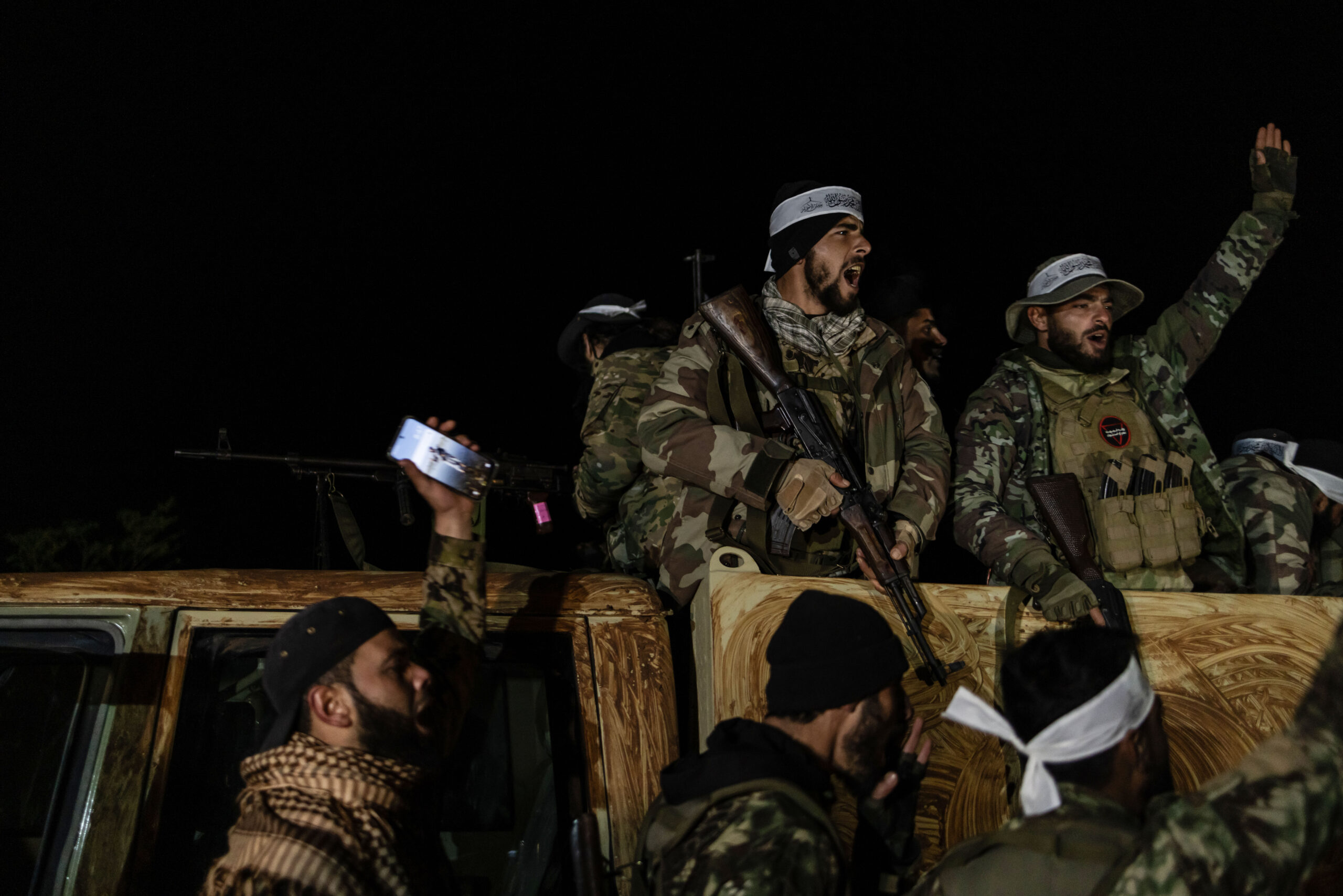
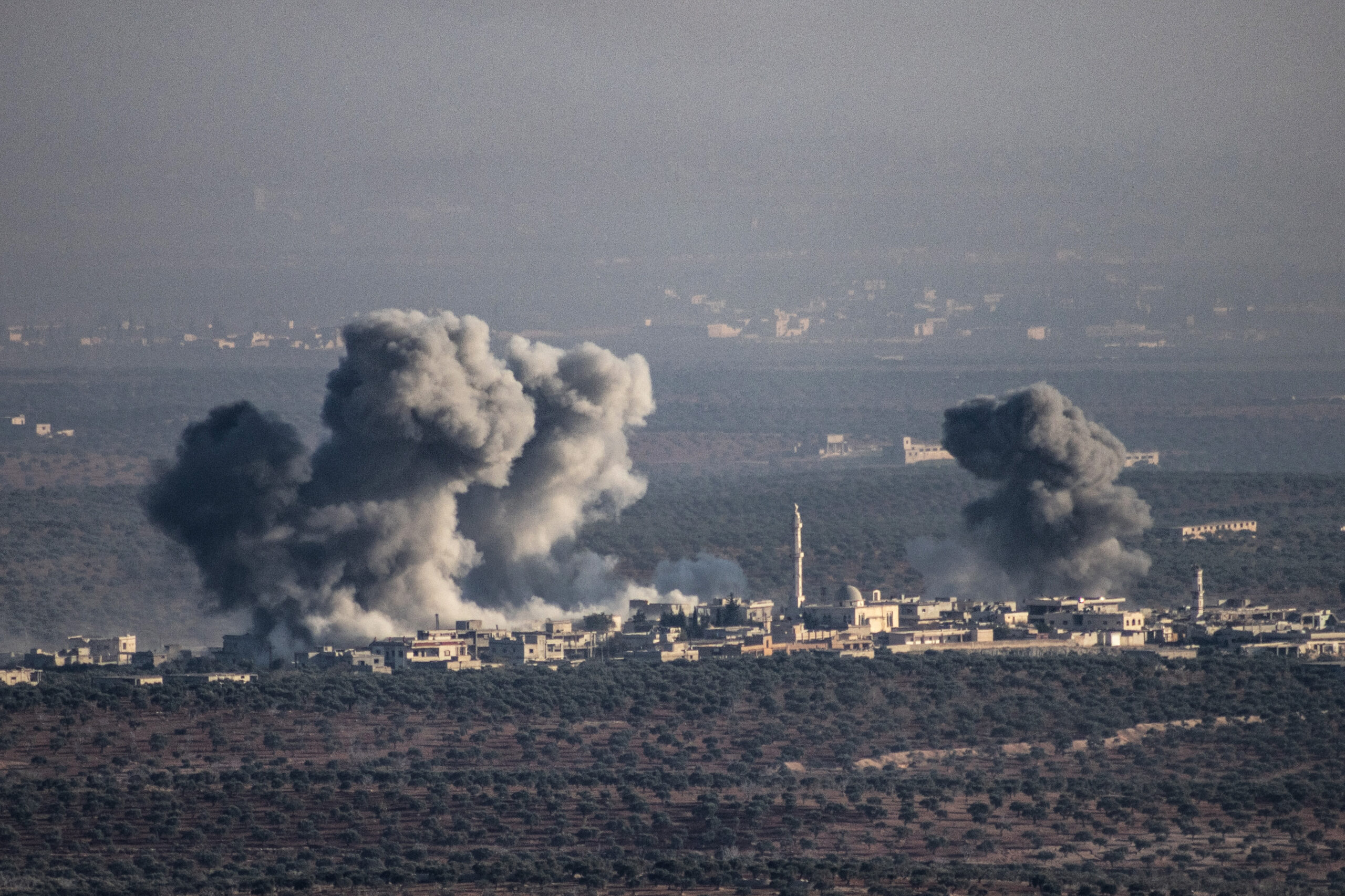
In only six days, a broad coalition of advancing opposition forces coordinated by Hayat Tahrir al-Sham has captured all of Idlib province, almost all of Aleppo province, and a sizeable stretch of northern Hama — a humiliating defeat for Bashar al-Assad and illustrative of the fragility of regime rule in Syria.
Since March 2020, Syria’s conflict lines have been frozen, as Russia, Turkey, Iran and the United States held together a series of ceasefires and security understandings. That all changed this week, when a broad coalition of armed opposition groups launched a surprise and daring offensive west of Aleppo city.
Dilemma for Joe Biden in dying days of his presidency
As they sweep across northern Syria, the advancing rebels are posing fundamental questions not just for the regime of Bashar al-Assad, but for watching neighbours and Western leaders.
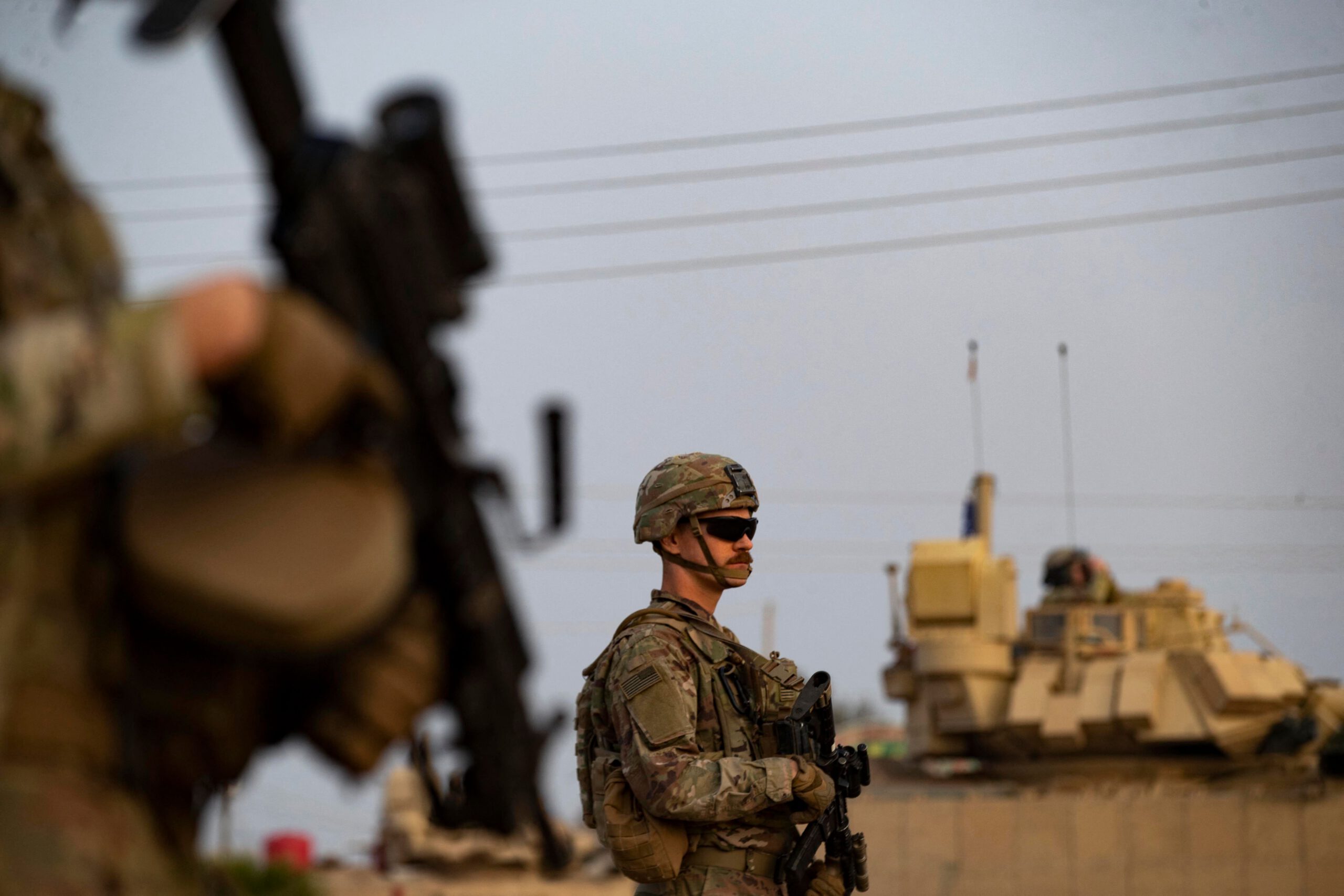
To abandon the Syria mission now would bring no meaningful benefit to the US, but it would swiftly and significantly empower America’s adversaries, like ISIS, Iran, Russia, and Assad’s regime.
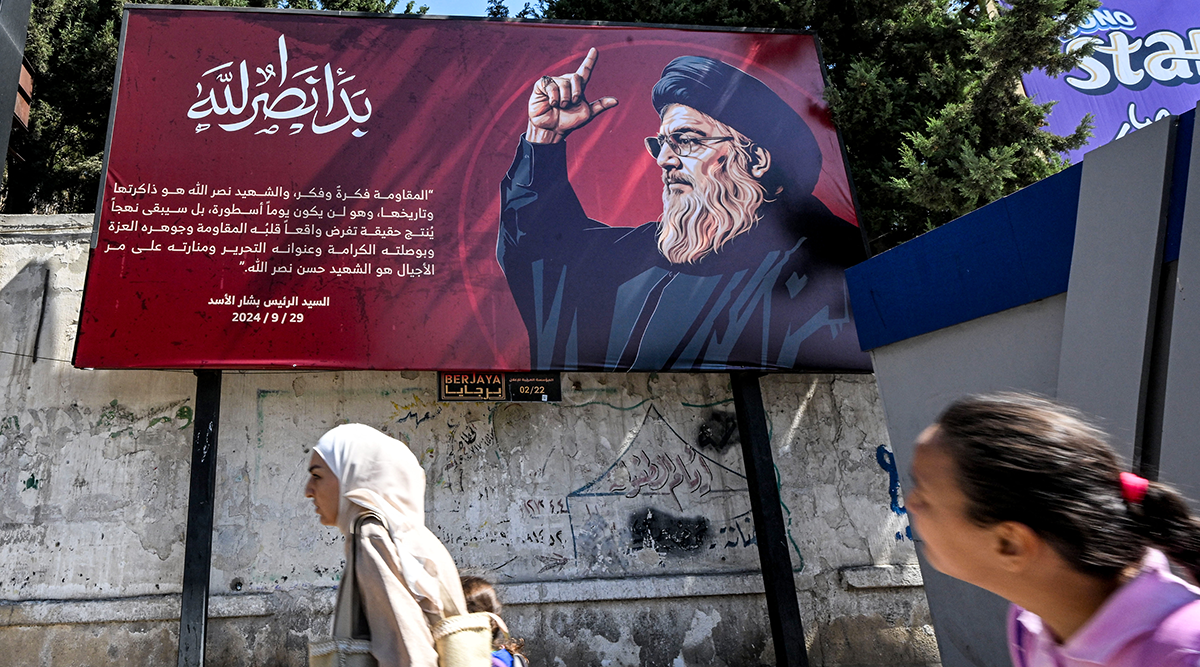
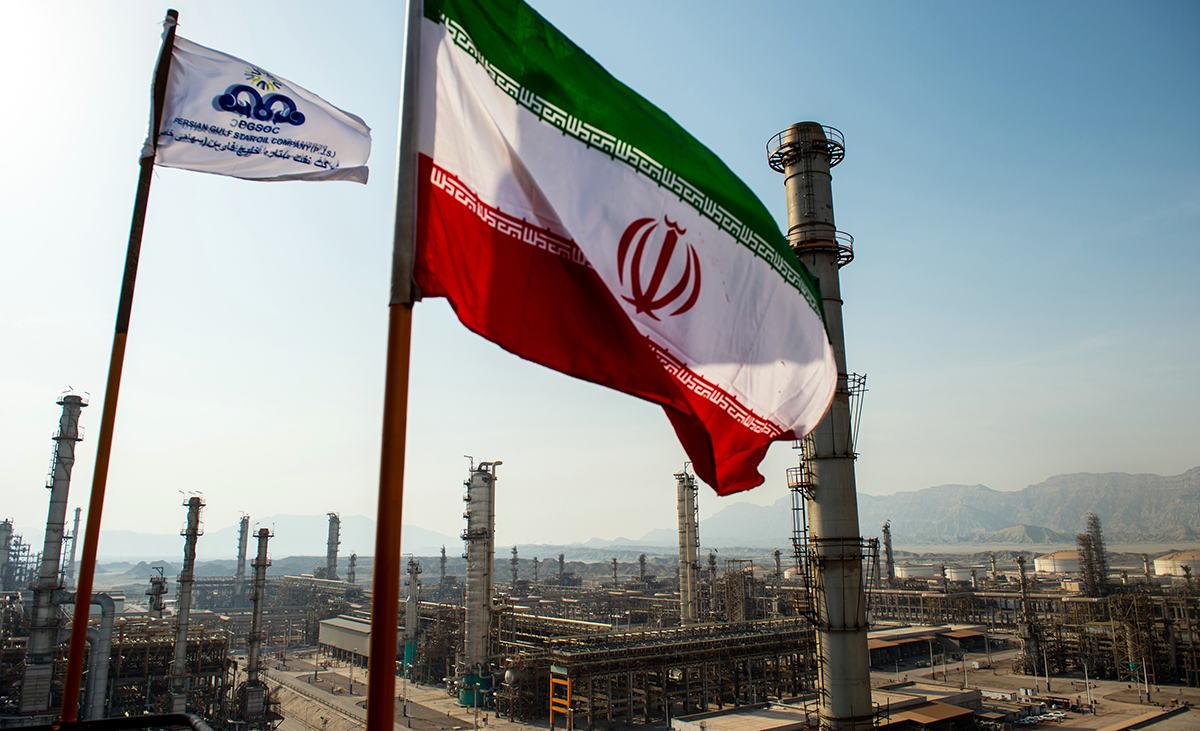
The Middle East has experienced an extraordinarily tumultuous year, as the ripples from Hamas’ assault on Israel on Oct. 7, 2023, continue to fuel hostilities in Palestine, Lebanon, Syria, Iraq, Yemen, and the waters of the Gulf. Amid all of this, Syria has received very little attention, despite its central role in Iran’s regional agenda. Now the Biden administration is reportedly “hopeful” that Bashar al-Assad will soon permanently block Iran’s ability to support Hezbollah in Lebanon and is postured to reward Damascus for doing so. At best, such calculations should be described as optimistic; at worst, fanciful.
Early recovery and rehabilitation in regime-controlled areas of Syria: An assessment
The following is a short abstract, offering the main analytical findings and policy takeaways from a newly released Middle East Institute report on post-war reconstruction in Syria.
Inside Damascus’s Reconstruction Lab: Navigating the Framework of Return and Recovery
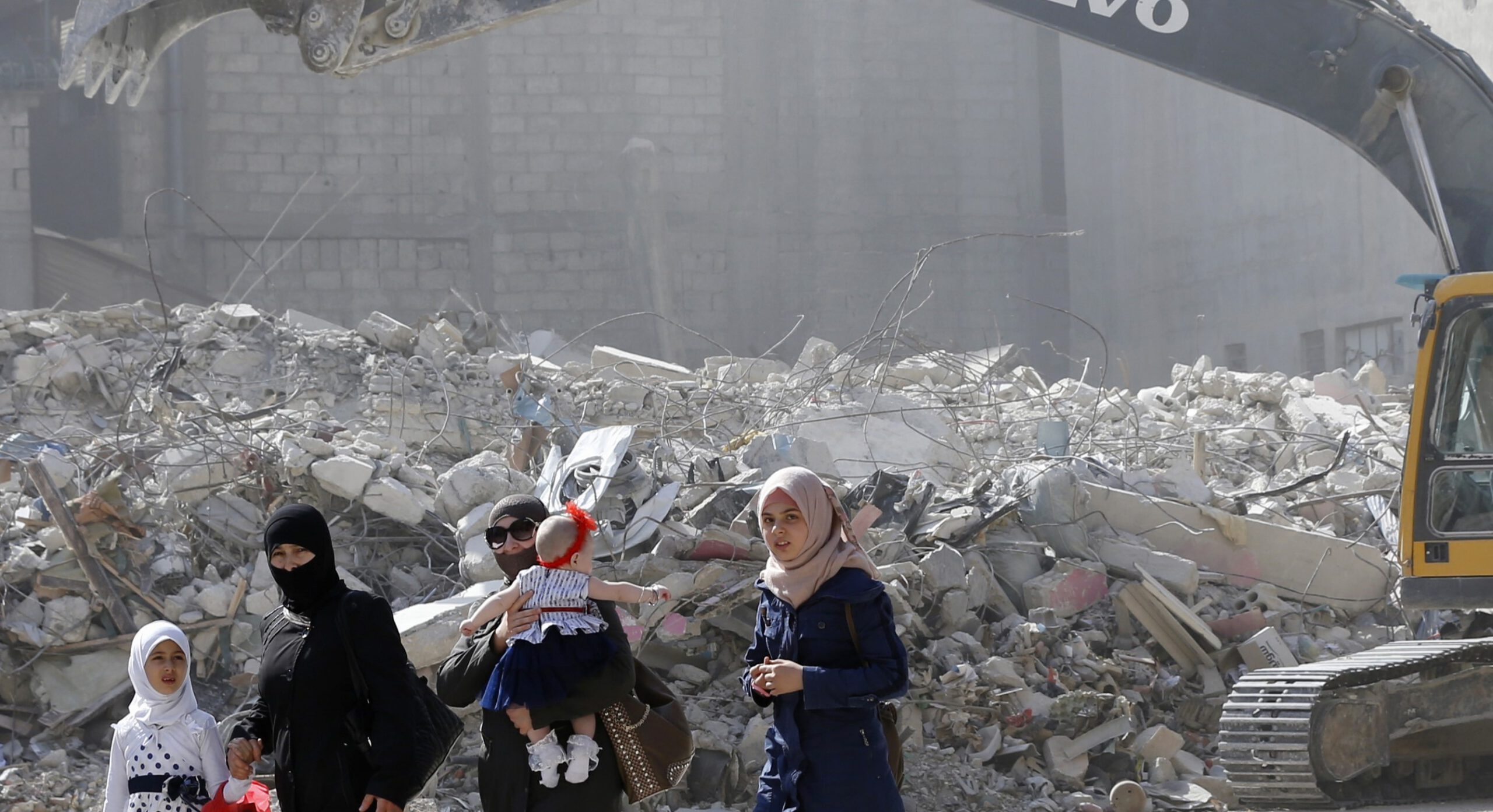
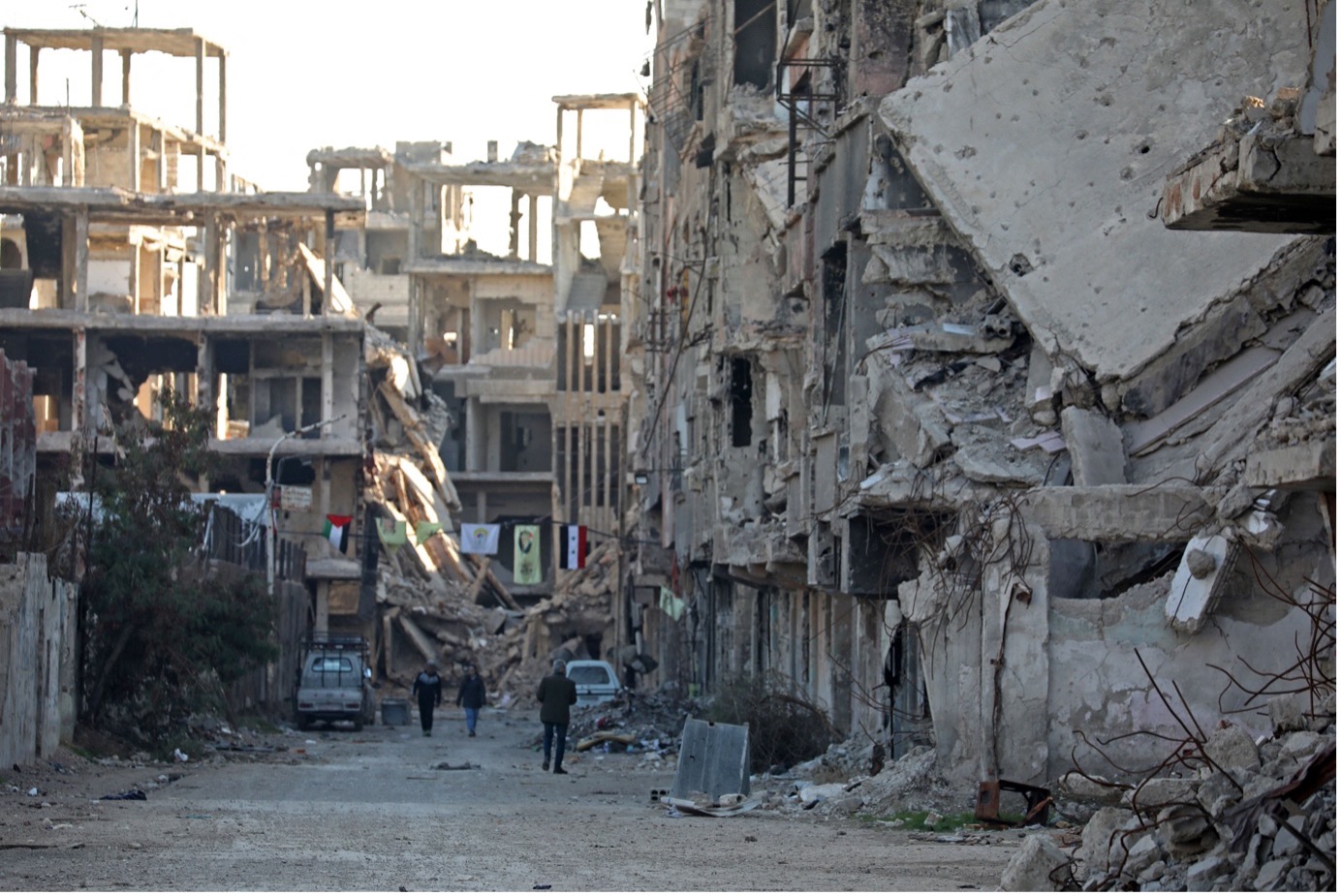
Since the end of the civil war in Syria, government officials have inaugurated high-end tourist projects and upscale urban housing schemes, while at the same time preventing Syrian refugees and internally displaced persons from returning to their ruined neighborhoods or rebuilding their demolished homes. The focus on luxury housing in a country devastated by conflict and within a city suffering from massive destruction and housing shortages encapsulates the contradictions of the regime’s policy for reconstruction and early recovery not only in Damascus but in the whole country.
Assad’s economic fragility exposed by Israel’s war on Lebanon
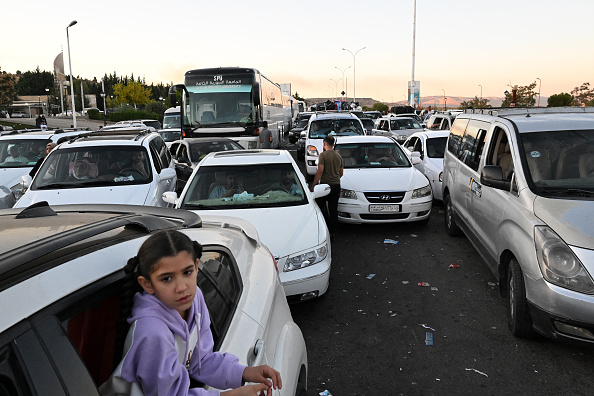
Israel’s escalation of its military campaign against Hezbollah in Lebanon has severely disrupted the cross-border flow of goods into Syria that have long served as a critical lifeline for Damascus. These interruptions have worsened existing shortages, triggering sharp increases in the prices of essential commodities for Syrian who were already struggling economically.
Over the past month, Iran and its regional network of allies and proxies – The Axis of Resistance – has suffered a string of dramatic losses and defeats. What is the future of the Axis and its members, and what can the US and its allies do to confront and disrupt this Iranian-led network?
Director of MEI’s Arabian Peninsula Program Gerald Feierstein speaks to scholars Nadwa Al-Dawsari and Fatima Abo Alasrar as they reflect on the tenth anniversary of Yemen’s civil war.
It’s been ten years since the Houthis seized control of the capital of Sanaa, beginning a cycle of fighting that continues on and off to this day. What happened, what is the current state of the conflict, and where might the country be headed?
The two leading presidential candidates in America’s 2024 election have made statements and established track records on the Middle East based on their time in office. This document aims to highlight the most important and reliable positions staked out by former President Donald Trump and current Vice President Kamala Harris.