Weekly Briefing: Following Israeli counterstrike on Iran, region appears to pull back from the brink
Read MEI’s weekly briefing featuring expert analysis of key regional developments for the week ahead.
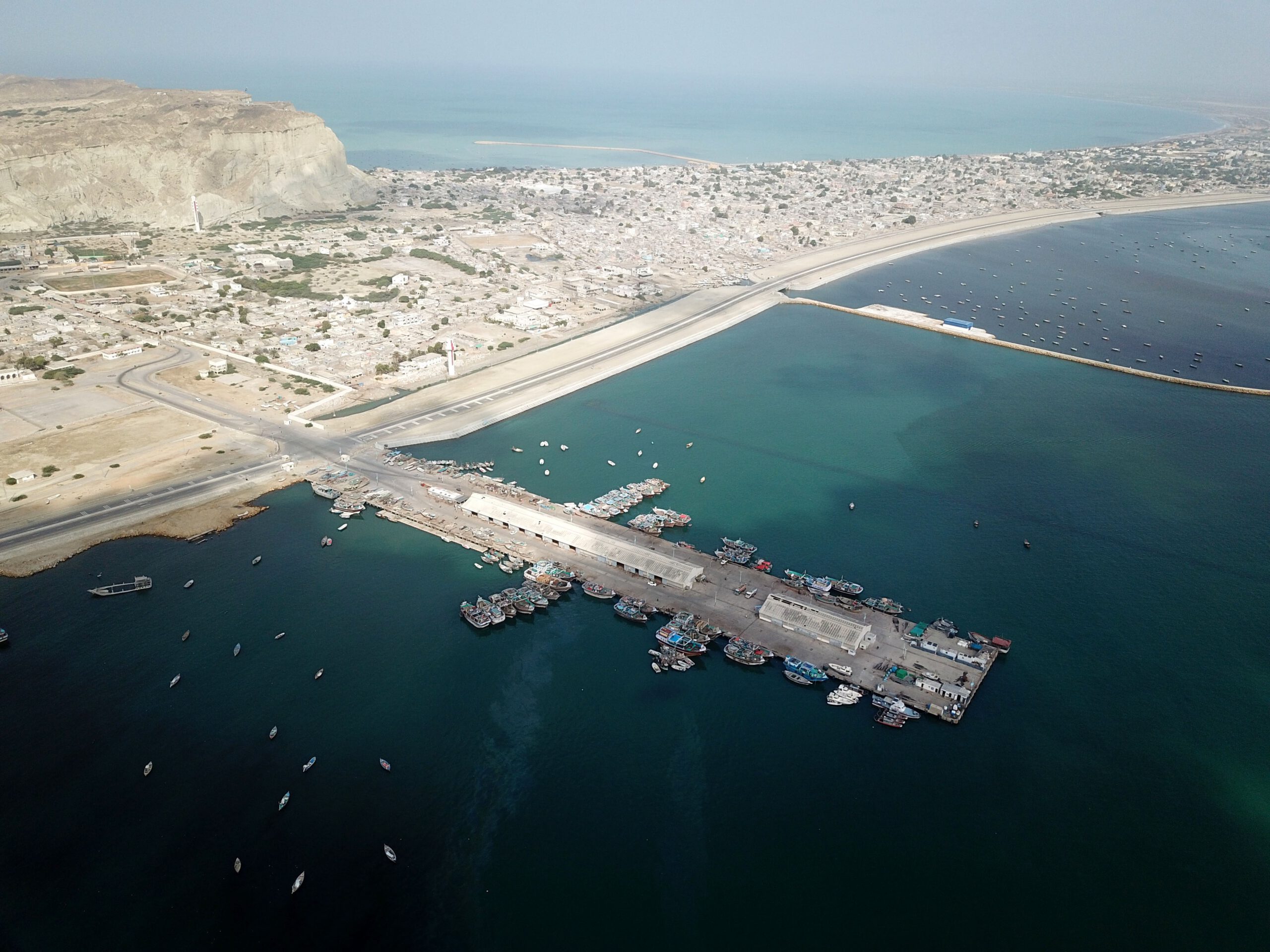
The strategic alliance between Pakistan and China, driven largely by opportunism and geostrategic interests, seems unshakable. However, the extent of its mutual benefit remains under scrutiny, especially for Islamabad, whose reliance on Beijing continues to deepen. Although China claims to base its foreign policy interactions on five key principles — respect for sovereignty, non-aggression, non-interference, equality and mutual benefit, and peaceful coexistence — its dealings with Pakistan indicate an unequal power dynamic that primarily serves its own interests. This imbalance in the Pakistan-China strategic alliance has led to a situation in which Islamabad’s autonomy is increasingly curtailed, and its vulnerability to Beijing’s influence is becoming more apparent.
Expert regional analysis by MEI scholars and contributors.
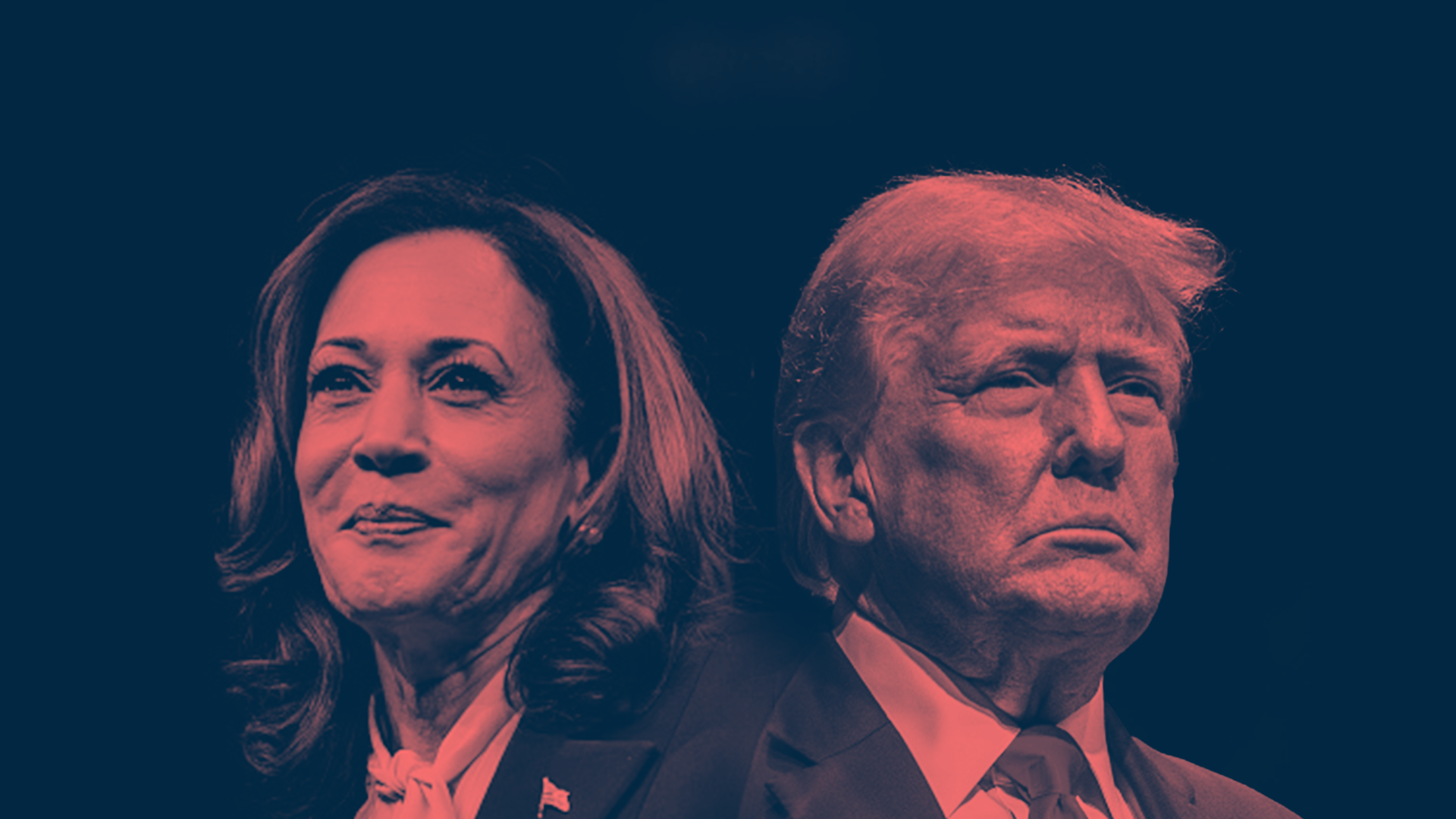
The two leading presidential candidates in America’s 2024 election have made statements and established track records on the Middle East based on their time in office. This document aims to highlight the most important and reliable positions staked out by former President Donald Trump and current Vice President Kamala Harris.
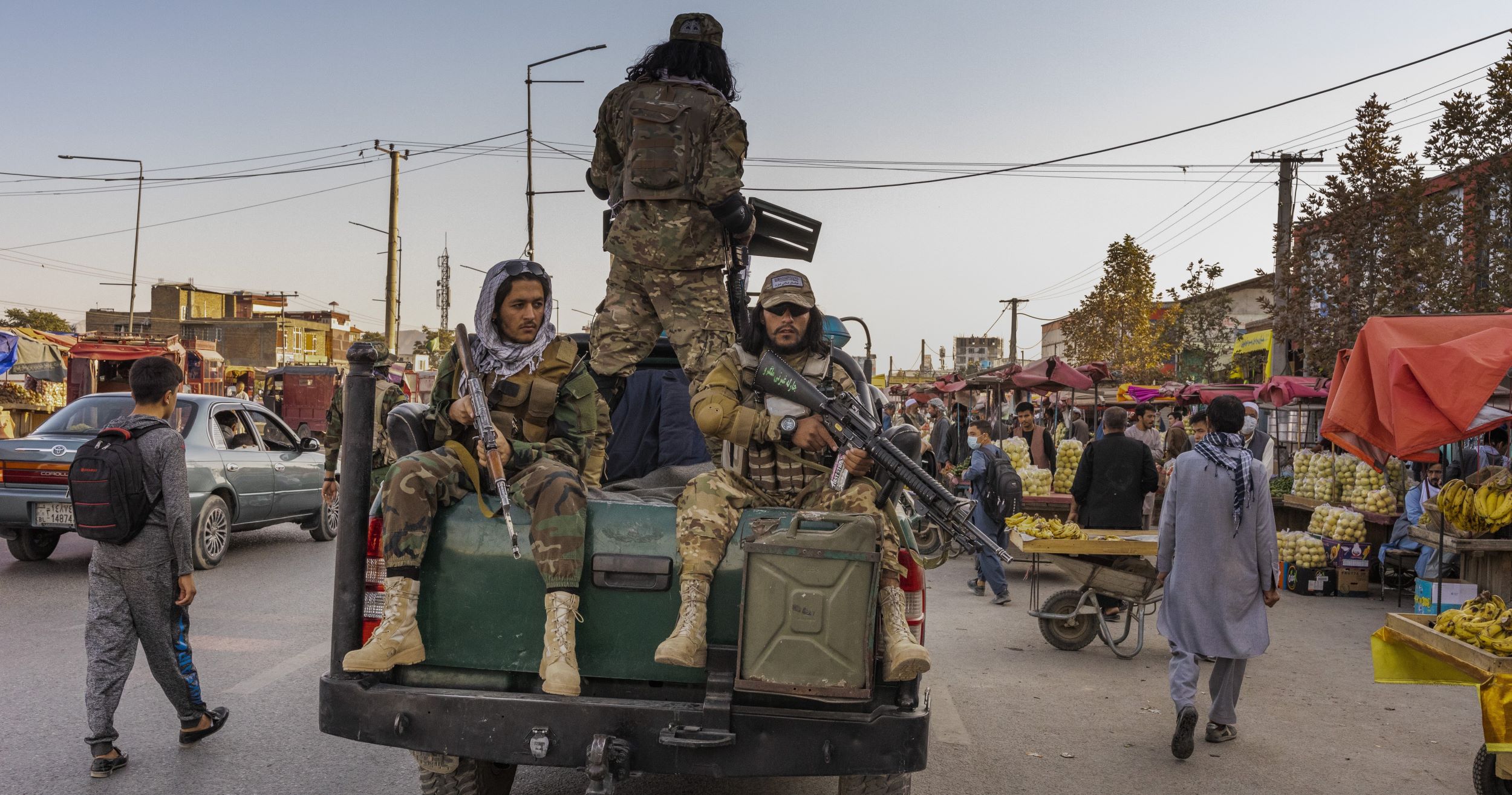
Three years since the US and allied withdrawal from Afghanistan, the facts on the ground challenge some more optimistic depictions of the Taliban’s counterterrorism cooperation with the US, al-Qaeda’s reemergence, or the capacity of ISKP to direct external attacks that could threaten American interests.
Expert regional analysis by MEI scholars and contributors.
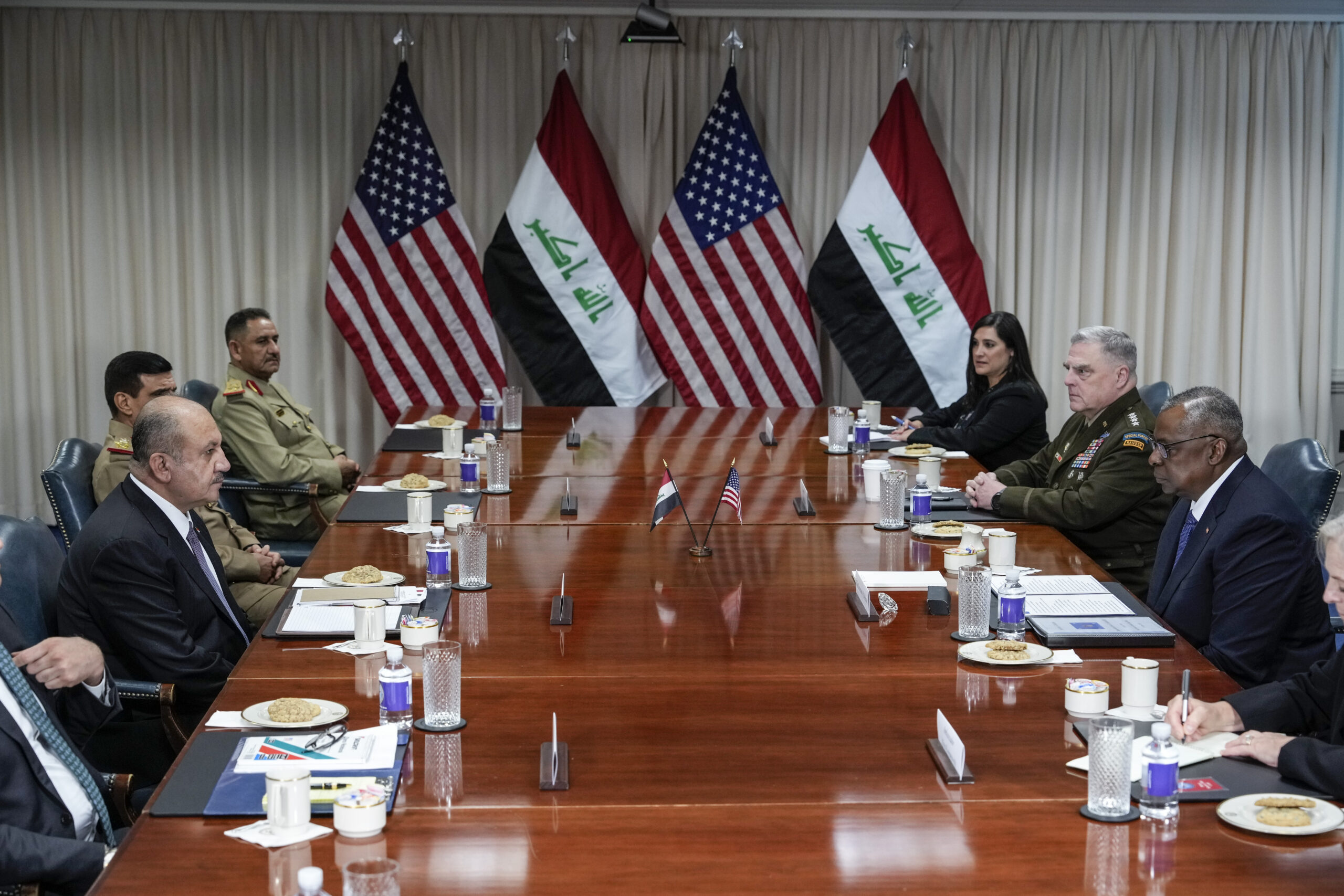
After more than six months of talks, the United States and Iraq look set to announce a significant agreement stipulating that the U.S.-led anti-Islamic State coalition will withdraw entirely from the country over the next two years.
Shiraz Maher – Co-Director of the International Centre for the Study of Radicalisation (ICSR) – and Charles Lister – Director of MEI’s Syria and Countering Terrorism and Extremism Programs – speak to MEI Editor in Chief Alistair Taylor about ISIS and the detainee dilemma. What is the international community to do with the tens of thousands of foreign ISIS detainees and their families, including children, held in makeshift facilities in northeastern Syria under the control of the Syrian Democratic Forces?
A reflection on the state of conflict and political change in the Levant by Middle East Institute’s Vice President for International Engagement.
It is ironic that Pakistan and Israel are both countries created in the name of religion, at around the same time, and yet they have no formal relations. While Pakistan’s animosity toward Israel is rooted in the displacement of Palestinians, it has also served as a means of burnishing the country’s credentials within the community of Muslim nations and pushing back against India, which maintains increasingly close ties with Israel.
Expert regional analysis by MEI scholars and contributors.
Read MEI’s weekly briefing featuring expert analysis of key regional developments for the week ahead.
Hamas’ Oct. 7 attack touched off a destructive war with Israel and a limited but fierce regional conflagration between Israel and the Iran-led “Axis of Resistance,” with Lebanese Hezbollah at the forefront. The ongoing conflict has been multi-fronted, multi-faceted, dynamic, and already highly consequential. While a clear bottom line remains elusive, exploring the war’s primary origins and evolution offers useful indicators.
On this week’s episode, Director of MEI’s Syria and Countering Terrorism and Extremism Programs Charles Lister speaks with MEI Editor-in-Chief Alistair Taylor on the resurgence of the Islamic State, or ISIS, in Syria and Iraq. This episode is the first in a several-part series looking at where the terrorist group stands today and its international footprint 10 years on from the founding of the 87-country Global Coalition to Defeat ISIS.