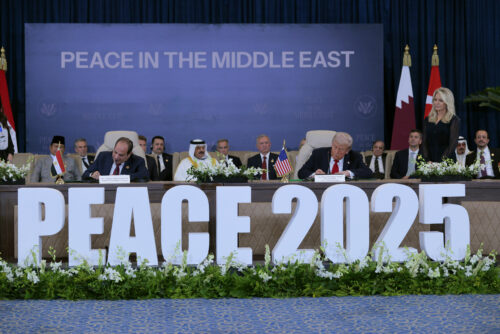
The October 2025 cease-fire and hostage-release deal that ended the Israel-Hamas conflict marks the beginning of a complicated post-war phase. The agreement has created important opportunities to advance stability in the Middle East and build a lasting and sustainable peace marked by enhanced regional security and integration, but there are considerable risks to manage. Achieving these goals will require coordinated international action along multiple lines of effort: security, rule of law, recovery and reconstruction, responsive governance, and steady and focused diplomacy to build confidence among key parties.
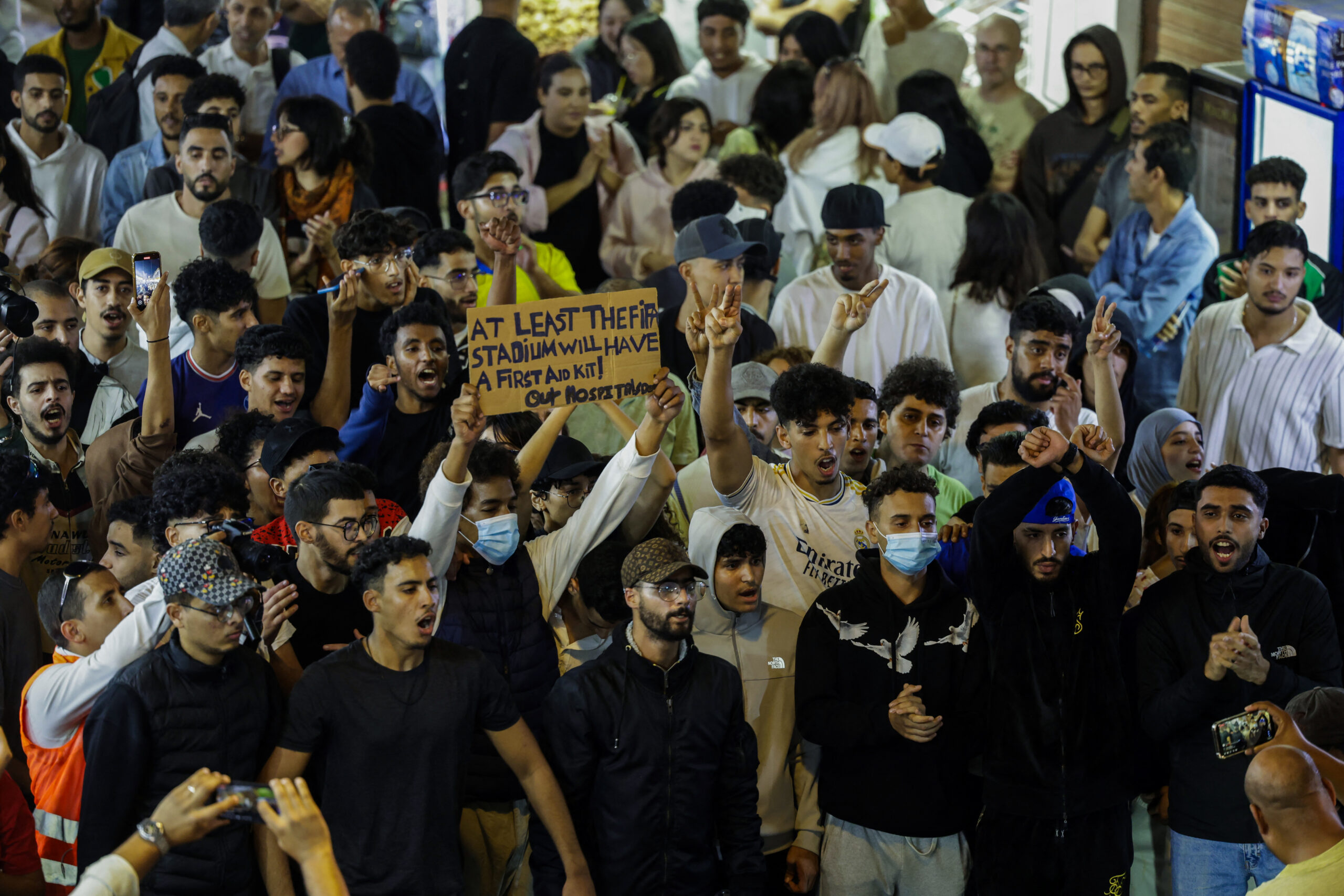
Moroccan youth angrily protest government’s failed development promises
Hundreds of young Moroccans are protesting across 11 cities since September 27 under the banner “GenZ 212.” The central trigger behind the demonstrations has been a deep popular frustration with Morocco’s persistent inability to deliver on its development plans and promises. This sort of broad disaffection will be challenging for the government to address quickly and credibly.
Once hailed as a rare democracy in the Middle East, Lebanon has now slipped into the ranks of closed autocracies. Decades of corruption, sectarian rule, and foreign meddling have left the country reeling — and the past year brought assassinations, mass displacement, and Israel’s full-scale war against Hezbollah in the south. With its economy in free fall and its political system on life support, Lebanon stands at a crossroads: could shifts in regional power, efforts to disarm Hezbollah, and a change in leadership pave the way for recovery, or will instability deepen?
Lebanon and the UNIFIL Mandate: Disarming Hizballah and Reclaiming Sovereignty
With its new government at the half-year mark and the UNIFIL international peacekeeping force’s mandate due for reauthorization at month’s end, Lebanon stands at a pivotal moment. In this episode of Middle East Focus, hosts Alistair Taylor and Matthew Czekaj are joined by MEI Senior Fellow Fadi Nicholas Nassar to evaluate whether the Lebanese state can reclaim its sovereignty, starting with the disarmament of Hizballah and the enforcement of a cease-fire.
President Masoud Pezeshkian’s first year in office has been defined by Iran’s familiar political structural constraints, external crises, and a moderate-reformist base forever frustrated with his cautious pragmatism and unfulfilled promises. His July 2024 election was undeniably a setback for hardliners. Yet one year later, the assessment is sobering: While Pezeshkian has in some ways perhaps helped in slowing the hardline march, he has not made any fundamental difference in how the Islamic Republic is run. Every decision requires second-guessing Supreme Leader Ali Khamenei’s next move, and even as a president boxed in by the system with limited powers, he is constantly under the sword of Damocles.
Egypt and Gaza: Conflict, Crisis, and the Path to a Ceasefire
With the dire humanitarian crisis in Gaza in the global spotlight, Egypt faces mounting pressure both at home and abroad. In this episode of Middle East Focus, hosts Alistair Taylor and Matthew Czekaj speak with MEI Senior Fellow Mirette Mabrouk about how Cairo is handling the crisis in the neighboring coastal strip. What are the Egyptian government’s main concerns as conditions there continue to deteriorate? How is Egypt responding to domestic outrage and changing international dynamics?
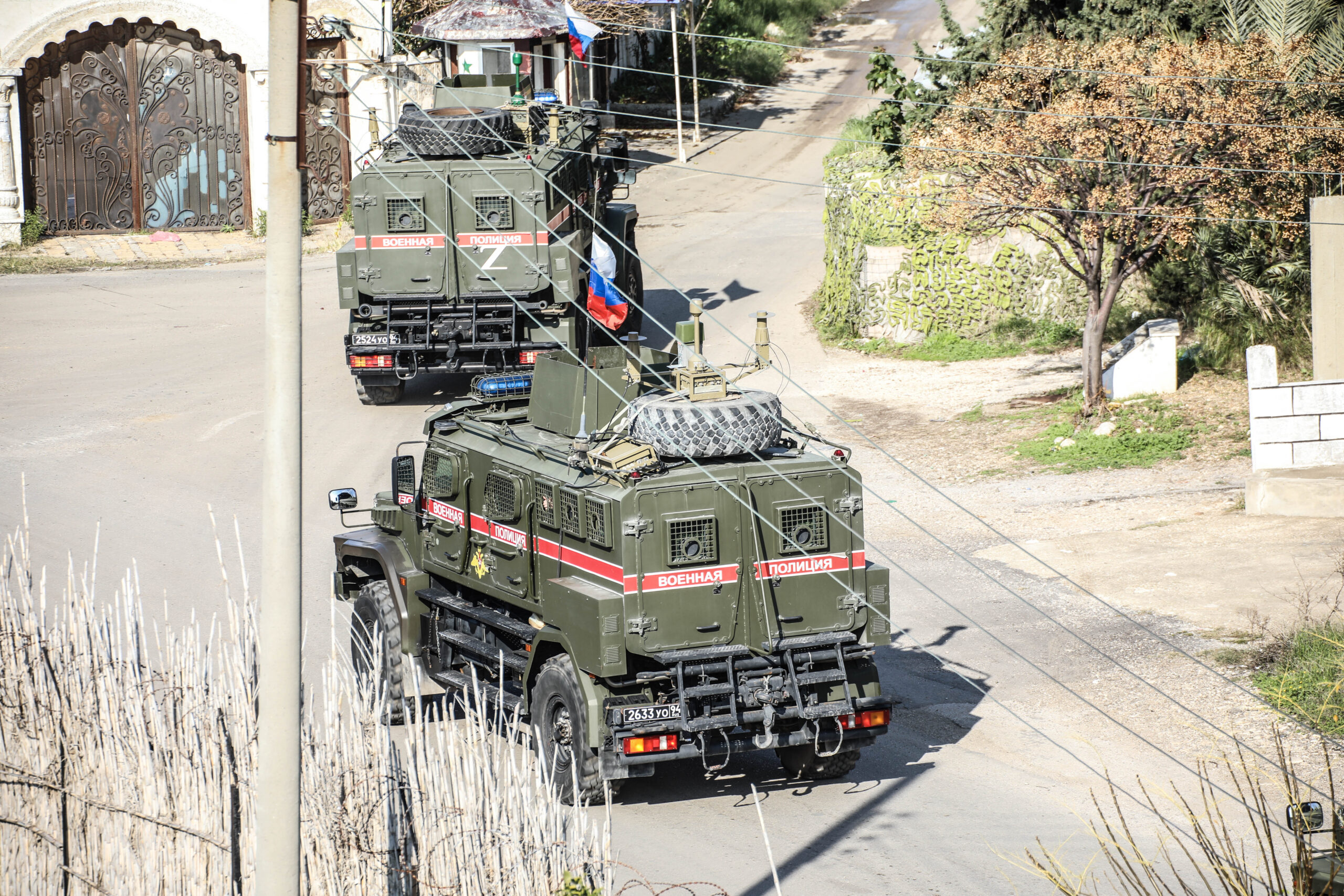
Russia’s military presence in post-Assad Syria: A growing security liability undermining stability
Six months since the collapse of the Assad regime, the Russian military presence in Syria has remained entrenched in strategic locations such as the Hmeimim airbase and Tartous port on the coast, as well as at Qamishli airport in the northeast. This persistence has reignited an increasingly pressing debate about Moscow’s role in the new Syria.
Syria After Assad: Transitional Justice, Governance, and the Road Ahead
With Bashar al-Assad ousted and Syria entering a new political chapter, what comes next for a country ravaged by war, repression, and sectarian divisions? Gonul Tol speaks with Steven Heydemann (Smith College) and Radwan Ziadeh (Arab Center Washington DC) about the challenges of transitional justice, prospects for democratic reform, and the role of Syria’s new de facto leader, Ahmed al-Sharah. Can a centralized government model provide inclusive governance? What kind of support—or interference—should Syrians expect from foreign powers?
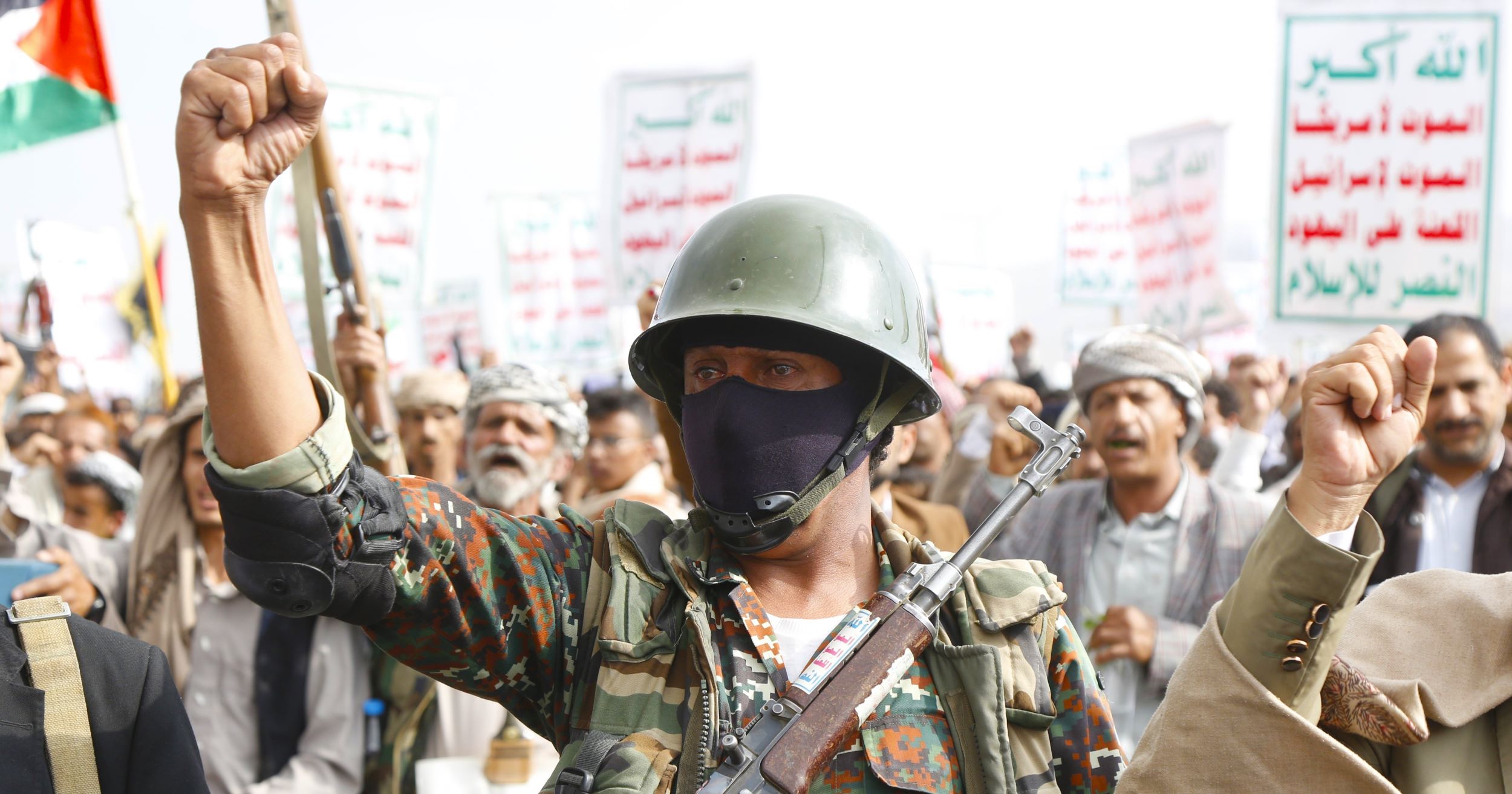
The balance of power in Yemen after the US-Houthi cease-fire
The May 6 cease-fire between the United States and the Houthi militia in Yemen has had a consolidating effect on the balance of power inside the war-torn state and hardened the status quo of the country’s civil war. In turn, the outcome of Israel and Iran’s subsequent 12-day war has the potential to temporarily shake up this status quo once again; but Yemen’s fracturing anti-Houthi coalition is unlikely to be able to exploit that opportunity.
Lebanon at a Crossroads: Sovereignty, Hizballah's Disarmament, and the Road to Reform
MEI Senior Fellow Paul Salem joins the program to assess Lebanon’s rapidly shifting political landscape. With a new president and government promising to enact reforms and reassert sovereignty, Lebanon faces a daunting agenda: disarming Hizballah, rebuilding institutions, navigating regional diplomacy, and restoring the economy.
Building Syria’s new army: Future plans and the challenges ahead
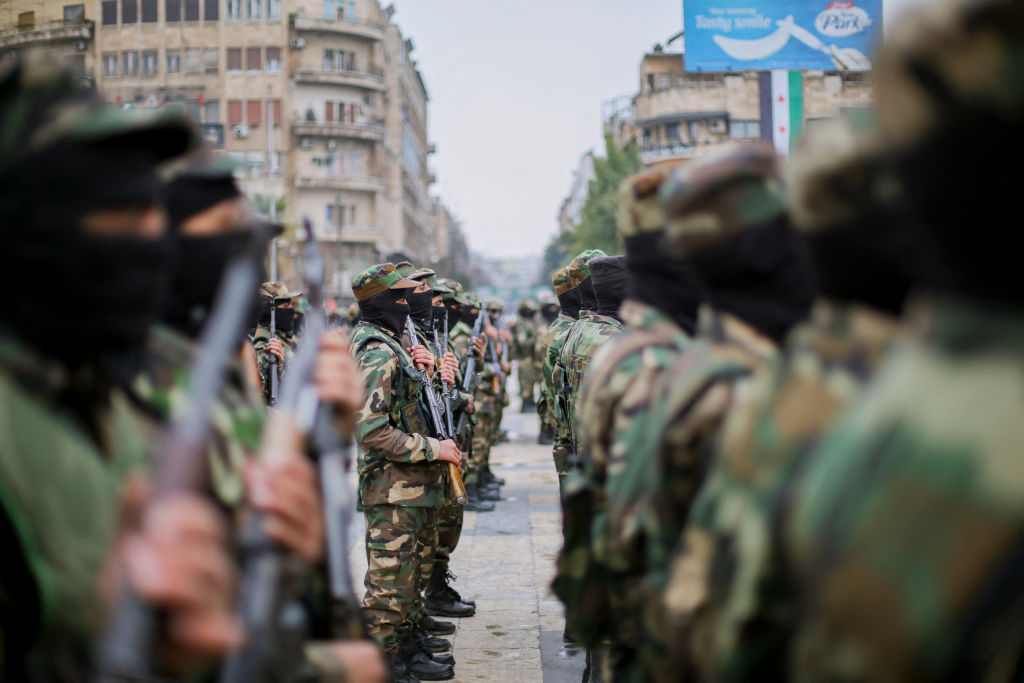
Following the fall of Bashar al-Assad’s regime on Dec. 8, 2024, after the rebel military operation “Deterrence of Aggression” and the establishment of a transitional government, Ahmed al-Sharaa, Syria’s interim president, quickly began working to form a unified national army, dismantle the existing factions, and centralize all weapons under the authority of the state in an effort to address one of the most pressing challenges facing his administration. While several initial moves have been completed, important steps in this complicated process are still pending. This article highlights the current developments surrounding the formation of the new army, including progress achieved to date and key challenges going forward.
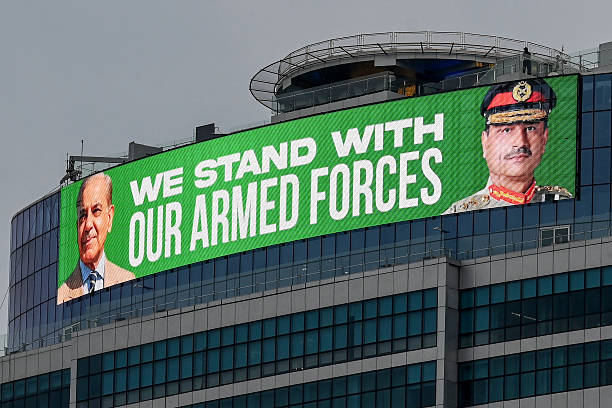
The recent elevation of Gen. Asim Munir to the rank of field marshal is a thunderous declaration of the Pakistani military’s unassailable supremacy, a gesture that reverberates far beyond the barbed-wire perimeters of the Army’s General Headquarters in Rawalpindi.
Syria Looks to a Future Unburdened from US Sanctions
MEI Senior Fellow Charles Lister joins hosts Alistair Taylor and Matthew Czekaj to discuss the Trump administration’s dramatic reversal of four decades of US policy toward Syria. Following President Trump’s May 2025 meeting with Syrian President Ahmad al-Sharaa and the issuance of a new general license and 180-day waiver of Caesar Act sanctions, the episode explores the implications of this policy shift. What does this mean for Syria’s recovery and reconstruction? How are regional actors like Turkey, Israel, and the Gulf states responding?
The Damascus-SDF agreement two months on: Fragile progress or delayed collapse?
On March 10, 2025, Ahmed al-Sharaa, the president of Syria, and Mazloum Abdi, the commander-in-chief of the Syrian Democratic Forces, signed a historic agreement, ending a long-running divide between Damascus and the Democratic Autonomous Administration of North and East Syria. Now, two months after the deal was signed, how far has it progressed, and what are the main obstacles and disputes between the parties during this transitional phase?
It’s time to end the EU’s Assad-era sanctions on Syria
As the EU prepares for its annual review of sanctions imposed on Syria, it faces a moment of reckoning — an opportunity to demonstrate whether its policies not only continue to be principled and legal, but also in line with its strategic interests. They no longer serve the purpose for which they were designed, and the EU should let the entire sanctions regime on Syria collapse unconditionally and immediately.