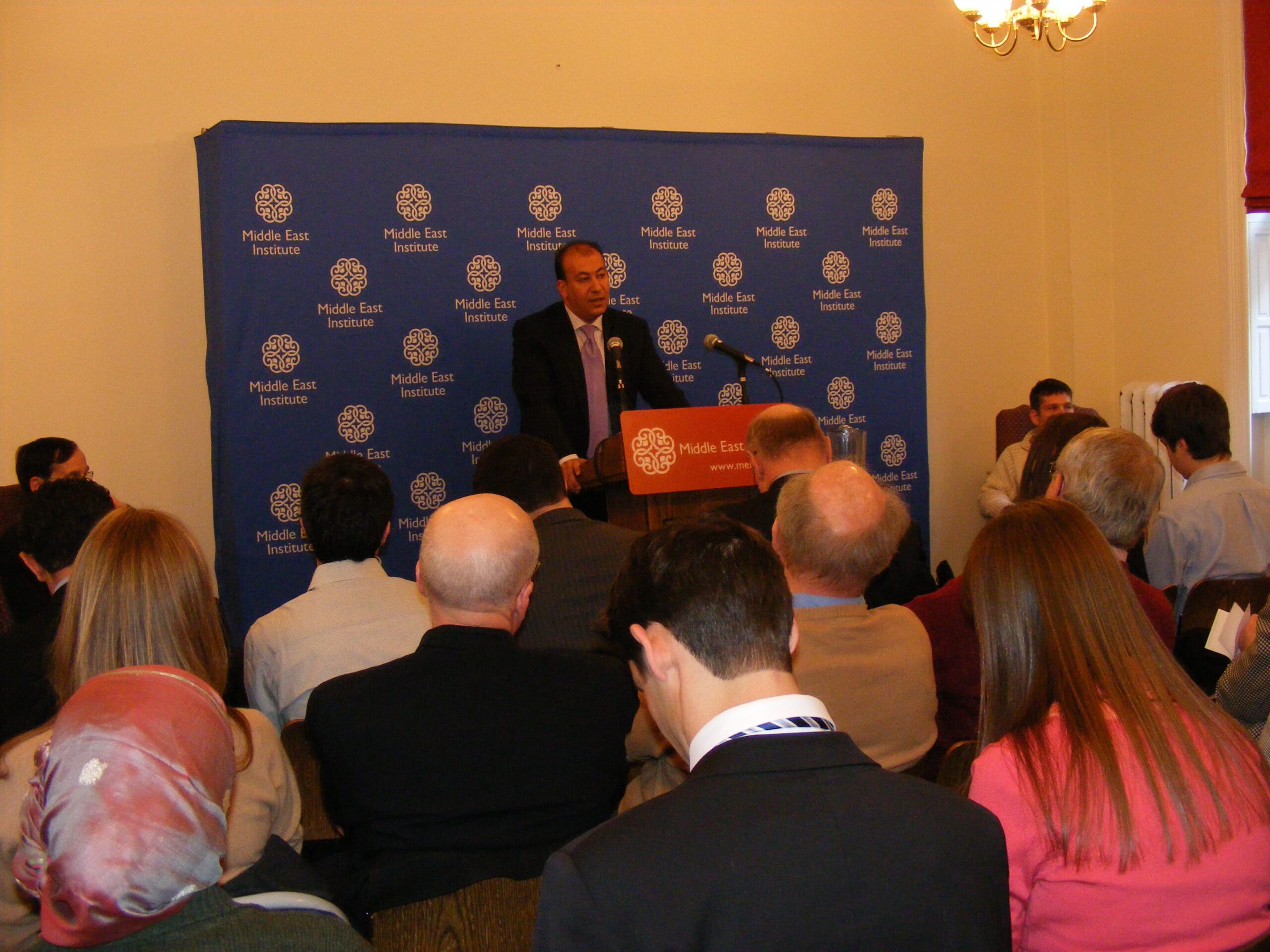
Dr. George Gavrilis of the Hollings Center for International Dialogue will serve as the discussant. The talk will focus on Younis's recent publication in the Turkish Policy Quarterly on the role of Turkey in a changing MENA region and the potential influence it can have on the process of democratization in Egypt. Younis will also share some insights from Gallup's polling in other Arab Spring countries on the public's perceptions of the challenges facing their nations following the uprisings of 2011.
The Russian government, like its counterparts in the West, the Middle East, and elsewhere, was caught off guard by the outburst of Arab uprisings beginning in January 2011 that swept away long-ruling authoritarian regimes in Tunisia, Egypt, Libya, and (it appears) Yemen, and have threatened to topple those in Bahrain and Syria. The response of the Russian government to these events has, like that of Western governments, often been confused and inconsistent. Just as Western governments have done, Moscow has sought to protect its interests in the region.
Introduction to Public Health in the Middle East: Building a Healthy Future
Originally posted September, 2011
The flow of ideas, people, and commerce across national boundaries has been occurring with breathtaking rapidity in the broader Middle East, as elsewhere. These increasingly dense exchanges have generated new threats and vulnerabilities that have tended to impact women, children, and the poorest members of society disproportionately. They also have given people more resources and opportunities with which to shape their lives and their futures.
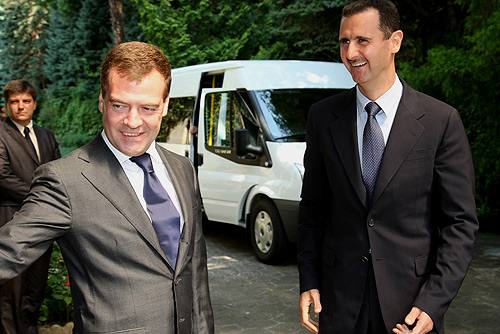
Russia's relations with Syria – even under the Assad regime – have been more troubled than current press accounts of Moscow-Damascus ties indicate. But despite the internal and external opposition to the Assad regime that has risen up over the past year, the Russian government has defended it staunchly via its Security Council veto and other means. In his talk, Mark Katz will discuss why Moscow supports the Assad regime so strongly as well as why it is willing to incur the costs of doing so.
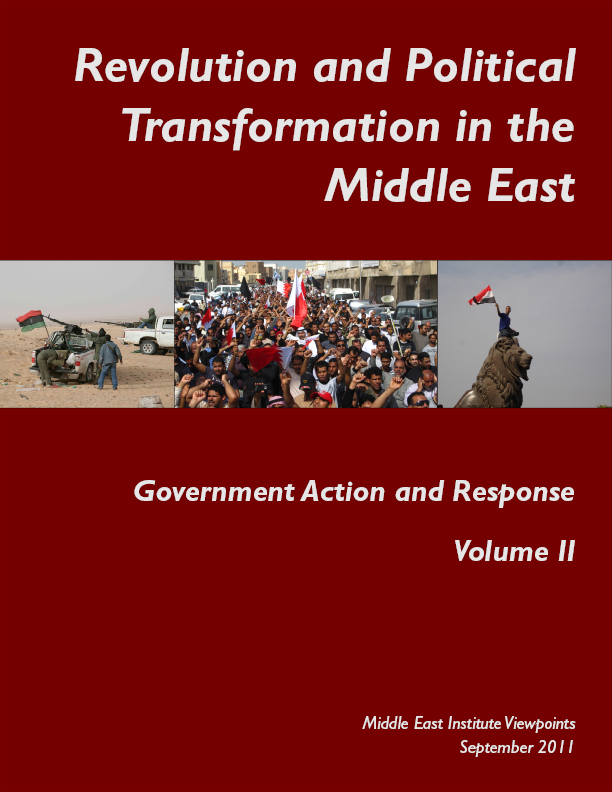
Introduction to Revolution and Political Transformation in the Middle East: Government Action and Response
Originally posted September 2011
On August 21, 2011, rebel forces in Libya rolled into the capital Tripoli, seemingly finishing off months of armed combat and foreign intervention and bringing down yet another Arab head of state. At the same time, sporadic but violent repression of protests in Syria continues, while other states remain calm or have seen their protest movements fizzle. We open this second volume of our series, Revolution and Political Transformation¸ at a time of uncertainty and transition for the region.
Definitive election results are not yet available, but Stacher and Elmenshawy will analyze early polling data regarding the performance of Egypt's Islamist, liberal and youth parties, as well as examine election turnout and the role of the military. The November 28 poll is the first of three, and marks the first time since a popular uprising ended former President Hosni Mubarak's 30-year rule that millions of Egyptians voted to establish a parliament.