The Trump administration’s upcoming conference in Bahrain, scheduled for June 25-26, under the pretext of boosting the Palestinian economy, has put Jordan in an unenviable position. Forced to choose, Amman seems to have opted to follow Washington’s wishes over those of its overwhelmingly pro-Palestinian domestic audience.
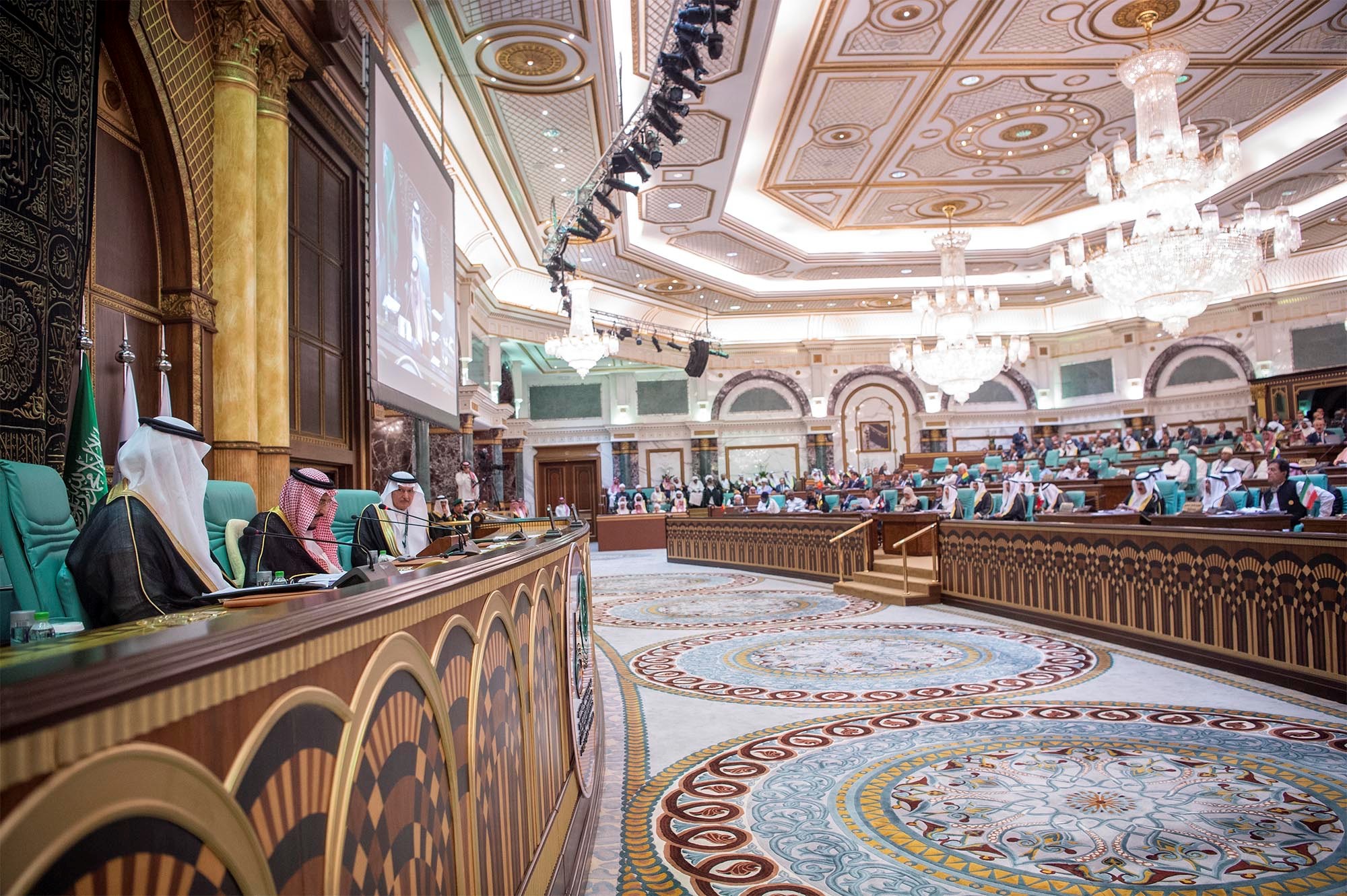
In this week’s Monday Briefing, MEI experts Birol Baskan, Eran Etzion, Alex Vatanka, and Marvin G. Weinbaum provide analysis on recent and upcoming events including recent regional summits in Mecca to discuss Iran and the Qatar crisis, Benjamin Netanyahu’s gambit to retain power in Israel, and escalating hostilities between the Pakistani military and the Pashtun Tahaffuz Movement.
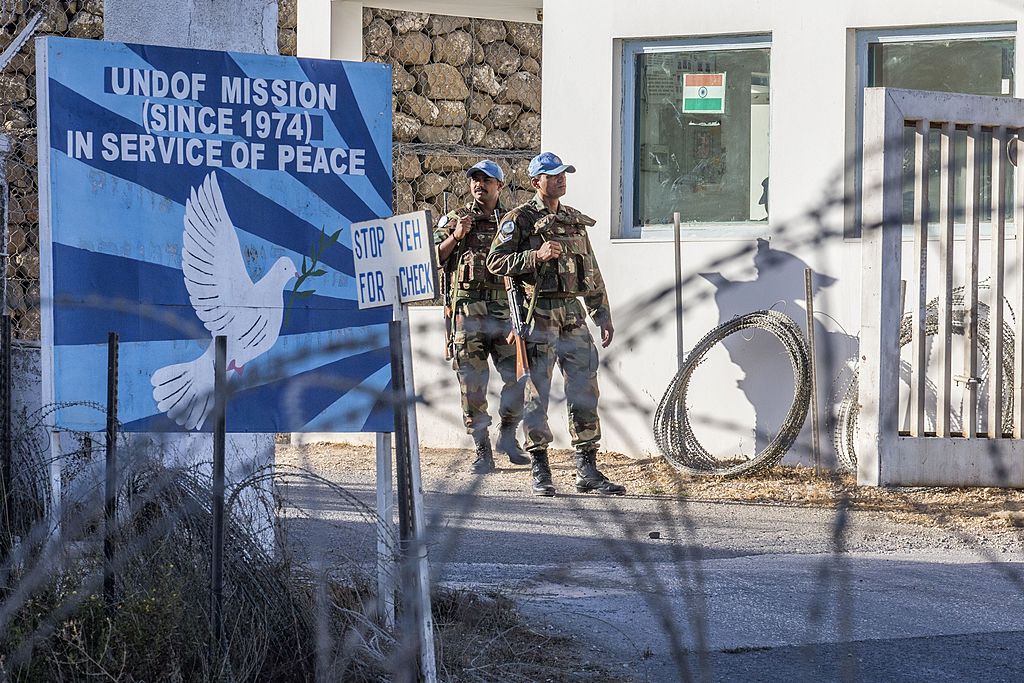
What does Trump’s Golan proclamation mean for UNDOF?
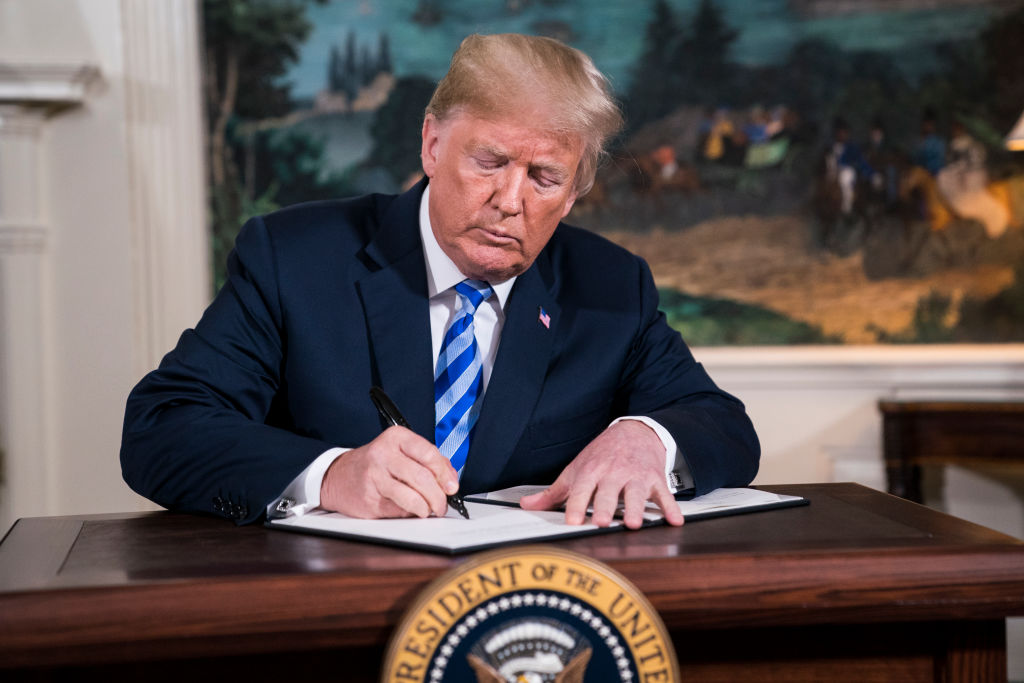
Sometime in June the UN Security Council will vote to approve another six-month renewal of the mandate of the 1000-strong UN Disengagement Observer Force (UNDOF) deployed in the Golan Heights. For more than four decades, the UN Security Council has unanimously renewed the mission’s mandate to maintain the ceasefire between Israel and Syria, but this will be the first time it has come up for a vote since President Donald Trump signed a proclamation recognizing Israeli sovereignty over the area of the Golan Heights on March 25th.
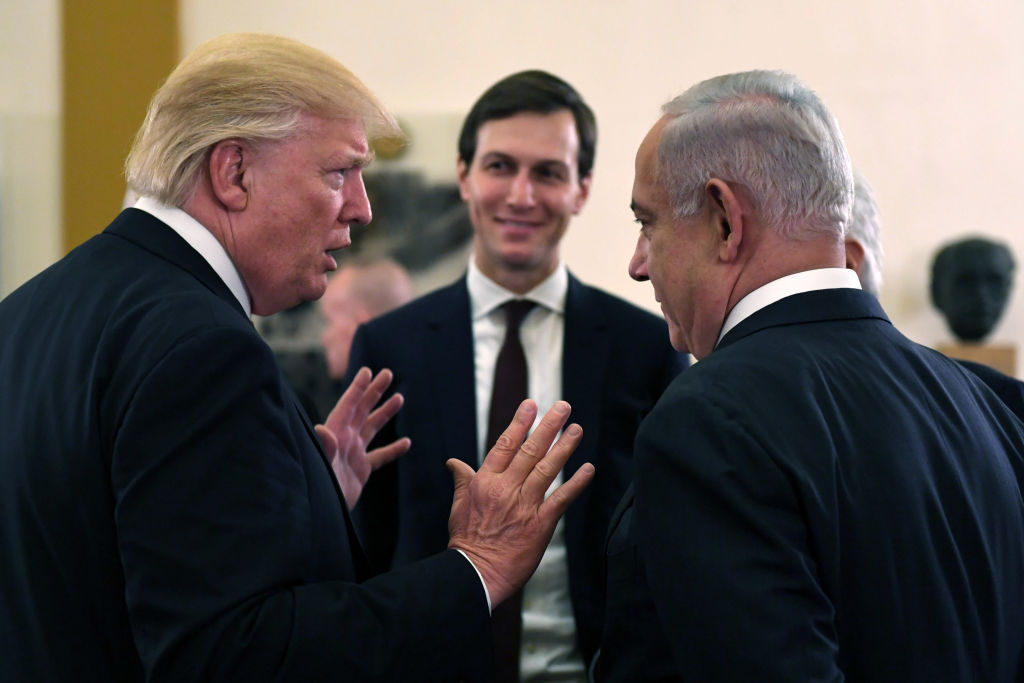
Is Trump’s “Deal of the Century” really a peace plan?
The Trump administration is preparing to present the “Deal of the Century,” proposing an outline for an Israeli-Palestinian agreement. Very little is known about the plan so far. However, it is important to discuss the context and the conditions under which it has been formulated, and to highlight some basic elements that are required for a third party to promote a peace plan — which are absent in this case.
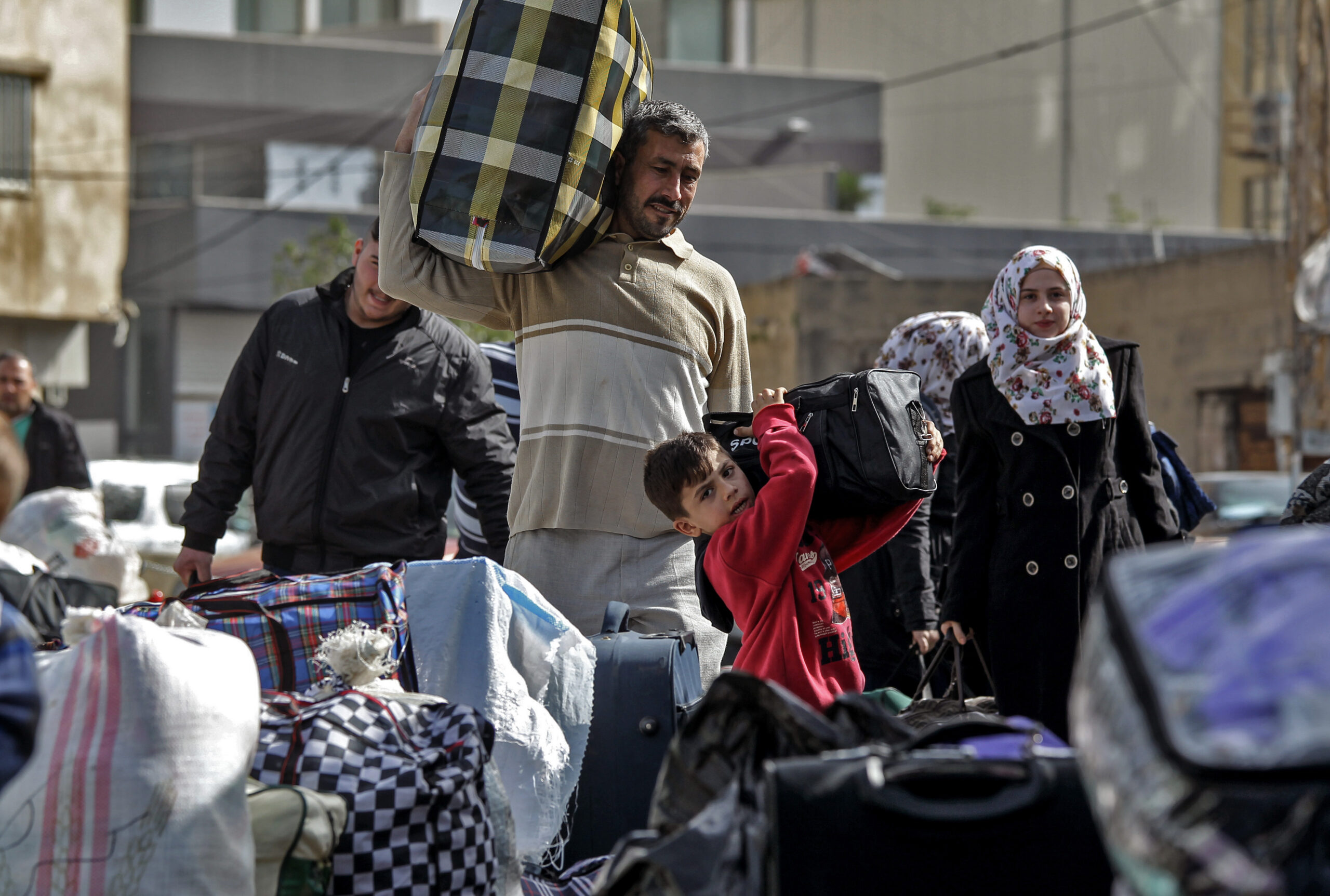
Political Complexities of Return: Syrian Refugees in Lebanon
This essay explores political complexities of the country hosting the highest number of refugees per capita worldwide: Lebanon. Rampant corruption and sectarian rhetoric paired with political complexities now threaten the lives and futures of Syrians residing in Lebanon. This article discusses two of these major complexities below and explain their implications on Lebanese and Syrians residing in some of the country’s most impoverished areas.
Monday Briefing: Troubled paths ahead for US and Iran
In this week’s Monday Briefing, MEI experts Paul Salem, Randa Slim, and Marvin G. Weinbaum provide analysis on recent and upcoming events including the anniversary of the US withdrawal from the Iran nuclear deal, the economic crisis in Lebanon, and ongoing peace talks in Afghanistan.
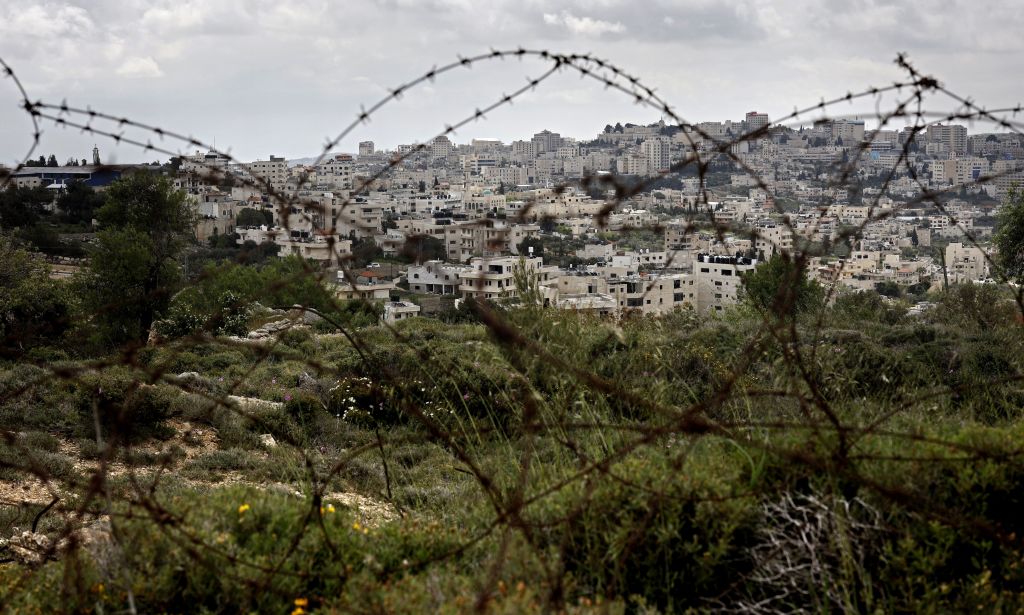
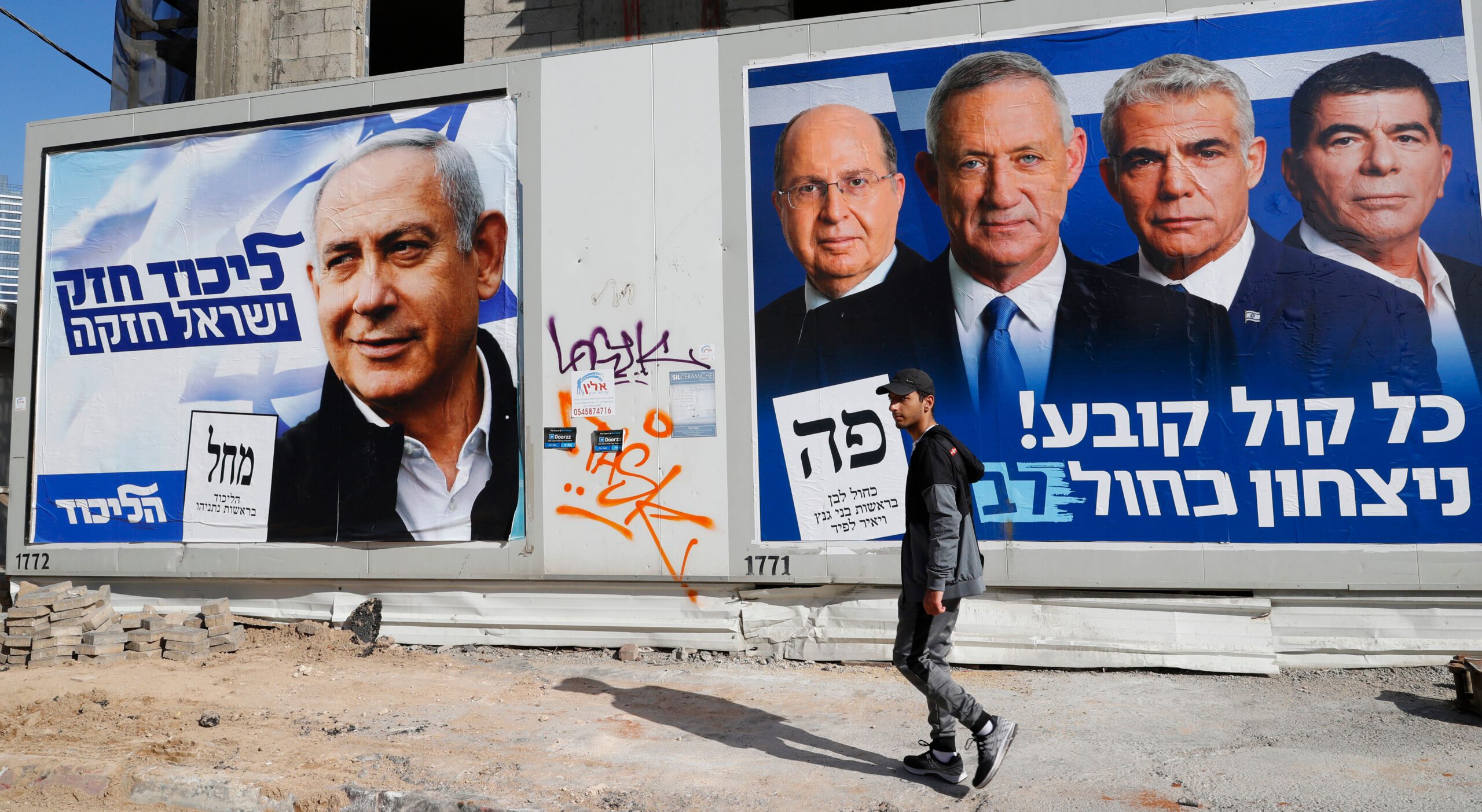
In the days before his recent election victory, Prime Minister Benjamin Netanyahu raised the prospect of Israel’s formal annexation of the West Bank settlement areas where close to half a million Israelis reside. For more than half a century Israeli governments of all parties and constellations have been enthusiastic partners in policies of occupation and settlement of territories conquered in the Arab-Israeli war of 1967.
Following a brief lull on the Israel-Syria front earlier this year, Tel Aviv has once again resorted to striking Iranian assets to its north. While a direct confrontation between the IDF and Syrian forces seems unlikely, the path forward for Israel and Syria is unclear.
Benjamin Netanyahu will undoubtedly succeed himself as Israel’s prime minister after his recent electoral success and, in July, surpass David Ben-Gurion as Israel’s longest-serving prime minister. But, unlike most genuinely successful leaders of democracies, his first priority will have to be avoiding indictment for corruption and going to prison.
Israel’s general election, to be held next Tuesday, April 9, is full of even more sound and fury than usual, but it isn’t at all clear what it will signify.
After a decade in power, Prime Minister Benjamin Netanyahu faces significant headwinds in the forms of a strong challenge from the new Blue and White party and the specter of multiple criminal indictments. Natan Sachs, Amir Tibon, and Grace Wermenbol join host Alistair Taylor to discuss whether this could be the year of a major shakeup in Israeli politics.
In this week’s Monday Briefing, MEI experts Robert S. Ford, Mirette F. Mabrouk, Nathan Stock, Marvin G. Weinbaum, and Jean-François Seznec provide analysis on recent and upcoming events including the government shakeup in Algeria, Egyptian President el-Sissi’s visit to Washington, rocket attacks from Gaza, Imran Khan’s war against poverty, and a $69 billion merger between Saudi Arabia’s oil and chemical giants.
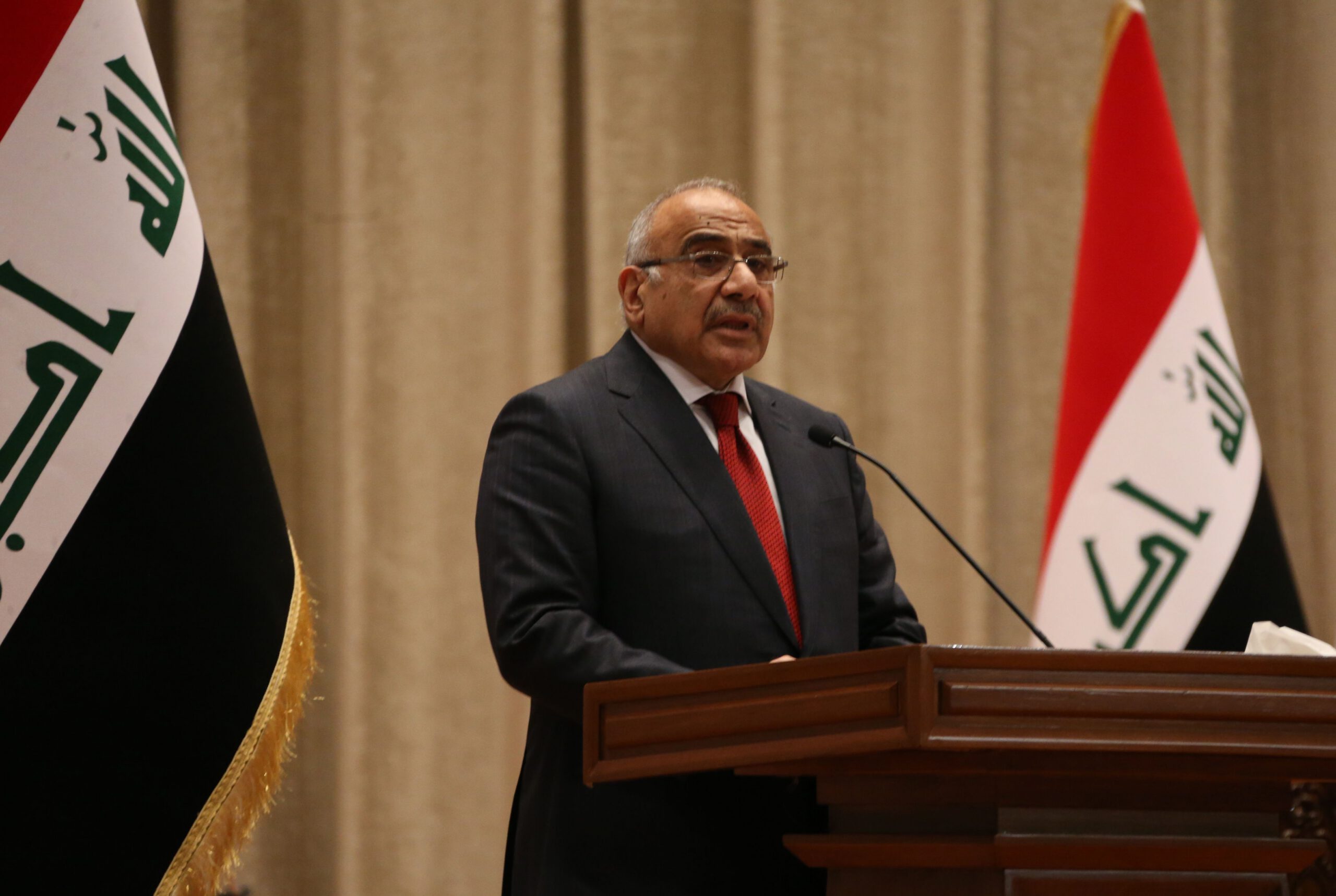
Monday Briefing | Iraq: Outreach abroad, but troubles at home
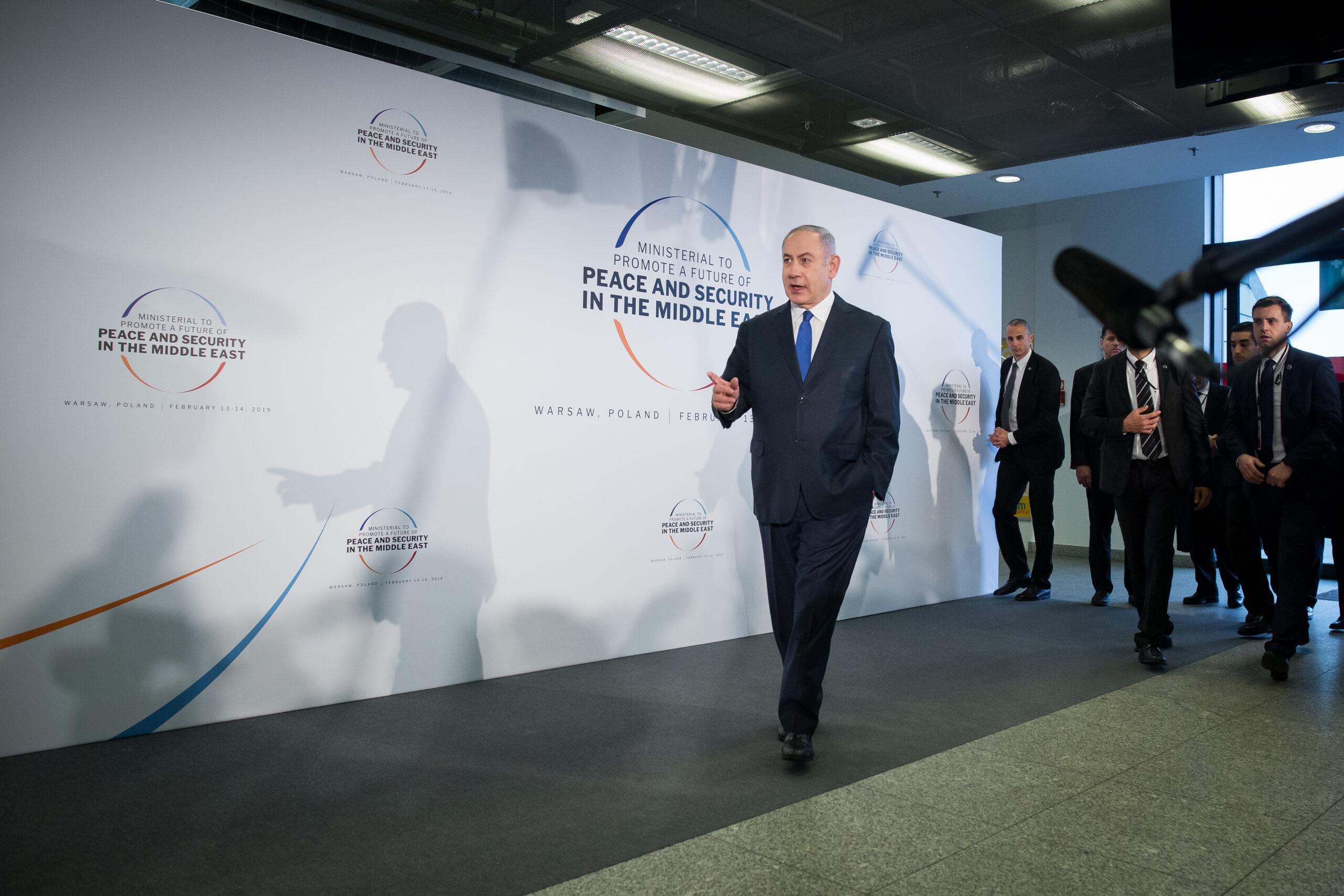
In this week’s Monday Briefing, MEI experts Randa Slim, Charles Lister, Gerald Feierstein, and Paul Salem provide analysis on recent and upcoming events including Iraqi Prime Minister Abdul-Mahdi’s first foreign trip to Egypt, the future threat posed by ISIS, Israeli Prime Minister Benjamin Netanyahu’s AIPAC meeting in Washington, and Secretary of State Mike Pompeo’s visit to Lebanon.
The image of a unified Israeli-Saudi front has significant deterrence value against Iran but should also be used within the context of solving the GCC crisis.
US foreign policy towards the Middle East: Pumping air into a punctured tire
Theorizing the future of the Arab Gulf states and the broader Middle East requires a proper assessment of the state of power distribution in the region. Is there a new balance of power emerging in the Middle East, or is the distribution of power heading in a more dangerous direction?