How is the crisis in Lebanon impacting Syria’s economy?
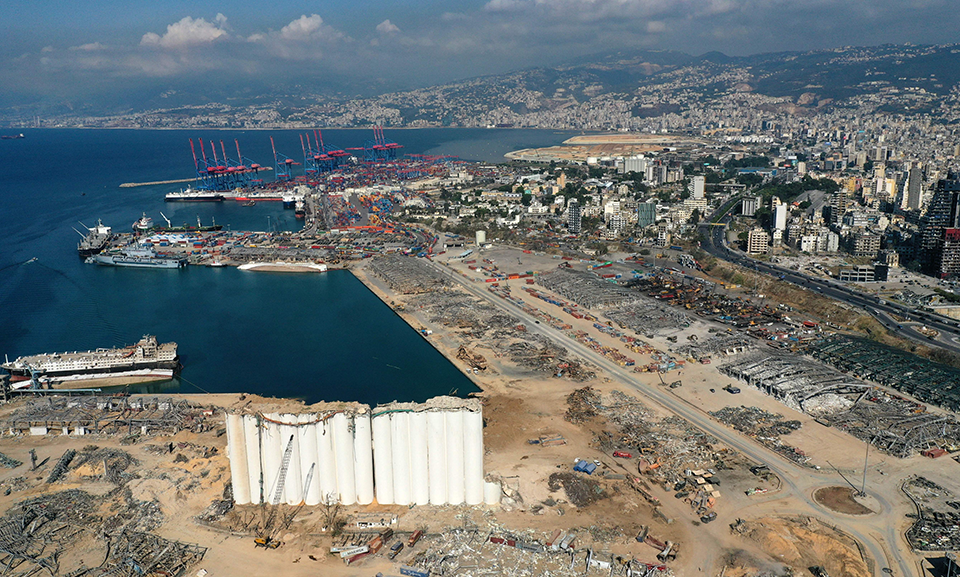
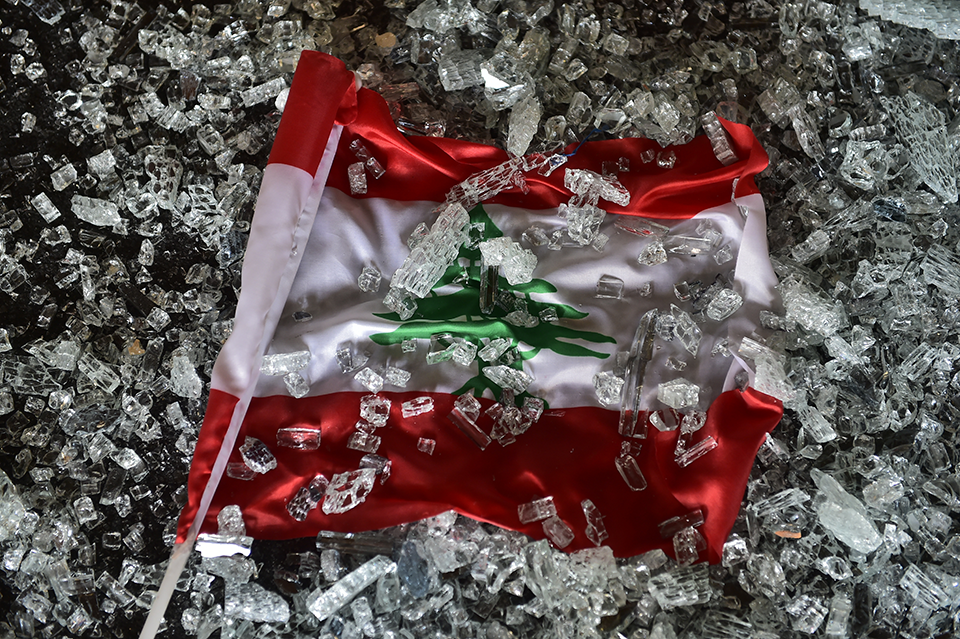
The explosion at the Port of Beirut on Aug. 4 has resulted in a further escalation of the political and economic crisis in Lebanon. Its repercussions can already be deeply felt in neighboring Syria and are expected to take an even greater toll on the country given its complex links to Lebanon. This crisis is feeding into Syria through multiple channels and has severe implications for its ability to import goods and, ultimately, its food security.
Jordan’s rising economic challenges in the time of COVID-19
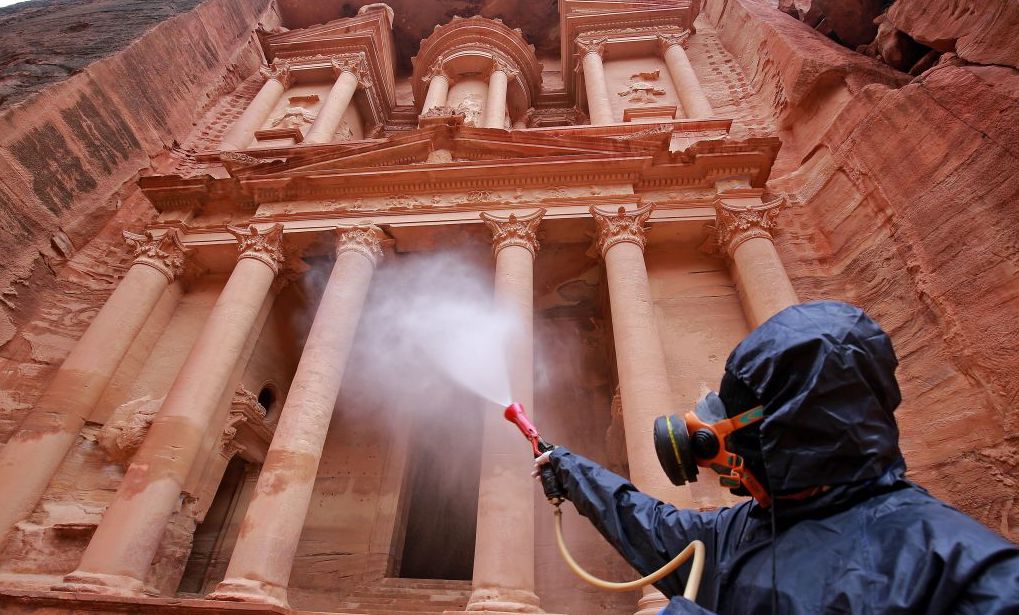
The Jordanian government implemented one of the most comprehensive and effective COVID-19 responses in the region. While the government’s stringent measures did prompt some public discontent, the population largely accepted them. The government’s rapid and broad initial response was successful in thwarting a major public health crisis. Nevertheless, the kingdom has not been able to forestall the damaging economic consequences of COVID-19, which are bound to linger for years to come.
Assad tends to his base by making amends with the Makhloufs
Reports emerged this week that President Bashar al-Assad traveled on Sunday to his ancestral hometown and Alawi stronghold of Qardaha for a meeting with members of the powerful Makhlouf family.
Oman’s regional role in a time of challenge and change
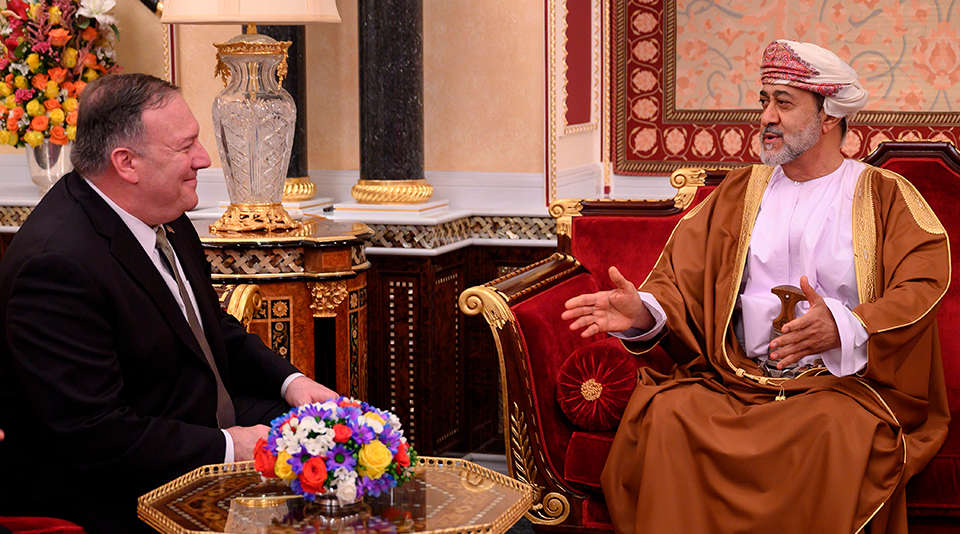
Oman’s independent and creative foreign policy has been a boost to a region fraught with instability, but the combination of a new sultan and an adverse regional environment means Muscat’s trademark foreign policy may be diminished.
Erdogan pulls a rabbit out of his hat with Black Sea gas find, but is it all it seems?
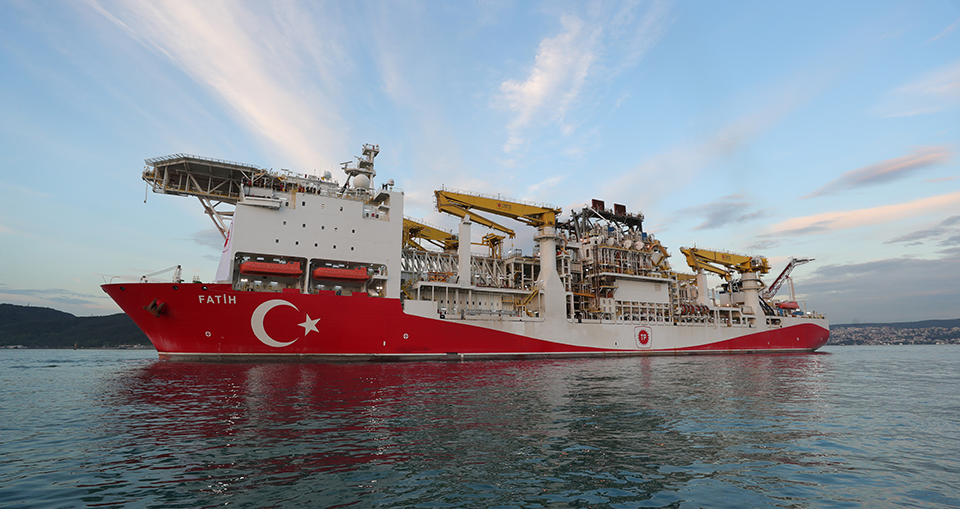
“God has opened the door to unprecedented wealth for us,” said an enthusiastic Recep Tayyip Erdogan as he announced that Turkey had made its biggest-ever discovery of natural gas on Aug. 21. He promised that gas from the 320-billion-cubic-meter deep-sea find would reach consumers in 2023, but industry experts are skeptical and have raised questions about the feasibility of the discovery.
As the people of Iran and the region rise up against the regime in Tehran, it is time to prepare for what comes next and imagine what could lead to the region’s next renaissance: a Middle Eastern cooperative organization.
The Impact of Middle East Regional Competition on Security and Stability in the Horn of Africa
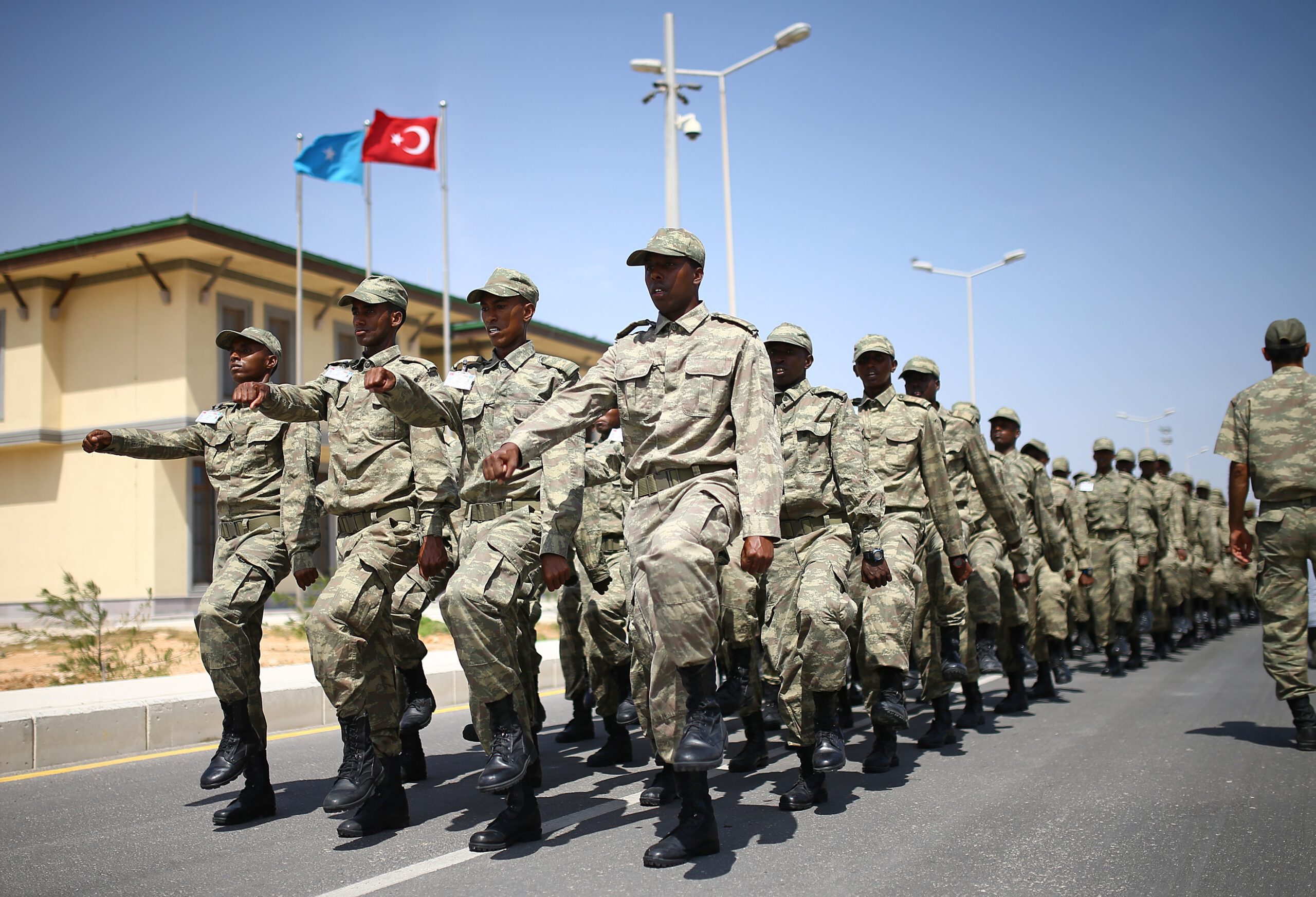
The relationship between the Middle East and the Horn of Africa is centuries-old and complex. While the world’s attention is focused mainly on the “great power competition” in the region, primarily between the U.S. and China, the Horn of Africa has also become a central battleground for influence among competing regional players, principally Saudi Arabia, the UAE, Turkey, Qatar, Iran, and Egypt. As they pursue their interests in the region, from Ethiopia and Sudan to Somalia and Djibouti, these competing states are the main drivers of tension and instability in the Horn of Africa.
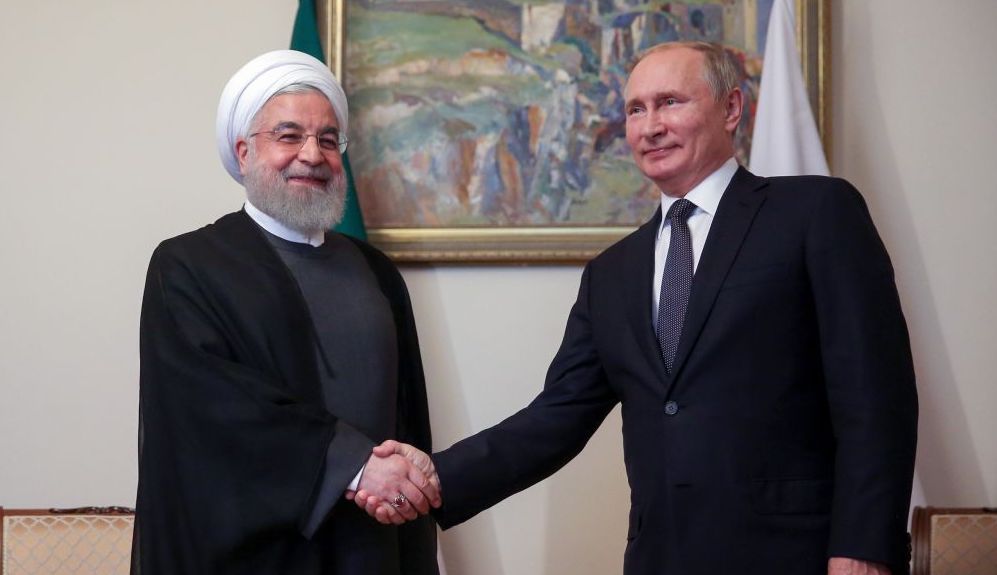
Russia, Iran, and economic integration on the Caspian
In recent weeks, reports of a potential 25-year, $400-billion deal between Iran and China have dominated the conversation about Tehran’s options for freeing itself from the punishing U.S.-imposed sanctions regime on the country. But China is not alone in seeing an embattled Iran as a major geopolitical and commercial opportunity — Russia too has ambitions of strengthening ties with Iran.
Beirut will rise again from the ashes, like it always has. But the real rebuilding that must occur is not physical in nature. It is political. Nothing will truly change in Lebanon unless the country’s corrupt and incompetent leaders, who have been in power for decades, are unseated.
After months of under-reported cases and relaxed lockdown measures, the rapidly spreading COVID-19 pandemic has gripped government-held areas. A worrying rise in daily deaths and infections, especially in Damascus, has left Syria facing what could be its biggest challenge yet.
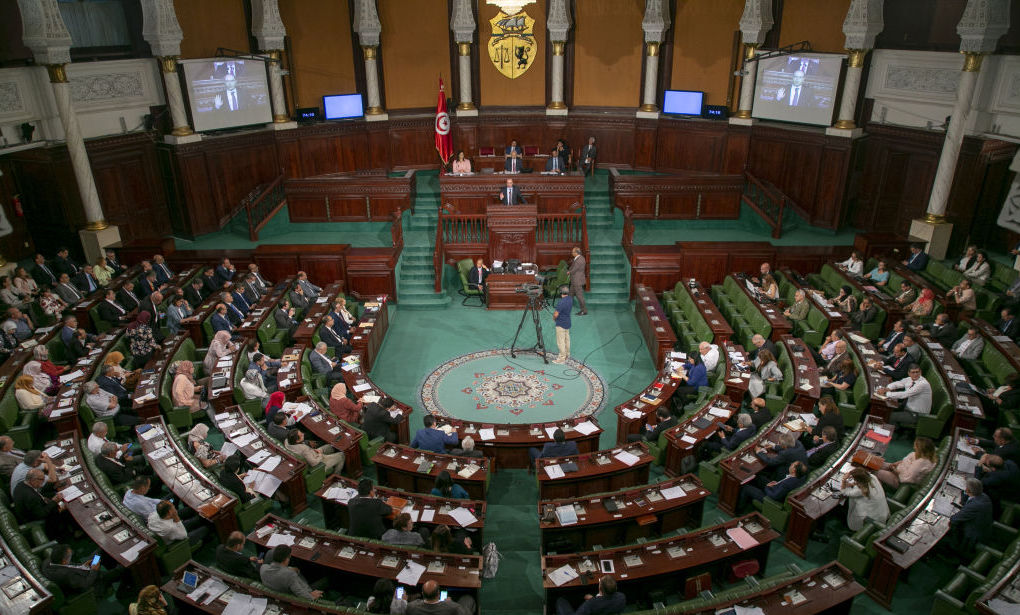
After successfully managing COVID-19, Tunisia gets back to its old problems
Tunisia seems to have avoided the worst of the first phase of the global coronavirus crisis. And yet whatever the final tally of the pandemic might be, its consequences will only add to a host of existing problems that have beset the North African country in recent years, including political instability, a stalled economy, security threats, and financial woes.
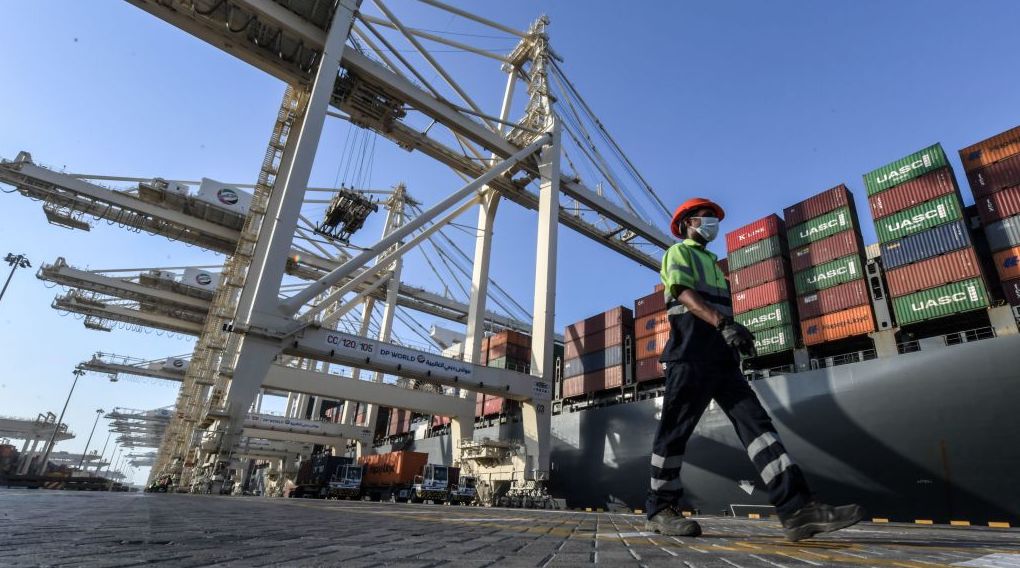
The coronavirus pandemic that originated in China could not have come at a worse moment for the UAE. Indeed, before its outbreak, relations between the UAE and China were in an excellent place. Underpinned by growing economic exchange, the bilateral partnership holds the promise of turning into a geo-economic and geopolitical one. For Beijing, the UAE is first and foremost a critical hub for re-export to the wider region and ultimately, it is in the domain of maritime trade and around China’s BRI that the partnership has its greatest potential.
Linking the past to the future: Economic diversification and tourism in Oman
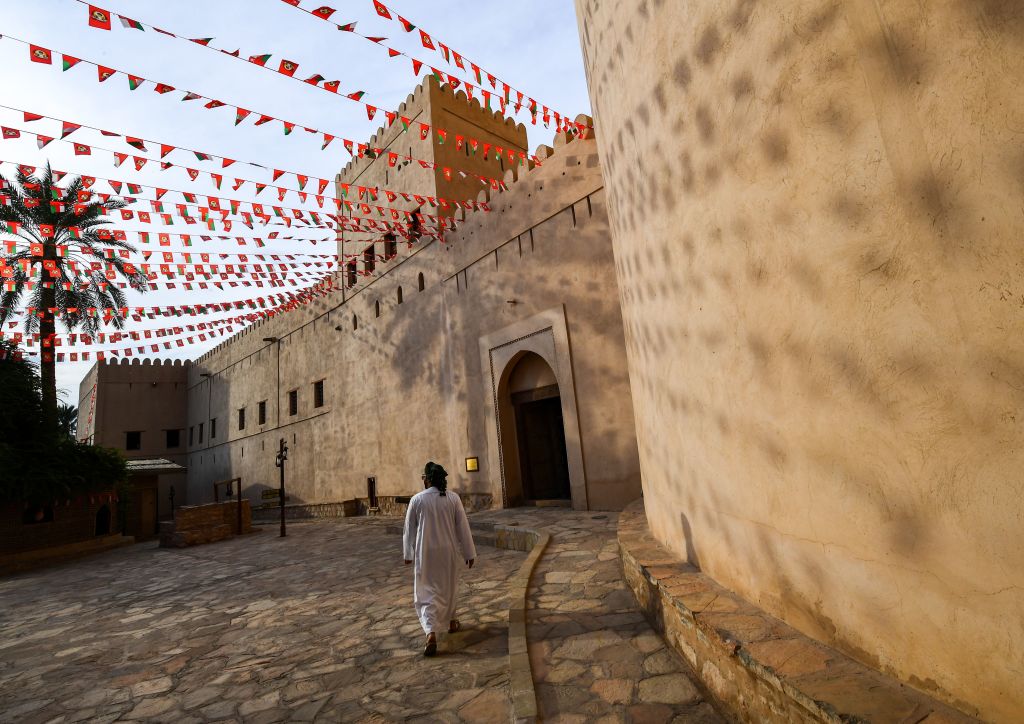
Oman’s new ruler, Sultan Haitham, only has a short timeframe in which to aggressively diversify the country’s economy and reduce its dependency on hydrocarbon exports. This already difficult task is further complicated by the twin challenges of the global coronavirus pandemic and low oil prices, both of which limit the government’s fiscal room for maneuver. One obvious sector that Oman should consider expanding rapidly is its tourism industry.
So far, Saudi Arabia’s push for OPEC+ restraint appears to be working. If projections of a gradual demand recovery in 2020 are accurate, the Saudis should be able to reaffirm their centrality as market stabilizers.
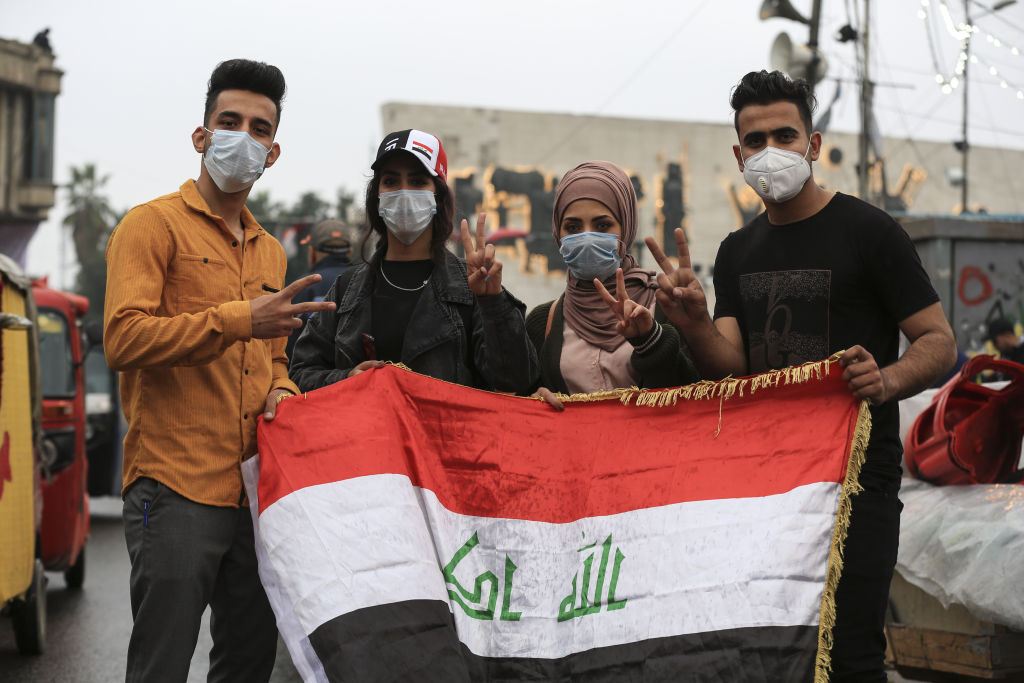
The nationwide protests that erupted in October 2019 shifted the political landscape and paradigm of Iraqi political participation: Led by motivated Iraqi youth in their teens and twenties with no previous civic experience, they signal a rejection of the post-2003 sectarian patronage system, known as muhassasa, that has failed to deliver security, economic development, or basic services. The protest movement’s spontaneity and authenticity are its core strength; no public figure or party directed the waves of protests across central and southern Iraq.