Salafis Coming to America
This Opnion first appeared in the Huffington Post on May 11, 2012.
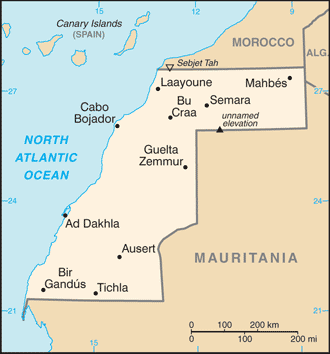
Over the last decade, the dispute over the future status of the Western Sahara territory, which has set Morocco and the Algeria-backed pro-independence Polisario front in opposition, has entered a qualitatively new phase. This is due to attempts at finding a negotiated outcome instead of the long-delayed self-determination referendum. The idea of a political solution to break a twice deadlocked (1997 and 2000) UN self-determination referendum for the Western Sahara territory has steadily revived the prospect of autonomous status for the territory within Moroccan jurisdiction.
Originally posted May 2010
Originally posted February 2011
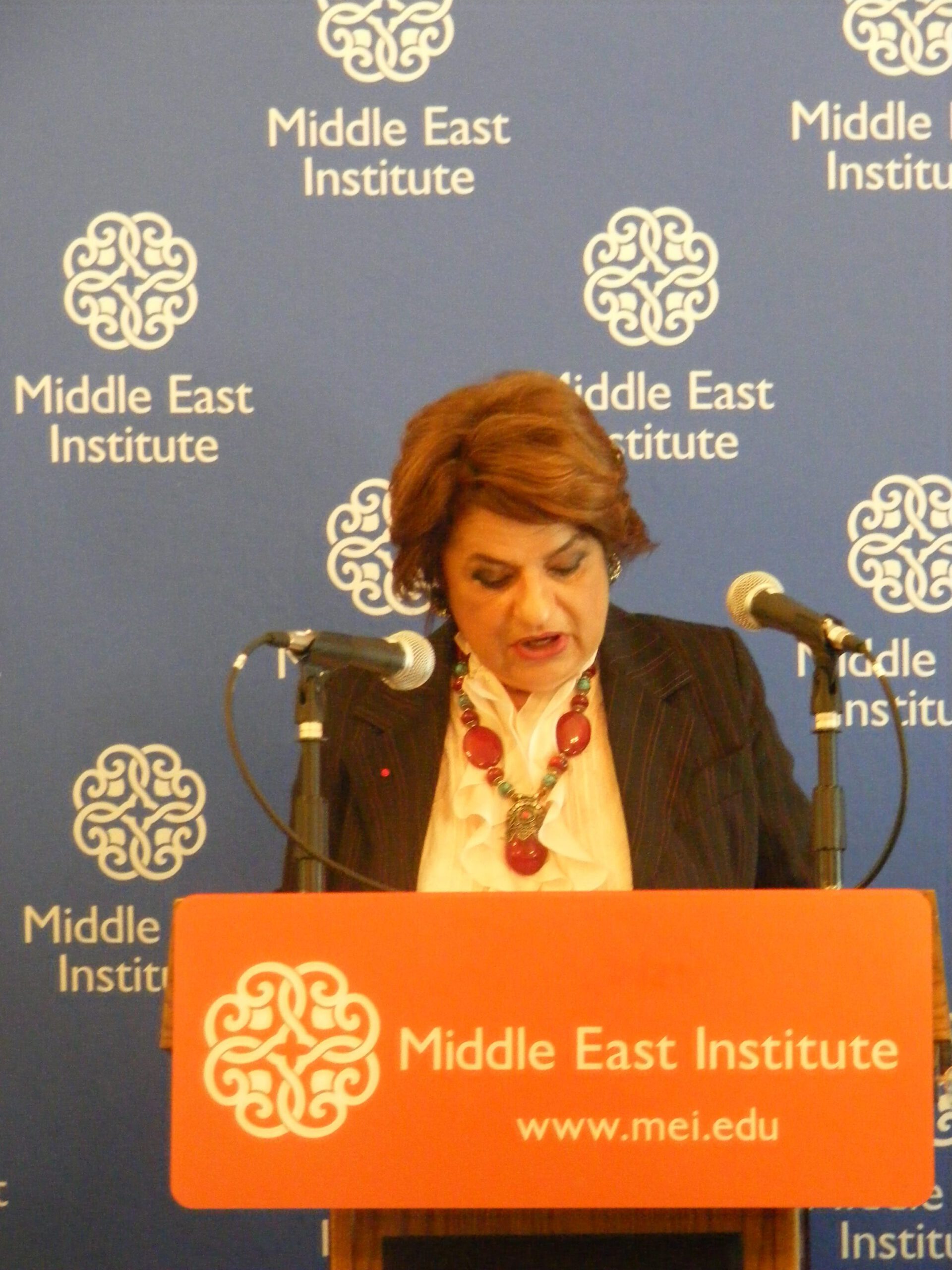
Dr. Makram-Ebeid, along with ten other liberal and leftists members, recently resigned from Egypt's Constituent Assembly in protest over its Islamist majority, leaving only five women and five Christians remaining in the assembly. With the transition process in turmoil, a diverse coalition of Egyptian generals, liberals, bureaucrats, and judges are turning to the courts to attempt to diversify the composition of the Constituent Assembly, which is currently almost entirely dominated by Islamists – both Salafists and members of the Muslim Brotherhood.
MEI Podcast, 1 May, 2012, Egypt’s Troubled Transition, Dr. Mona Makram-Ebeid
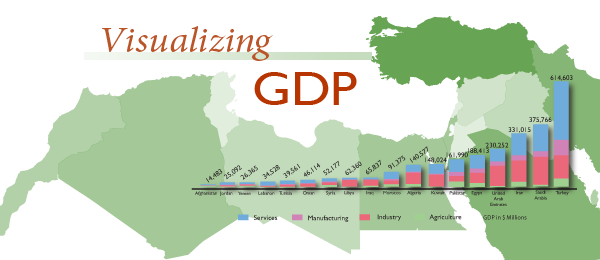
What are some of the fundamental socio-economic features they all share and what steps must they take if their economies are to enjoy sustained growth in the medium to long term? Dr. Toufic Gaspard, the economic adviser to Lebanon's minister of finance, will focus on Arab economies in Egypt and the Levant to examine how to solve the dominant regional problems of unemployment and poor productivity with the goal of establishing social and political stability.
The tumultuous political changes taking place across the region dominate the news — deservedly so. Yet, there are other changes taking place throughout the Middle East which, though less prominent, also merit attention. Indeed, the region has no shortage of creative and committed “change agents” who in ways great and small have taken meaningful steps to address the myriad challenges to the sustainability of the region’s physical environment. Volume II in this series offers snapshots of a small selection of the many efforts aimed at cultivating responsible environmental stewardship.