MEI experts Paul Salem, Will Wechsler, Marvin Weinbaum, and Ahmad Majidyar discuss current issues in Afghanistan and Pakistan, and U.S. policy and strategic interests in the region.
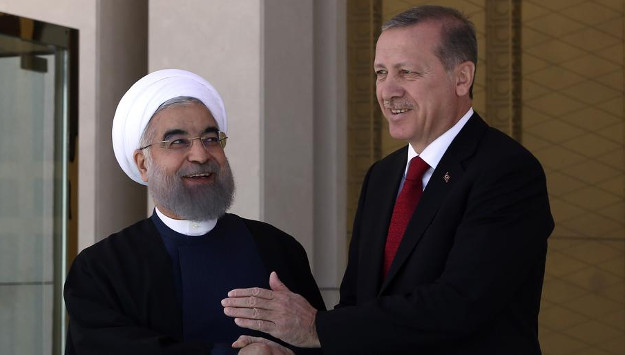
Rouhani and Erdogan Pledge to Boost Bilateral Ties, Cooperate on Regional Problems
Iran wants to cooperate more closely with Turkey to resolve regional problems, Iranian President Hassan Rouhani told his Turkish counterpart Recep Tayyip Erdogan in a telephone conversation earlier today. Rouhani offered his congratulations to Erdogan on the occasion of Eid al-Adha and stressed that he will do more during his second term in office to expand Tehran’s ties with Ankara in all fields.
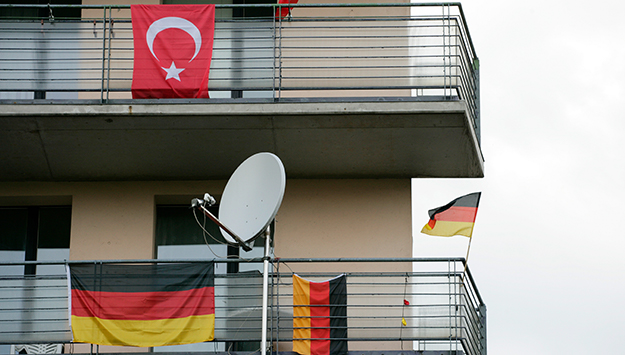
The Real Reasons behind the Current Turkish-German Row
Relations between Turkey and Germany have become increasingly fraught over the past few months. They hit a new low following the August 19 arrest of Turkish-born German writer Dogan Akhanli in Spain. Akhanli, a frequent critic of Turkish President Recep Tayyip Erdogan, was held by Spanish authorities in connection with criminal proceedings in Turkey. Germany’s foreign minister has urged Spanish officials not to extradite the writer.
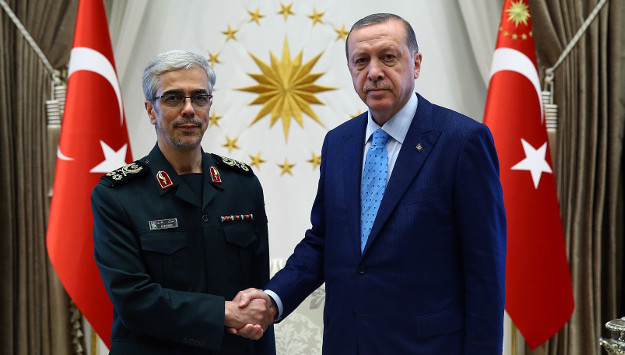
A series of high level diplomatic visits have signaled a surprising rapprochement between Iran and Turkey in recent weeks. What’s driving this warming in relations, and how has Russia been involved? What are the potential consequences in the region and for U.S. policy there? MEI’s Gonul Tol and Alex Vatanka join Paul Salem to discuss.
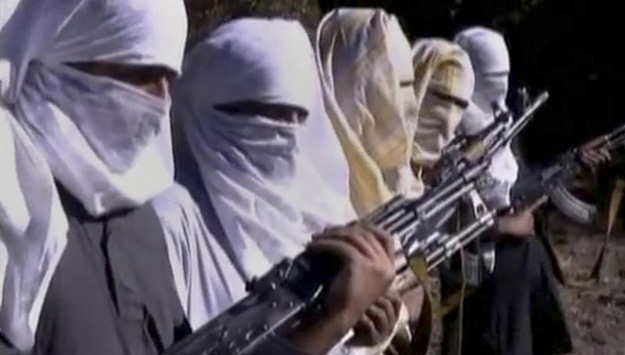
Al-Qaeda appears set to make a comeback in Pakistan, with battle-hardened militants returning from Syria and Iraq and eyeing for the resurrection of al-Qaeda in Pakistan.[i] A new terror group, Jamaat ul Ansar al-Shariah Pakistan, surfaced in June 2017, and is comprised of fighters who have returned from the Middle East.
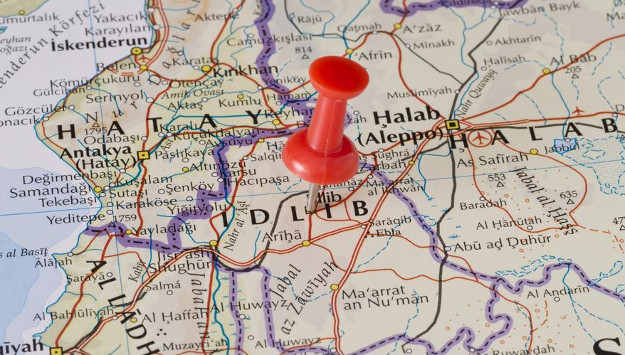
Turkey’s “Three Options” in Idlib amid Growing Tehran-Ankara Cooperation
Turkey has three options to tackle a looming threat to its national security emanating from the situation in Syria’s Idlib Province, according to an an
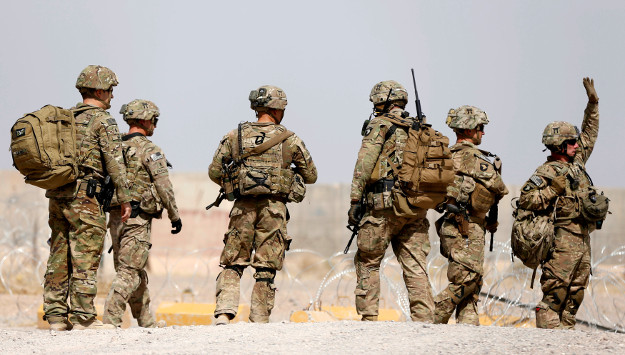
Last night Donald J. Trump became the third consecutive U.S. president to ensure that his successor will also need to wage war in Afghanistan. This is justifiably frustrating to the American public, but unfortunately appropriate to the threats at hand.
Monday Briefing | Abbas Hoping for a Commitment from Kushner on MidEast Peace
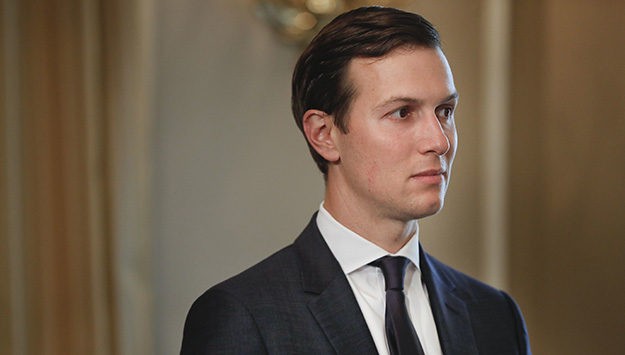
In this week’s Monday Briefing, MEI experts Yousef Munayyer, Paul Salem, Ahmad Majidyar, Alex Vatanka, and Gonul Tol provide analysis on recent and upcoming events including the upcoming trip by the U.S. delegation headed by Jared Kushner to Israel/Palestine, Iraq’s anti-ISIS operation in Tal Afar, President Trump’s upcoming announcement on U.S. military strategy in Afghanistan, Iran’s efforts to find a role in China’s One Belt, One Road project, and Turkey’s rocky relations with Germany.
Monday Briefing | Is the Middle East Tilting toward De-Escalation?
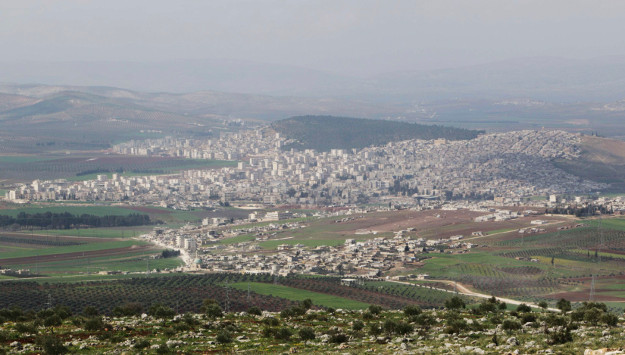
In this week’s Monday Briefing, MEI experts Paul Salem, Gonul Tol, Alex Vatanka, and Jonathan M. Winer provide analysis on recent and upcoming events including Saudi Arabia’s diplomatic engagements in the region, Turkey’s consideration of military operations in northern Syria, Iranian President Rouhani’s centrist cabinet nominations, and Libyan leaders’ decision between greater cooperation or renewed confrontation.
Astana Experts Meet in Tehran and Turkey Holds Naval Exercises with Qatar | Monday Briefing
In this week’s Monday Briefing, MEI experts Randa Slim, Gerald Feierstein, Gonul Tol, and Jean-François Seznec provide analysis on recent and upcoming events including next steps in the Syrian conflict de-escalation process, General Zinni’s mission to the Gulf, Qatari-Turkish relations, and crude oil informal cooperation.
U.S. Absent as Israel-Palestine Violence Escalates | Monday Briefing
In this week’s Monday Briefing, MEI experts Eran Etzion, W. Robert Pearson, Charles Lister, Alex Vatanka, and Randa Slim weigh in on the implications of Israel-Palestinian violence for U.S. foreign policy, Turkish involvement in the Gulf crisis, al-Qaeda’s response to the U.S. decision to terminate support for a program arming anti-Assad Syrian rebels, confrontational U.S. policy towards the Iran nuclear deal, and a former Iraqi Prime Minister’s power play.
Geopolitical maneuvering, political disunity, endemic corruption, rudderless security apparatus and, most importantly, a confident Taliban movement supported by the Pakistani “deep state” make Afghanistan the most persistent trouble spot. Recent events in the country are dominated by increasing terrorist attacks against security forces and hapless citizens.
Head of I.R.G.C.’s Khatam al-Anbia Blasts Rouhani’s Economic Policies, Deal with Total
The commander of Khatam al-Anbia Construction Headquarters, a conglomerate of the Islamic Revolution Guards Corps (I.R.G.C.), blasted President Hassan Rouhani’s economic policies and said he “harbors a serious grievance against the Rouhani government.” In an interview with Iran’s state-run television, Gene