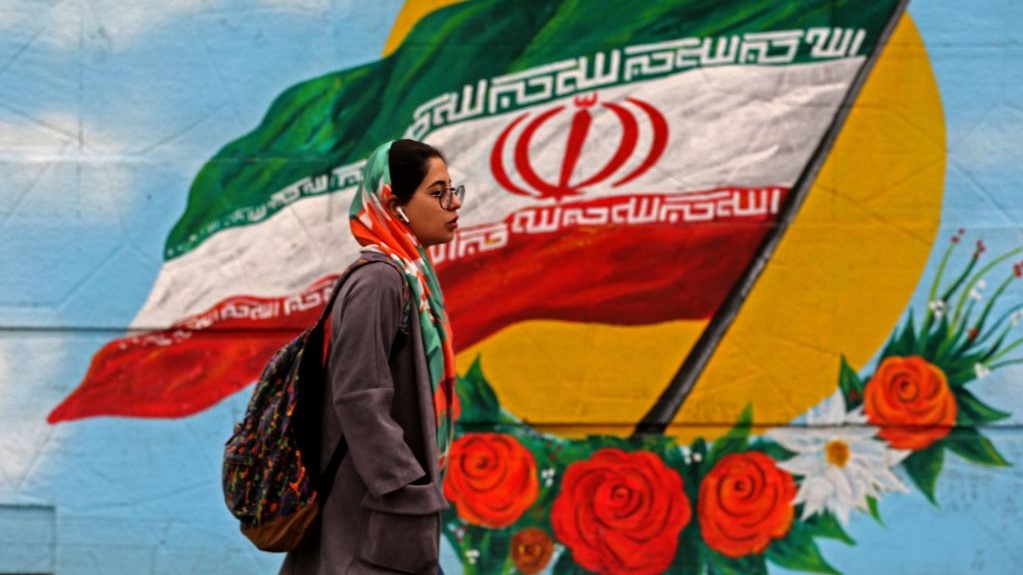
For more than a century, Iranian women have worked for change and fought for their freedom. Under the system in place in the Islamic Republic, however, they continue to face systematic, widespread legal discrimination. Despite the hurdles they currently face, with organization, unity, and common purpose, Iranian women are capable of changing history and building a new future for their country.
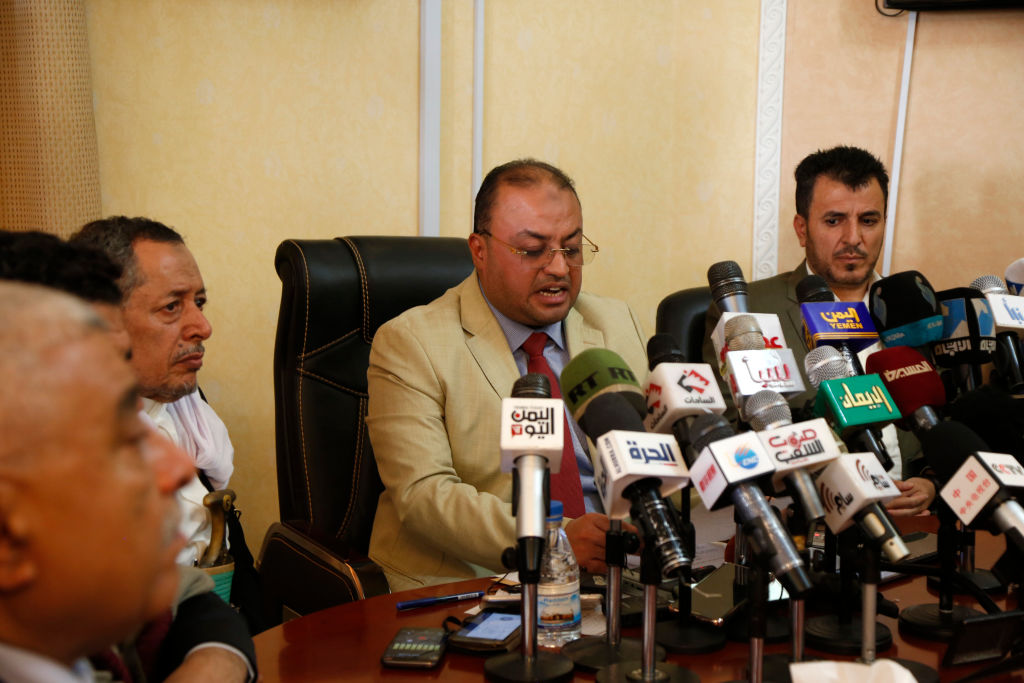
The Houthis’ response to COVID-19? Pre-emptively blame their enemies
By keeping the focus on Saudi Arabia, the UAE, and the U.S., and covering up Iran’s failure in dealing with the pandemic, the Houthis are trying to absolve themselves and their patrons of responsibility.
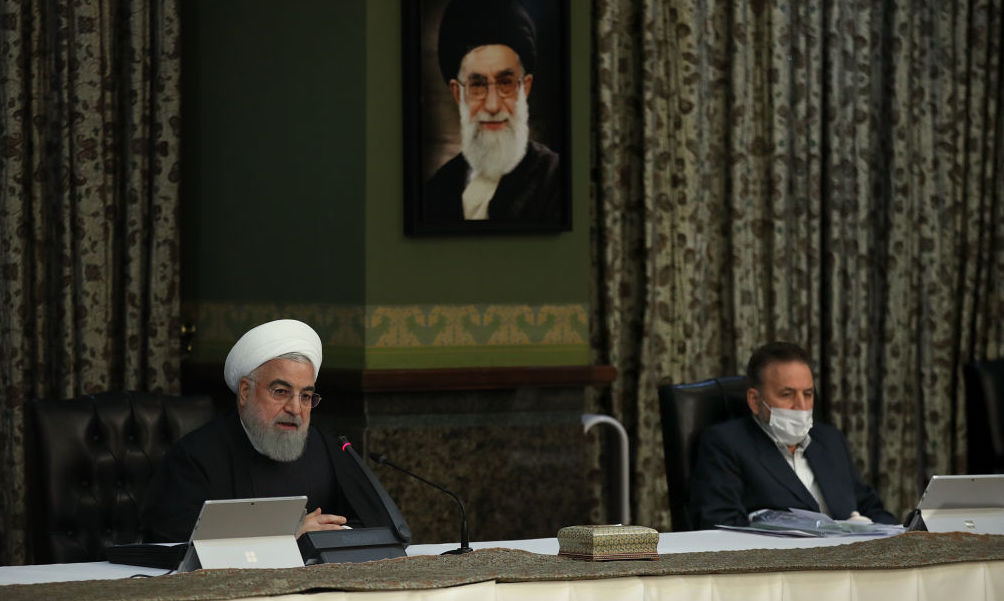
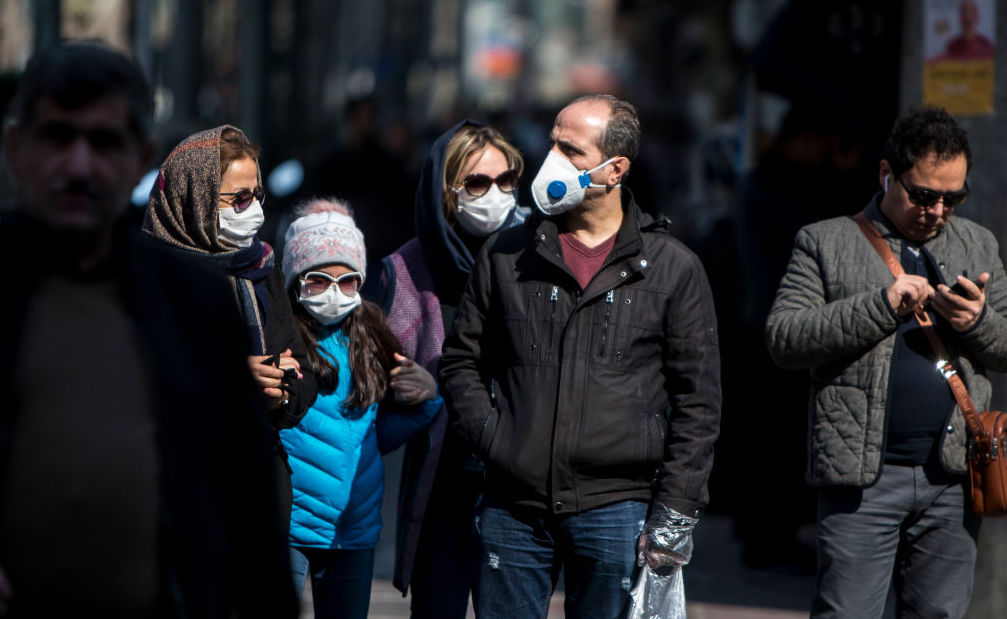
Coronavirus underscores Iran's internal struggle over its relationship with the world
The coronavirus crisis is the latest reminder that political factions in the Islamic Republic continue to struggle over what kind of relationship the country should have with the rest of the world.
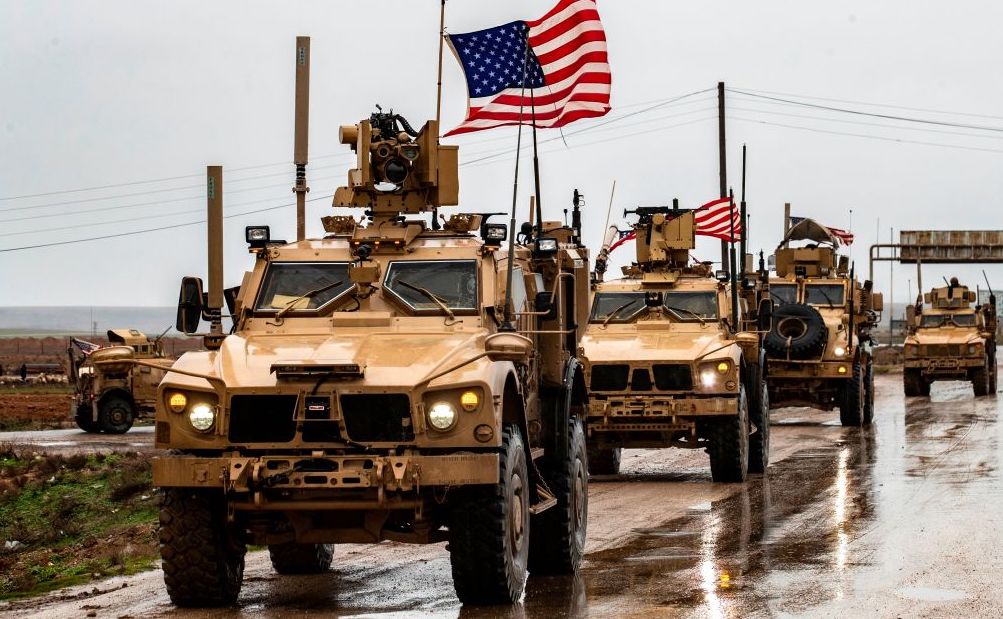
Democrats ought to build a moral firewall around Syria policy, establishing a framework for understanding the Syrian conflict and debating policy options.
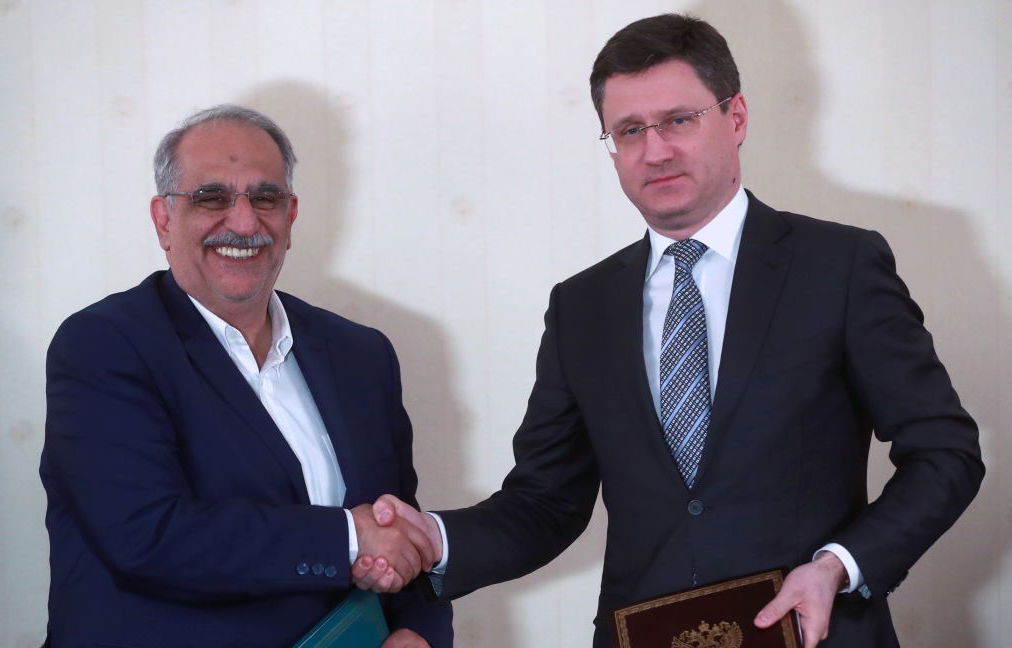
Iran and Russia: A tale of unfulfilled economic potential
The outbreak of a Russian-Saudi oil price war earlier this month might offer some comfort to Iran, a country which has in recent years become unnerved by the increasingly close ties between Moscow and Riyadh. However, it is premature to see an Iranian geopolitical win emerging from the Russian-Saudi spat, and history should give Tehran plenty of reservations about Moscow’s ability to deliver on its economic promises to Iran. While Iran and Russia will likely continue to pay lip-service to the idea of an economic partnership, each side will remain preoccupied with larger concerns. This is a tale of unfulfilled economic potential.
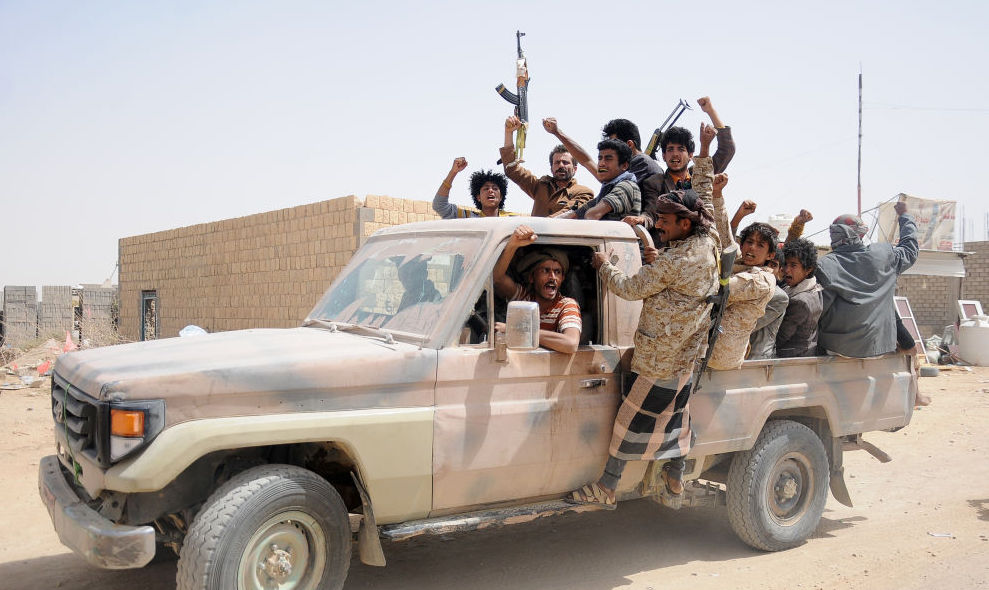
Normalizing Houthi gains in Yemen puts Marib at serious risk
Just a week after Houthi rebels took control of al-Hazm, the capital of al-Jawf Province, on March 1, UN Special Envoy for Yemen Martin Griffiths paid an unprecedented, one-day visit to the Houthis’ likely next target, oil-and-gas-rich Marib, reiterating the urgent need for de-escalation.
The United States has missed a valuable opportunity to use its influence in Iraq to encourage the government to implement the reforms Iraqi protesters have been demanding over the past six months and push back on Iran.
The president’s time: How US-Iran relations are out of sync
The Islamic Revolution of 1979 fundamentally transformed U.S.-Iran relations from a special relationship into an adversarial one. However, this has not prevented American presidents of both parties, from Ronald Reagan to Barack Obama, from reaching out to Tehran in the hope of a potential détente. There are many ideological, political, and economic factors behind the inability of Washington and Tehran to normalize their relations over the past four decades. One that has received little attention, however, is the cycle of U.S.
Running around in circles: How Saudi Arabia is losing its war in Yemen to Iran
On March 1, the Iran-backed Houthis took control of the city of al-Hazm, the capital of al-Jawf Province, after weeks of fierce clashes with local tribes and Yemeni government forces. Incompetence, lack of unified leadership, and the absence of a military strategy by the Yemeni government and the Saudi-led coalition have played into the hands of the Houthis.
Will Iran replace its presidency with a parliamentary system?
The results of Iran’s recent elections and preparations for the succession of Ayatollah Khamenei as supreme leader could mean that the topic of replacing Iran’s presidential system with a parliamentary one may very well be up for discussion again.
The UAE may have withdrawn from Yemen, but its influence remains strong
On Feb. 9, 2020, after five years of involvement in Yemen’s civil war as part of the Saudi-led coalition, the UAE’s leadership celebrated the completion of its phased military withdrawal from the country in a ceremony at Zayed Military City. Although the UAE’s withdrawal has provided an exit strategy from the stalemate in Yemen, it neither suspends Abu Dhabi’s role in the coalition nor curtails Emirati influence on the ground.
Obstacles to the implementation of the Riyadh Agreement
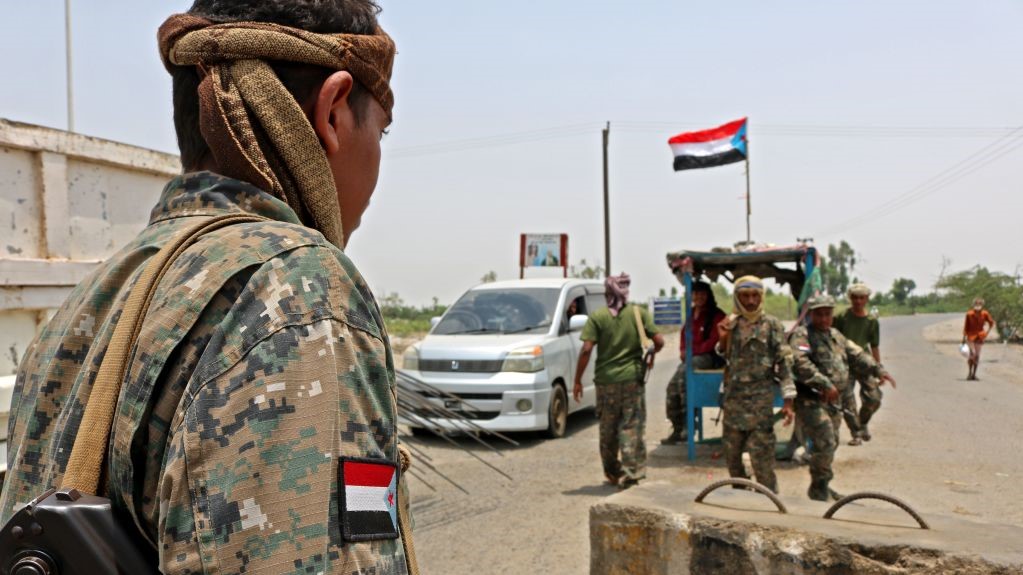
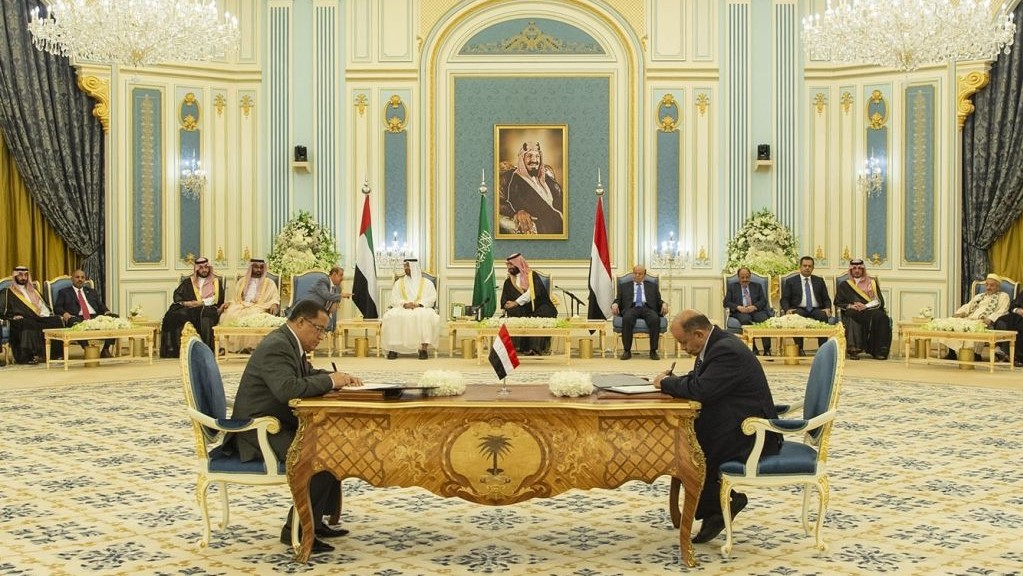
Now that all of the implementation deadlines have come and gone, where do things stand with the Riyadh Agreement, signed in late 2019 by Yemen’s Hadi government and the Southern Transitional Council?