Skip to Content

Research & Commentary Results

Filter by
3376 Results
US Policy and the Resurgence of ISIS in Iraq and Syria
  • Analysis
  • US Policy and the Resurgence of ISIS in Iraq and Syria

    As attacks by ISIS increase in both Iraq and Syria, the upcoming U.S. presidential election offers a turning point for how U.S. foreign policy will seek to address a potential ISIS resurgence. This paper lays out this growing problem and recommends policy, which will be constrained by the outcome of the November election.

    October 21, 2020

    Will Trump’s Syria hostage diplomacy work?
    Photo by JOSEPH EID/AFP via Getty Images
  • Analysis
  • Will Trump’s Syria hostage diplomacy work?

    With a presidential election looming in the United States, the continuing crisis in Syria is unlikely to make headlines. Aside from the COVID-19 pandemic, raging wildfires, and the occasional flare-up of violence in Idlib, Syria has been largely off the radar in the U.S. for quite some time. Yet dramatic new revelations suggest that Syria could be on the administration’s agenda more prominently as President Donald Trump makes a serious, if desperate, move to secure American hostages thought by U.S. officials to be held in Damascus.

    US sanctions hurt Syrian civilians — they need to be worth it
    Photo by Hasan Belal/NurPhoto via Getty Images
  • Analysis
  • US sanctions hurt Syrian civilians — they need to be worth it

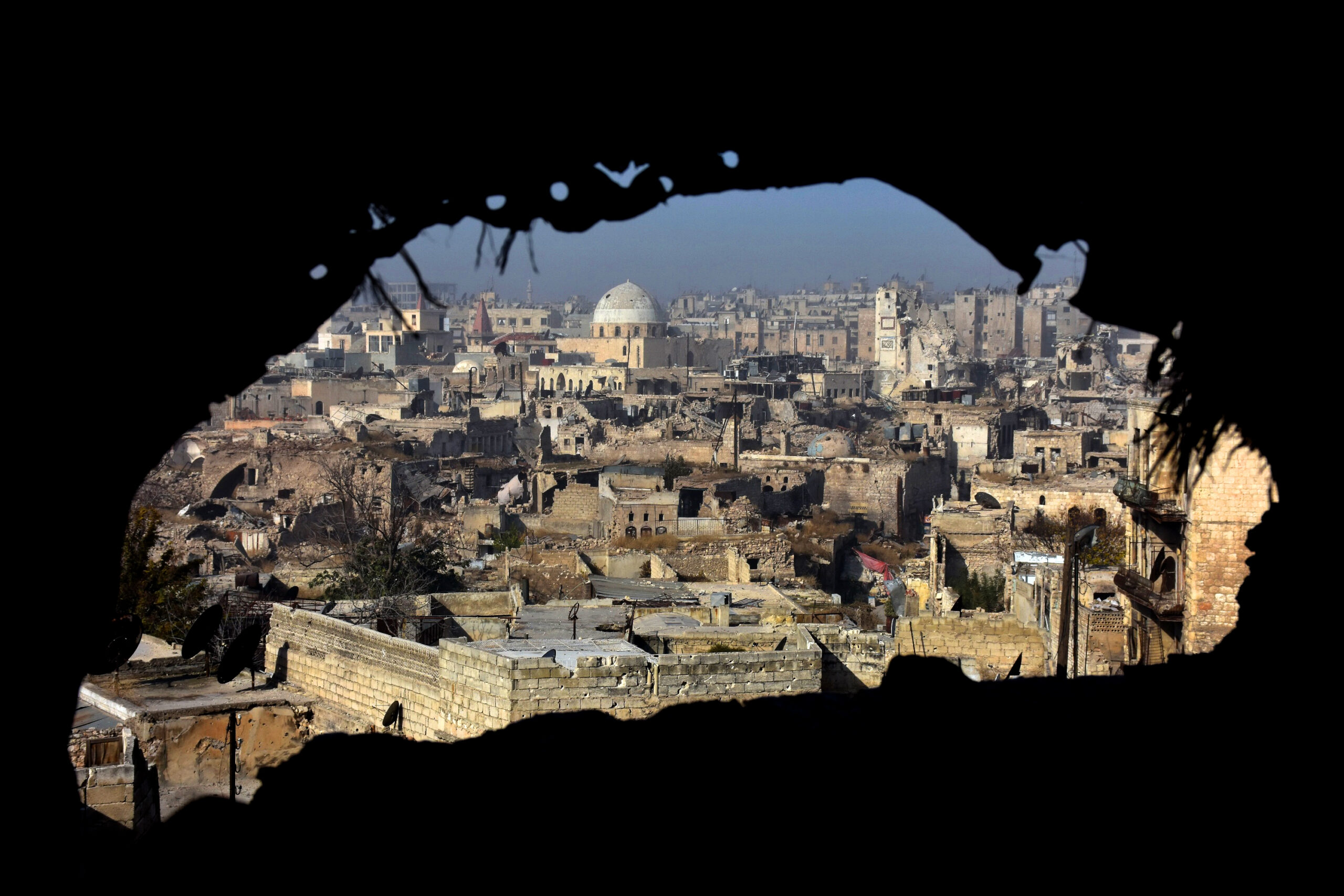
    On June 17, 2020, the U.S. State Department’s special envoy to Syria, Joel Rayburn, announced the beginning of the “summer of Caesar,” promising a wave of sanctions designations under the newly activated Caesar Syria Civilian Protection Act. Summer has come and gone, but there’s little to show for it.

    October 15, 2020

    Tehran’s worst nightmare
  • Commentary
  • Tehran’s worst nightmare

    The Nagorno-Karabakh conflict could spill over to Iran’s Azeri minority, setting off a battle the government can’t contain.

    How are Russia and China responding to the Caesar Act?
    Photo by LOUAI BESHARA/AFP via Getty Images
  • Analysis
  • How are Russia and China responding to the Caesar Act?

    The Caesar Civilian Protection Act sanctions on Syria, which were signed into law by U.S. President Donald Trump in December and took effect on June 17, have polarized the international community. Most European countries have supported the Caesar Act’s use of sanctions to punish Syrian President Bashar al-Assad for war crimes, but Russia and China have stridently criticized the legislation.

    October 14, 2020

    Biden and misinterpreting Iran’s intent
    Photo by Iranian Supreme Leader Press Office/Handout/Anadolu Agency via Getty Images
  • Analysis
  • Biden and misinterpreting Iran’s intent

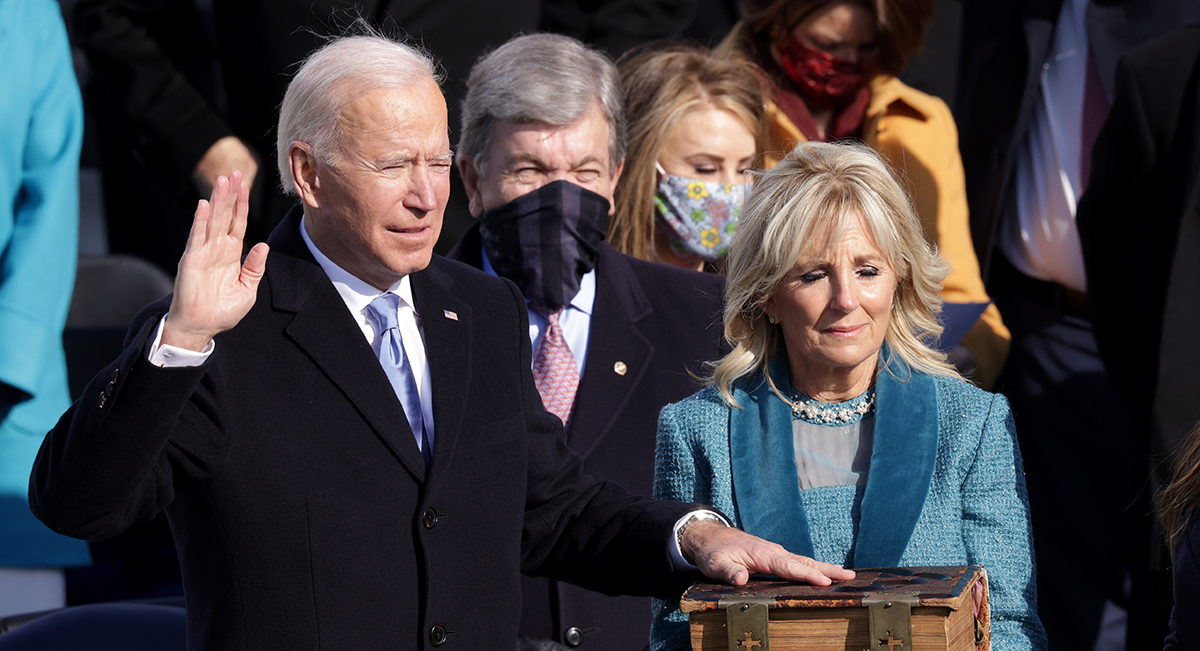
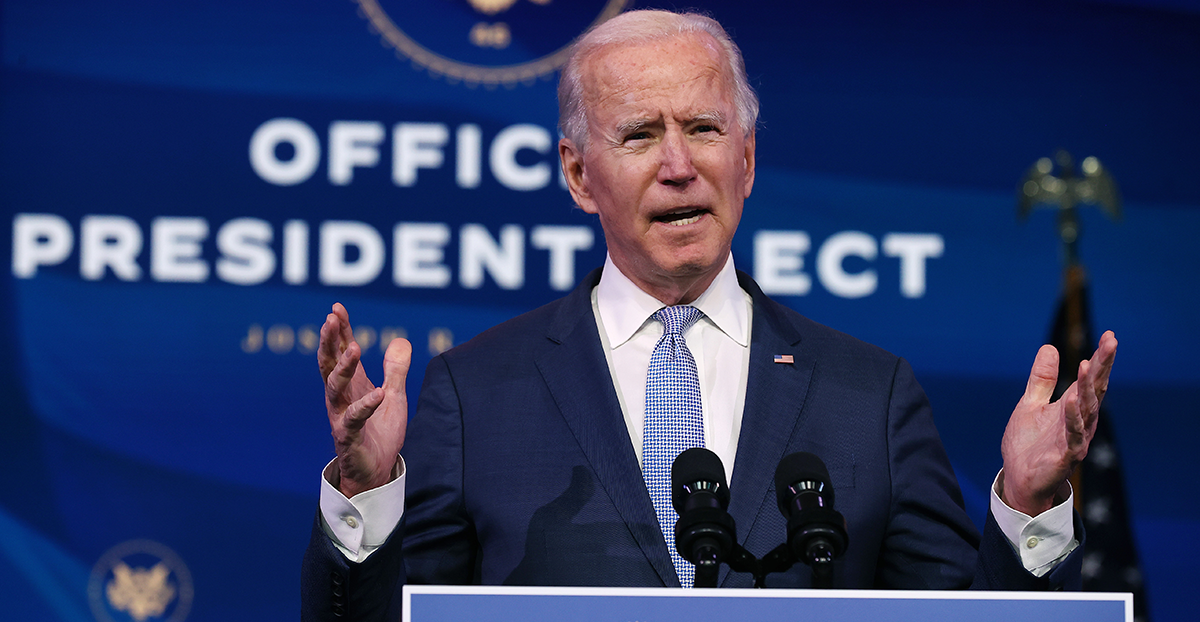
    With the latest polls suggesting a likely victory for the Democrats in the November U.S. presidential elections, a looming foreign policy crisis awaits a potential Biden administration: escalating tensions with Iran. While the Democrats’ “diplomacy first” approach has won praise across the Atlantic as the solution to deescalating tensions with Tehran, this Western-centric view ignores the changing reality on the ground in Iran. If Biden thinks he can return to the 2015 status quo, he may be in for a surprise.

    Regional transit trade isn’t enough to drive Pakistan’s Gwadar Port
    In this photograph taken on October 4, 2017, Pakistani labourers walk through Gwadar port. Remote and impoverished, Pakistan's Gwadar port at first glance seems an unlikely crown jewel in a multi-billion dollar development project with China aimed at constructing a 21st century Silk Road. Situated on a barren peninsula in the Arabian Sea, Gwadar, or the
  • Analysis
  • Regional transit trade isn’t enough to drive Pakistan’s Gwadar Port

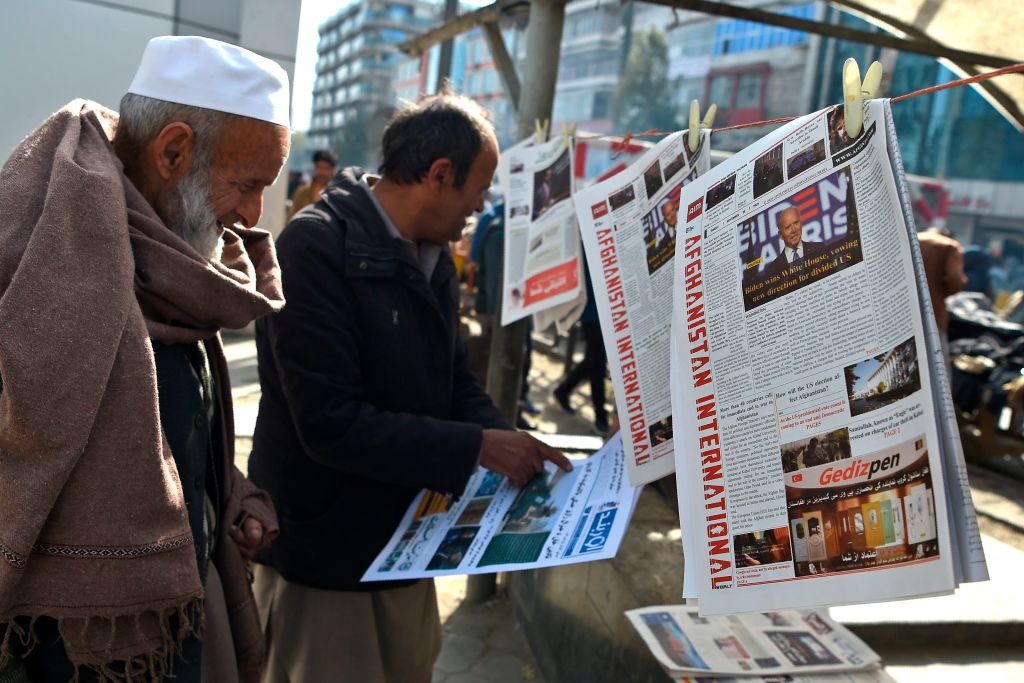
    Landlocked Afghanistan has begun using the Chinese-operated Pakistani port of Gwadar for transit trade — a development Pakistani officials see as marking the start of Gwadar’s role as a gateway port through the China-Pakistan Economic Corridor. Pakistan’s hope to develop the Arabian Sea port into a gateway for Afghanistan, Central Asia, and China’s Xinjiang region has been a long-standing one — and it is misguided. Islamabad should instead focus on local drivers to build the port and use it as a vehicle to develop the impoverished, but resource-rich region of southern Balochistan.

    October 14, 2020

    Jannah or Jahannam: Options for Dealing with ISIS Detainees
  • Analysis
  • Jannah or Jahannam: Options for Dealing with ISIS Detainees

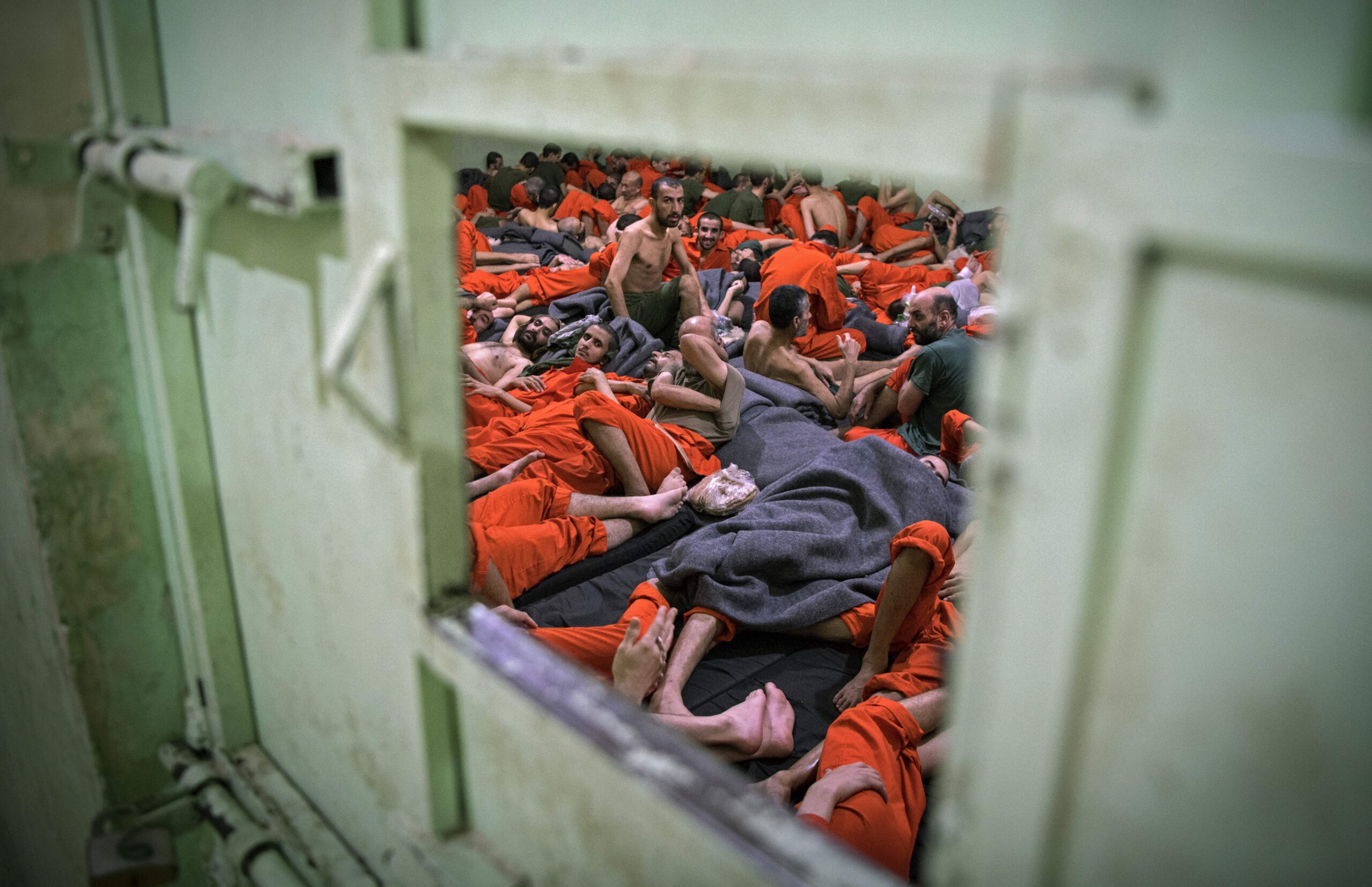
    Thousands of former ISIS fighters and tens of thousands of civilians indoctrinated in the group’s extremist ideology currently sit in prisons and refugee camps across Iraq and Syria. Leaving the detainees there is dangerous, but transitioning them will require some type of accountability for the crimes committed. This paper explores options for international action to deal with the detention of ISIS members from Iraq and Syria and the foreign terrorist fighters who joined the group from around the globe.

    Southern Syria: “Sibling feud” or engineered violence?
  • Analysis
  • Southern Syria: “Sibling feud” or engineered violence?

    The significant increase in tit-for-tat kidnappings between Daraa governorate and As-Suwayda governorate has become a defining characteristic of volatile southern Syria. Contrary to the belief of many, instances of kidnappings between the “plain” (Daraa) and “mount” (As-Suwayda) of Hauran, which have been occurring since at least 2011, are not driven by Sunni-Druze sectarian hatred. Rather, the deteriorating economy, decline of agriculture, unemployment, desperate poverty, and abundance of weapons are the core factors pushing many individuals to participate in criminal groups and engage in profit kidnapping, drug dealing, and gun running.

    Using digital tools, the IRGC strengthens its grip on power in Iran
    Photo by Iranian Supreme Leader Press Office/Handout/Anadolu Agency via Getty Images
  • Analysis
  • Using digital tools, the IRGC strengthens its grip on power in Iran

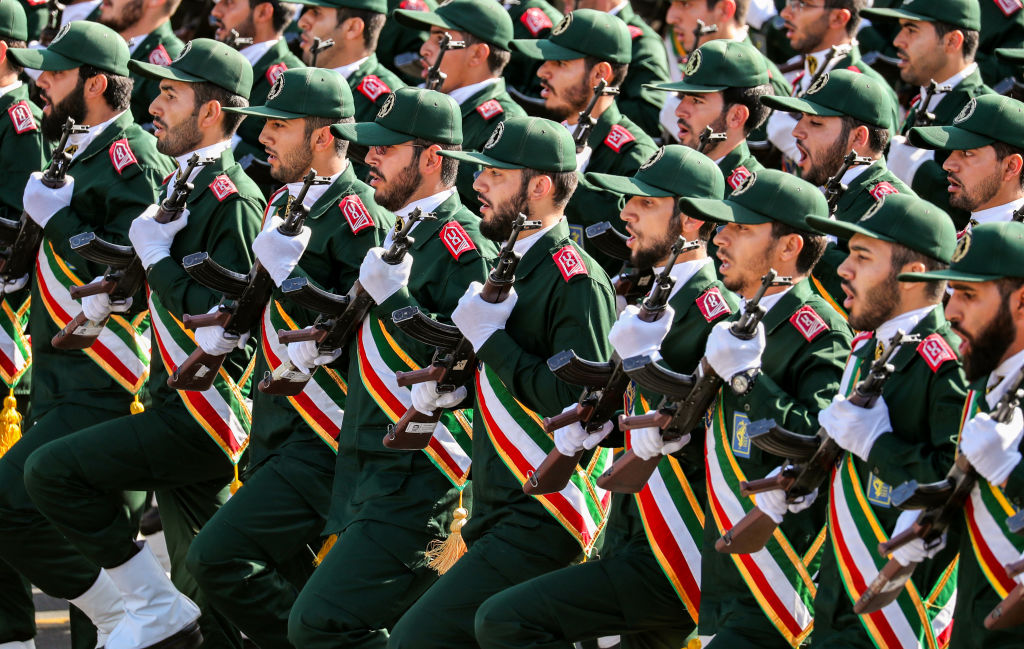
    Over the past decade, Iran has made a concerted push to expand its cyber capabilities, an effort in which the IRGC has played a central role. Given the IRGC’s expansive and growing power, scholars, analysts, and many Iran watchers have long thought that at some point it could take over control in Iran, replacing the theocratic government with a military one. As Iran approaches an inflection point over the issue of succession after Ayatollah Khamenei, that day could be coming soon, and the IRGC is well placed to bring about such a transition given the hybrid mix of physical and cyber capabilities that it has developed and perfected over recent decades.

    September 29, 2020

    How can China maintain good relations with both Israel and Iran?
  • Analysis
  • How can China maintain good relations with both Israel and Iran?

    In recent years, China has become increasingly involved in the international arena, including the Middle East. As a rising superpower, China finds itself, time and again, needing to maintain relationships with countries that are hostile to one another. This is particularly true in the Middle East, which is one of the most conflictual areas in the world. China faces a challenge as it seeks to maintain good relations with both Iran and Israel, two of the region’s fiercest and loudest adversaries. How does Beijing manage to do this, and can it continue to do so going forward?

    September 29, 2020

    Dictators and civilizational thinking in Iran: From the Great Civilization to Islamic Civilization
  • Analysis
  • Dictators and civilizational thinking in Iran: From the Great Civilization to Islamic Civilization

    Despite critical differences between the two political regimes that have dominated Iran for nearly a century, there are striking similarities between the Pahlavi monarchy (1925-1979) and the Islamic Republic (1979-present). Like Mohammad Reza Shah, Ayatollah Ali Khamenei has built a cult of personality around himself  and has engaged in “civilizational thinking” — a preoccupation with defining the eternal essence and world-historical destiny of Iran through references to a glorious (one might say “glorified”) collective past. Nonetheless, the two leaders have interpreted Iranian history in vastly differing ways that serve divergent ideological ends.

    September 28, 2020