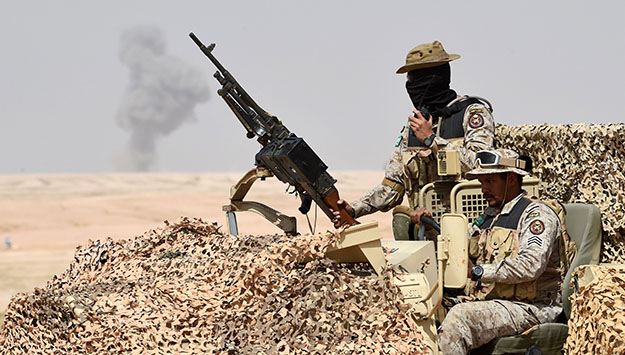
There are promising signs that the Saudi-backed coalition in Yemen’s assault on the port of Hodeida is opening a window of opportunity for a return to the political process. After a year of stalling, the Houthis have reportedly expressed a willingness to hand over operation of the port to a neutral third party, most likely the U.N. itself. Meanwhile, U.N.
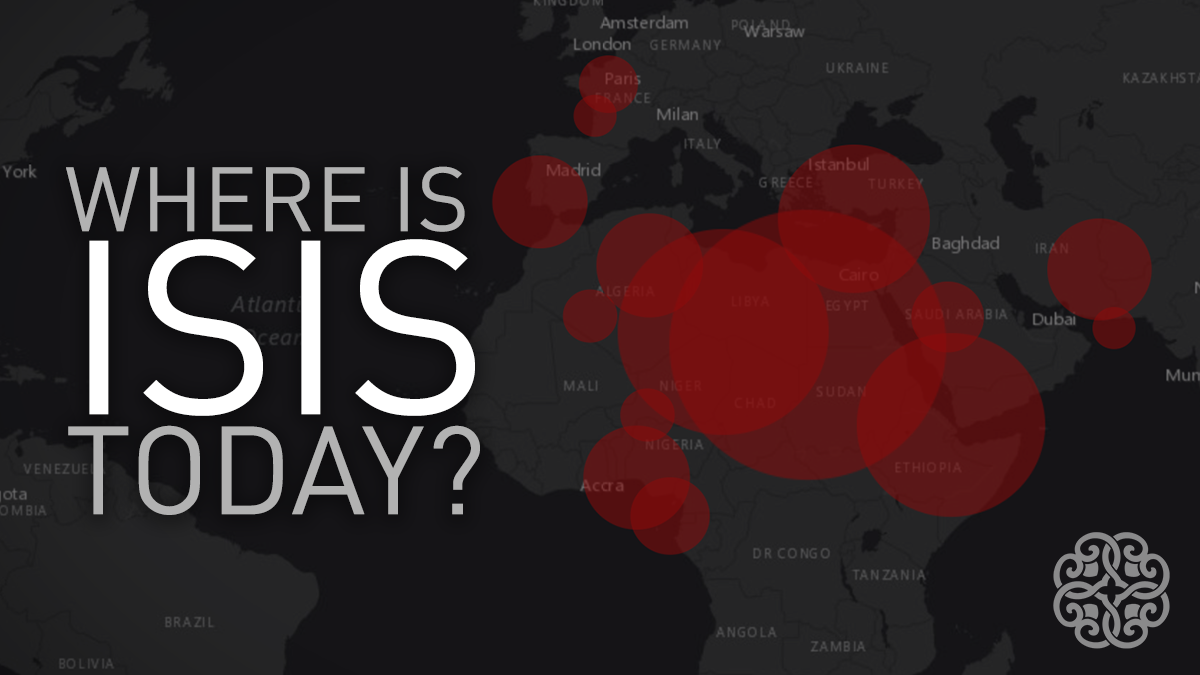
After years of international intervention, ISIS was routed from its Iraqi stronghold in Mosul and from its so-called capital in the Syrian city of Raqqa last year. However, the group remains dangerous both in the region and globally. Charles Lister discusses how ISIS is operating today, and what the international community must do to combat it.
Assad says Iran, like Russia, can set up military bases in Syria if needed
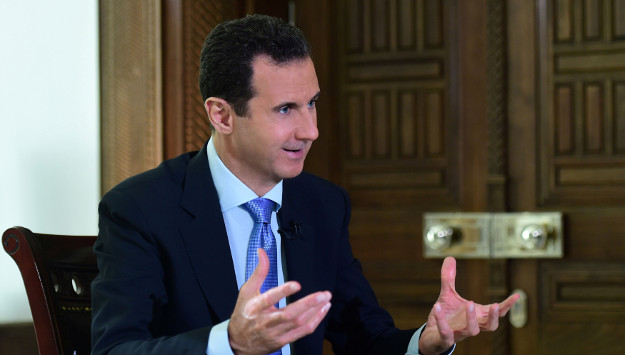
In an interview with a state-run Iranian TV channel, Syrian President Bashar al-Assad said that the evolving dynamics in southern and northern Syria would not alter “strategic” relations between Damascus and Tehran and emphasized that his government would be open to permitting Iran to establish military bases on the Syrian soil if needed. “After the liberation of Ghouta, a plan to advance toward southern Syria was discussed.
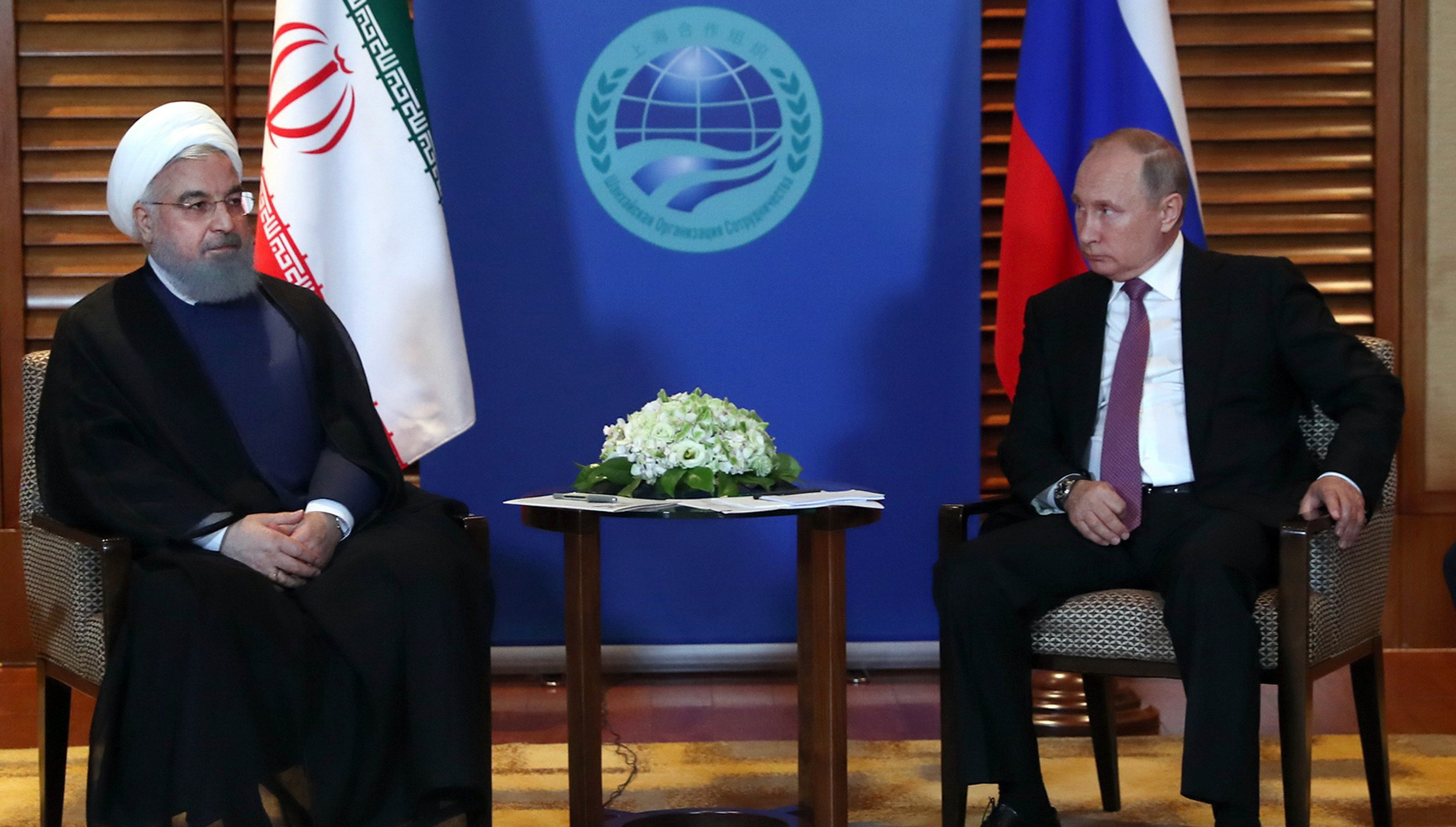
As international companies leave Iran under U.S. pressure, the Iranian government is scrambling to salvage as much foreign investment as possible. The top leadership in Tehran believes the solution is to engage with Russia, China, and the “east” to replace the West’s hesitant commitment to the Iranian market. But this eastward approach is a pipe dream, and there is plenty of history to prove it.
Several countries have engaged in a flurry of diplomatic moves in recent days to prevent combat between Israeli and Iranian forces in southern Syria from escalating into full-scale war. MEI senior fellows Robert Ford and Charles Lister join host Paul Salem to discuss these moves and the state of the Syrian conflict.
Europe has little wiggle room to keep Iran deal alive | Monday Briefing
In this week’s Monday Briefing, MEI experts Ahmad Majidyar, Alex Vatanka, Jean-François Seznec, Gerald Feierstein, Marvin G. Weinbaum, Gonul Tol, and Randa Slim provide analysis on recent and upcoming events including Europe’s scramble to salvage the Iran nuclear deal following the U.S. withdrawal, Iran’s response to Russia’s call for all foreign forces to leave Syria, a meeting by Saudi Arabia, the UAE and Russia to discuss the impact of new U.S. sanctions on Iran, the arrest of women’s rights activists in Saudi Arabia, new political tensions in Pakistan, a push in the U.S.
A tale of two elections: recapping the polls in Lebanon and Iraq
As Lebanon holds its first parliamentary elections in nine years and Iraq paves a way forward in the aftermath of the war against ISIS, many questions remain as to what the political future holds for both countries. The parliamentary elections in Lebanon on May 6, and in Iraq on May 12, serve as a barometer for transparency, inclusion, and the political realities in both countries. The polls have raised pressing political and governance issues such as how to overcome sectarianism, corruption, and economic stagnation in order to encourage further openness and plurality.
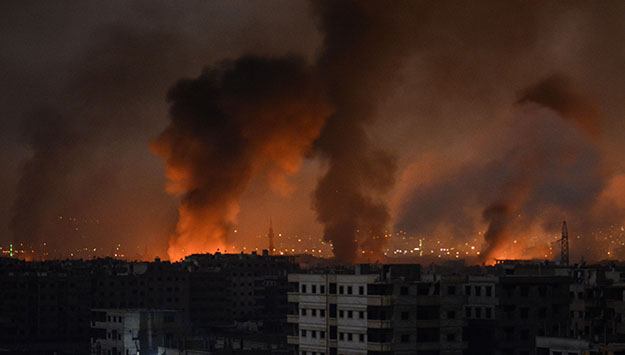
Two major events in the past few weeks have come into play regarding the future of a de-escalation zone in southern Syria from a Jordanian perspective. The first was the Western coalition’s missile strike on April 13 against Syrian regime positions in retaliation for an alleged chemical attack in the besieged Eastern Ghouta that took place on April 7.
The bombs continue to fall over Syria to the consternation of all concerned. Syrian president Bashar al-Assad warns of a conflict on Syrian soil that will embroil Israel, Iran, and Russia. “Things,” he says, “could spin out of control.”
The escalating violence between Iran and Israel in recent days is clear evidence of a new post-“Assad must go” phase in Syria’s ongoing misery.
In this week’s Monday Briefing, MEI experts Charles Lister, Gerald Feierstein, W. Robert Pearson, and Marvin G. Weinbaum provide analysis on recent and upcoming events including the escalating deterrence between Israel and Iran, Pompeo’s pressure to resolve the Gulf crisis, Turkey’s increasing isolation, and the Pashtun protests in Pakistan.
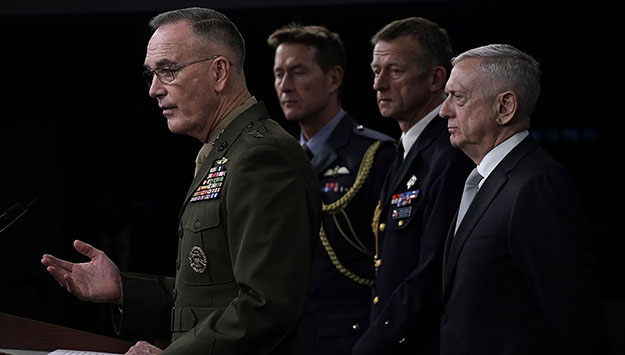
Amb. Robert Ford and Charles Lister join host Paul Salem to discuss last week’s U.S. airstrikes in Syria in response to the Assad government’s ongoing use of chemical weapons, what the Trump administration is signaling about America’s plans there, and the escalating standoff between Israeli and Iranian forces in the country.
How sustainable is Russian-Saudi energy cooperation?
Saudi Crown Prince Mohammed bin Salman told journalists in New York last week that the kingdom is looking at extending its oil production-cut deal with Russia for 10 to 20 years.
In this week’s Monday Briefing, MEI experts Charles Lister, Gonul Tol, Paul Salem, Alex Vatanka, and Marvin G. Weinbaum provide analysis on recent and upcoming events including the Syria strikes, Turkey’s Assad paradox, the Arab League summit, EU’s view of the Iran nuclear deal, and clashes along the Afghanistan-Pakistan border.