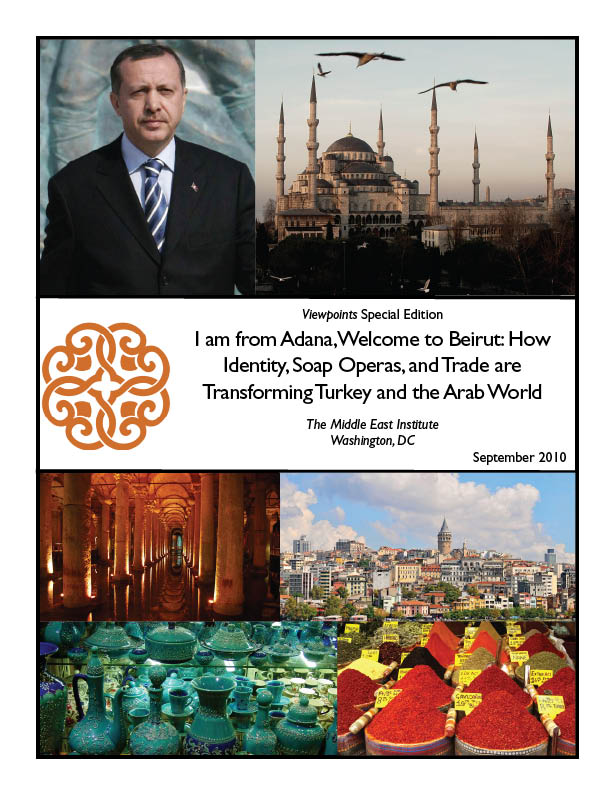
Turkey’s growing links with the Arab world are evolving on multiple levels and reflect key shifts in the diplomacy, economy, and society of much of the Middle East. They also reflect Turkey’s desire to utilize its close links to Western nations, its neighbors, and other nations to expand its economy and to have greater influence in global politics.
The Third Annual Conference on Turkey: Regional and Domestic Challenges for an Ascendant Turkey
The Middle East Institute’s Center for Turkish Studies in collaboration with the Institute of Turkish Studies present:”Regional and Domestic Challenges for an Ascendant Turkey” June 27th, 20129:00am-5:00pmNational Press Club529 14th Street, NW 13th FloorWashington, DC 20045 Conference Schedule:8:45am – 9:00am: Registration9:00am – 9:15am: WelcomeAmb. Wendy J. Chamberlin, Middle East InstituteGönül Tol, MEI’s Center for Turkish StudiesRoss Wilson, Institute of Turkish Studies 9:15am – 10:00am: Opening KeynoteSenator John McCainUnited States Senate 10:00am – 10:30am: KeynoteAmb.
The Third Annual Conference on Turkey: Regional and Domestic Challenges for an Ascendant Turkey
The Middle East Institute’s Center for Turkish Studies in collaboration with the Institute of Turkish Studies present:”Regional and Domestic Challenges for an Ascendant Turkey” June 27th, 20129:00am-5:00pmNational Press Club529 14th Street, NW 13th FloorWashington, DC 20045 Conference Schedule:8:45am – 9:00am: Registration9:00am – 9:15am: WelcomeAmb. Wendy J. Chamberlin, Middle East InstituteGönül Tol, MEI’s Center for Turkish StudiesRoss Wilson, Institute of Turkish Studies 9:15am – 10:00am: Opening KeynoteSenator John McCainUnited States Senate 10:00am – 10:30am: KeynoteAmb.
The Third Annual Conference on Turkey: Regional and Domestic Challenges for an Ascendant Turkey
The Middle East Institute’s Center for Turkish Studies in collaboration with the Institute of Turkish Studies present:”Regional and Domestic Challenges for an Ascendant Turkey” June 27th, 20129:00am-5:00pmNational Press Club529 14th Street, NW 13th FloorWashington, DC 20045 Conference Schedule:8:45am – 9:00am: Registration9:00am – 9:15am: WelcomeAmb. Wendy J. Chamberlin, Middle East InstituteGönül Tol, MEI’s Center for Turkish StudiesRoss Wilson, Institute of Turkish Studies 9:15am – 10:00am: Opening KeynoteSenator John McCainUnited States Senate 10:00am – 10:30am: KeynoteAmb.
The Third Annual Conference on Turkey: Regional and Domestic Challenges for an Ascendant Turkey
The Middle East Institute’s Center for Turkish Studies in collaboration with the Institute of Turkish Studies present:”Regional and Domestic Challenges for an Ascendant Turkey” June 27th, 20129:00am-5:00pmNational Press Club529 14th Street, NW 13th FloorWashington, DC 20045 Conference Schedule:8:45am – 9:00am: Registration9:00am – 9:15am: WelcomeAmb. Wendy J. Chamberlin, Middle East InstituteGönül Tol, MEI’s Center for Turkish StudiesRoss Wilson, Institute of Turkish Studies 9:15am – 10:00am: Opening KeynoteSenator John McCainUnited States Senate 10:00am – 10:30am: KeynoteAmb.
The Third Annual Conference on Turkey: Regional and Domestic Challenges for an Ascendant Turkey
The Middle East Institute’s Center for Turkish Studies in collaboration with the Institute of Turkish Studies present:”Regional and Domestic Challenges for an Ascendant Turkey” June 27th, 20129:00am-5:00pmNational Press Club529 14th Street, NW 13th FloorWashington, DC 20045 Conference Schedule:8:45am – 9:00am: Registration9:00am – 9:15am: WelcomeAmb. Wendy J. Chamberlin, Middle East InstituteGönül Tol, MEI’s Center for Turkish StudiesRoss Wilson, Institute of Turkish Studies 9:15am – 10:00am: Opening KeynoteSenator John McCainUnited States Senate 10:00am – 10:30am: KeynoteAmb.
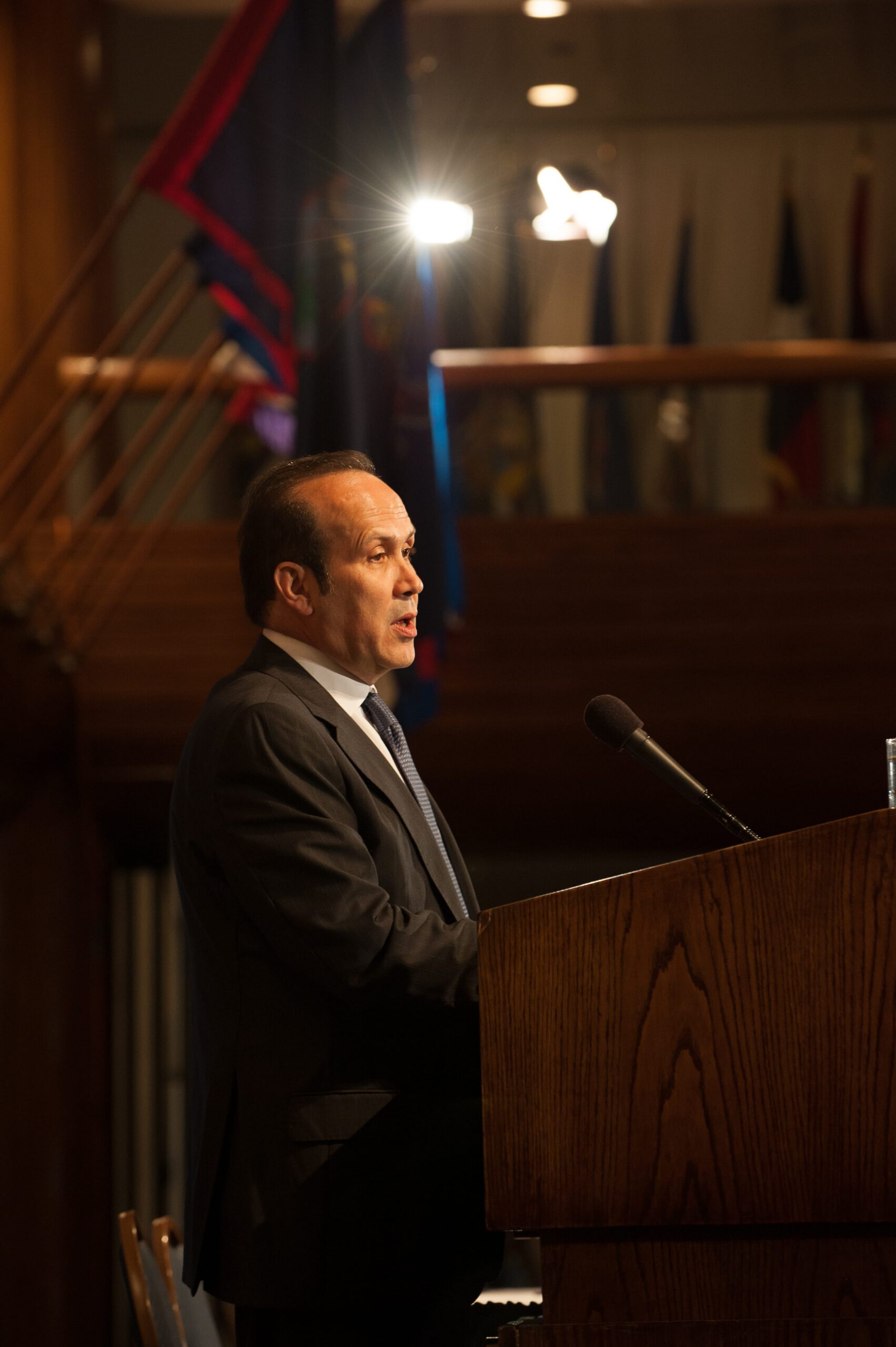
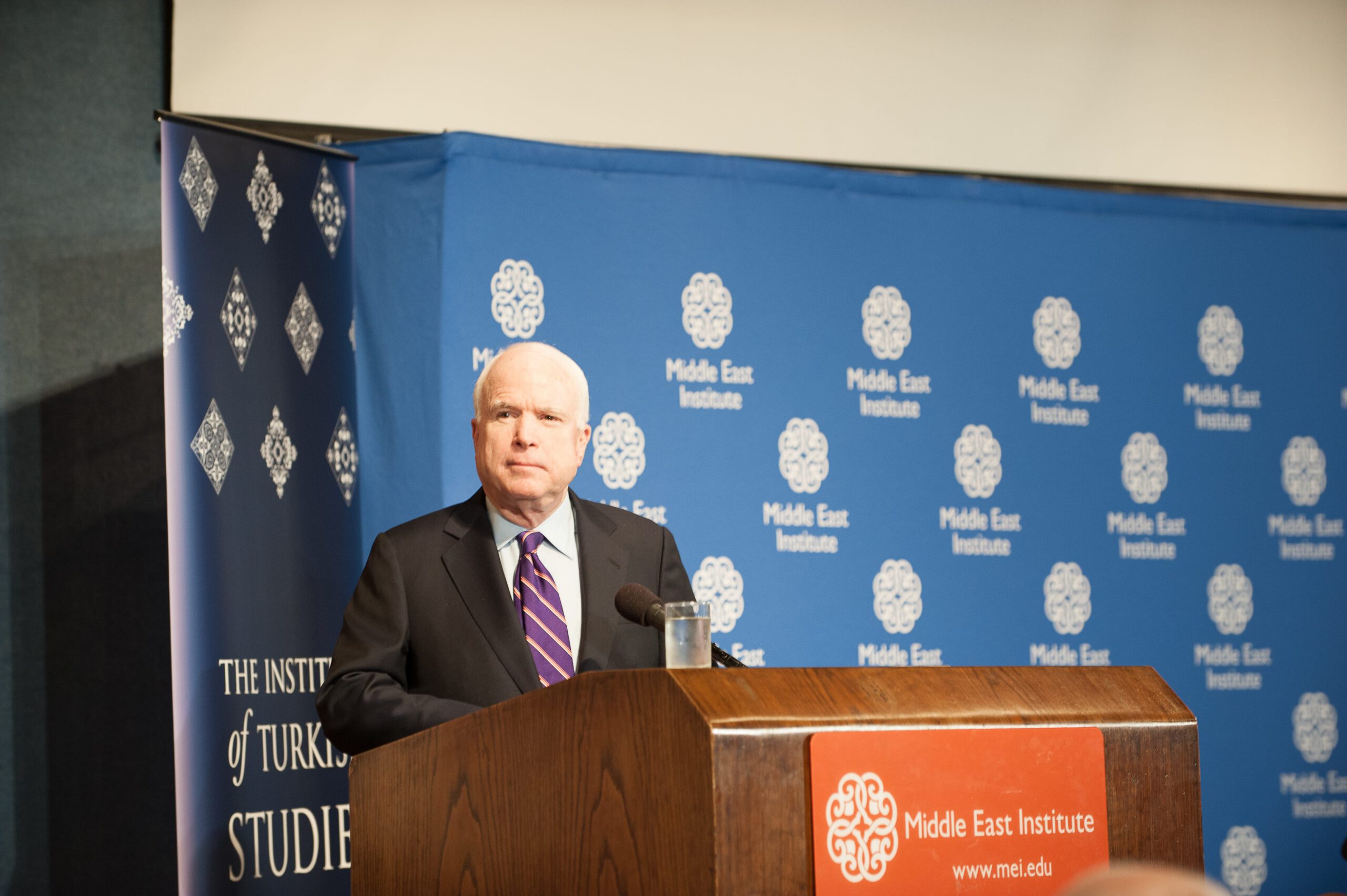
Senator John McCain was uncharacteristically subdued in a key note address yesterday to the Middle East Institute/Institute of Turkish Studies conference on Turkey. He prodded President Obama to be more outspoken in denouncing the Assad regime and advocated a “safe zone” inside Syria along the Turkish border, but only in response to a question. He discounted the likelihood of NATO action, which the Europeans oppose, and suggested that the U.S. and Turkey should form the core of a coalition of the willing to support the Syrian opposition with arms and training.
Turkey’s popular and outspoken Prime Minister, Recep Tayyip Erdogan, was treated to a hero’s welcome last week when he met with Syrian refugees for the first time since Turkey opened its doors to the thousands of people fleeing Bashar Al-Assad’s crackdown. Erdogan’s pledge to defend the rights of the Syrian people and his call for Assad’s removal, however, fell short of expectations. Although Erdogan’s speech drew some applause, it was also interrupted by shouts of “We want arms for the Free Syrian Army and a buffer zone inside Syria!” The Turkish PM’s reiteration of his previous positi