Afghan Official Says Iran Is Fueling Sectarian Tension in Western Provinces
The BBC Persian reports that Iran has significantly expanded its ideological, cultural and economic sphere of influence in Afghanistan’s western province of Nimroz and is inflaming sectarian tension in the province.
Top Afghan Leader Orders Probe into Iran’s Support for Terrorists in Helmand
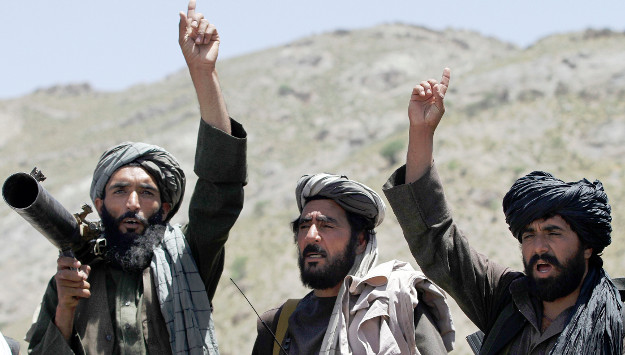
Afghanistan’s Chief Executive Abdullah Abdullah has called for an investigation into the latest reports of the Iranian government’s ties with the Taliban, the Afghan media reports.
Iran-Backed Shiite Militias Ready to Take West Mosul
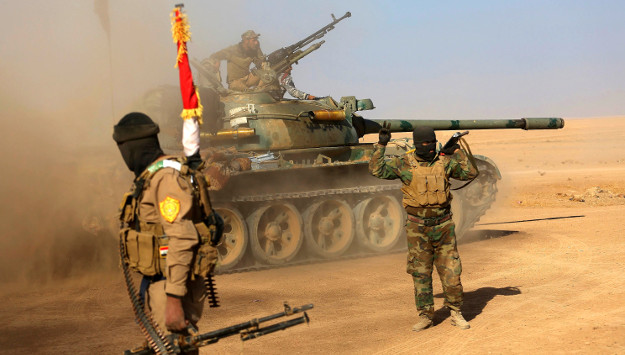
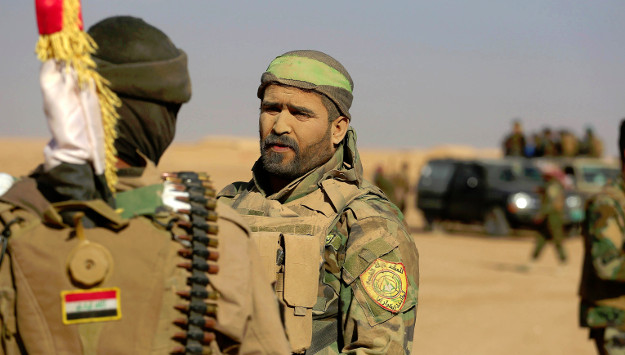
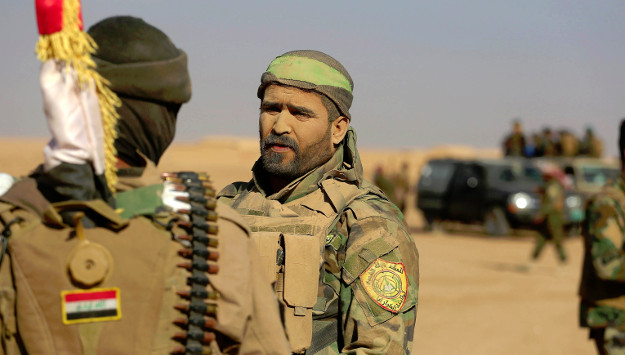
Fars News, an outlet affiliated with Iran’s Islamic Revolution Guards Corps (I.R.G.C.), has published an interview with the spokesperson of the Hashd al-Shaabi (Popular Mobilization Force), on the question of the military campaign to free the Iraqi city of Mosul from the Islamic State. Ahmad al-Assadi, the spokesperson of the Shiite-dominated Iraqi paramilitary organization, claimed in the interview that the next phase of operations to liberate west of Mosul from the Islamic State is underway.
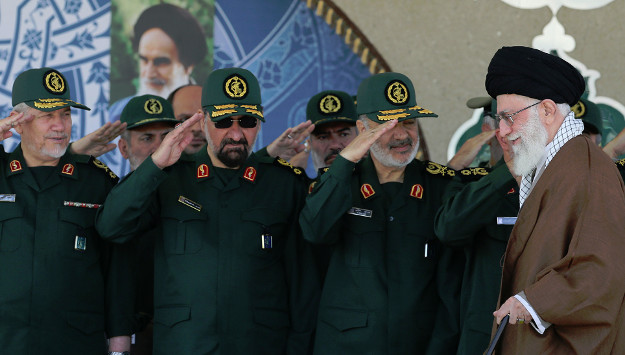
IRGC-Controlled Media Continue to Glorify Iraqi Shiite Militias
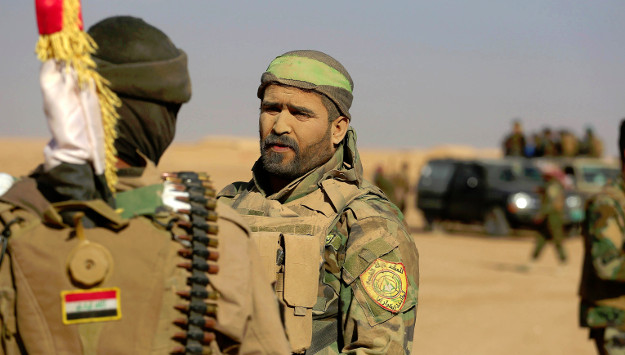
Tasnim News, an outlet that is affiliated with Iran’s Islamic Revolution Guards Corps (IRGC), has published a rare video footage of its correspondent’s account of Shiite militia operations in Iraq. In what the outlet calls “exclusive” video, the correspondent is seen accompanying fighters from Hashd al-Shaabi (Popular Mobilization Force) in the battle for Mosul against fighters from the Islamic State.
Iranian-state media have been defending Iraj Masjedi, Tehran’s new ambassador to Baghdad. Masjedi is a member of the Qods Force, the external branch of the Islamic Revolution Guards Corps. Al-Alam, the Iranian-sponsored media outlet that is aimed at the Arabic-speaking world, quoted Iraq’s National Security Advisor, Falih al-Fayyad, to say that Masjedi is welcome in Baghdad and that “he is someone [Iraqis] know and appreciate for his past record in Iraq.”
Iran-Backed Militia Units Continue West Mosul Operations
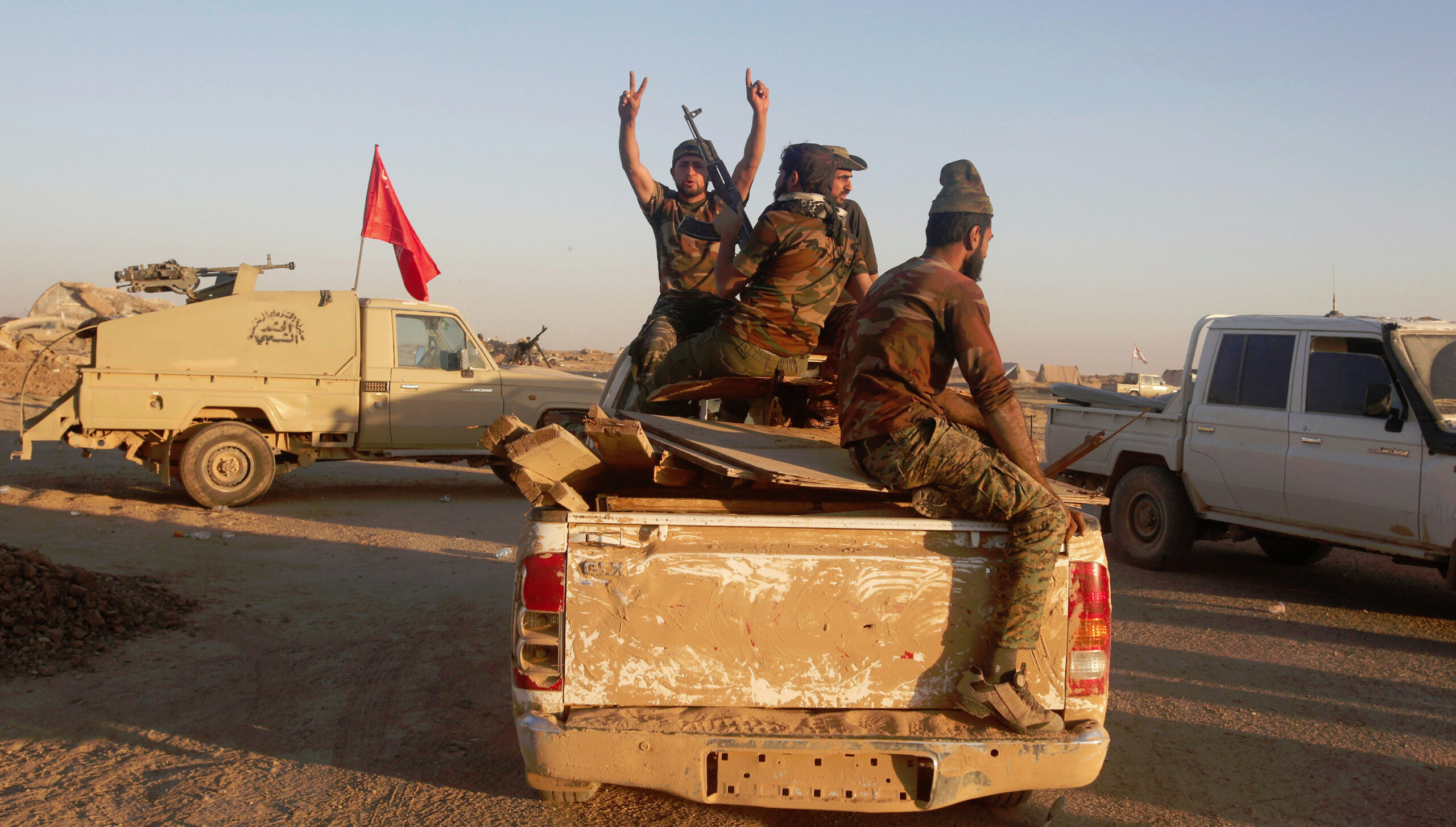
A senior Iraqi official has said that the Popular Mobilization Force (PMF) will take part in the “liberation” of western Mosul. “The popular mobilization forces in Nineveh Province will participate in the liberation operation of Tal Afar,” Iraqi National Security Advisor Falih al-Fayyad said in an interview with Iranian state-run Al-Alam News Network published on January 23.
Baghdad Will “Welcome” Iran’s Controversial Ambassador Pick
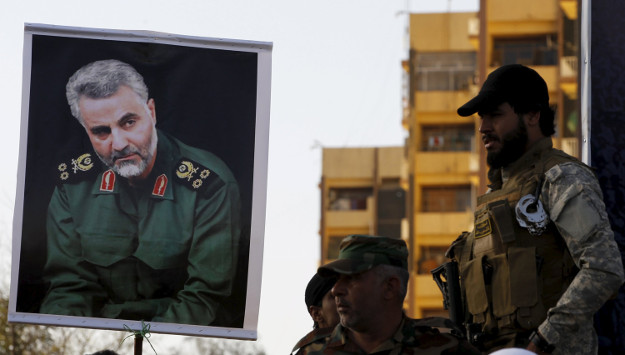
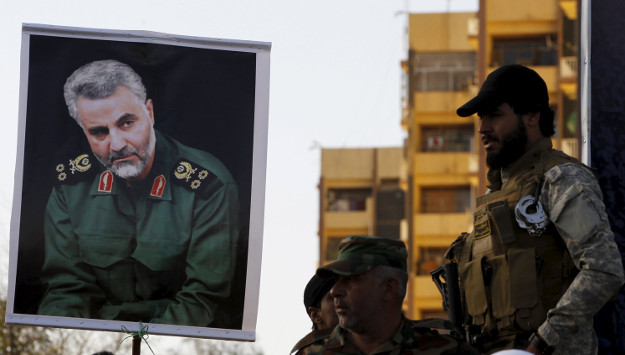
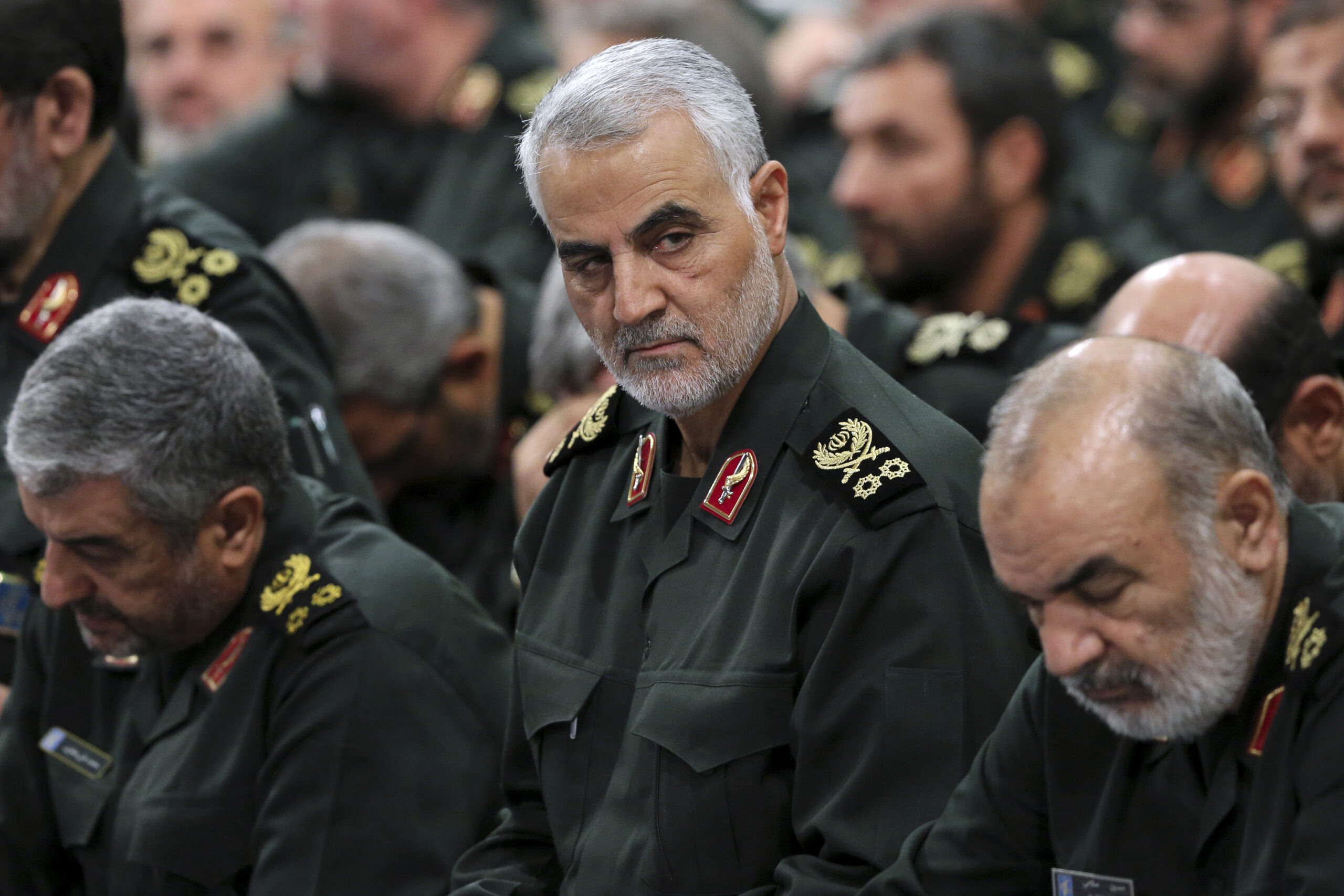
A senior Iraqi official has said that Baghdad will welcome Iran’s controversial pick to be its next ambassador to Iraq. Earlier this month, the Iranian media reported that Brigadier General Iraj Masjedi, a senior advisor to Quds Force Commander Qassem Suleimani, will be Iran’s next envoy to Iraq. The news drew criticism from Saudi officials.
Iranian Delegation Reportedly Visited Helmand to Deliver Weapons to Taliban
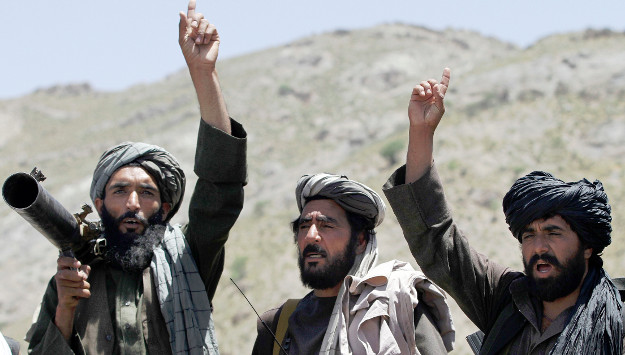
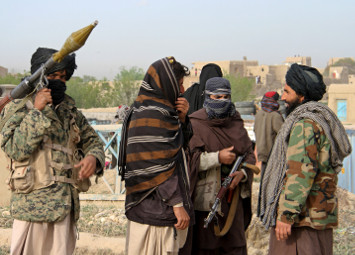
Afghan officials say Iran has recently sent a delegation to meet with Taliban commanders in the restive province of Helmand. On January 23, Hayatullah Hayat, the governor of Helmand, told Afghanistan’s 1TV channel that the National Directorate of Security was probing allegations that the Iranian team also delivered weapons to the Taliban militants in Helmand’s Garmsir District.
Iran Recruits and Trains Large Numbers of Afghan and Pakistani Shiites
While much ink has been spilled about how Iran’s involvement in the Syrian civil war has fueled sectarianism and instability in the Arab world, the implications of Iran’s increasing recruitment of Afghan and Pakistani Shiites on security and stability in South Asia have largely been overlooked. Over the past five years, the Islamic Revolution Guards Corps (IRGC) has recruited, indoctrinated, trained and deployed thousands of Afghan and Pakistani Shiites to fight under its command against Sunni rebel groups across Syria.
Iranian General Calls for Closure of Saudi Consulate in Erbil
In the latest example of Iranian interference in Iraq, a top Iranian general has said that the presence of the Saudi consulate in Erbil, the capital of Iraq’s semi-autonomous Kurdish region, is not “just