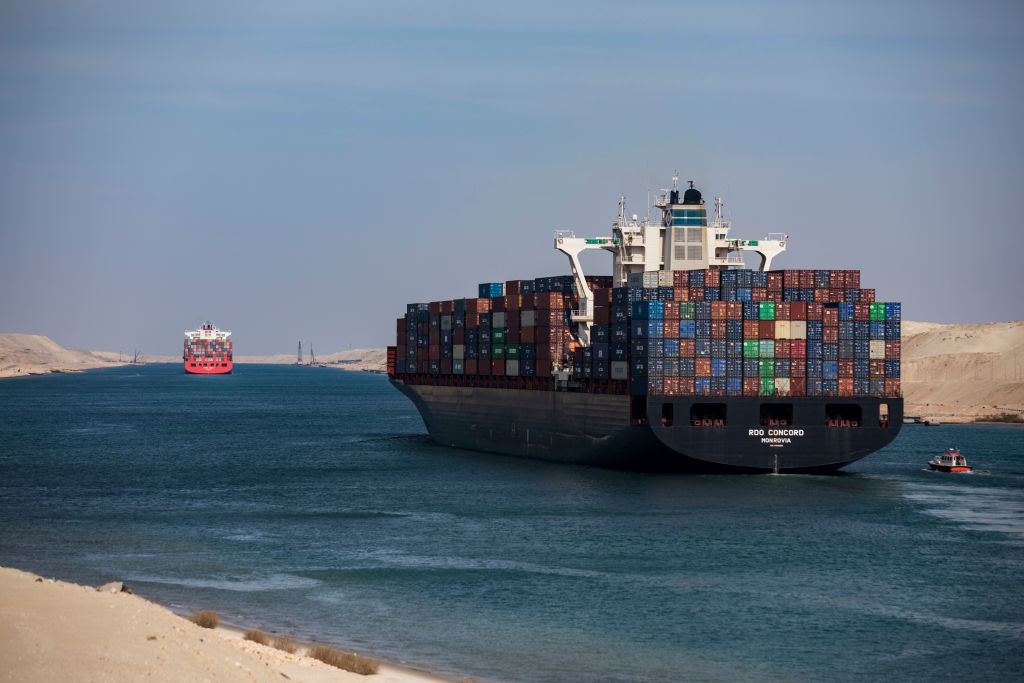
Egypt’s Suez Canal: A ray of light amid the economic gloom
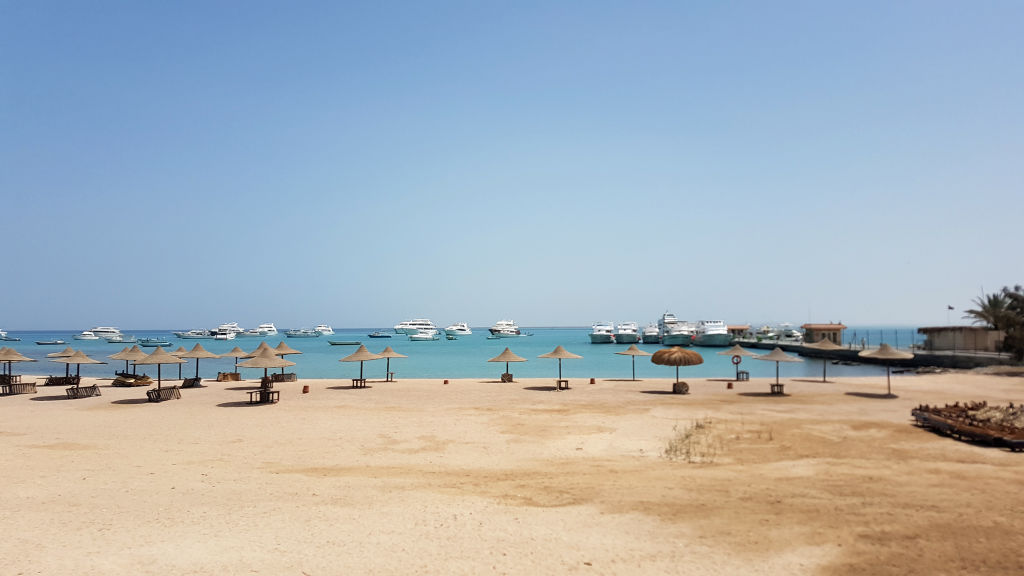
It’s difficult to overstate the importance of the Canal to the international shipping trade, but it’s importance to Egypt economy is even greater still.
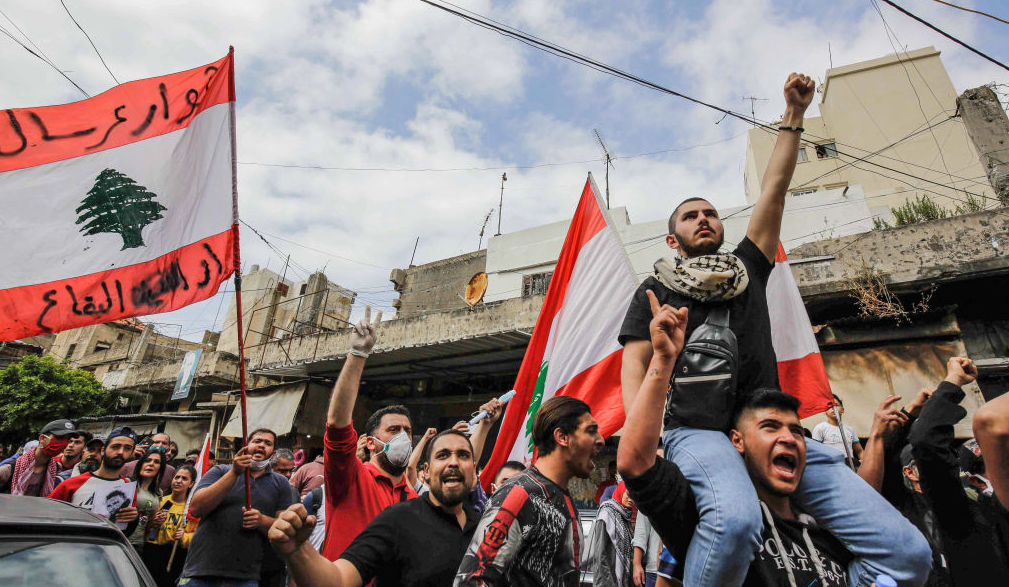
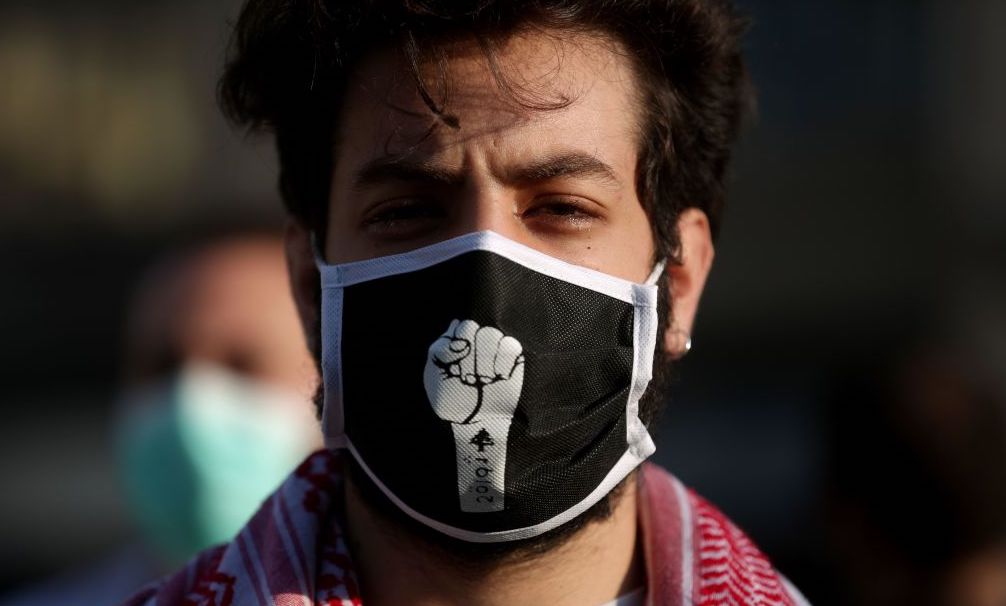
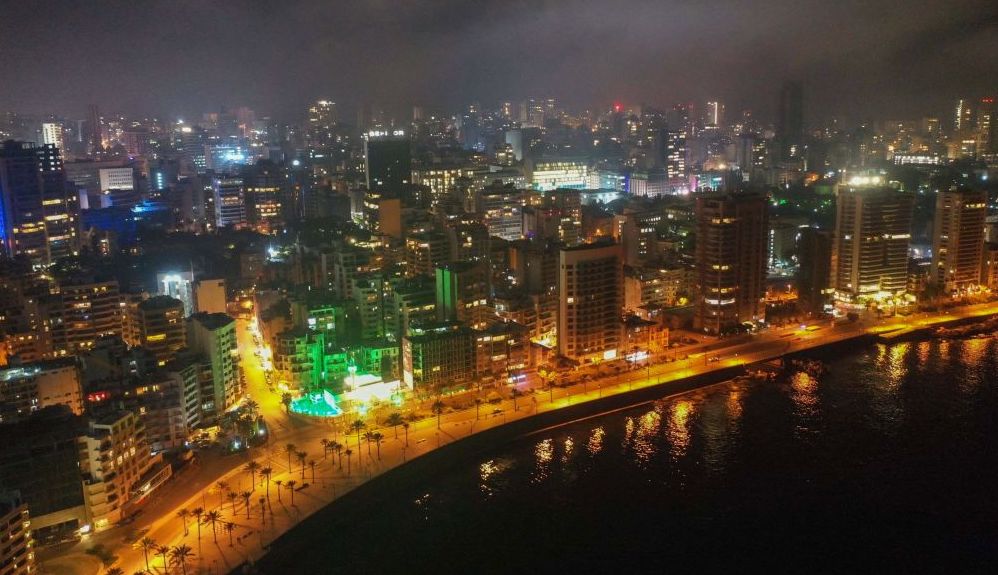
Waiting for the bad to get worse: Lebanon in the time of corona
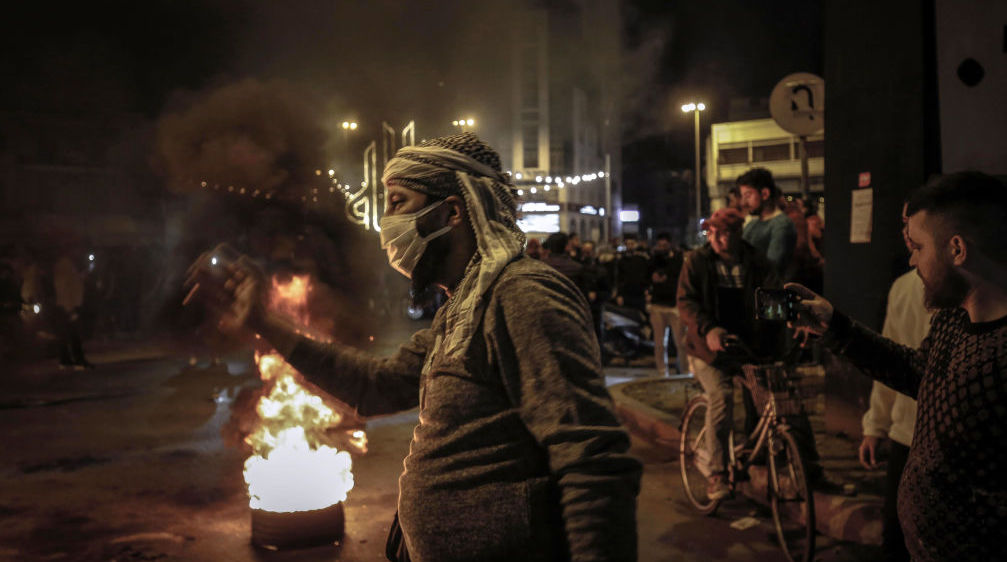
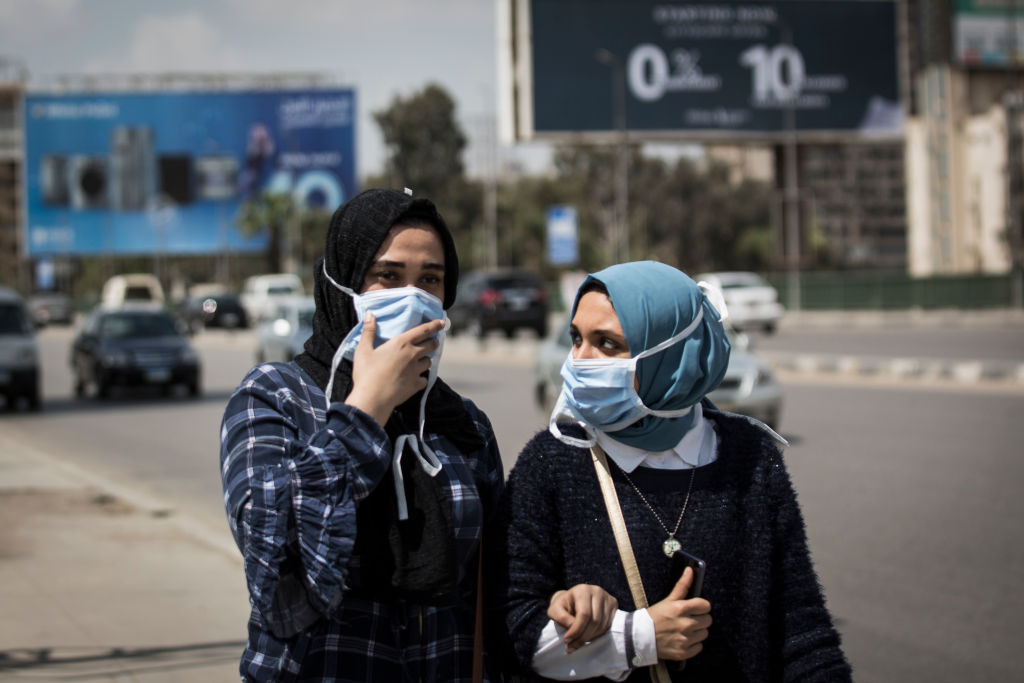
In a country already beset by economic and financial crises, COVID-19-related lockdown measures, without accompanying government assistance, are increasingly pushing impoverished residents to the brink. Lockdown measures will gradually start to lift this week. But the lockdown only accelerated the inevitable economic freefall and lifting the measures will not solve the country’s economic woes. “There is a predicament coming that is much bigger than corona … the economy is the bigger crisis,” a political activist in Dahiyeh says.
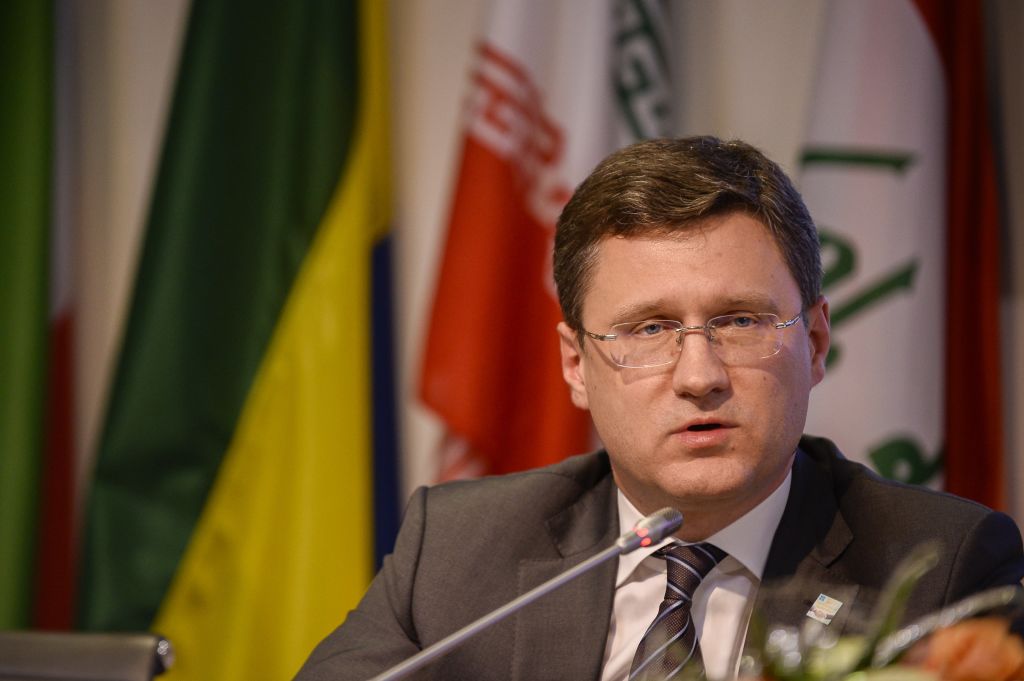
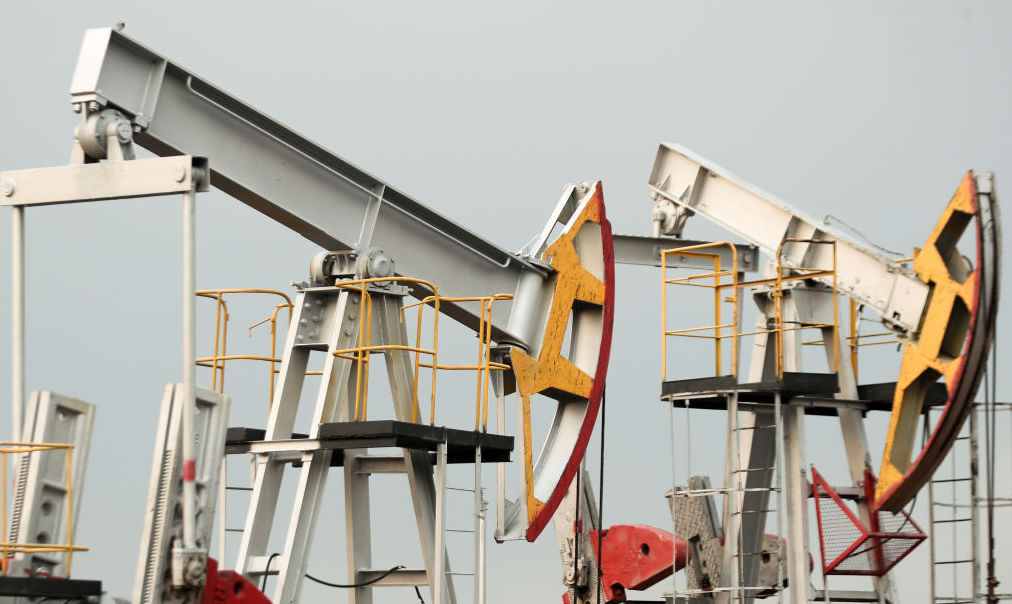
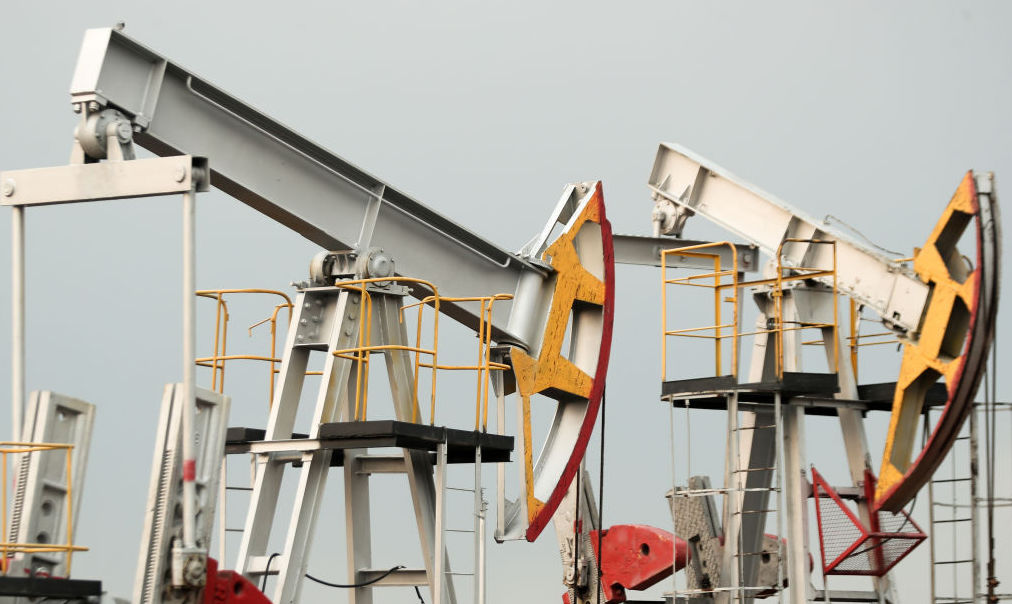
The April 12 OPEC+ deal to cut oil production that ended the disastrous five-week Saudi Arabia-Russia price war is a short-term fix for the global industry, but will not resolve the larger problem of over-production. The price war heightened animosity between Riyadh and Moscow and calls into question whether the OPEC+ partnership will ever be the same again.
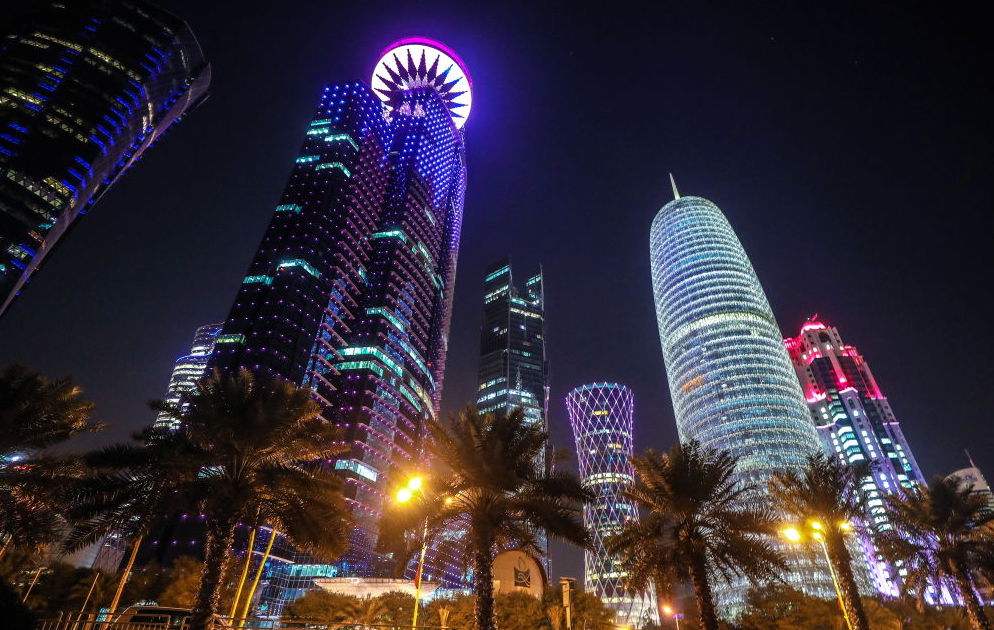
In an effort to boost its economic competitiveness, Qatar is hedging its bets on emerging technologies. The Gulf sheikhdom, eager to diversify its gas-dependent economy, is cultivating various technological areas, notably artificial intelligence (AI).
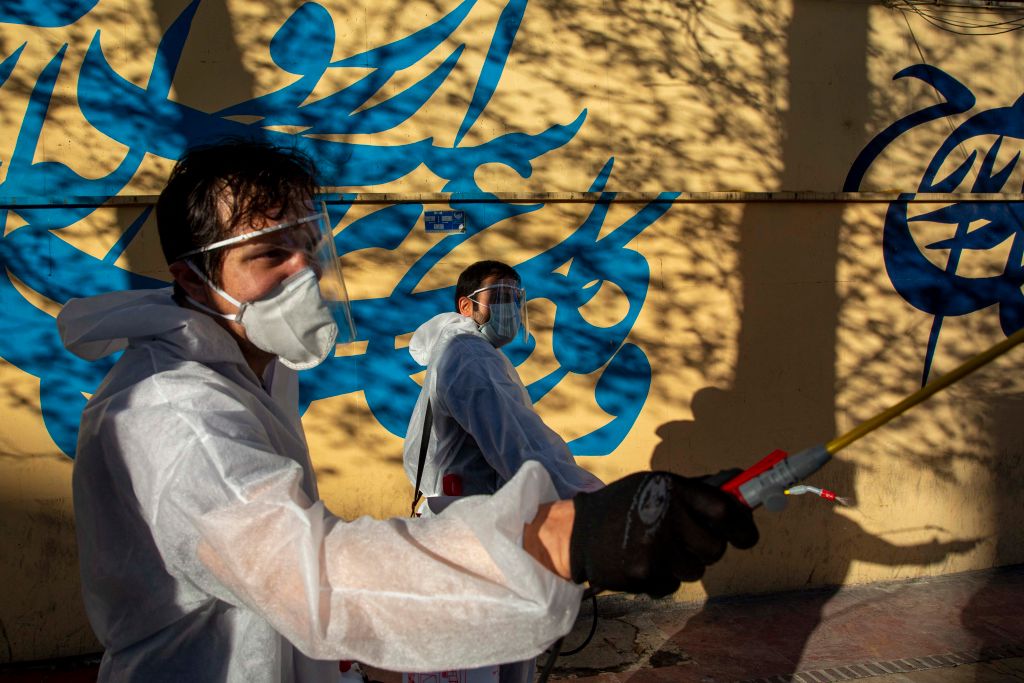
COVID-19 presents a major threat to the global economy and the health of millions of people around the world, but its impact on Iran, one of the early epicenters of the outbreak, has been particularly severe.
COVID-19, the oil price war, and the remaking of the Middle East
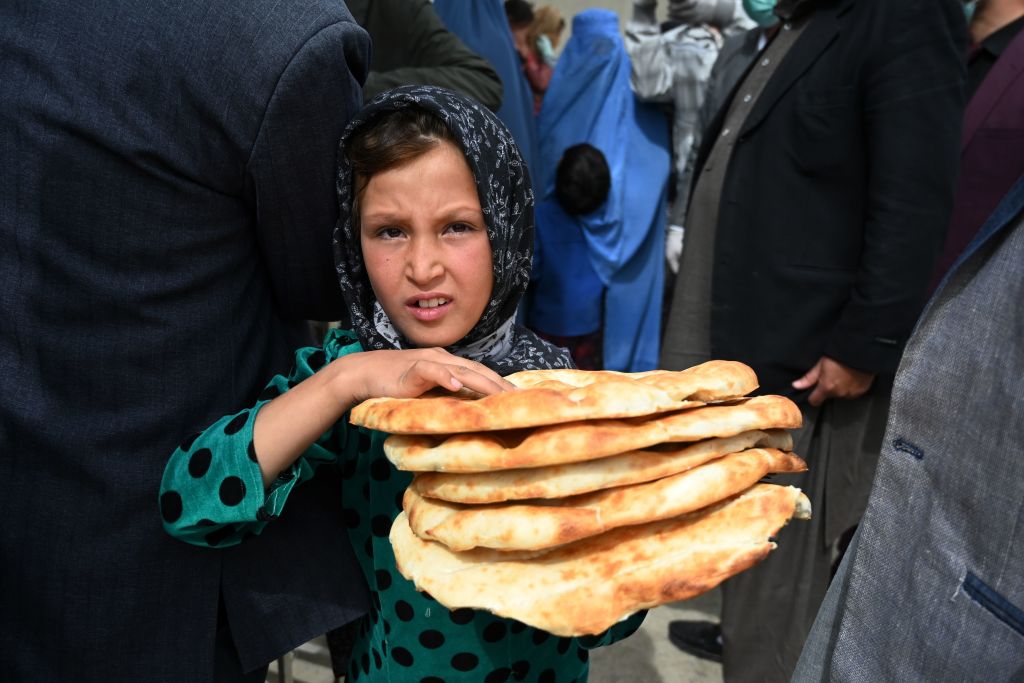
The Middle East is facing an unexpected turning point. The region will not look the same after COVID-19 as it did before it. The geoeconomics and geopolitics of the world are in free fall because of COVID-19, the oil price war, and a severe economic shutdown. For the Middle East and the Gulf monarchies in particular, the oil price war against Russia and U.S. shale and the shutdown of economies around the world have increased the pressure on the Gulf’s already-depleted financial resources, which usually act as a safety valve for the turbulent region.