Locating Syria in India’s Diplomacy toward West Asia
India has sought to continue its five-decade long cordial relationship with Syria despite the conflict raging there, and has been providing muted support for Bashar al-Assad’s government. However, as the Syrian conflict has dragged on, it has become increasingly clear that the conflict in Syria is the epicenter of the tremors that are shaking the region, placing India’s own national interests at risk. This essay examines the arc of India’s policy toward the Syrian crisis, within the context of the broader thrust of Indian foreign policy towards West Asia under Prime Minister Narendra Modi.
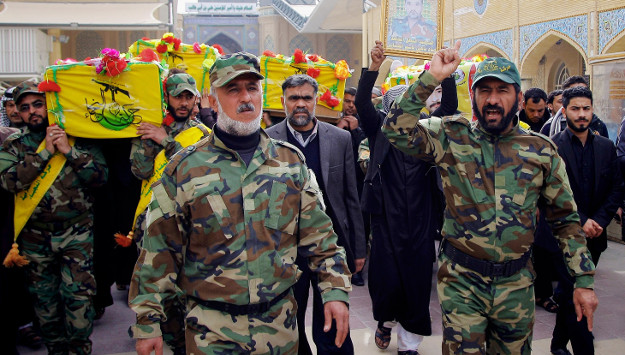
Iran-Backed Militia Group Calls for Collective Action to Reclaim Golan Heights, Destroy Israel
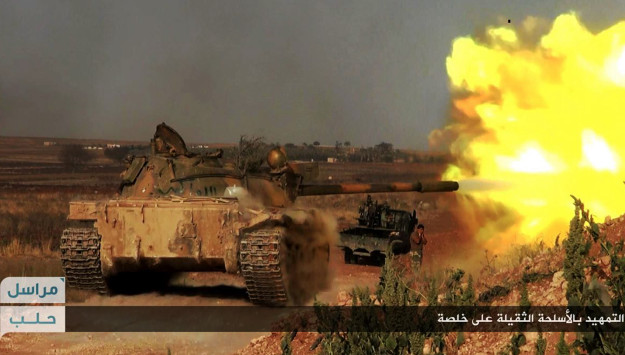
Over the past six years, Iran has played a key role in propping up the embattled regime of Bashar al-Assad in Syria, by sending Islamic Revolution Guards Corps (I.R.G.C.) military personnel as well as recruiting, funding, training and leading an extensive network of Iraqi, Lebanese, Pakistani and Afghan Shiite militia forces.
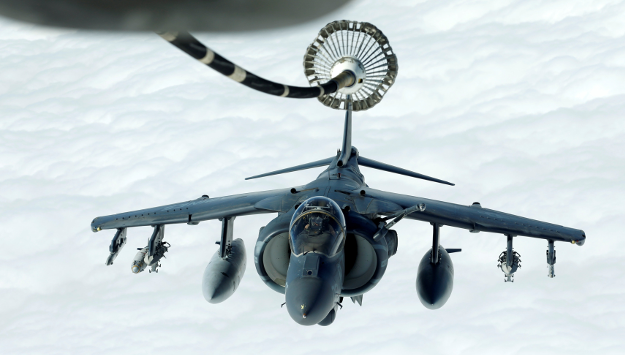
Arab Leaders Accuse Iran of Sharing Missile Technology with Houthi Rebels in Yemen
Major General Ahmed al-Assiri, the spokesperson of the Saudi-led coalition forces, has accused Iran of intensifying and prolonging the Yemeni conflict by supporting Houthi rebels, including sharing missile technology with the militants.
Peace in Yemen Requires Bridging North-South Divide
The Yemeni civil war, which began in March 2015, has become another quagmire in the Middle East with increasingly sectarian overtones. However, sectarianism is not the only dimension to this conflict. Indeed, the war has straddled a number of cleavages in Yemeni society, including the north-south divide. The Southern Nationalist Movement, an umbrella platform known locally as Hirak, presents a major obstacle to peace as it continues to call for secession for the south.
In this week’s Monday Briefing, MEI experts Charles Lister, Randa Slim, Paul Salem, and Eran Etzion provide analysis on recent and upcoming events including the meeting of the anti-ISIS coalition in D.C., the Iraqi Prime Minister’s visit to the U.S., the upcoming Arab League summit, and Israeli Prime Minister Netanyahu’s visit to China.
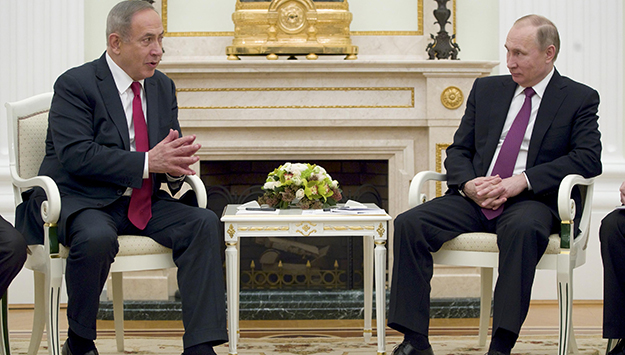
The Israeli prime minister’s visit to Moscow last week offered Israel and Russia an opportunity to ‘synchronize watches’ as a new phase in the Syrian war unfolds.
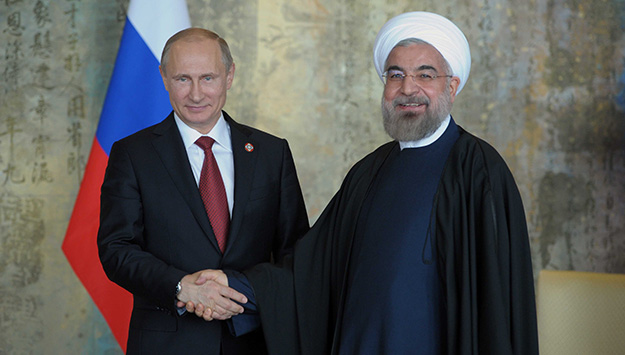
The visit was short and business-like. Prime Minister Benjamin Netanyahu left Tel Aviv in the morning and was back in Jerusalem that same evening. But his meeting with President Vladimir Putin, their fourth since the Russian intervention in September 2015, was long enough to reaffirm the principles that have enabled both Russia and Israel to protect their core interests in Syria.
Iranian Lawmaker: Washington’s “Safe Zone” Plan Won’t Change Balance of Power in Syria
A senior Iranian lawmaker says the Trump administration and its allies will not be able to establish safe zones in Syria, and that the deployment of American troops to Syria will also not change the trajectory of war in the Arab country, the Iranian Parliament’s official website reports.