Skip to Content

Research & Commentary Results

Filter by
1233 Results
De-Ba`thification in Iraq: How Not to Pursue Transitional Justice
Middle East Institute
  • Analysis
  • De-Ba`thification in Iraq: How Not to Pursue Transitional Justice

    The de-Ba`thification process in Iraq has fallen profoundly short as a transitional justice mechanism over the past decade. Poorly conceived, badly implemented, and controlled by hard-liners, the process has been so highly politicized that it has eroded the rule of law and intensified the sectarian tensions that are at the heart of the violence haunting Iraq.

    January 30, 2014

    Qanats and Water Cooperation for a Sustainable Future
    Middle East Institute
  • Analysis
  • Qanats and Water Cooperation for a Sustainable Future

    This essay is part of the Middle East-Asia Project (MAP) series on “Harvesting Water and Harnessing Cooperation: Qanat Systems in the Middle East and Asia.” 

    January 19, 2014

    Iraq: Reversing the Reversal
  • Analysis
  • Iraq: Reversing the Reversal

    Since the departure of U.S. ground forces from Iraq in 2011 in the wake of failed negotiations to extend the 2008 Status of Forces Agreement, the security situation in Iraq has steadily declined. To many, the situation was predictable, as the absence of a residual U.S. force to mature the Iraqi security forces and moderate long-standing political tensions among the sects led to a security vacuum filled by extremists and terrorists. To others, 10 years of investment and over 4,000 troops lost was enough, and it was time for the Iraqis to resolve their own internal conflicts.

    January 10, 2014

    Iraq’s Tangled Foreign Interests and Relations
    Middle East Institute
  • Analysis
  • Iraq’s Tangled Foreign Interests and Relations

    The following is an excerpt from “Iraq’s Tangled Foreign Interests and Relations,” written by MEI Vice President Paul Salem and published by the Carnegie Middle East Center on December 24, 2013.  Click here to view the full report.

    January 6, 2014

    Scenarios of Change and Possibilities of Reform in Lebanon
    Middle East Institute
  • Analysis
  • Scenarios of Change and Possibilities of Reform in Lebanon

    The recent spate of bombings in Beirut underline the degree to which Lebanon has become entangled in the wider regional conflict being fought in and around Syria, but the paralysis of Lebanon’s political institutions indicate an equally deep domestic dysfunction. There is no doubt that part of Lebanon’s problems derive from its difficult geostrategic environment and require external developments and changes, and part of them come from the weaknesses of its domestic political and socioeconomic system and require internal reform.

    January 6, 2014

    Beirut Car Bombing Continues Deadly Escalation
  • Analysis
  • Beirut Car Bombing Continues Deadly Escalation

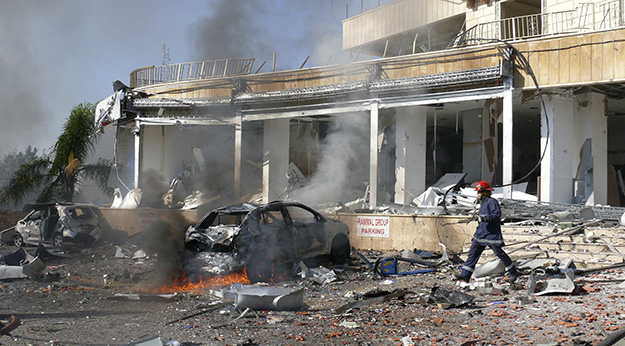
    On January 2, only days after a car bomb in Beirut took the life of former Finance Minister Mohamad Chatah and several bystanders on December 27, another bomb struck the capital’s southern suburbs.  With initial reports of four dead and 40 wounded, this latest, and possibly retaliatory, attack fits into an ominous pattern as Syria’s conflict spills into Lebanon. 

    January 2, 2014

    Hezbollah and the Assassination of Hassan Laqees
    Middle East Institute
  • Analysis
  • Hezbollah and the Assassination of Hassan Laqees

    On Wednesday, December 4, Hassan Laqees, a Lebanese Hezbollah leader who was reportedly involved in the group’s weapons procurement and development, was assassinated south of Beirut. On Sunday, another Hezbollah military commander was killed in Syria, bringing the number of Hezbollah dead in the Syrian conflict into the hundreds.

    December 9, 2013

    Bombings in Beirut Indicate New Escalation
    Middle East Institute
  • Analysis
  • Bombings in Beirut Indicate New Escalation

    Earlier today, double explosions near the Iranian embassy in Beirut killed at least 23, including an Iranian diplomat. The Abdullah Azzam Brigades, an Islamist group with links to al-Qa`ida, took responsibility for the attack. MEI sat down with its Vice President for Policy and Research, Paul Salem, to discuss the significance of the bombings in Lebanon as well as their regional and global implications.

    Tell us about the bombing and the group that claimed responsibility for it.  

    November 19, 2013

    Maliki in Washington: Arms Deals, Politics, and Proxy Wars
    Middle East Institute
  • Analysis
  • Maliki in Washington: Arms Deals, Politics, and Proxy Wars

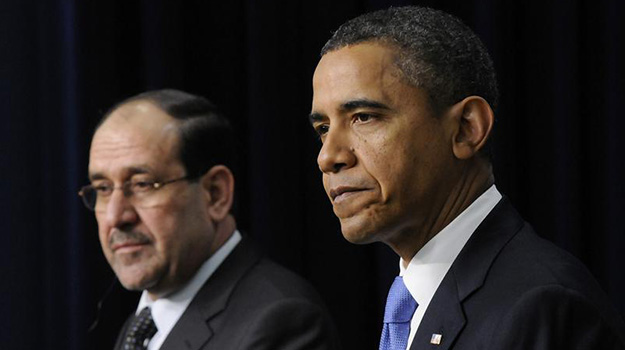
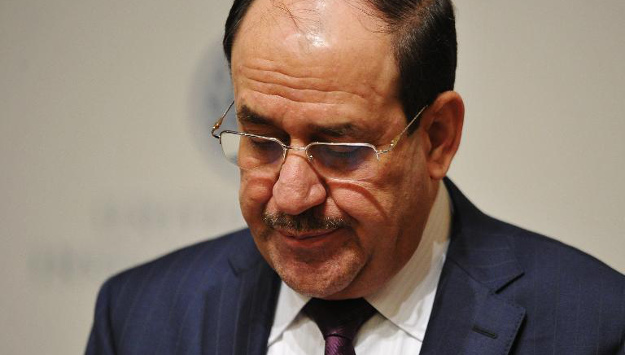
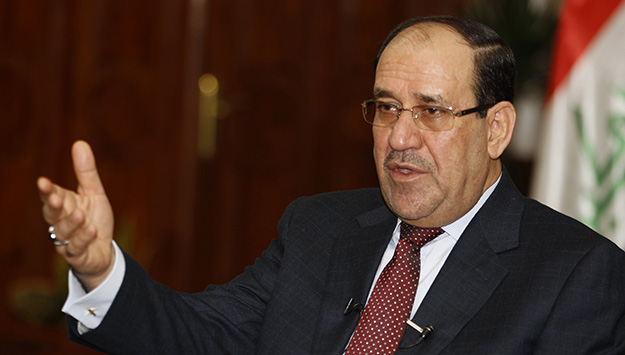
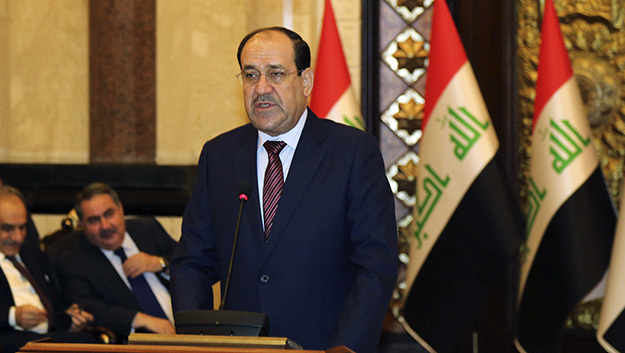
    Iraqi Prime Minister Nouri al-Maliki is in Washington this week for meetings with Vice President Joe Biden, Defense Secretary Chuck Hagel, and President Barack Obama. We sat down with MEI’s Vice President for Policy and Research, Paul Salem, to discuss the topics on the table, what each side hopes to accomplish, and how the United States should approach Iraq.

    What is Maliki looking to accomplish?

    October 31, 2013

    Helsinki and US-Russian Cooperation in the Middle East
    Middle East Institute
  • Podcast
  • Helsinki and US-Russian Cooperation in the Middle East

    Andrey Kortunov, director general of the Russian International Affairs Council, and Randa Slim, director of MEI’s program on Conflict Resolution and Track II Dialogues, join host Paul Salem to discuss the Helsinki Summit and takeaways from the latest meeting of the US-Russia Middle East Dialogue in Berlin, where participants outlined challenges and opportunities for US-Russian cooperation in Syria and elsewhere in the region.

    More episodes

    October 11, 2013

    The Iraqi Factor in the Syrian Crisis: Catalyst or Inhibitor?
    Middle East Institute
  • Analysis
  • The Iraqi Factor in the Syrian Crisis: Catalyst or Inhibitor?

    Iraqis who cast their votes in postponed local elections in Anbar and Nineveh on 20 June had a lot on their plates. Beyond issues relating to the provision of services locally, the last weeks before the elections saw massive protests against the central government in Baghdad. The many angry slogans on display included calls for greater autonomy for the Sunni-majority areas of Iraq as well as expressions of solidarity with the mainly Sunni Syrian opposition movement.

    July 18, 2013

    Demography and Violence in Lebanon
    Middle East Institute
  • Analysis
  • Demography and Violence in Lebanon

    The sun is beating down and it isn’t even midday. Clutching the all-important paperwork that will get them coveted UN food vouchers, Syrian refugees look harried. The women pull at their children to hurry through the litter-filled yard of the sports club in the town of Bar Elias that serves as a distribution center for the UN’s hard-pressed World Food Program (WFP). Unlike their men, who head for the shade to smoke and exchange news, the women don’t dally, making for the snaking lines into a crowded hall where they will be called in groups by registration numbers.

    July 15, 2013