Monday Briefing: Russians launch air strikes after alleged gas attack
In this week’s Monday Briefing, MEI experts discuss recent and upcoming events including Russian air strikes in Aleppo, the elections in Bahrain, the growing international interest in Egypt’s offshore energy finds, and the appointment of a new Afghan team of negotiators for peace talks.
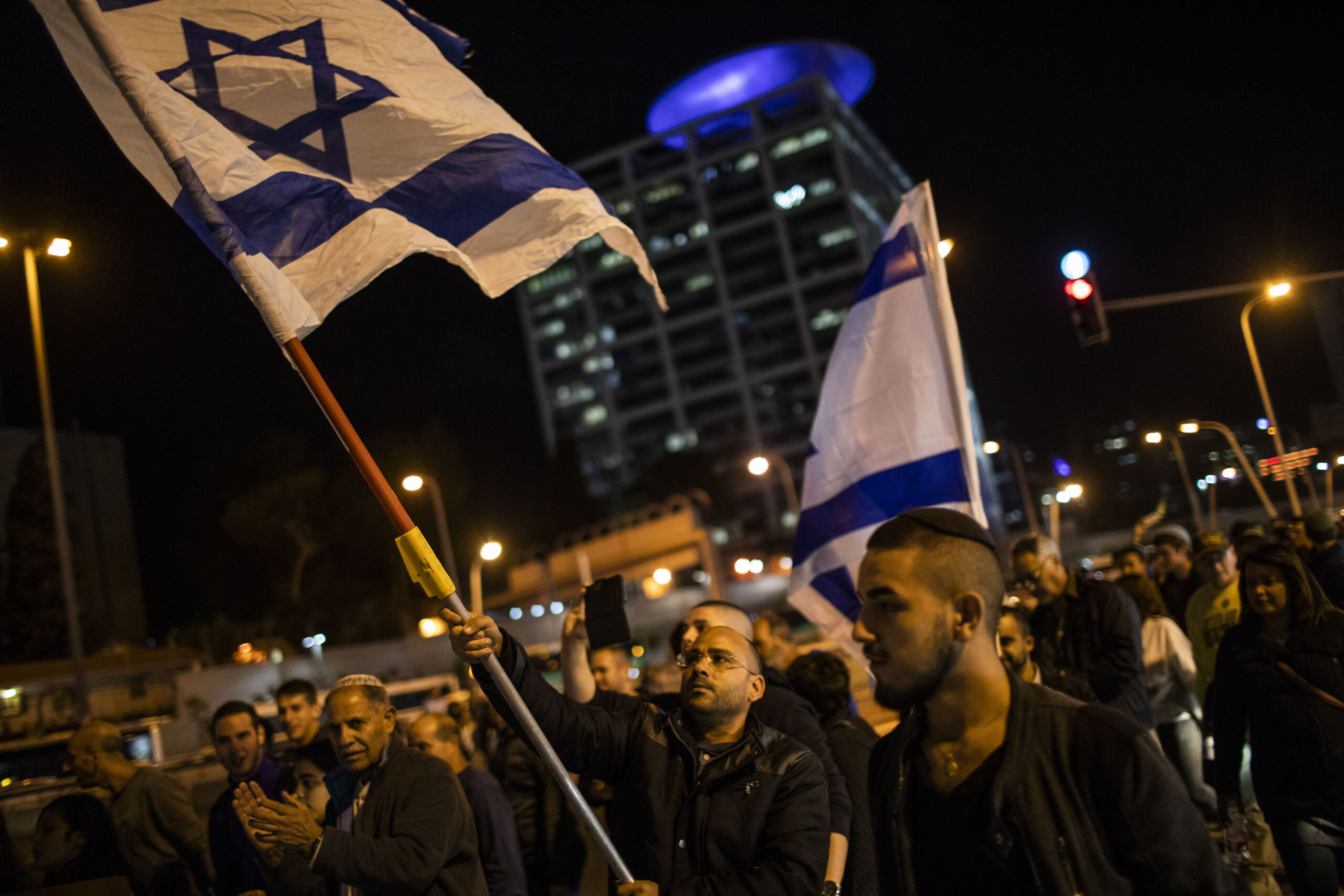
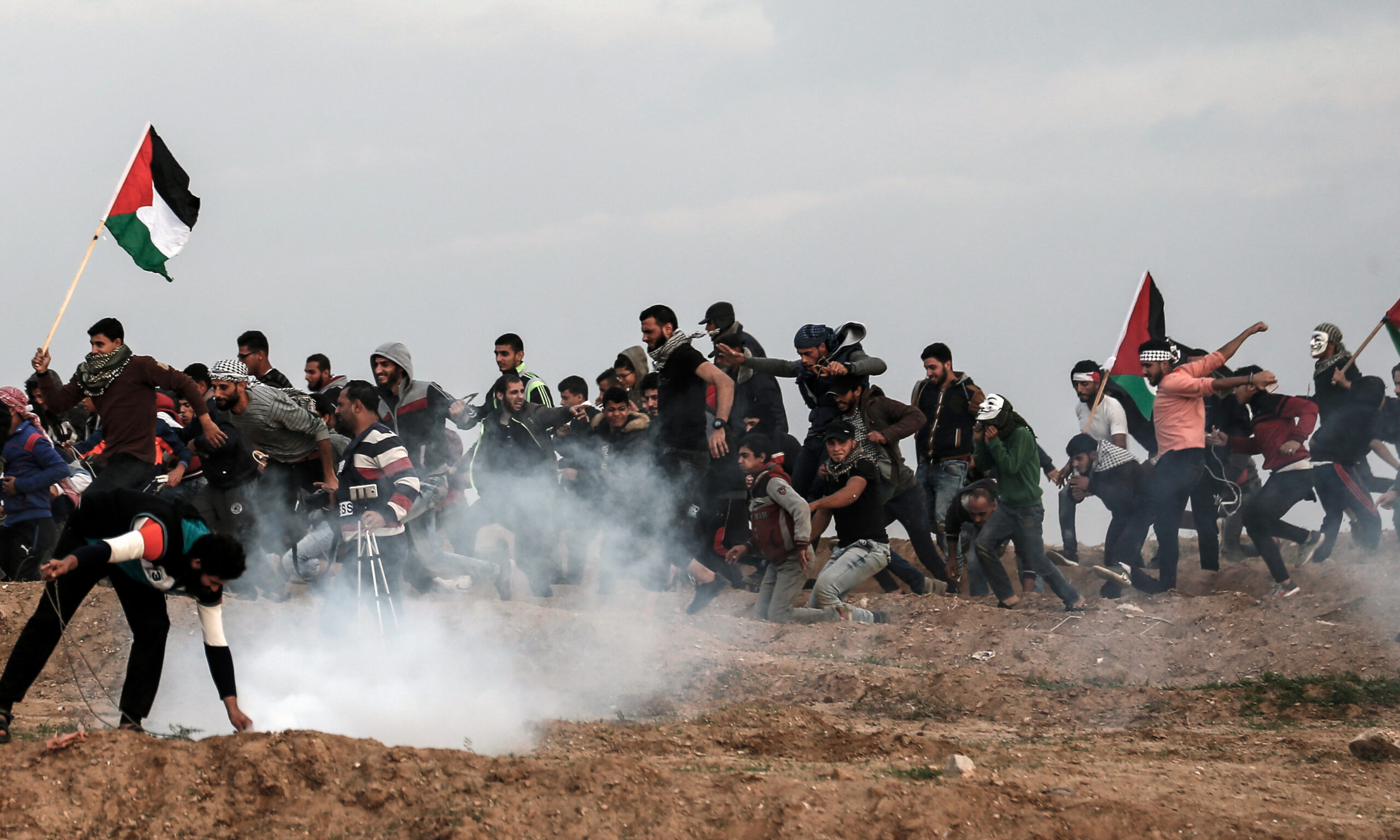
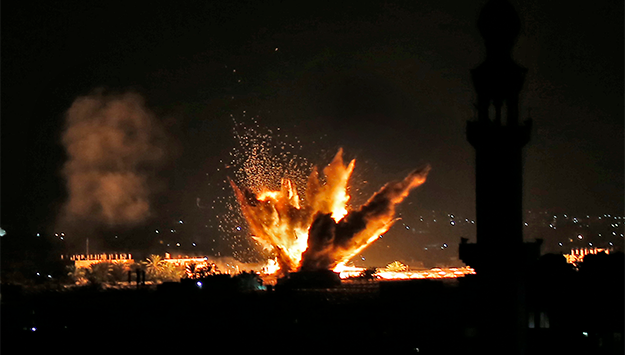
Elizabeth Campbell, director of UNRWA’s Representative office in Washington, and MEI’s Nathan Stock join guest host Alistair Taylor to discuss the recent flare-up in Gaza, the subsequent ceasefire, and where things go from here.
The Egyptian/Qatari initiative has afforded breathing room for Gaza, while Hamas and Prime Minister Netanyahu have demonstrated a determination to avoid war, for now.
Negotiations shepherded by Egypt appear to be making progress in establishing a new, more stable chapter in the ongoing conflict, but instability remains at the heart of the Gaza standoff.
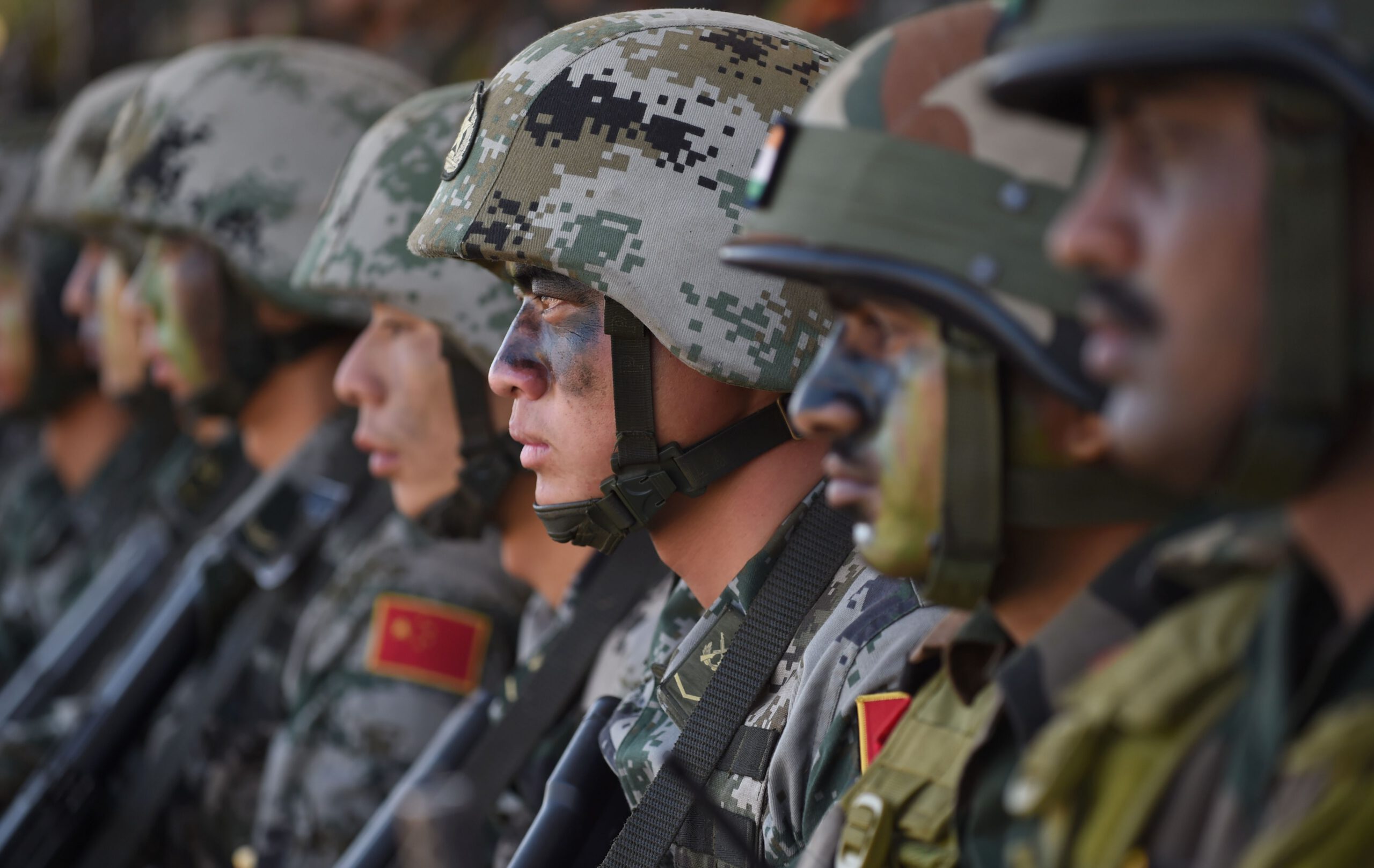
A new approach in Afghanistan: China and India take steps toward cooperation
While there have been promising recent signs of Indian-Chinese cooperation in Afghanistan, Beijing’s “all-weather” friendship with Islamabad and Pakistan’s concerns about Indian involvement in the country remain obstacles to closer ties.
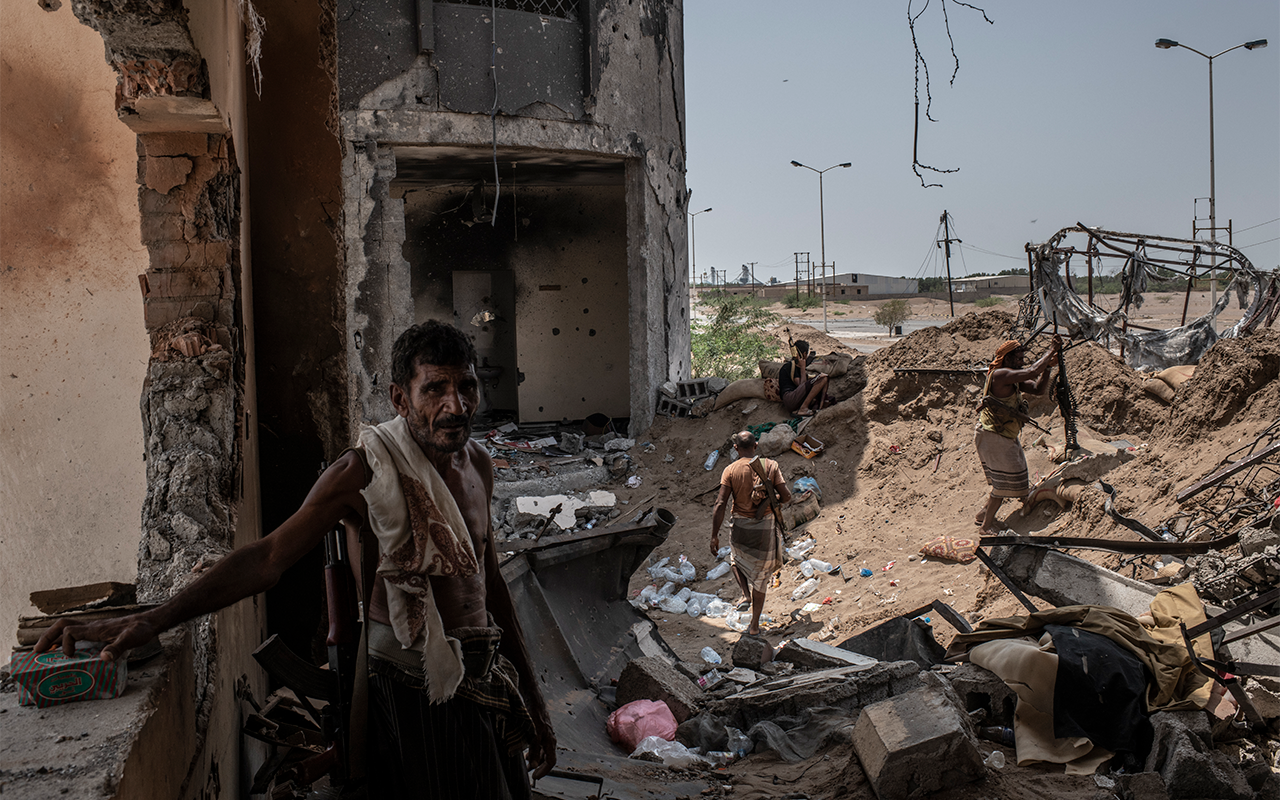
In this week’s Monday Briefing, MEI experts discuss recent and upcoming events including the Gaza flare-up and its threat to Egyptian-led negotiations, Russian-hosted Afghan peace talks, the ground offensive in Hodeidah, and rapid escalation in northwestern Syria.
In this week’s Monday Briefing, MEI experts discuss recent and upcoming events including the ongoing conflict in Yemen, the potential impact of the midterm elections on US Middle East policy, U.S.-Turkey rapprochement, escalating tensions in northern Syria, the upcoming Palermo conference on Libya, and the potential for political fallout in Pakistan and peace talks in Afghanistan.
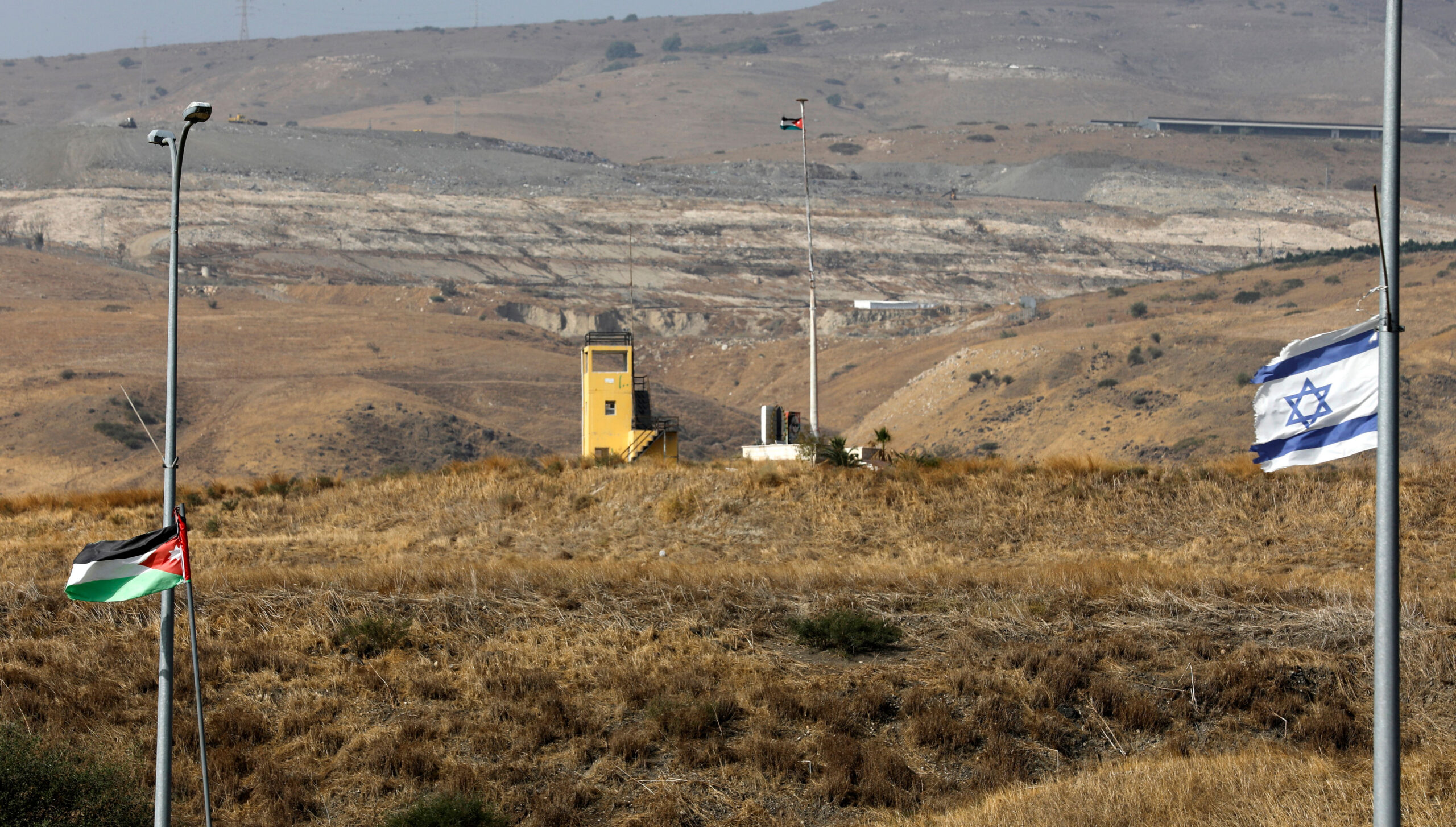
Challenging the cold peace: Jordan’s cancellation of the land lease
King Abdullah’s decision to cancel a 25 year land lease to Israel is likely to exacerbate long-simmering tensions between the two nations and challenge the cold peace that has been in place since 1994.
As Khalilzad leads U.S. efforts to bring the Taliban to the negotiating table, he faces immense challenges from geopolitical entanglements and regional rivalries surrounding the Afghan conflict.
Update on Jamal Khashoggi; Afghan elections preview
In this episode, MEI’s Gerald Feierstein and Gonul Tol continue last week’s discussion on the tragedy and ongoing foreign relations crisis over Jamal Khashoggi, and Ahmad Majidyar gives a preview of this weekend’s parliamentary elections in Afghanistan.
The assassinations are likely to undermine voter turnout in Afghanistan’s south and deepen divisions within the Afghan government about the prospect of peace with the Taliban.
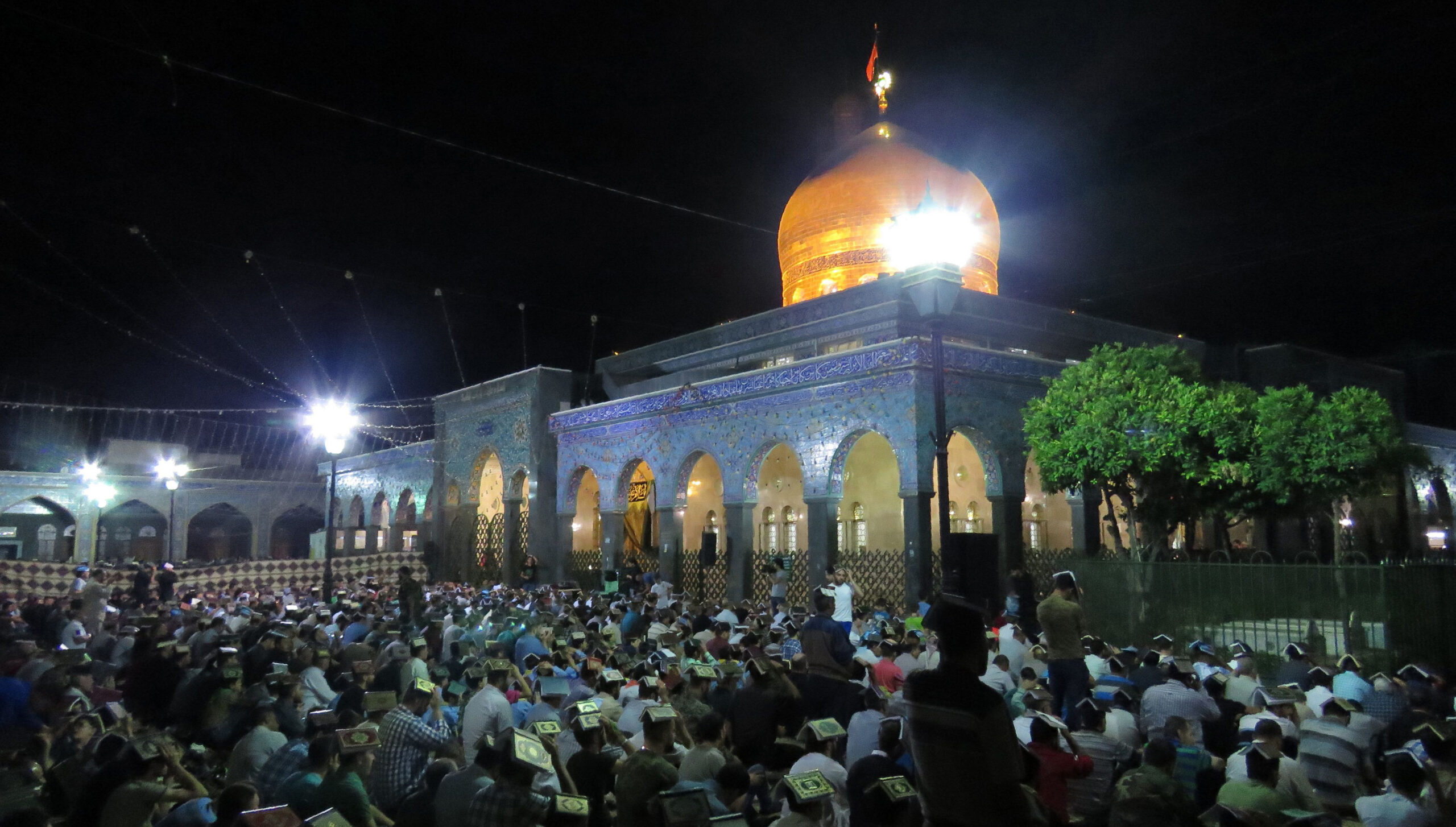
The Fatemiyoun Division: Afghan fighters in the Syrian civil war
Summary
Originally styled as a small detachment of volunteers and refugees mobilized to defend the shrine of Sayyeda Zeinab outside Damascus, the Fatemiyoun formation’s size and presence across Syria has slowly expanded throughout the war. At home, the IRGC began cultivating a narrative of Afghan “resistance” to transnational Sunni jihadism. Joining the Syrian jihad was increasingly promoted as a path to legal and social recognition within the Islamic Republic at a time when thousands of desperate young Hazaras were setting out to emigrate to Europe.
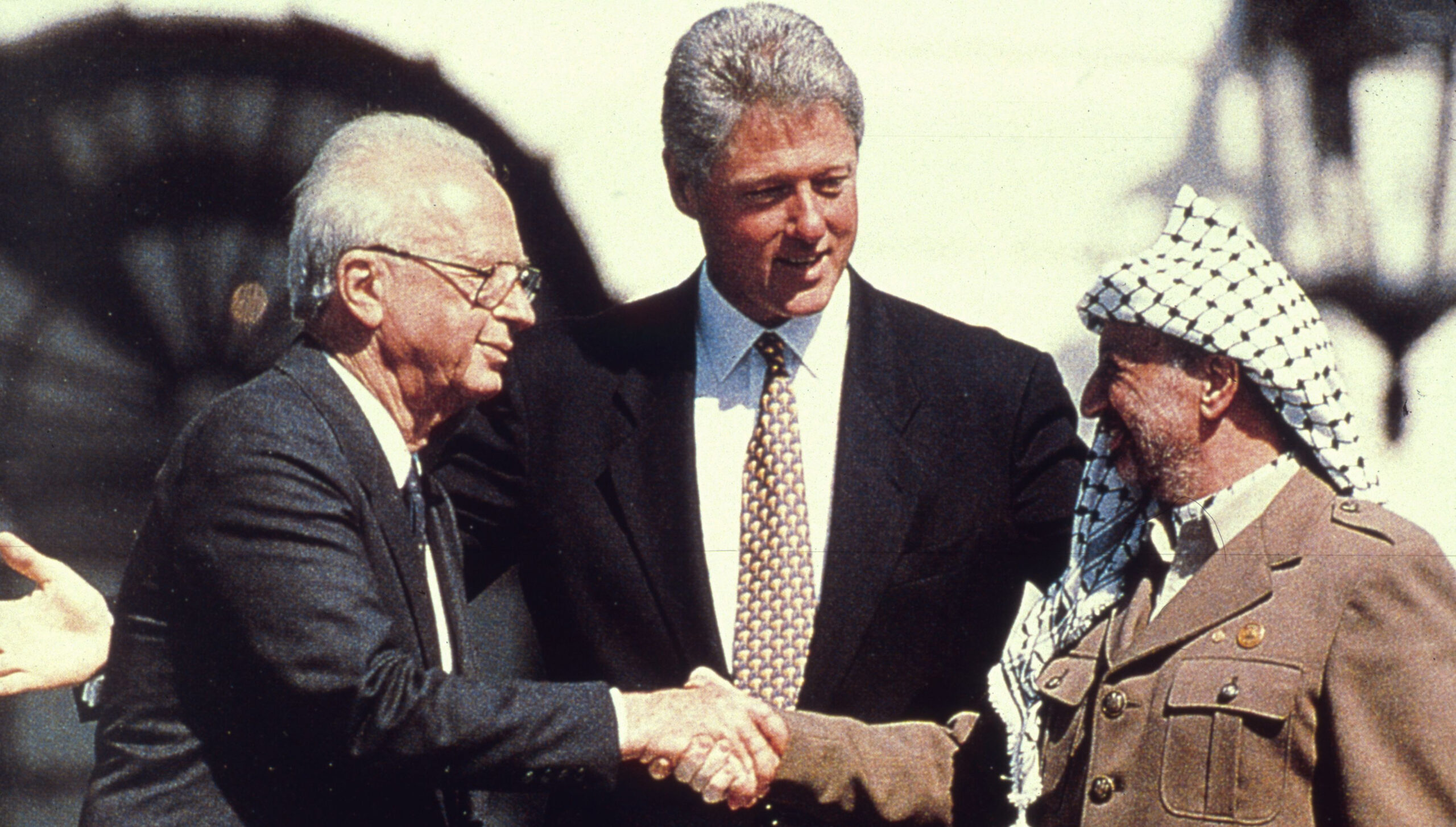
On Sep. 13, 1993, President Bill Clinton presided over one of the most dramatic handshakes in modern history. On the White House lawn, the handshake between Israeli Prime Minister Yitzhak Rabin and the Palestinian Liberation Organization Chairman Yasser Arafat was hailed as a political breakthrough that would constitute the dawn of a new era for the Middle East. Now, 25 years after the announcement of the Declaration of Principles––also known as the Oslo Accords––the prospect of peace appears more elusive than ever.
It was a busy week for Middle East policy as President Trump touched on a range of key issues at the United National General Assembly in New York, including Iran sanctions, the intra-GCC dispute, OPEC policy, Saudi domestic reforms, and the Middle East peace process, among others. Gerald Feierstein, MEI’s director for policy research, programs and government relations, and Ahmad Majidyar, director for MEI’s IranObserved program, join host Paul Salem to break down what was said, as well as what issues were left off the agenda.