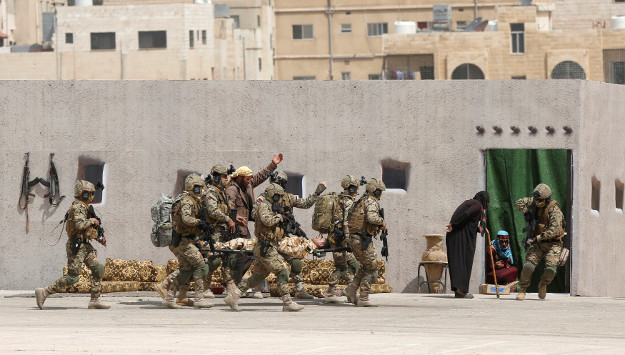
The Future of U.S.-Jordanian Counterterrorism Cooperation
Read the full analysis, co-authored by Hardin Lang and Alia Awadallah, on the Center for American Progress.
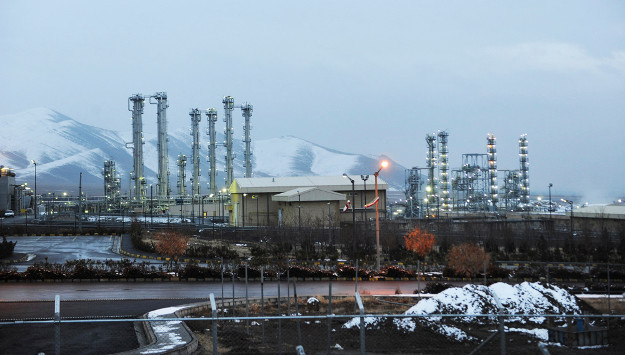
The Middle East’s Next Big Challenge: Nuclear Security
Read the full piece, co-authored by Nilsu Goren, on The American Interest.
Of all the calamities that have caused mass death and destruction in the Middle East in recent years—including civil war, terrorism, ethnic cleansing, cholera, and famine—none is more potentially threatening to human life than the danger of nuclear power.
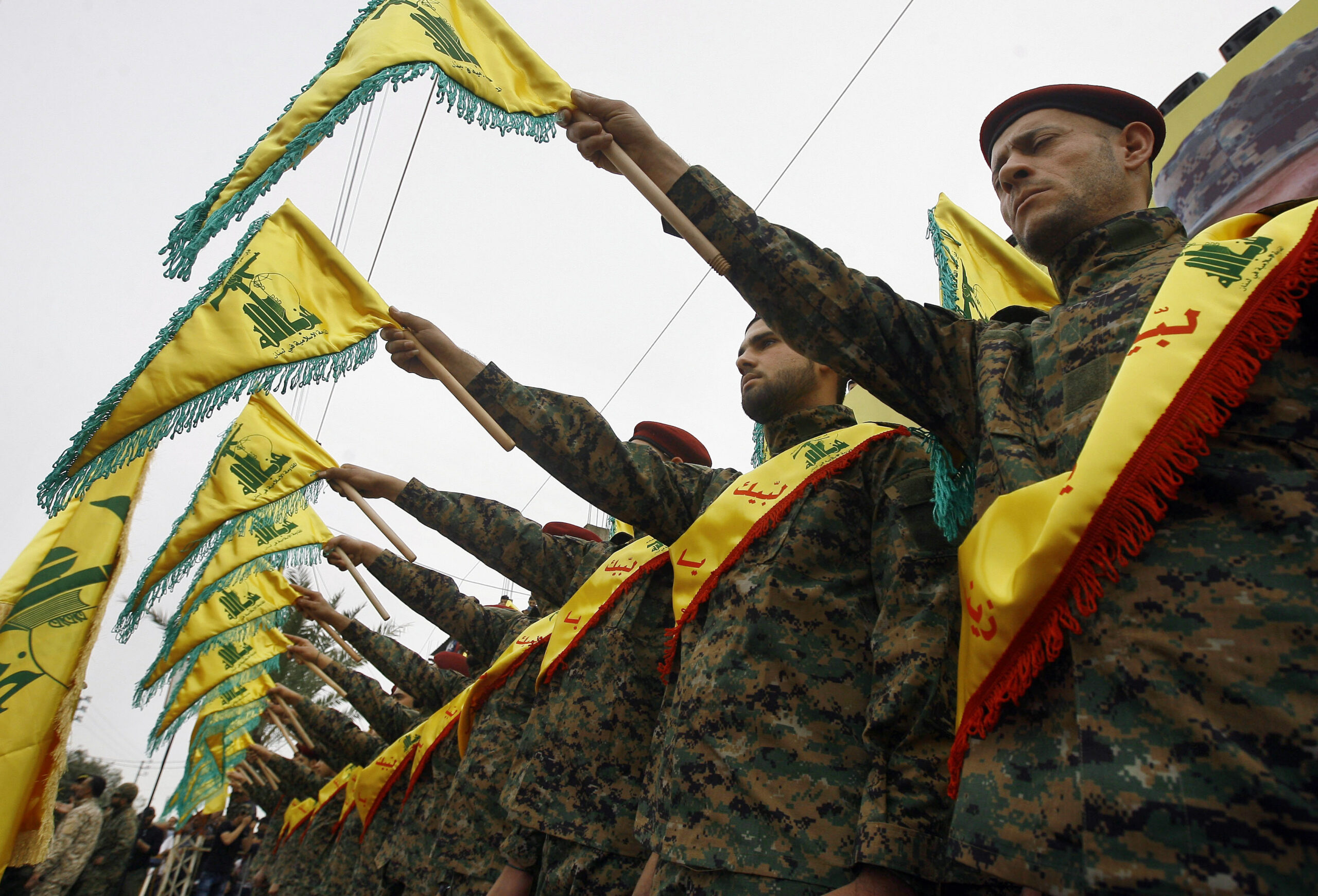
Hezbollah’s Evolution: From Lebanese Militia to Regional Player
Summary
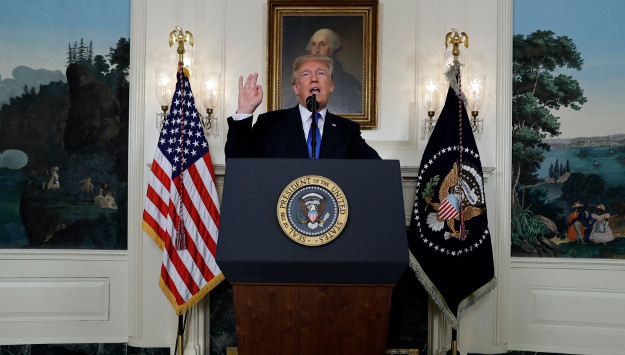
Trump’s Iran Strategy Needs Much Improvement
This piece was co-authored by Bilal Saab and Kenneth M. Pollack, resident fellow at the American Enterprise Institute. Read the full op-ed on the Wall Street Journal.
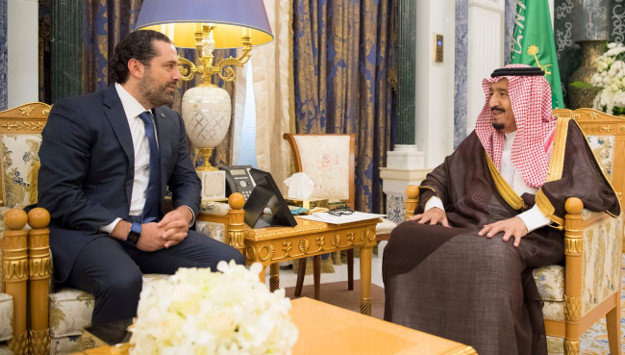
The Future of Saad Hariri
Read the full article on the American Interest.
It takes a certain level of political naiveté or blindness to continue to believe that Lebanese Prime Minister Saad Hariri resigned last week of his own volition.
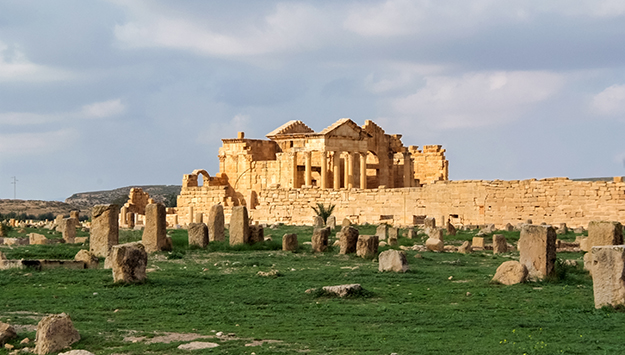
ISIS Eyes Tunisia’s Cultural Heritage as Militants Return
Looting and trafficking of antiquities in the Middle East and North Africa has reached unprecedented levels since the rise of ISIS. In a region with tens of thousands of archaeological sites, antiquities are as easily accessible as oil for terrorist groups controlling such archaeologically rich territory.

Countering ISIS-inspired Terrorism
Last week’s terrorist attack in New York City utilized similar tactics to other low-tech attacks carried out in western Europe, closely following the ISIS playbook.
Jasmine El-Gamal, senior fellow at the Atlantic Council, Charles Lister, director of MEI’s Extremism and Counterterrorism project, and Will Wechsler, MEI senior fellow on national security and counterterrorism, join host Paul Salem to discuss what the attack means for U.S. counterterrorism policy and the future of the fight against ISIS.

The NYC Terror Attack and U.S. Counterterrorism Policy
November 2, 2017 – Charles Lister, director of MEI’s Extremism and Counterterrorism program, discusses what the recent terror attack in lower Manhattan, and the suspect’s claimed connection to ISIS, means for U.S. security and counterterrorism policy.
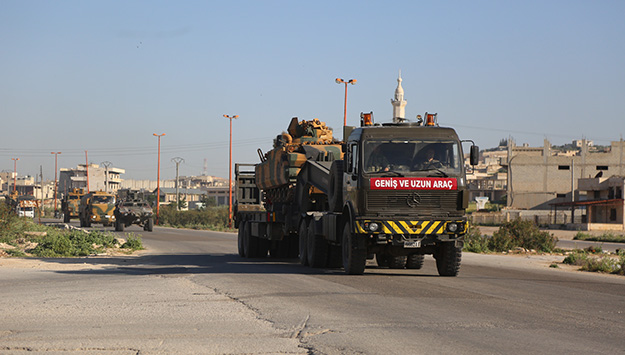
Turkey's Idlib incursion and the HTS question: Understanding the long game in Syria
Read the full article on War on the Rocks
The Liberation of Raqqa
Who will win the spoils from ISIS’ demise in Syria? The Syrian civil war is entering a new phase with the liberation of Raqqa, as well as the Turkish intervention in the north. MEI experts Paul Salem, Charles Lister, Ibrahim al-Assil and Gonul Tol discuss the latest developments in Syria.
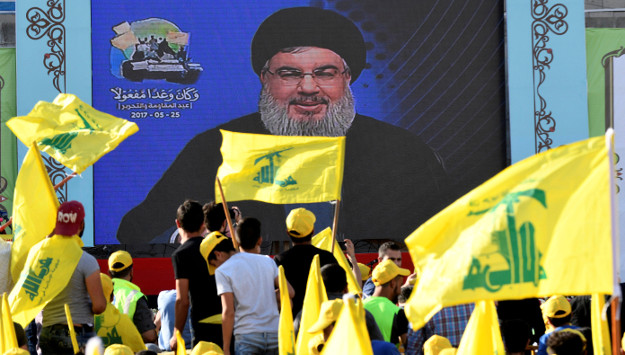
House Committee Passes Anti-Hezbollah Legislation | MEI Flash
The U.S. House of Representatives Foreign Affairs Committee passed two bills today that tighten sanctions on Hezbollah. The bills amend sections of the Hezbollah International Financing Act of 2015. The first bill imposes sanctions on any foreign person that assists a number of key Hezbollah financial, security, foreign relations, and media institutions. The second bill imposes sanctions on persons responsible for use of people as human shields in the 2006 war or thereafter, and names Hezbollah senior leadership among those intended.
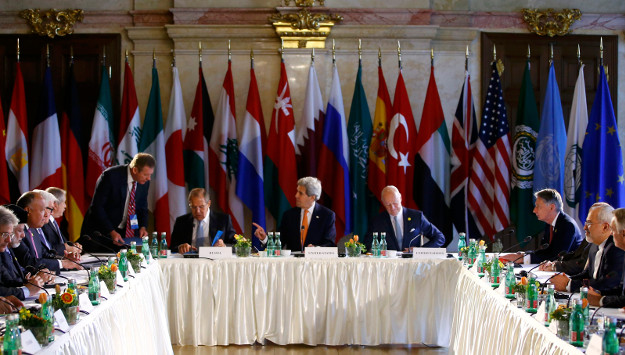
The Syrian Crisis Enters a New & Dangerous Phase
The following op-ed was originally published in Arabic by Asharq al-Awsat.
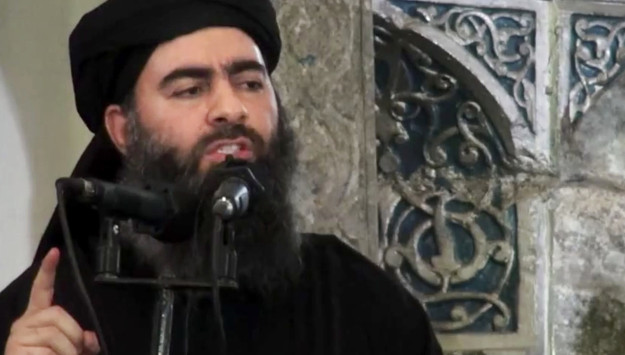
Russia's Baghdadi Claim Needs Verification
Russia’s claim to have killed ISIS leader Abu Bakr al-Baghdadi in an airstrike in Raqqa on May 28 should be taken with a heavy grain of salt. At the time in question, the U.S.-led Syrian Democratic Forces (S.D.F.) were only days away from launching their final assault on the city and there’s no logical reason imaginable why Baghdadi would have risked staying in a surrounded, sitting target. Notwithstanding justified doubts surrounding Baghdadi’s then presence in Raqqa, Russia’s statement also says its strike killed another 330 ISIS fighters – which is almost certainly an absurd claim.