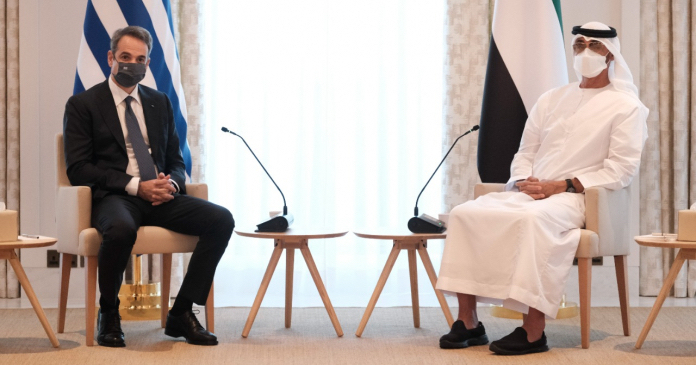
In mid-January the press reported that the United Arab Emirates (UAE) will soon participate in a joint military exercise with the United States, Canada, Slovakia, Spain, Cyprus, and Israel. While Israel’s inclusion is certainly newsworthy, it is also quite significant that the drill will take place in and be coordinated by Greece. This is just the latest step in a long process of engagement between Athens and Abu Dhabi.
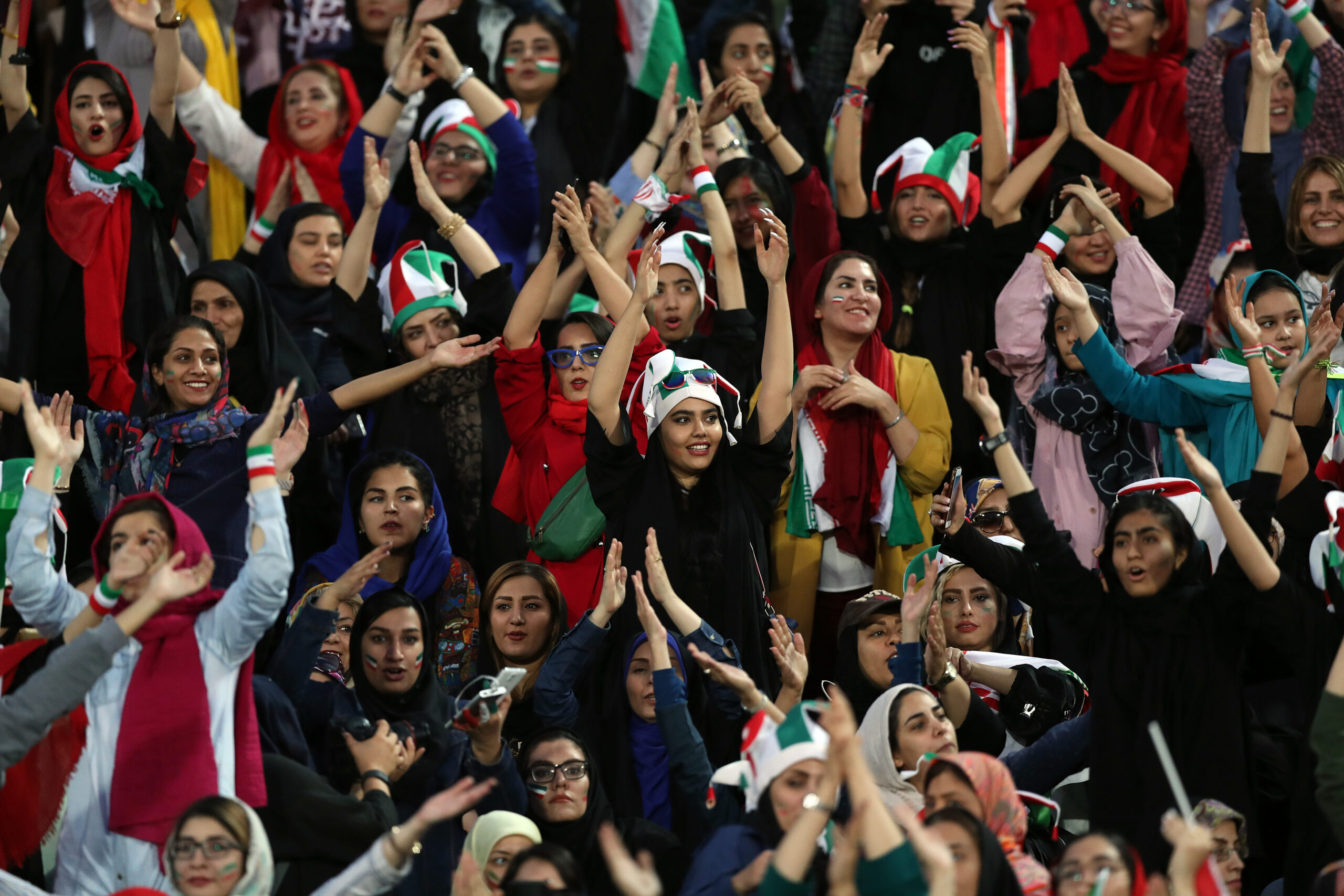
Political football: How the Iranian government intervenes in sports
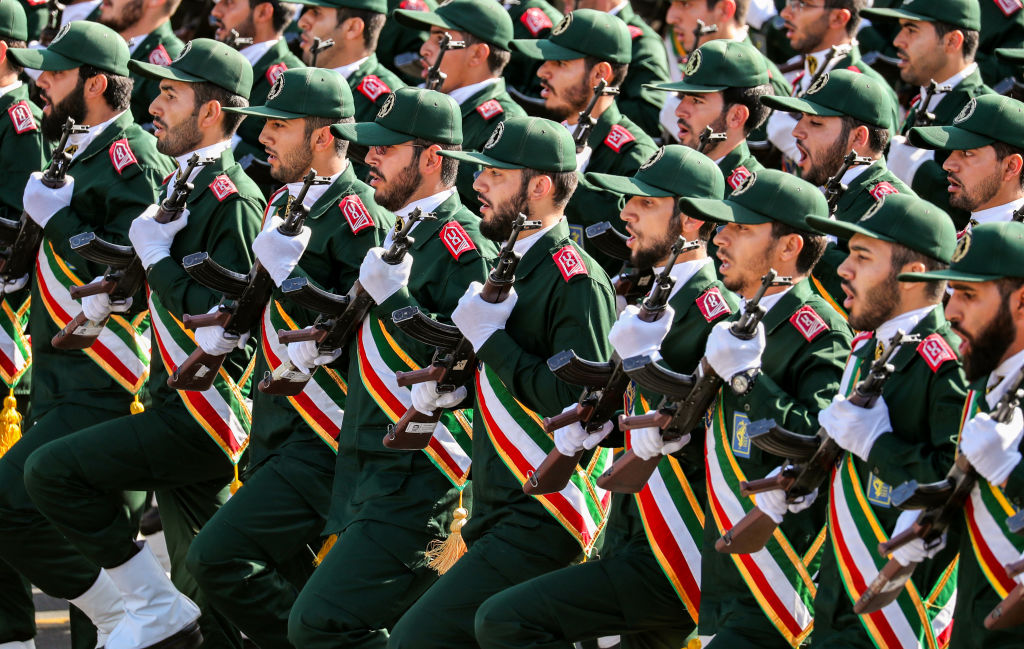
Because of football’s popularity, there is significant involvement by regime insiders. The Revolutionary Guards’ transition from barracks to boardrooms began back in the mid-1990s, when they took on management roles in some of the country’s most high-profile sports. Sports were not high on the agenda for the revolutionaries who overthrew the Shah Mohammad Reza Pahlavi in 1979, but as sports has grown in popularity and in profitability, it has become increasingly politicized. Over the past two decades, most sports clubs and related bodies have been taken over by political or security-military organizations, with former Revolutionary Guards holding the top positions.
As long as weapons transfers to armed non-state actors are not adequately restricted and the monopoly of violence is not exclusively in the hands of the government, it will be impossible to build sustainable peace in Yemen.
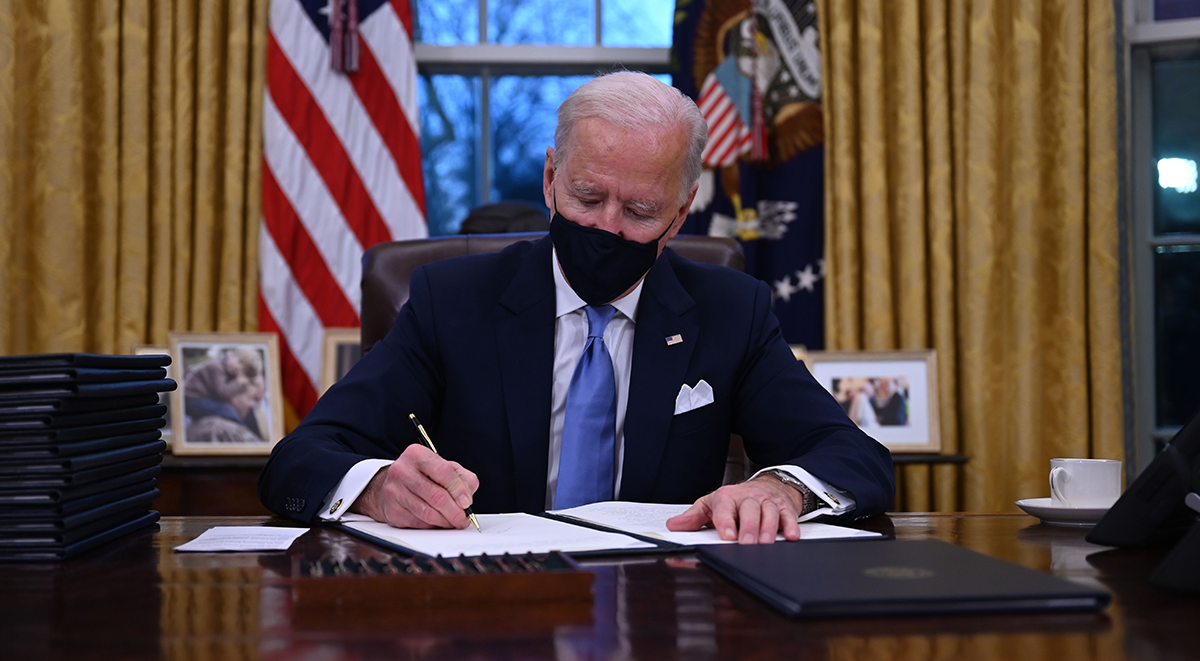
The Biden administration and the Middle East: Regional perspectives on the first 200 days
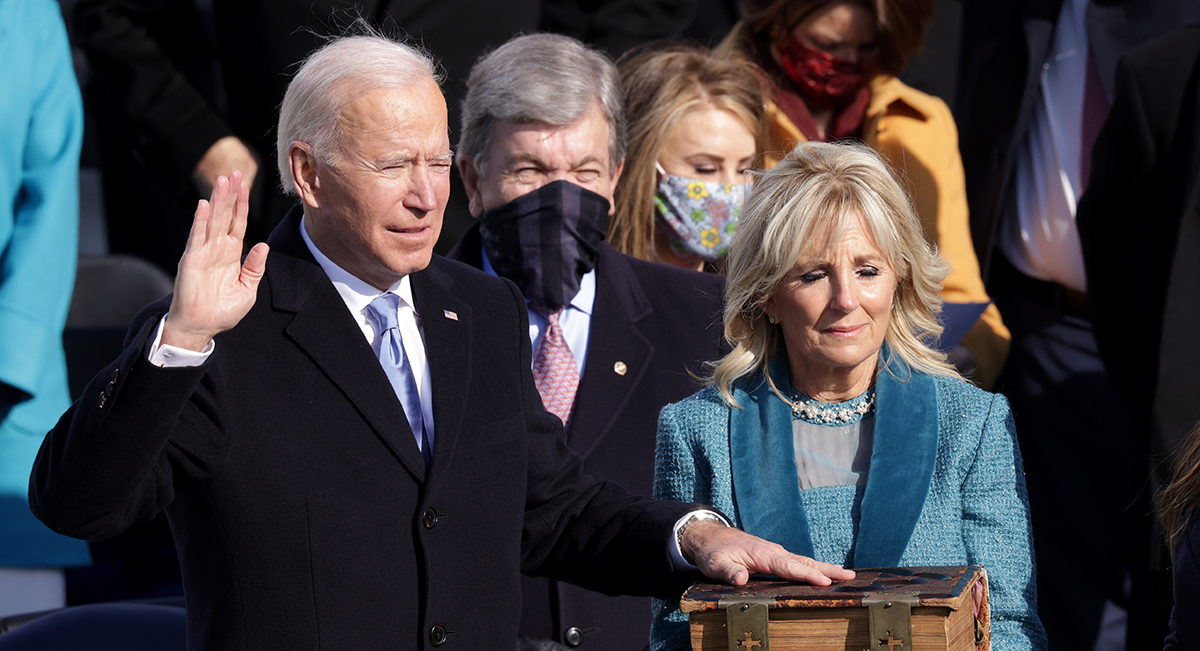
As the Biden administration takes office, it faces a host of challenges, both at home and abroad. Where does the Middle East fit into all of this and what should the new administration prioritize in its first 200 days? In the second part of a two-part series, we asked experts and scholars from across the region to weigh in with their thoughts.
Houthi terrorist designation raises troubling questions for tech companies
One underrecognized aspect of Houthi operations that the recent FTO designation brings under scrutiny is their online presence. Ansar Allah maintains accounts on YouTube and Twitter, with 26,300 followers and 16,800 followers respectively. It also has an active group with over 22,000 participants on Telegram, an instant messaging service legally headquartered in London with servers in Dubai. The group even has its own official website.
MEI experts Gerald Feierstein, Alex Vatanka, Gonul Tol, and Charles Lister join host Alistair Taylor to survey what lies ahead for the region in the year ahead, with particular attention to Yemen, Iran, Turkey, and Syria.
The Biden administration and the Middle East: Four-year policy goals
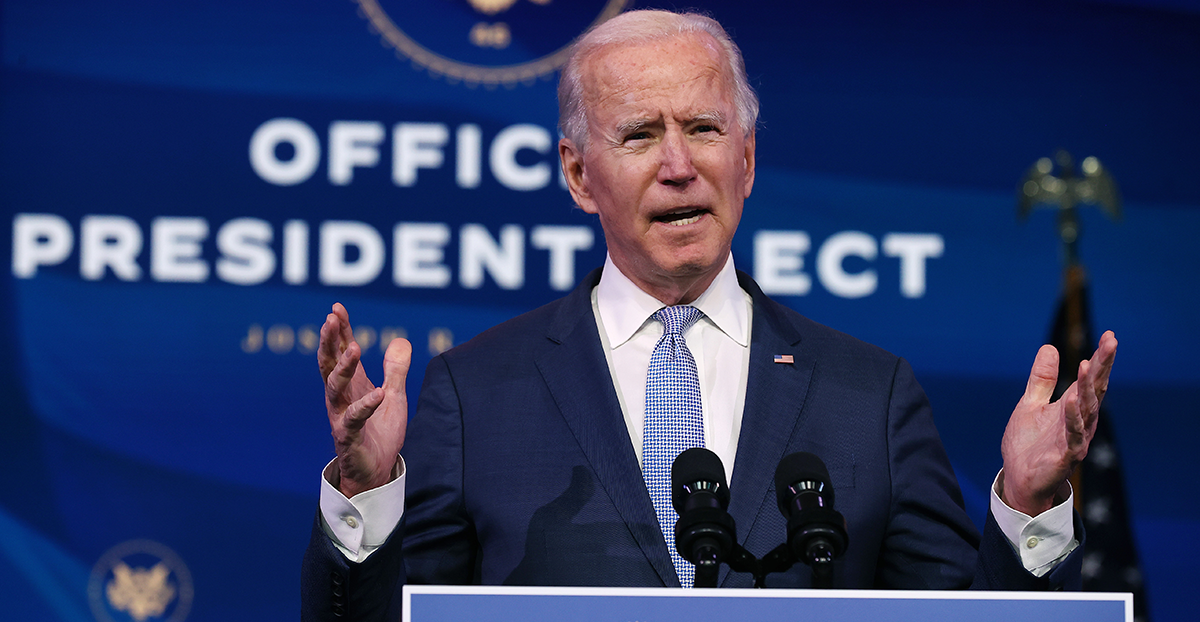
The Biden administration will face a number of major challenges in the Middle East over the next four years, from great power competition and climate change to cybersecurity and refugees and migration. But what realistically can it achieve in that time on the policy front? To better understand what’s possible, we asked 10 experts from across MEI to weigh in with their thoughts.
A Shift Among the Shi'a: Will a Marj'a Emerge from the Arabian Peninsula?
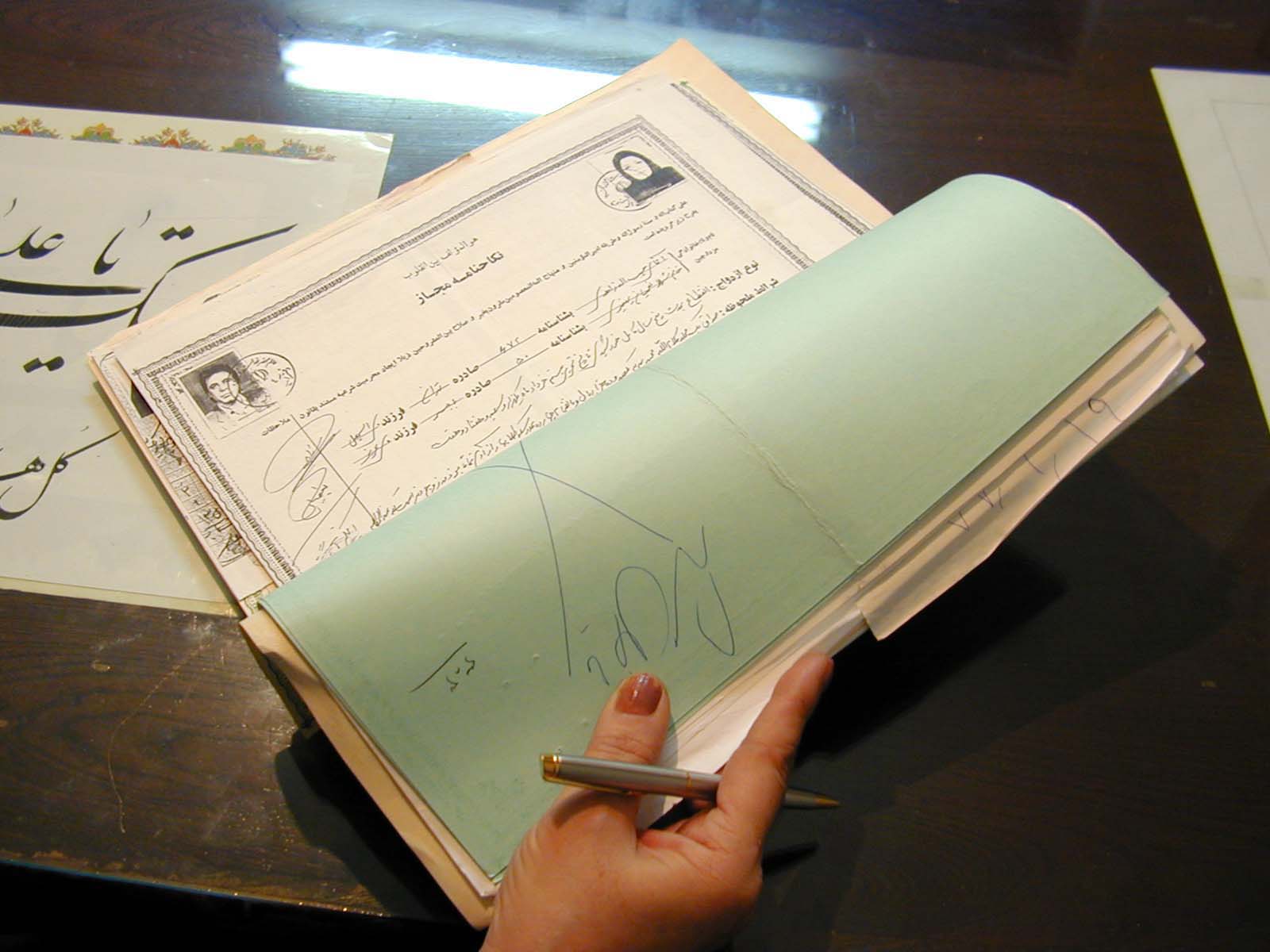
This paper looks at the political implications of the relationship between Shi’a in the Gulf states and Iranian marj‘as, the historical background to these ties, and Gulf states’ concerns surrounding the outflow to Iran of religious taxes. In some Gulf countries, these issues are tied to concerns about the loyalty of Shi’a to the nation. The authors argue that the emergence of a marj‘a who would be based in one of the Gulf states could quell these concerns.The authors identify potential marj‘as from the region and steps that Gulf states must take so that their Shi’a citizens will shift their allegiance from foreign-based marj‘as to domestically based ones.